
The Evolving Landscape of Climate Change Projections
Scientists are rethinking their projections for a warming world, moving away from the extreme scenarios that once dominated climate discussions. This shift reflects both progress in mitigating climate change and the reality that achieving the ambitious goals set by the international community remains out of reach.
New Scenarios for a Changing World
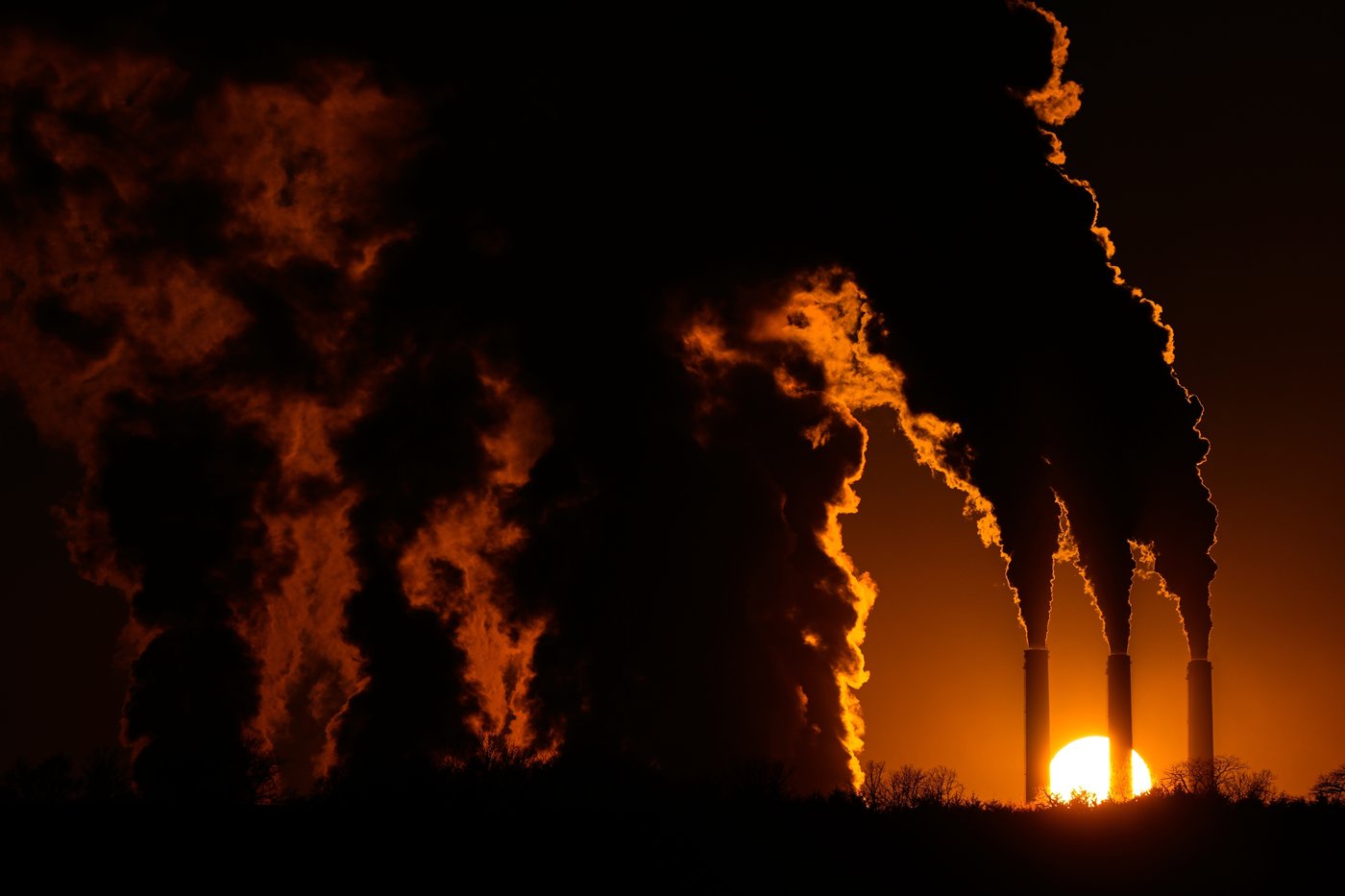
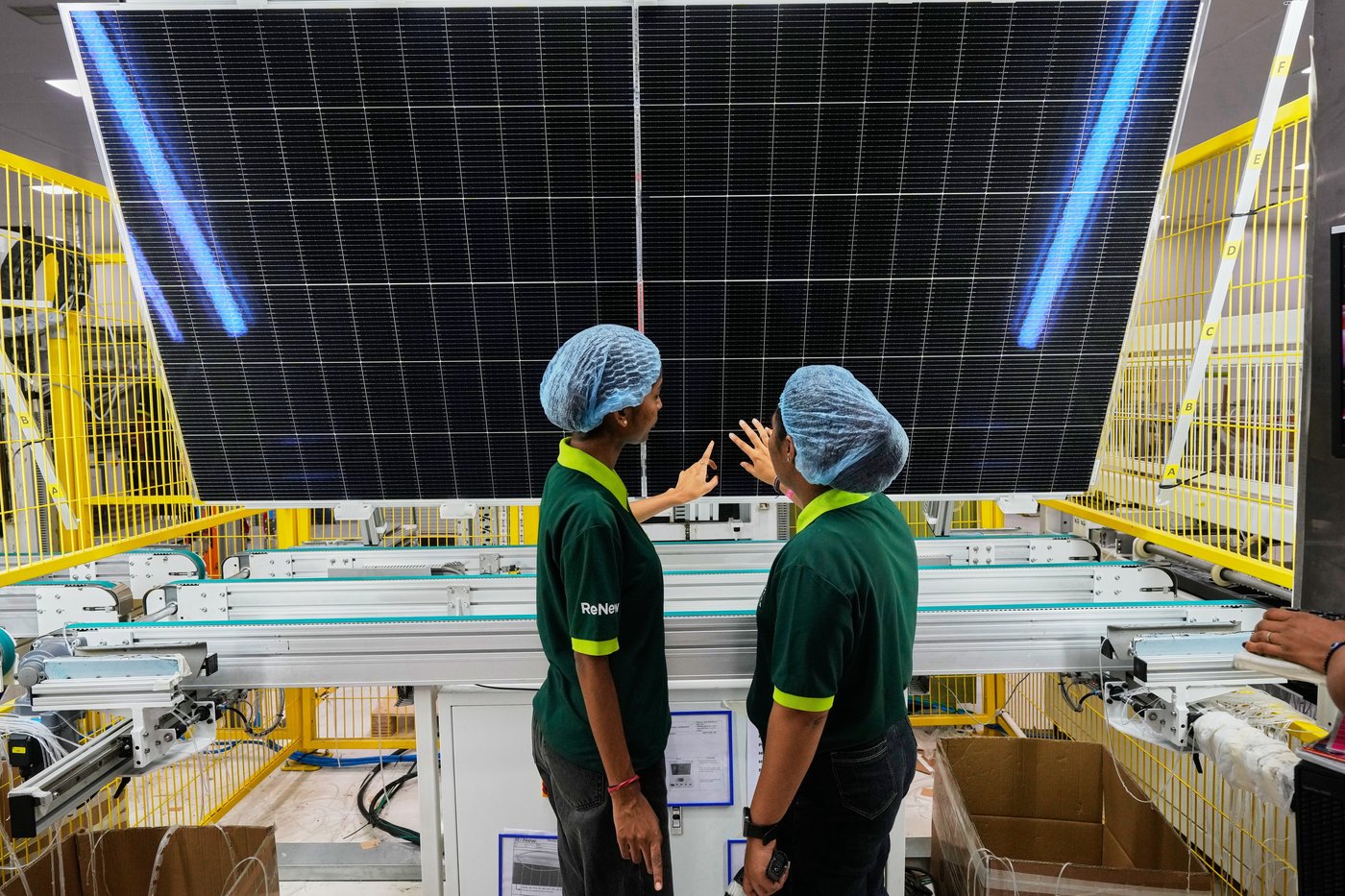
The new set of seven plausible carbon pollution scenarios highlights a narrowing range of possible futures. These scenarios replace two long-standing extremes: the most catastrophic warming and the most optimistic outcomes. The changes are driven by shifts in energy production, with increasing use of renewable sources like solar, wind, and geothermal reducing top-end carbon pollution projections. However, these efforts have not been sufficient to lower the bottom end of the projections, indicating that even with improvements, the path to a stable climate is challenging.
The Paris Agreement and Its Challenges
The 2015 Paris Agreement aimed to limit global warming to 1.5 degrees Celsius above pre-industrial levels, a goal that has become increasingly difficult to achieve. According to climate scientist Detlef Van Vuuren, the best-case scenario now exceeds this target, with warming expected to peak at 1.7 degrees Celsius before potentially decreasing if carbon removal technologies can be developed. This highlights the urgency of addressing climate change, as even small increases in temperature can have significant impacts on ecosystems and human societies.
Current Warming Trends and Impacts
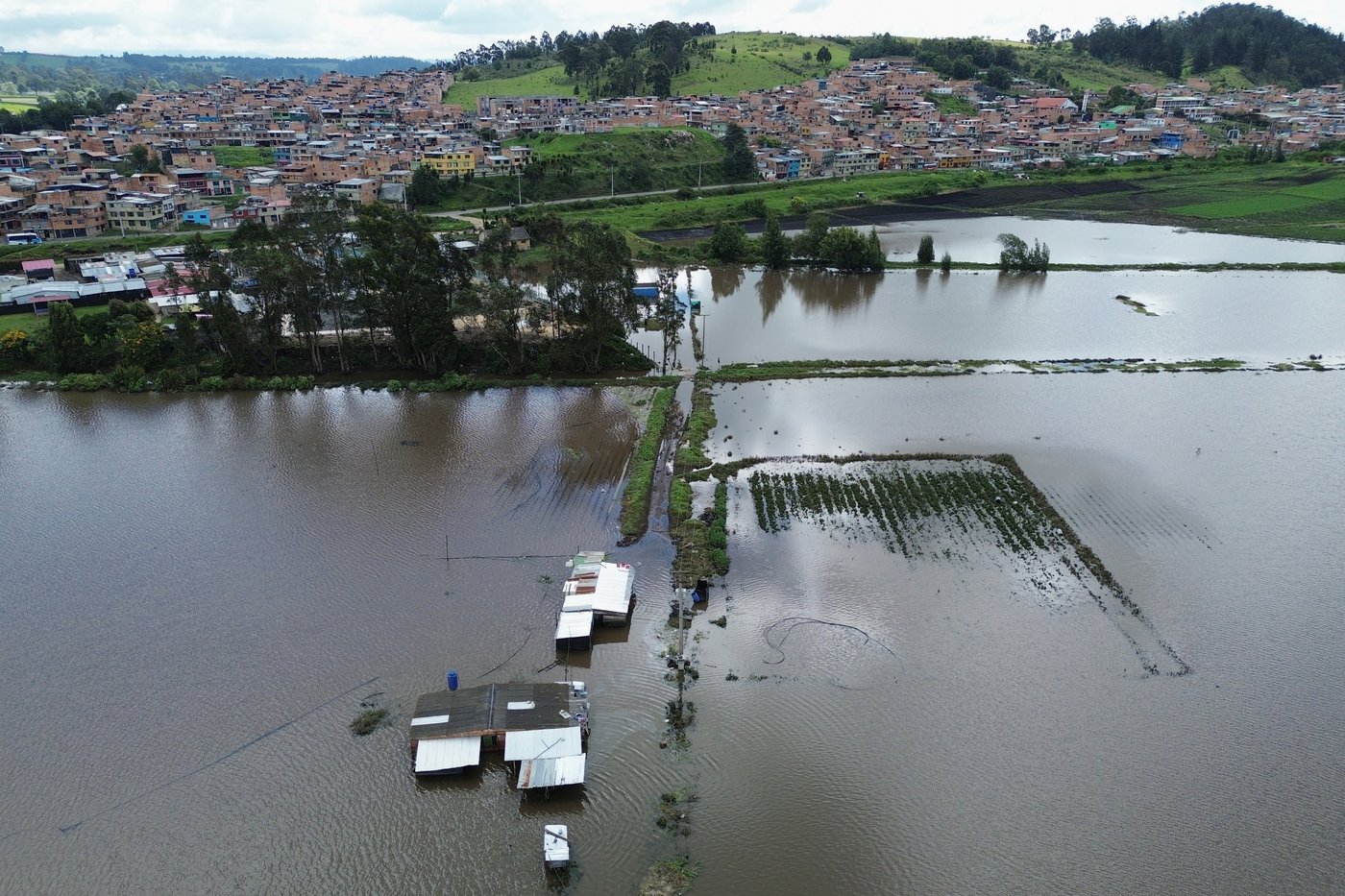
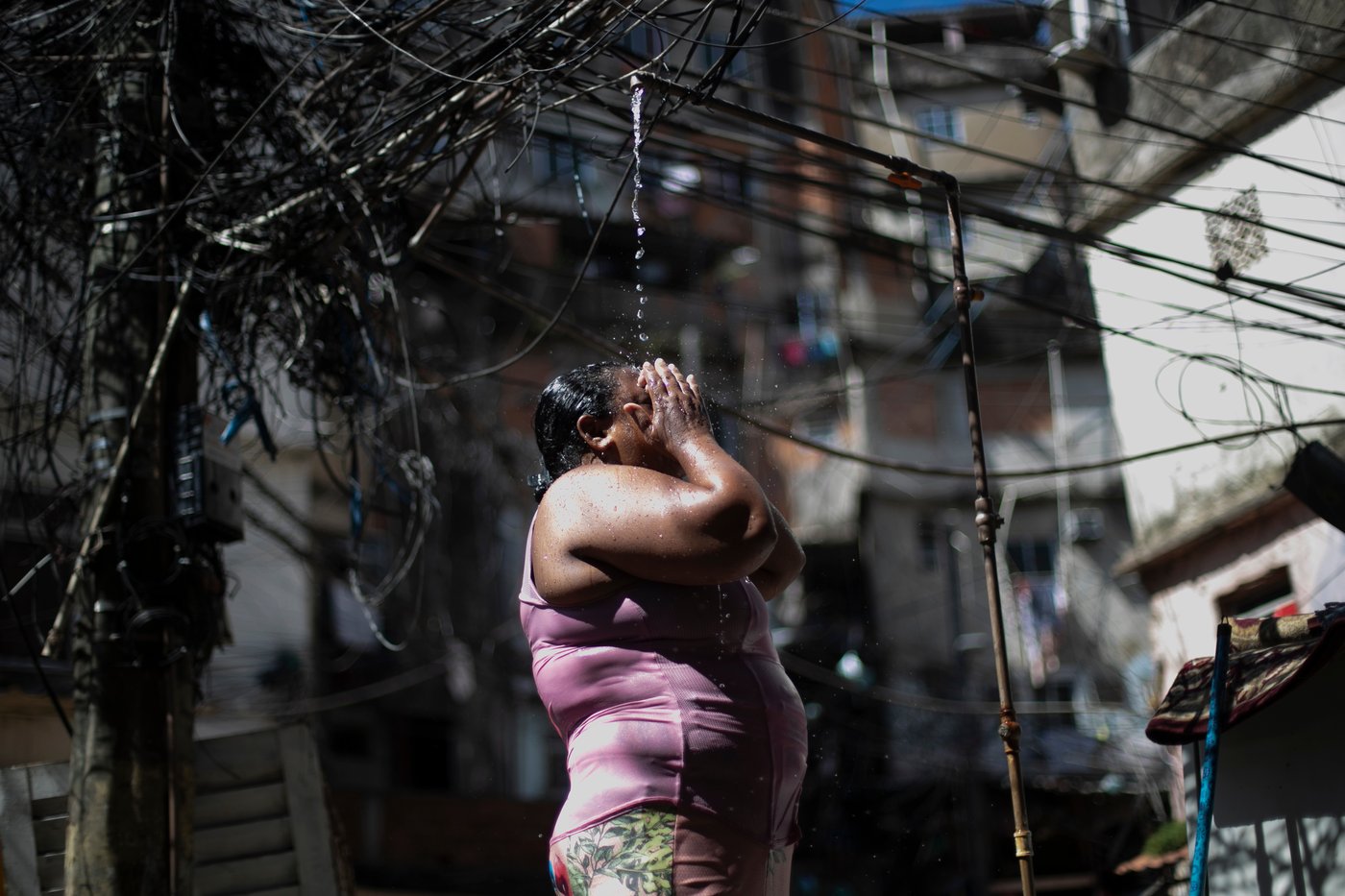
The world is currently about 1.3 degrees Celsius warmer than it was in the mid-1800s, and even minor temperature increases can lead to severe consequences. Species loss, water scarcity, and more frequent extreme weather events are already being observed. Scientists warn that the current trajectory, which projects a 3-degree Celsius increase by the end of the century, is not sustainable and could lead to irreversible damage.
The Debate Over High-Warming Scenarios
The recent changes in high-warming scenarios have sparked debate among scientists and policymakers. The RCP8.5 scenario, which projected a 4.5-degree Celsius increase by 2100, is no longer considered a likely outcome. However, some argue that it was based on outdated assumptions about energy use and emissions. Keywan Riahi, who led the 2011 study introducing RCP8.5, noted that it was never intended to represent the most likely future but rather a high-end bound for emissions.
Political and Technological Challenges
Despite advancements in renewable energy, the pace of change is not fast enough to meet the Paris Agreement targets. Climate scientist Bill Hare emphasized that political inaction is a major obstacle. He stated that the failure to act is not due to natural forces but rather a lack of political will. This underscores the need for stronger policies and international cooperation to address climate change effectively.
The Role of Natural Feedbacks
While human activities are the primary drivers of climate change, natural feedback mechanisms can exacerbate the problem. These include the release of stored carbon from oceans, forests, and the Amazon, as well as changes in ocean currents and cloud reflectivity. Scientists acknowledge that these factors are difficult to predict and could add an additional half a degree Celsius of warming, compounding the effects of emissions.
The Path Forward
As the scientific community continues to refine its understanding of climate change, it is clear that the challenge ahead is significant. The new scenarios highlight the need for immediate and sustained action to reduce emissions and develop innovative solutions for carbon removal. While progress has been made, the road to a stable climate remains long and fraught with uncertainty.
The Importance of Continued Research
Ongoing research and collaboration are essential to address the complexities of climate change. Scientists emphasize the importance of monitoring natural feedbacks and developing technologies that can mitigate the worst impacts of warming. This requires not only scientific innovation but also political commitment and public awareness.
Conclusion
The evolving landscape of climate change projections underscores the urgency of addressing this global challenge. As the world moves forward, it is crucial to remain vigilant and committed to reducing emissions, investing in renewable energy, and supporting policies that promote sustainability. The future of our planet depends on these actions, and the time to act is now.
The Role of Public Awareness
Public awareness and engagement play a critical role in driving change. As the impacts of climate change become more apparent, individuals and communities must take an active role in advocating for sustainable practices and holding leaders accountable. Education and communication are key to fostering a collective effort to combat climate change.
A Call to Action
In conclusion, the scientific community's updated projections serve as a wake-up call for governments, businesses, and individuals alike. It is imperative that we take immediate and decisive action to reduce emissions, invest in clean energy, and support policies that prioritize the health of our planet. The challenges are significant, but with collective effort and determination, a sustainable future is within reach.


No comments:
Post a Comment