
Country hotels urge chancellor to ease fuel price crisis impact
Rising Costs Threaten Rural Hospitality Businesses in Britain
Hotels and other hospitality businesses in some of the most picturesque regions of Britain are sounding the alarm, pleading with government ministers to reduce taxes and green levies to prevent them from going bankrupt. These businesses have been hit hard by a sharp increase in the cost of fuel oil, which has placed an unbearable financial burden on many.
UK Hospitality, a trade body representing the sector, has written to Chancellor Rachel Reeves, urging her to cut the VAT rate for the industry by half, from 20% to 10%. They also want the planned tourist tax on visitors to be scrapped, as it is seen as an additional strain on an already struggling sector.
Business owners in remote locations, who rely heavily on bottled gas, are also calling for the removal of green levies on fossil fuels. This is due to the recent surge in prices following the outbreak of conflict in Iran, which has further increased the costs of energy.
A Struggle for Survival
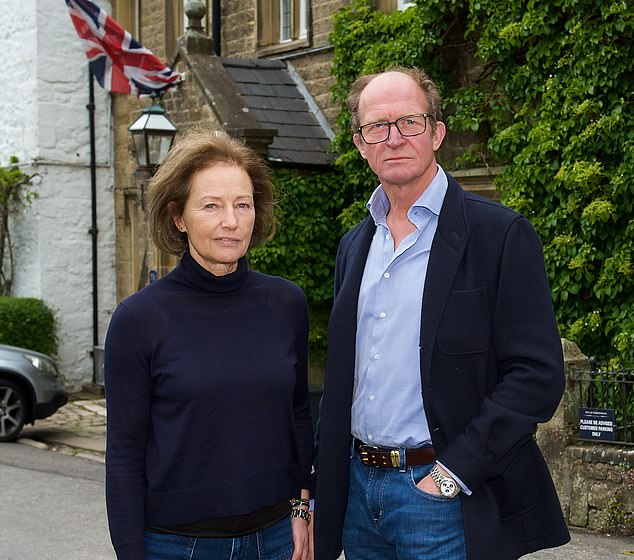
Charles Bowman, a hotelier who runs a Grade II-listed property in the Forest of Bowland, Lancashire, has spoken out about the dire situation. He told The Mail on Sunday that the rising costs could determine whether his business survives or not.
"The Government could help us with these price rises, rather than benefiting through extra VAT. They should also take the [green] levies off," he said.
Bowman and his wife Louise, who employ 98 people at the 25-bedroom Inn At Whitewell, describe the current costs as a "stranglehold." They have absorbed many of the extra taxes to avoid increasing room rates and meal prices, hoping to keep attracting customers.
The building cannot install solar panels due to its location, and it is in a valley unsuitable for wind turbines. Additionally, it does not have an electricity connection strong enough for heat pumps, leaving the hotel entirely reliant on oil and gas for power.
Soaring Fuel Prices
The Iran war has caused heating oil prices to skyrocket, rising from 65p a litre in January to as much as £1.30 a litre in early March, before falling back to around 90p. Bowman noted that LPG costs have also risen sharply since the beginning of the year, even before the conflict began.
Data shows that refill charges for 47kg industrial-size butane canisters rose from about £95 to £126 between December and March, a 26 per cent increase. However, prices in some areas have since dropped below £100 this month.
Margaret Major, managing editor of the Fuel Oil News trade publication, highlighted that while only 7% of UK businesses use bottled gas, this figure jumps to 17% in rural counties. This means that small and medium-sized businesses in remote areas are particularly vulnerable.
"It will be the rural small and medium businesses which are hardest hit by these price increases," she added. As supply costs have surged, so too has the Government's 20% VAT on both fuel types, which is passed on to customers.
Calls for Relief
Sarah Chapman-Hughes, who runs the 11-bedroom Mortal Man hotel in Troutbeck, Lake District, is making "zero" profit and is calling for green taxes on her LPG bills to be removed. She described the climate change levy as a "joke."
"Can anyone in Government say they care about the climate? Probably not, otherwise they would have got on with developing different sources of power," she said.
Chapman-Hughes expects LPG costs to soar to £3,500 a month from the autumn, adding, "We don't have a choice because of where we are located."
Gary Shorrock, who runs The Old Post Office tearoom in Troutbeck with his wife Jane, believes rural hospitality businesses are being "unfairly targeted" simply because of their location.
"We use fuel oil, which averaged 65p a litre then went up to £1.31 when the war started before falling back. But the Government should have acted immediately to reduce VAT," he said.
"For small businesses in hospitality, it's very difficult. We have two full-time and two part-time staff but my wife has been working 14-hour days."
Industry Body Demands Action
Allen Simpson, chief executive of UK Hospitality, wrote to the Chancellor last week, stating that the sector is facing "extreme cost pressures and is fragile." He called for Rachel Reeves to intervene and "reduce the risk that viable businesses are lost."
The industry body has requested targeted support, including a VAT cut, extending business rate discounts given to pubs to the rest of the sector, and relief on "non-commodity" charges on energy bills.
A Treasury spokesman responded, saying, "We have the right economic plan – we're reforming business rates to back hospitality, with a £4.3 billion support package to limit bill rises, alongside capping corporation tax at 25 per cent, cutting red tape and taking action on the cost of living to boost the sector."
Post a Comment for "Country hotels urge chancellor to ease fuel price crisis impact"