
Delhi Police Scandal Unfolds
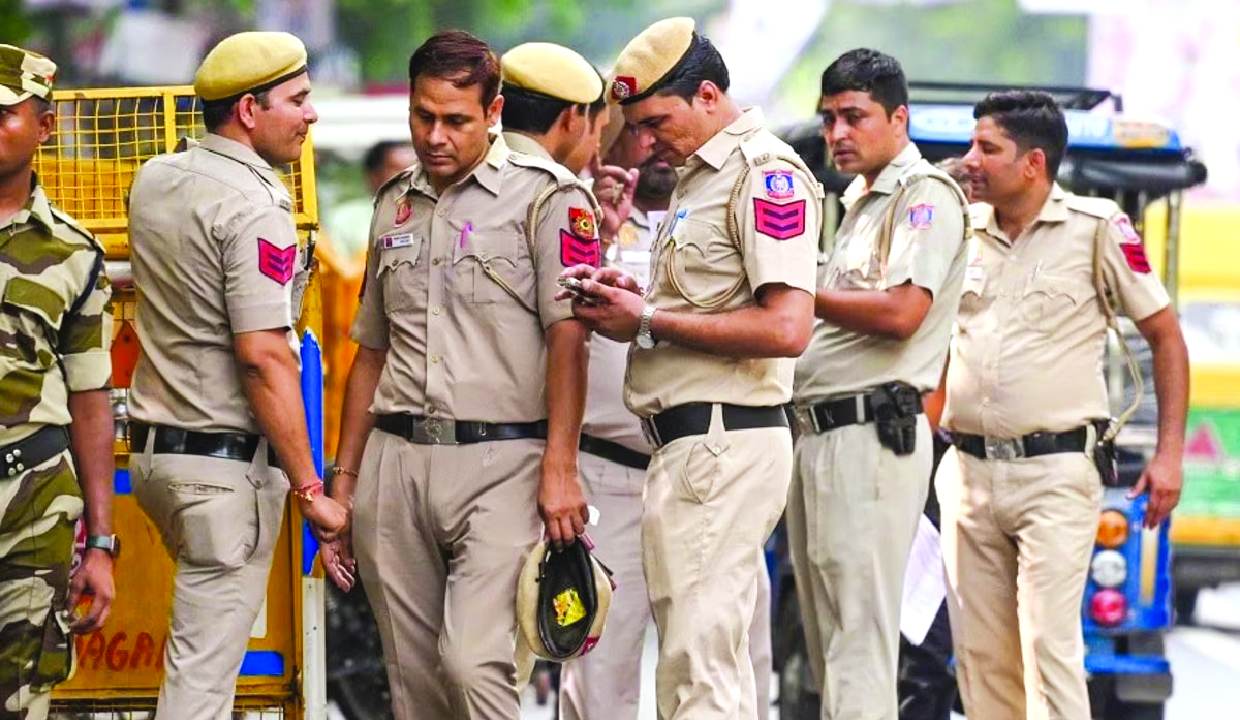
Uncovering a Web of Alleged Corruption within Delhi Police
India, May 17 — A recent arrest by the Central Bureau of Investigation (CBI) has sparked a broader inquiry into what appears to be a deeply embedded network within the Delhi Police's policing structure. The arrest of Inspector Subhash Yadav, a member of the narcotics unit in Dwarka district, is at the center of this probe. According to sources, the CBI is investigating allegations of bribery and corruption involving Yadav, which have led to a wider examination of potential links between him and senior police officers.
Close Ties and Financial Transactions
Preliminary findings suggest that Yadav had unusually close connections with certain senior officers, raising questions about whether these relationships extended beyond professional boundaries. Investigators are now looking into whether some officers indirectly benefited from alleged proceeds of crime, including through the acquisition of high-end vehicles and other assets. The investigation has uncovered financial transactions allegedly exceeding Rs 100 crore, according to sources.
At least three police officers who previously worked in the region are also under scrutiny, although no formal charges have been filed against them. The Sunday Guardian has chosen not to name them, as the allegations remain unproven at this stage.
The Role of the CBI in the Probe
The case came to light after the CBI registered a bribery and corruption case against Yadav. During searches conducted as part of the operation, investigators reportedly recovered around Rs 48 lakh in cash from premises linked to the inspector. This discovery led to a deeper examination of financial trails, with agencies analyzing banking records, property links, and suspected benami transactions connected to individuals under scrutiny.
Sources indicate that the CBI suspects the alleged corruption network may not have operated in isolation. They are investigating whether there was supervisory protection or informal patronage within the policing hierarchy. Officials are focusing on whether senior officers were aware of, facilitated, or benefited from the alleged activities linked to Yadav.
Institutional Sensitivity and Government Oversight
Given that the probe involves the Delhi Police, which operates under the Union Ministry of Home Affairs, the investigation is being closely monitored at a very senior level within the government. The institutional sensitivity of the case is heightened due to its connection with the narcotics enforcement structure of the national capital's police force.
Historical Context and Institutional Assumptions
Sources within Delhi Police headquarters mentioned that Yadav's proximity to members of the building and construction community had long been discussed informally within police circles. However, serving and retired officers cautioned against drawing direct conclusions solely from such associations. They emphasized that officers posted at police station and field levels routinely interact with individuals from various business, political, and social backgrounds as part of their duties.
Retired IPS officers and long-serving police officials noted that in cases involving corruption and bribery, investigators often view local police personnel as conduits for illegal collections and informal networks. They pointed out that whenever such allegations have surfaced, it has typically been assumed that any sustained arrangement would require awareness or protection at higher supervisory levels.
However, they stressed that these observations are generic institutional assessments and should not be interpreted as evidence against any individual officer in the current case.
Reviving Attention on Past Investigations
This case has reignited attention on a series of corruption and misconduct investigations involving Delhi Police personnel in recent years. Multiple serving and retired officers, including inspectors, ACP-rank officials, and those attached to specialized units, have faced scrutiny in separate cases related to extortion, bribery, organized crime protection, and misuse of authority. However, comprehensive official data on the total number of Delhi Police personnel investigated by the CBI in recent years is not publicly available.
Vulnerability of Narcotics Enforcement
The investigation has acquired additional institutional sensitivity because the alleged network operated within the narcotics enforcement structures. This area is considered particularly vulnerable to corruption due to high-value seizures, cash transactions, and the discretionary powers exercised by enforcement personnel.
External Influences and Ongoing Developments
According to persons familiar with the matter, the CBI is examining allegations that intervention from influential quarters may have initially slowed or complicated coercive action during the early phase of the inquiry. These aspects are currently under verification. The developments come at a time when CBI Director Praveen Sood has received a one-year extension beyond May 2026.
No Official Statements
The CBI has not issued any official statement regarding the alleged involvement of officers. Similarly, Delhi Police has not publicly commented on the matter. The allegations against those under scrutiny remain unproven unless established through investigation and court proceedings.
Post a Comment for "Delhi Police Scandal Unfolds"