
The Rise of Prediction Markets and the Shadow of Insider Trading
Prediction markets have long been seen as a revolutionary tool for forecasting global events. Advocates argue that these real-money betting platforms can predict political upheaval, elections, and geopolitical crises more efficiently than traditional analysts. However, this promise has come with concerns about the potential misuse of sensitive information. The recent exposure of a network of anonymous accounts on Polymarket has reignited the debate about the integrity of these markets.
A Near-Perfect Betting Record
Blockchain analytics firm Bubblemaps led an investigation into suspicious trading patterns on Polymarket. Their research uncovered nine linked accounts that reportedly earned over $2.4 million by placing highly successful wagers on US military actions related to Iran. These accounts won 98% of their bets across more than 80 trades, raising serious questions about how they achieved such accuracy.
The traders correctly predicted the timing of US military strikes, the reported removal of Iranian Supreme Leader Ali Khamenei, and the announcement of a temporary ceasefire linked to the conflict. According to Nicolas Vaiman, co-founder and CEO of Bubblemaps, the odds of such accuracy occurring naturally are extremely low. He described the pattern as "the most insane" found on Polymarket so far, suggesting that luck alone could not explain the results.
Suspicions of Insider Trading
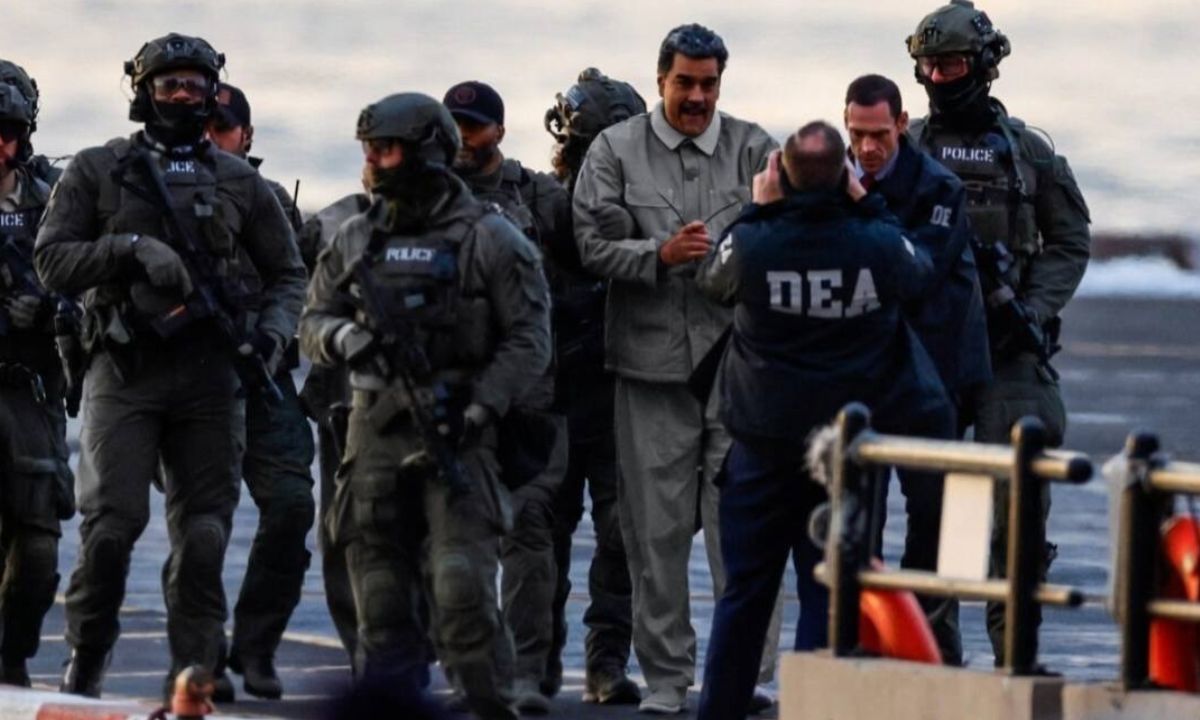
The revelations come at a time when concerns about insider trading in prediction markets are growing. Just weeks prior, federal prosecutors charged US Army Master Sergeant Gannon Ken Van Dyke with allegedly using classified information to place profitable bets on another international conflict. According to prosecutors, Van Dyke used advance knowledge of a US operation targeting Venezuelan President Nicolás Maduro to make over $400,000 through Polymarket wagers. He has pleaded not guilty to the charges.
This case has intensified fears that prediction markets could become vulnerable to insider trading involving military operations and state intelligence. Former Commodity Futures Trading Commission lawyer Rob Schwartz told CBS News that prediction markets may represent "a new kind of insider trading."
Transparency Meets Anonymity
Prediction markets operate through blockchain technology, which creates a unique contradiction. All trades remain publicly visible and traceable on-chain, allowing analysts to track wallet activity, transaction histories, and betting behavior in real time. Yet, the identities behind those wallets often remain anonymous. This balance between transparency and secrecy has become central to the debate surrounding platforms like Polymarket.
In a statement shared with CBS News, Polymarket said it had developed extensive market surveillance systems designed to detect suspicious activity. The company stated: "When our systems identify suspicious activity, we act — including through referrals to law enforcement and cooperation with investigations." Polymarket also cited the Van Dyke prosecution as evidence that its compliance systems were functioning effectively.
Growing National Security Concerns
The controversy now extends beyond financial regulation. Investigators and legal observers fear that unusual betting activity tied to military operations could create broader national security risks. Analysts monitoring prediction markets may detect patterns suggesting military action before governments formally announce them.
Bubblemaps investigator 'Deebs', a former US military officer whose identity remains concealed for security reasons, warned that hostile states or foreign intelligence agencies could potentially monitor these markets for strategic signals. "Other adversaries may be using this information in order to plan their own strategy," he told CBS News.
CBS News also reported that federal investigators are examining suspicious oil futures trades placed shortly before former President Donald Trump announced progress in negotiations linked to the Iran conflict. No criminal charges have been filed in relation to those trades.
The Future of Prediction Markets
For supporters of prediction markets, insider information may improve forecasting accuracy. Critics, however, argue it creates a system where those closest to military and political power gain unfair advantages over ordinary participants. As regulators continue examining the sector, the controversy surrounding Polymarket may become a defining test of whether prediction markets can operate fairly while handling bets tied to war, diplomacy, and global security.


No comments:
Post a Comment