
Jim Chalmers backs tax reforms for young investors
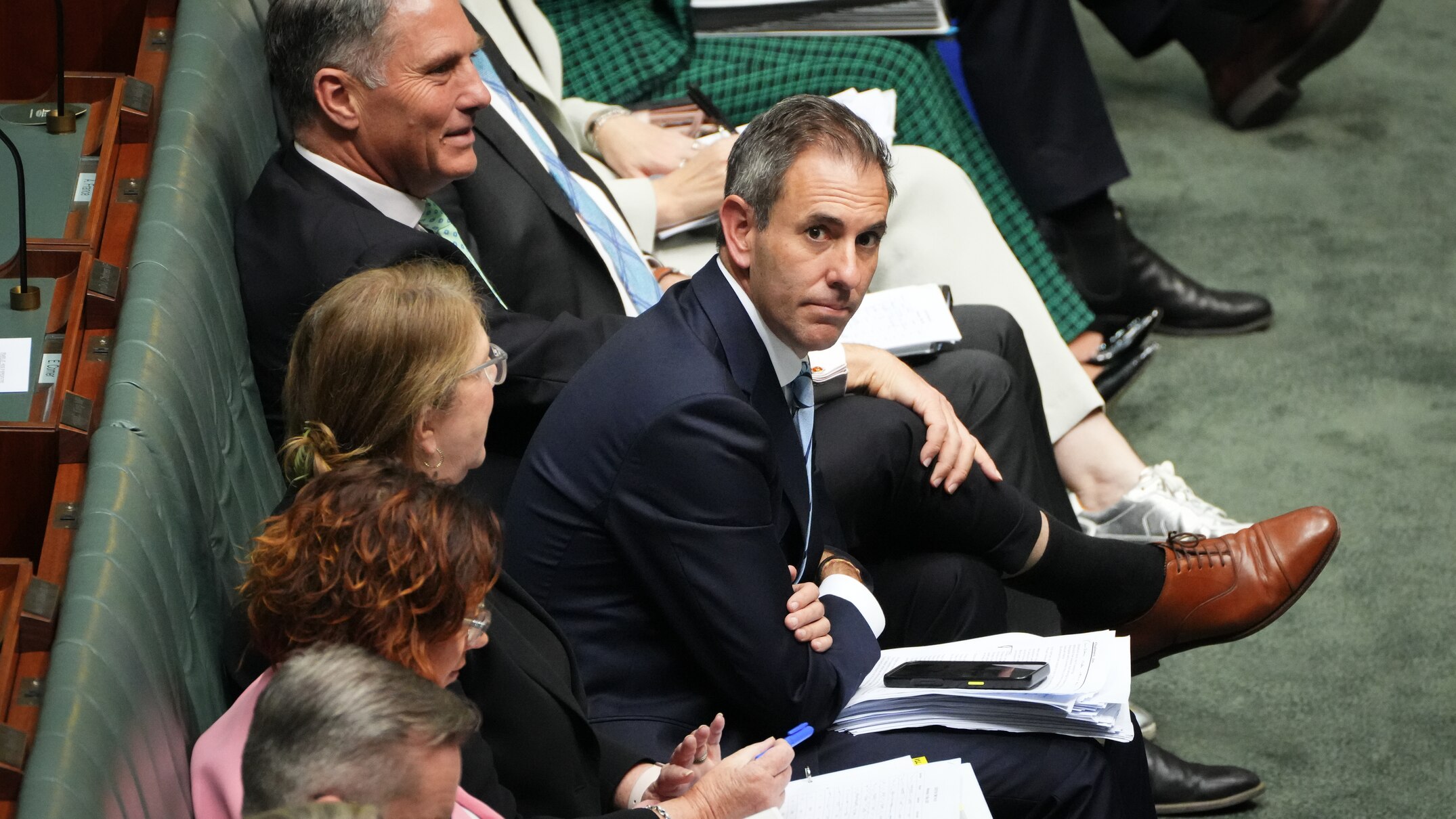
Government's Tax Changes and Their Impact on Young Australians
Treasurer Jim Chalmers has addressed concerns about the government’s proposed tax changes, particularly how they may affect young people who use the share market and rentvesting to save for a home deposit. The federal budget introduced plans to reduce the Capital Gains Tax (CGT) discount and eliminate negative gearing for all but new homes, with a provision to grandfather existing assets.
Critics argue that targeting CGT, which applies to various investments including new shares and cryptocurrencies, could limit one of the few avenues for wealth growth available to young people. However, Mr. Chalmers defended the changes, stating that under current CGT rules, shares had been "under compensated" for two decades. He emphasized that the reforms aim to encourage investment based on economic outcomes rather than tax benefits.
"We're taking one of the big distortions out of the market," he said during an appearance on Insiders. "By taking that distortion out of the system, it is a fairer more neutral treatment of investment."
The Coalition has pledged to reverse Labor's tax reforms if elected. Shadow Treasurer Tim Wilson criticized the changes as "knee-capping" self-starters. He pointed out that young Australians are increasingly investing in shares, ETFs, and crypto. "The idea that the treasurer can dictate to Australians their pathway, their dreams, their success, is not just arrogant, it's ignorant," he said.
Rentvesting and New Builds
Mr. Chalmers clarified that rentvesting would still be an option for those purchasing newly built homes. Rentvesting is a strategy where individuals rent a home that suits their lifestyle while buying a property in a more affordable area to enter the property market.
"They can continue to do that for the home that they already own, and they continue to do that in the future for new builds, which would be a very positive contribution that they would be making to our communities," he explained.
However, some experts have warned that rentvestors could face challenges if they purchase new homes, as the value of such properties may depreciate faster than land values increase. Mr. Chalmers noted that rentvestors represent a small proportion of people under 35.
"In terms of numbers, its much less than 5 per cent of people under 35 have got rental income, but that includes owner-occupiers and includes people who are positively and negatively geared," he said. "Well under 5 per cent of people under 35 are doing this."
Prime Minister Anthony Albanese highlighted the benefits of rentvesting in new builds, stating that it helps boost housing supply. "The difference is that not only will they be building an asset and wealth for themselves, they will be building an asset and wealth for the nation at the same time, boosting supply," he said.
Opposition's Tax Policy and Criticisms
Opposition Leader Angus Taylor criticized the government's tax changes during his budget reply speech, vowing to scrap them and introduce a plan to index income tax brackets to inflation. The proposal would save the average taxpayer around $250 in the first year and about $1,000 annually from the fourth year. However, the opposition has not provided details on how the plan would be funded.
Mr. Chalmers called the scheme "irresponsible," arguing that it would add a quarter of a trillion dollars to national debt over the decade. He also pointed out that the government’s tax changes would help fund the Working Australian Tax Offset (WATO), a $250 annual tax break for 13 million workers starting in July 2028. The WATO would cost $6.4 billion in the first two years.
Mr. Taylor dismissed the WATO as a "smokescreen" for potential future income tax increases. "This betrays the fact that the government plans to raise income taxes," he said. "The faster inflation goes up, the faster they hike them. Our plan is to contain them."
He estimated the costings for the plan over six years at around $22 billion.
Your View on the Federal Budget
How might the federal budget affect you? What questions do you have about the proposed changes? Share your thoughts and experiences.
Post a Comment for "Jim Chalmers backs tax reforms for young investors"