
A federal judge has issued a ruling that prevents immigration agents from arresting individuals inside New York City’s immigration court. This decision comes after the Immigration and Customs Enforcement (ICE) agency mistakenly informed officers that such arrests were permissible. The situation led to chaotic scenes as agents outside courtroom doors swiftly detained thousands of immigrants immediately after their hearings.
In a letter to a federal judge in March, the top federal prosecutor in Manhattan expressed “regret” over a previous memo that incorrectly suggested ICE officers could arrest people within immigration courthouses. The memo was later clarified by ICE officials, who stated that the policy does not apply to immigration courts, regardless of location.
District Judge Kevin Castel had previously declined to strike down the policy, but after the government's admission, he issued a new order to “correct a clear error and prevent a manifest injustice.” He noted that his previous decision relied on an erroneous premise that ICE agents could arrest individuals in immigration court.
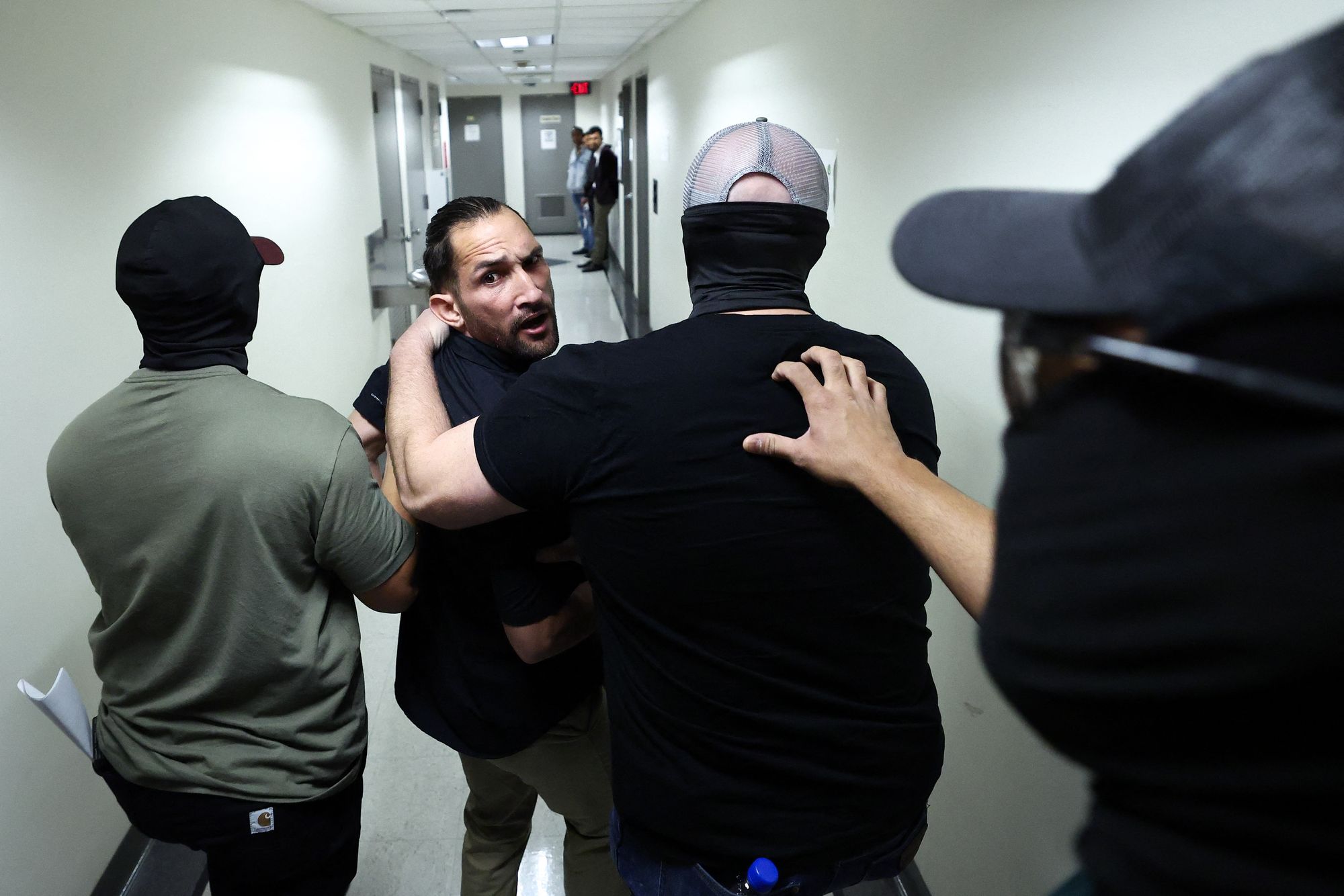
Unlike federal district courts, immigration courts operate under the Department of Justice at the direction of the attorney general. Last year, the Trump administration ordered immigration judges to dismiss most cases when immigrants attended their court-mandated hearings, making them vulnerable to immediate arrest and removal before they could appeal.
This policy led to scenes of masked agents patrolling courthouse hallways and removing immigrants, resulting in what critics described as “ambush”-style arrests that violated due process protections. A separate case last year saw another federal judge criticize the practice as a “game of detention roulette.”
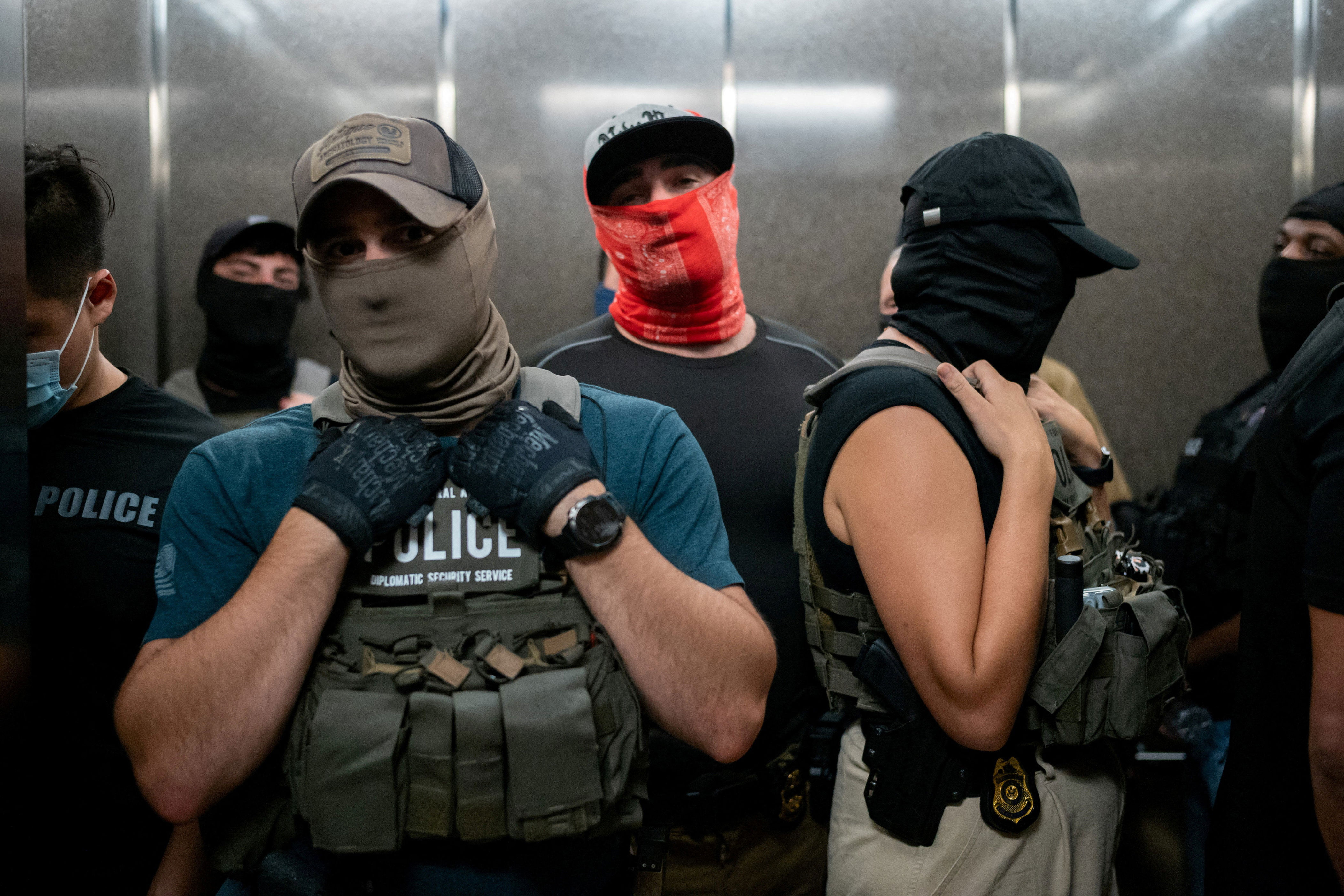
A lawsuit filed by advocacy groups The Door and African Communities Together challenged what they called the Trump administration’s “sweeping, unprecedented campaign of targeting noncitizens” in immigration courts. In a memo sent to all Enforcement and Removal officers on March 19, ICE’s assistant director of field operations, Liana Castano, clarified that the agency’s arrest policy does not apply to immigration courts, regardless of their location.
U.S. Attorney Jay Clayton in Manhattan blamed ICE and its legal team for informing his office that the memo applied to immigration courthouse arrests. He wrote to Judge Castel that the error appeared to have occurred because of agency attorney error.
Monday’s ruling was hailed as a significant victory for noncitizen New Yorkers seeking to attend their immigration court proceedings. Amy Belsher, director of Immigrants’ Rights Litigation at the New York Civil Liberties Union, stated that for nearly a year, masked ICE officers had ambushed noncitizens in courthouse hallways, causing family separations and other severe consequences.
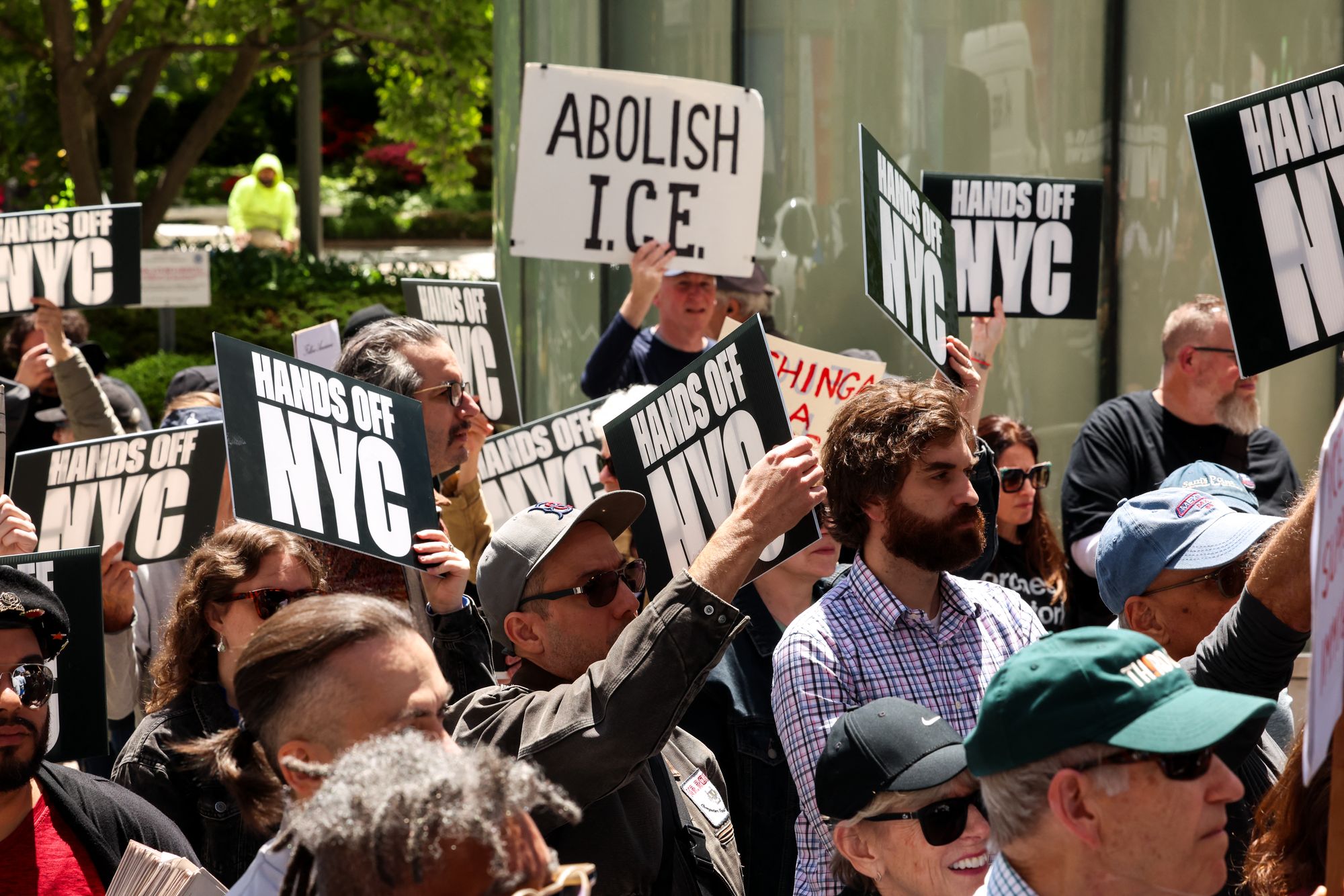
In a statement, the Department of Homeland Security claimed it is “common sense to take illegal aliens into custody following the completion of their removal proceedings.” A spokesperson added, “Nothing prohibits arresting a lawbreaker where you find them,” and expressed confidence in being vindicated in the case.
Immigrant advocacy groups suing ICE over these arrests argued that there is no evidence the agency engaged in reasoned decision-making when implementing the policy. They highlighted the immediate and severe harms faced by real people with families, jobs, and medical appointments who were arrested upon leaving courtrooms.
The groups emphasized that each noncitizen now faces a difficult choice: attend mandatory hearings and risk unlawful arrest or avoid the hearings and live under the threat of in absentia removal orders. The harms caused by the policy have been profound, affecting employment, family unity, and access to medical care.
The Independent has always maintained a global perspective. Built on a firm foundation of superb international reporting and analysis, The Independent now enjoys a reach that was inconceivable when it was launched as an upstart player in the British news industry. For the first time since the end of the Second World War, and across the world, pluralism, reason, a progressive and humanitarian agenda, and internationalism—Independent values—are under threat. Yet we, The Independent, continue to grow.


No comments:
Post a Comment