
Royal Marines Sentenced for Assault on Fellow Recruit
Four Royal Marines have been sentenced to eight months of service detention after being found guilty of assaulting a fellow recruit at a bar in Exeter. The incident, which occurred in July last year, involved the four men fracturing the cheekbone of Recruit Anton Mills.
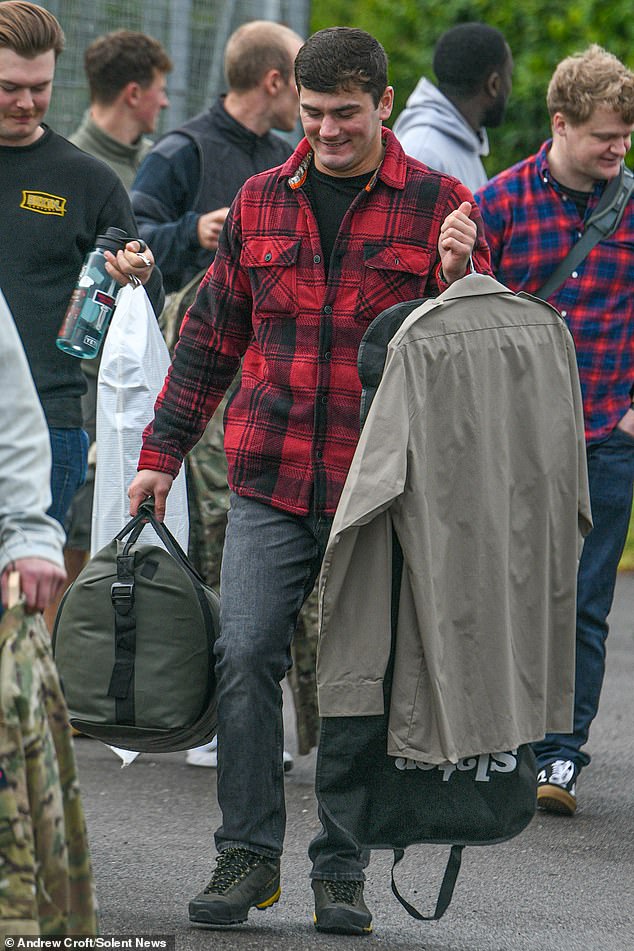
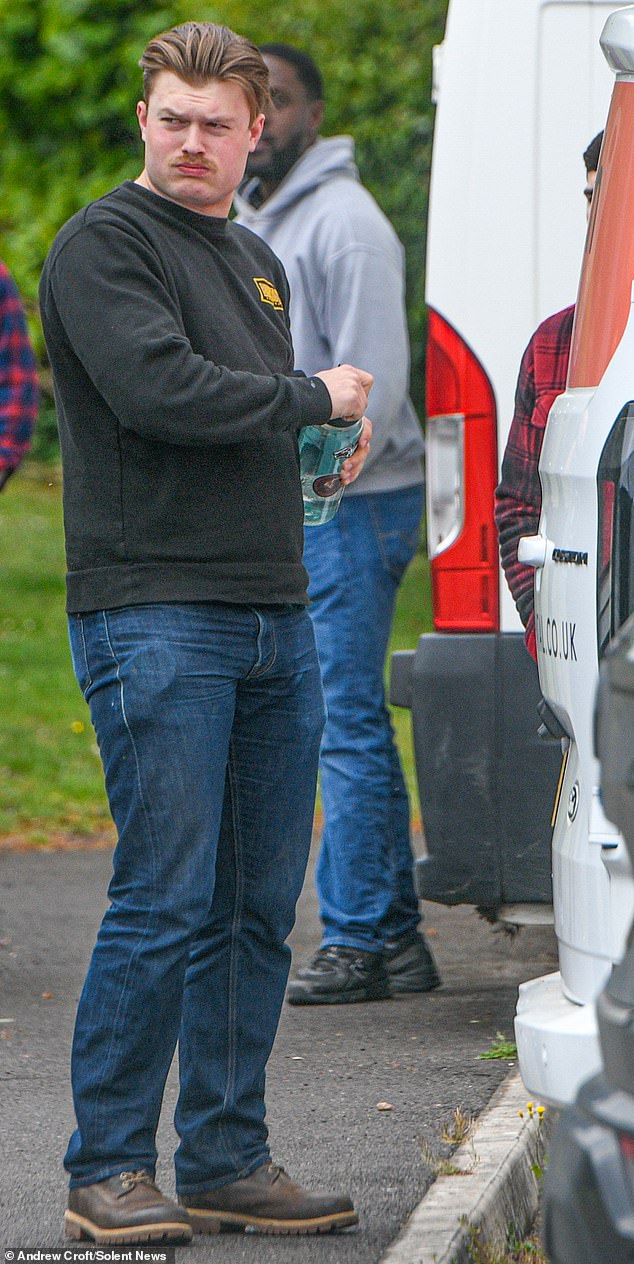
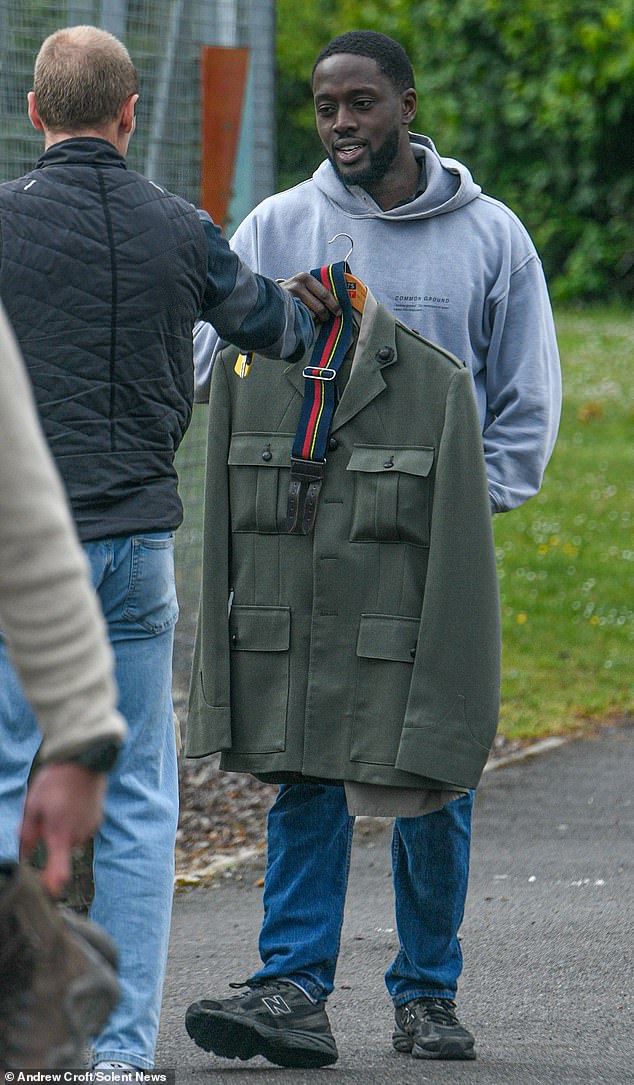
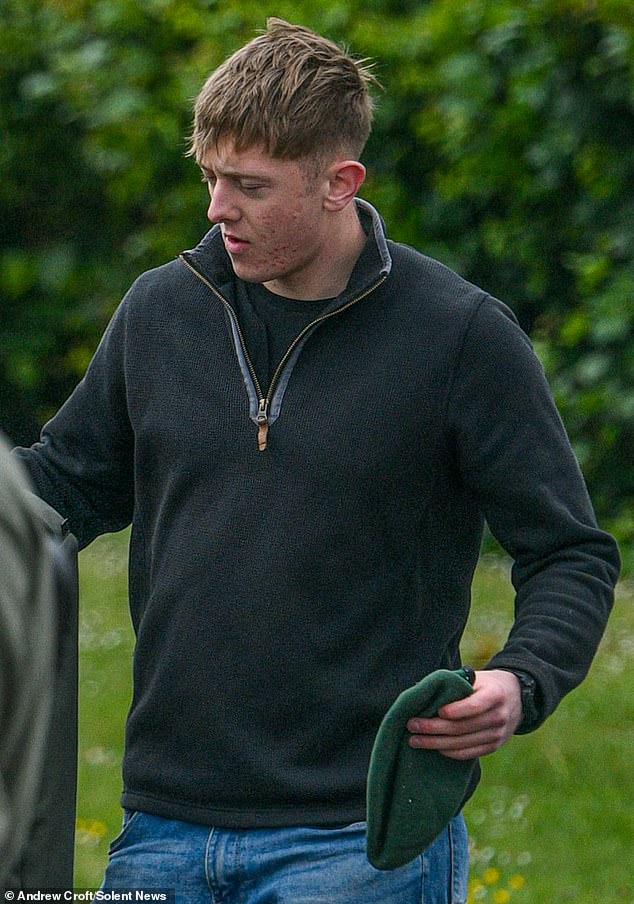
Eathen Bradley-Moor, 22, Shaun Joash, 25, Lucas Johnson, 22, and Ben O'Callaghan, 23, appeared before Bulford Military Court in Wiltshire after pleading guilty to assault. They were part of the 377 Troop and were stationed at the Commando Training Centre in Lympstone, Devon, alongside Rct Mills, who was part of the 382 Troop.
The court heard that the four recruits had recently returned from a week-long training exercise when they decided to go out drinking. During their time at The Botanist bar, they encountered Rct Mills, who was described as "drunk and annoying" and had been speaking to a friend of his ex-girlfriend.
Details of the Incident
According to the prosecution, Rct Mills had been drinking most of the day and was engaging in conversation with a woman. At one point, he squeezed her neck, which was not welcomed by her. The four defendants did not know that Rct Mills had a connection to the woman.
Bradley-Moor and Johnson started an altercation, leading to the assault. Bradley-Moor pushed over Rct Mills, and another recruit encouraged him to leave, but he refused. This led to a more serious assault, with all four men involved. They punched Rct Mills onto the floor and then continued to punch and stamp on him while he was on the ground.
Bystanders attempted to intervene, and security was called to defuse the situation. However, the assault had already resulted in Rct Mills sustaining a fractured cheekbone in three places.
Impact on the Victim
In a victim statement read to the court, Rct Mills described the impact of the incident on his training and morale. He stated that he was unable to continue with his training and was placed in 100, which is for injured recruits. He also mentioned that he has become more aware of his surroundings, especially when out or after drinking.
Rct Mills expressed feelings of betrayal, as the attack was carried out by individuals he had trained with. He questioned whether he should have joined the Royal Marines, given the experience.
Defense Arguments
Lieutenant Commander Andrew Pandyan, defending three of the accused, highlighted that the recruits had recently returned from a week-long field training, which could have contributed to fatigue and stress. He argued that the incident was spontaneous and stemmed from a loss of control rather than premeditated violence.
He noted that Marine Johnson played a leading role in the assault, but it was not his intention for the situation to escalate. The defense emphasized that the actions were impulsive and not indicative of the recruits’ usual behavior.
Sentencing and Compensation
Judge Advocate General Alan Large sentenced the four men to eight months of service detention at Colchester, Essex. He acknowledged that none of the defendants had prior disciplinary issues but emphasized the severity of the assault.
The judge pointed out that the incident took place in a public setting and that many people were aware of the service personnel involved. Despite this, he decided against dismissal from the service, stating that service detention was more appropriate than a prison sentence.
Additionally, the four men have been ordered to pay a total of £750 in compensation to Rct Mills.
Conclusion
The case highlights the consequences of unlawful violence within the military and the importance of maintaining discipline and respect among service members. While the four Marines have since advanced in rank, they are now serving in non-combat roles following the incident. The court’s decision reflects a balance between accountability and the potential for rehabilitation within the armed forces.


No comments:
Post a Comment