
NATO Eyes Deployment to Hormuz Strait by July if Closure Persists
NATO Considers Deployment to Strait of Hormuz
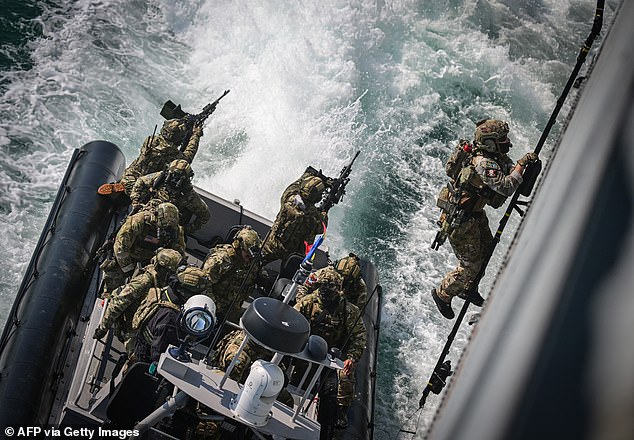
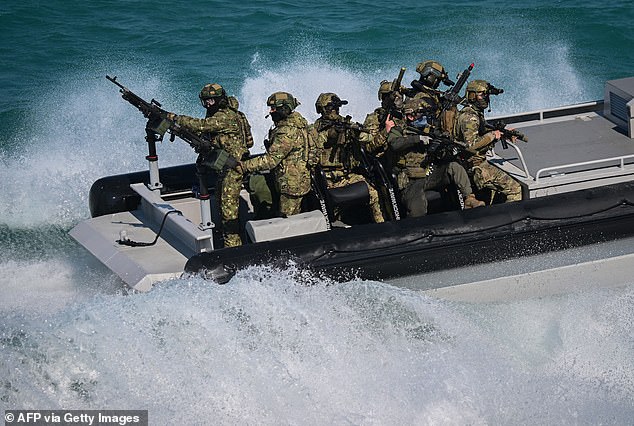
NATO is currently evaluating the possibility of sending a mission to the Strait of Hormuz if the waterway remains closed by July. The strategic waterway has been effectively blocked since late February, following Iran's deployment of its navy in response to the US and Israel's military actions against the country.
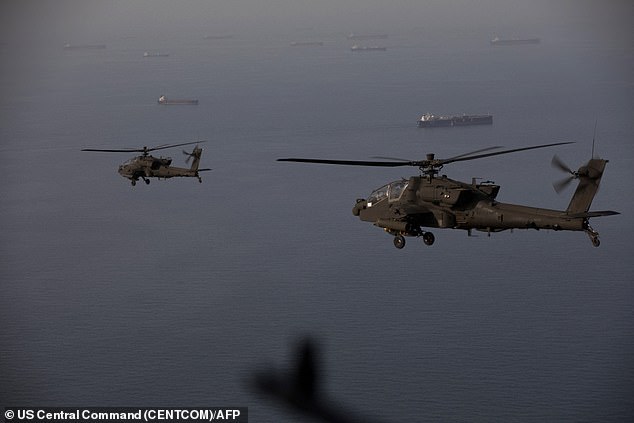
Iran continues to maintain control over the Strait of Hormuz, which serves as a critical shipping lane for global oil supplies. Despite the US military enforcing its own blockade on Iranian ports, the situation remains tense. Normally, about a fifth of all global oil passes through this strait daily. However, the closure has led to a significant increase in oil prices.
This ongoing disruption has prompted a major shift in NATO's approach to the Middle East. Although former President Donald Trump has tried to involve international partners in his conflict, the defense alliance has only committed to involvement once hostilities cease and a broad coalition, including non-NATO members, is formed.
A diplomat recently mentioned to Bloomberg that the idea of deploying a mission to Hormuz is gaining momentum, although unanimous support has not yet been achieved. A senior NATO official added that while some member states still oppose authorizing such a mission, they may eventually support it if the blockade persists.
The conflict in Iran has caused divisions within NATO. Some member states, like Spain, have refused to participate and denied Trump access to their bases, while others have allowed the US to use their facilities for logistical support. Trump has criticized his NATO allies for their reluctance to engage in his war, leading to the decision to withdraw 5,000 troops from Germany.
Trump, who sees himself as an effective dealmaker, has faced challenges with Iran as his tough rhetoric, threats, and military actions have failed to alter Tehran's stance. With shifting goals making it difficult to assess the status of the US effort, Trump and his advisors have claimed the US has already won the war and that Iran is ready to negotiate after escalating US threats during a fragile ceasefire.
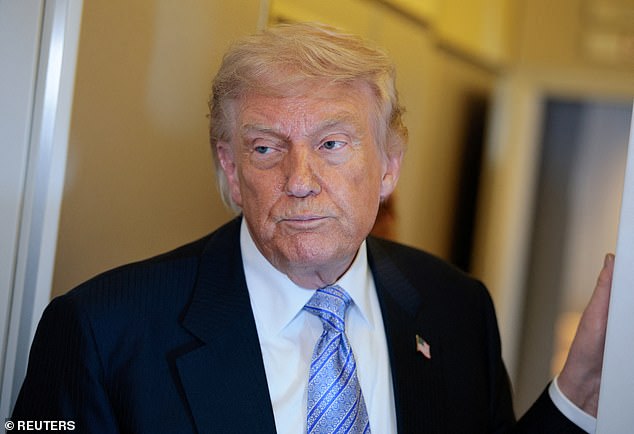
However, Trump recently postponed plans for renewed attacks on Iran at the request of Gulf Arab states, stating that "serious negotiations are now taking place" and that "a Deal will be made, which will be very acceptable to the United States of America, as well as all Countries in the Middle East, and beyond."
In response to these developments, US Treasury Secretary Scott Bessent called on allies to more aggressively disrupt Iran's financial networks. He announced that the Treasury would update its sanctions list to make it easier for financial institutions to identify sophisticated terrorist financing schemes.
Bessent emphasized the need for European partners to take action against Iran by designating its financiers, uncovering shell companies, closing bank branches, and dismantling proxies. He also urged Middle Eastern and Asian participants to eliminate Iran's shadow banking networks.
As the Trump administration seeks to pressure Iran into reopening the Strait of Hormuz to restore vital oil flows disrupted by US-Israeli attacks, the US Treasury has intensified its sanctions efforts under a program called 'Economic Fury.' This initiative aims to disrupt Iran's shadow banking networks and has frozen nearly half a billion dollars worth of cryptocurrency linked to the Iranian regime.
To enhance effectiveness, the Treasury plans to modernize its sanctions framework, as adversaries continuously adapt and innovate by creating new shell companies. Most US Treasury sanctions target individuals, companies, and entities listed on the Specially Designated Nationals List, which includes tens of thousands of designees cut off from the dollar-based financial system.
'To sharpen national security outcomes, Treasury is tailoring our sanctions program for the 21st century. We are reviewing outdated and obsolete designations to help financial institutions focus on the most sophisticated terrorist financing and sanctions evasion schemes,' Bessent said.
He highlighted that the most effective sanctions are aggressive and targeted, noting that prolonged sanctions without visible behavioral changes can lead to unintended consequences. 'Sanctions are meant to change behaviour, not to punish populations,' Bessent stated. 'Sanctions left in place for years with no visible and tangible changes in behaviour can have generational impacts that are nearly impossible to predict.'
Bessent concluded that the Treasury's approach would ensure agility to maximize effectiveness, citing examples of easing sanctions on Syria and Venezuela after regime changes as evidence of the Trump administration's intent to adjust sanctions accordingly.
Post a Comment for "NATO Eyes Deployment to Hormuz Strait by July if Closure Persists"