
A Dental Nurse’s Ordeal After a False Methamphetamine Test
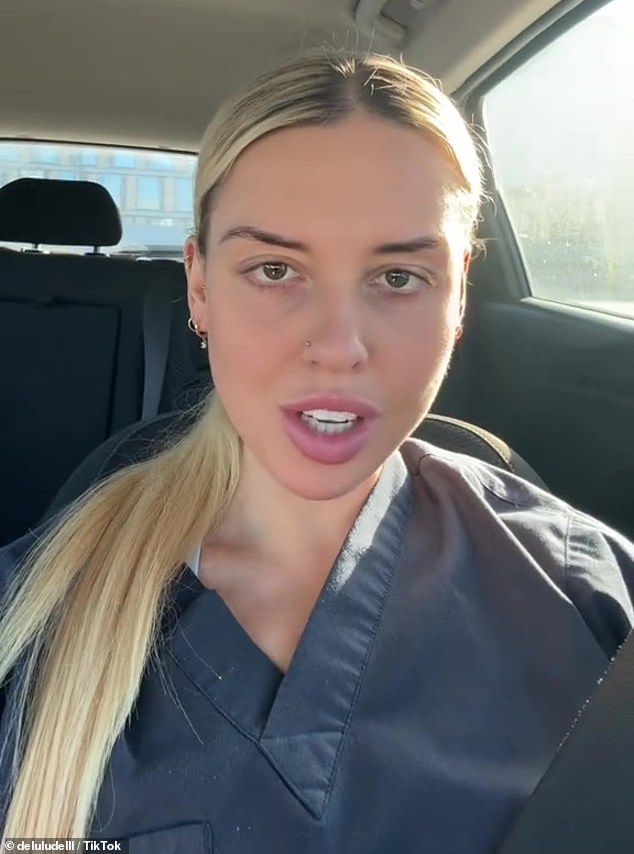
A young dental nurse in Sydney found herself in an unexpected and distressing situation after testing positive for methamphetamine during a roadside drug test. The incident, which left her in tears and facing the possibility of losing her license, highlights the growing concerns around the accuracy of these tests.
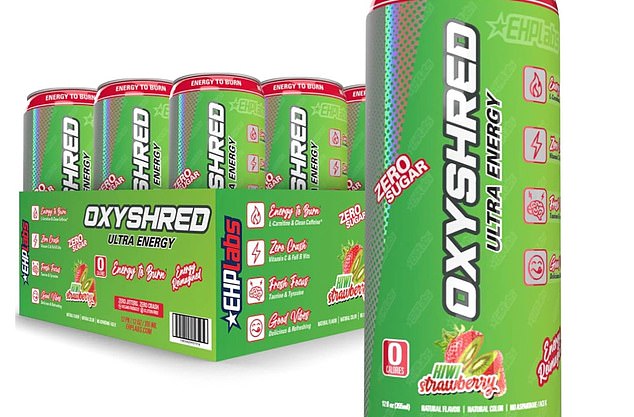
The woman, who was driving home from a gym session, had consumed a can of OxyShred, a popular post-gym energy drink. She claims she had no intention of consuming any illicit substances and was shocked when the police informed her that she tested positive for meth.
The Roadside Test Experience
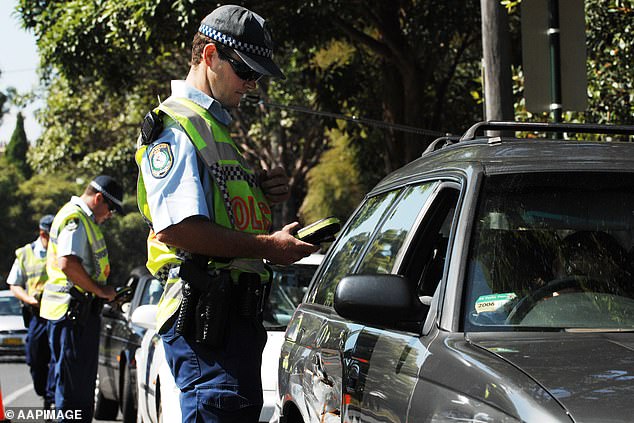
The ordeal began when the woman was pulled over for a random roadside drug test. After a breath test, the officers conducted a saliva test, commonly referred to as a 'lick test.' This initial screening tool is designed to detect the presence of certain drugs. However, it is not always reliable, and the results can sometimes be misleading.
As she waited for the results, the officer returned with the news that she had tested positive for meth. "I thought he was having a laugh with me," she said. "I asked, 'Sorry, what?'"
The woman was taken into a testing van for further swabs, which were later sent to a laboratory for analysis. She described the moment as one of panic and emotional distress, bursting into tears as she was led away.
Legal Expertise on Roadside Testing
Traffic law expert Karen Stanley emphasized that the roadside saliva tests are only preliminary screenings. If a driver tests positive, they may be required to undergo a second test. This often involves a second saliva sample collected in a mobile testing unit and sent to a lab for confirmation.
Stanley pointed out that these tests are known to be inaccurate. "They're not that accurate and do regularly give false positives," she said. "People can get an immediate disqualification from that."
False Positives and Their Consequences
False positives can occur due to various factors, including legal medications or ingredients that mimic the chemical structure of illicit drugs. Stanley explained that this can lead to serious consequences, such as the loss of a driver's license, even before the final lab results are confirmed.
The woman claimed she repeatedly told the officers that she had not taken any methamphetamine. "In my head, I'm like, excuse me, sir, I didn't even go out on Anzac Day," she said. "How can I test positive to meth?"
She also asked the officer about the frequency of false positives during roadside testing. He reportedly told her they were rare, with a 94% accuracy rate. However, she felt the officer was rude and treated her like a drug addict.

The Third Test and the Aftermath
After being given a third test by the police, the results came back negative, and she was cleared to leave. However, Stanley warned that things could have been much worse. "That's the police going over and above what they have to do," she said. "People lose their licence this way. Imagine if you were a truck driver or something and that's your job and your livelihood gone."
The woman later used ChatGPT to analyze the ingredients in OxyShred and determine if it could have caused the false positive. According to the AI, the bitter orange extract and other components in the drink might have triggered the result.
Social Media Response and Warnings
The woman shared her experience on social media, warning others about the potential risks of drinking OxyShred before being pulled over for a drug test. Her video has received over two million views, with many people sharing similar stories.
"I never touched cocaine and mine came up positive for that," one person commented. Another added, "As a FIFO worker, the first thing nurses ask before being tested is if we have had a pre-workout or supplement because it comes up."
Conclusion
This incident underscores the need for greater awareness and understanding of the limitations of roadside drug tests. While they serve as an important tool for law enforcement, their inaccuracies can have serious consequences for innocent individuals. As more people share their experiences, there is a growing call for improved testing methods and clearer guidelines to prevent such situations in the future.


No comments:
Post a Comment