
Putin Visits China for Talks with Longtime Ally Xi Jinping
Strategic Ties Between Russia and China Strengthen Amid Global Shifts
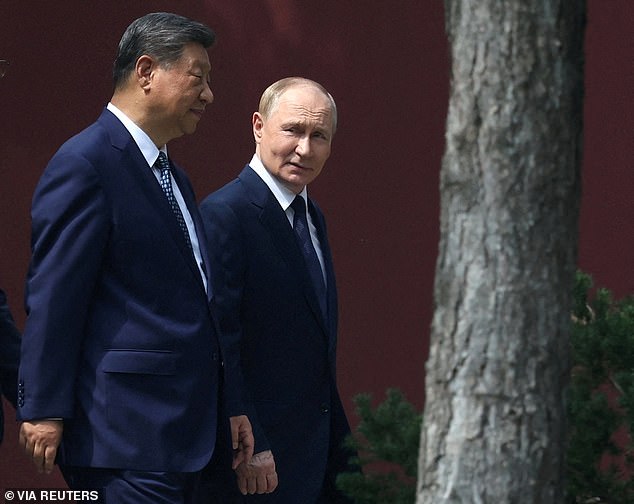
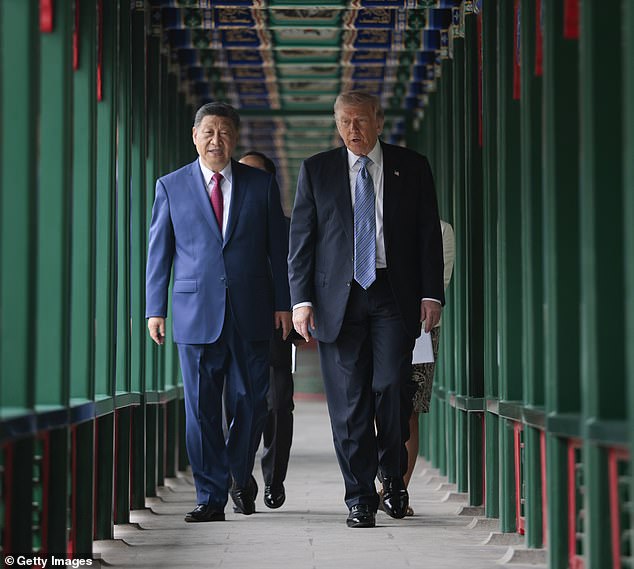
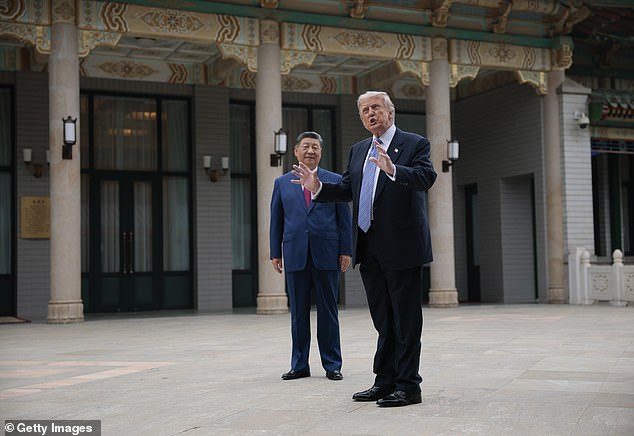
Russian President Vladimir Putin has arrived in Beijing for a high-level meeting with Chinese President Xi Jinping, marking another significant step in the deepening relationship between the two nations. This visit comes just four days after former U.S. President Donald Trump concluded his state visit to China, highlighting the shifting dynamics of international diplomacy.
The talks between Putin and Xi were confirmed shortly after Trump's departure, signaling the importance of the bilateral relationship. During their discussions, both leaders are expected to focus on strengthening the strategic partnership between Russia and China while exchanging views on key international and regional issues.
Since Russia's invasion of Ukraine in 2022, the relationship between Moscow and Beijing has grown increasingly close. Putin has visited Beijing every year since the conflict began, underscoring the evolving nature of their alliance. With Russia facing diplomatic isolation and economic challenges, China has emerged as a critical partner, becoming the main buyer of sanctioned Russian oil.
To set a warm tone for the visit, the two leaders exchanged congratulatory letters on Sunday to commemorate 30 years of their countries' strategic partnership. According to Chinese state media, Xi emphasized that cooperation between Russia and China has "continuously deepened and solidified." In a video message released on Tuesday, Putin highlighted the "unprecedented level" of their relationship, noting that trade between the two nations continues to grow.
"The close strategic relationship between Russia and China plays a major, stabilizing role globally. Without allying against anyone, we seek peace and universal prosperity," Putin stated, without directly addressing any third country.
A Contrast in Diplomatic Approaches
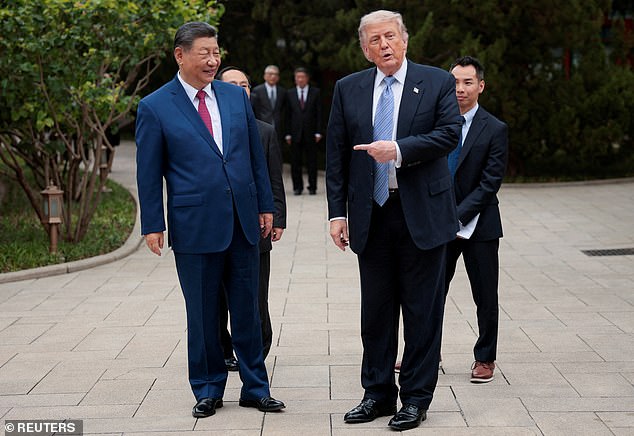
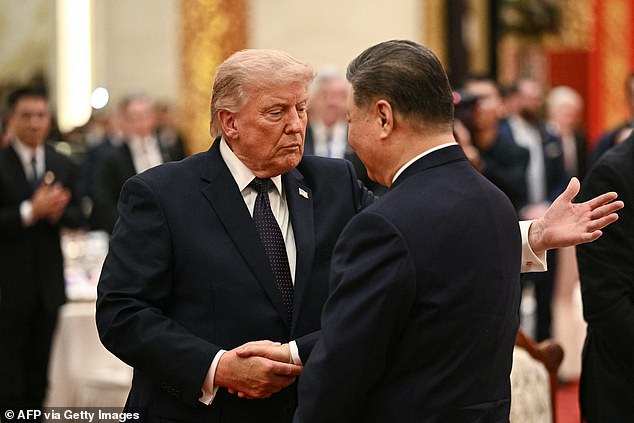
The upcoming joint declaration between Putin and Xi is expected to be a significant outcome of the talks. This contrasts sharply with Trump's recent visit to China, which marked the first state visit by a sitting U.S. president in nearly a decade. The purpose of Trump's visit was to stabilize the turbulent relations between the U.S. and China, but it yielded limited results.
When Putin last visited Beijing in September 2025, Xi welcomed him as an "old friend," a term he did not use for Trump during the latter's visit. Putin, in turn, referred to Xi as his "dear friend," aiming to reinforce the perception that their relationship remains unaffected by Trump's visit.
Despite Trump's efforts to engage China, including inviting top U.S. business figures such as Elon Musk, Tim Cook of Apple, and Jensen Huang of Nvidia, the visit resulted in little concrete outcomes. China did not commit to helping end the war in Iran or provide clarity on its stance regarding Taiwan. Instead, Trump returned with vague promises of potential deals between U.S. and Chinese firms.
Rush Doshi, director of the China Strategy Initiative at the Council on Foreign Relations, noted that the visit was "heavier on symbolism than on substance." He pointed out that the focus was more on managing problems rather than solving them, emphasizing "a lot of pomp, pageantry, and symbolism but not a lot of substance or deliverables."
Patricia Kim from the Brookings Institution observed that the Xi-Putin relationship does not require the same level of performative reassurance as the U.S.-China dynamic. Both sides view their ties as "structurally stronger and more stable" compared to those with the United States.
Balancing Interests and Priorities
While Beijing has consistently called for dialogue to end the war in Ukraine, it has never condemned Russia for its military actions, positioning itself as a neutral party. Trump and Xi discussed Ukraine during their meeting, but no breakthrough was achieved. Kim suggested that Xi will likely inform Putin about his summit with Trump, and the lack of clear outcomes from the meeting may reassure Moscow that Xi did not reach any agreements that could undermine Russian interests.
According to the Financial Times, Xi reportedly told Trump during their talks that Putin might eventually regret the invasion of Ukraine. He also asked Trump whether he was willing to collaborate with China and Russia to challenge the International Criminal Court.
Putin is expected to seek further commitments from China to support Moscow, especially after Trump mentioned that Beijing had agreed to purchase U.S. oil to meet its energy needs. Given Russia's reliance on sales to China to sustain its war effort, "Putin does not want to lose that support," according to Lyle Morris of the Asia Society.
Energy and Regional Dynamics
Morris added that Putin will likely ask Xi about China's next steps in the Middle East, following Trump's signals that Beijing should play a leading role. However, when it comes to the U.S.-Israel conflict with Iran, China and Russia may have differing priorities.
James Char of Singapore's Nanyang Technological University explained that China relies on the freedom of major waterways for its economic activities and would prefer the standoff in the Strait of Hormuz to end quickly. In contrast, Moscow has benefited economically from the conflict due to relaxed sanctions on Russian energy supplies.
After meeting Xi in April, Russian Foreign Minister Sergei Lavrov stated that Russia could "compensate" for China's energy shortages caused by the war affecting global supplies. Joseph Webster of the Atlantic Council noted that expanded energy ties may be a key topic during the talks, as Beijing seeks more Russian energy.
From Moscow's perspective, shipping more oil east could become more attractive given Ukraine's ongoing campaign targeting Russian energy infrastructure.
Post a Comment for "Putin Visits China for Talks with Longtime Ally Xi Jinping"