
Revolutionary de-extinction success: Scientists hatch live chicks from artificial egg
A Groundbreaking Achievement in De-Extinction
Scientists have made a remarkable breakthrough by successfully hatching live chicks from a fully artificial egg, marking a significant step forward in the field of de-extinction. This achievement opens new possibilities for bringing back long-extinct species and could revolutionize how we approach conservation and genetic engineering.
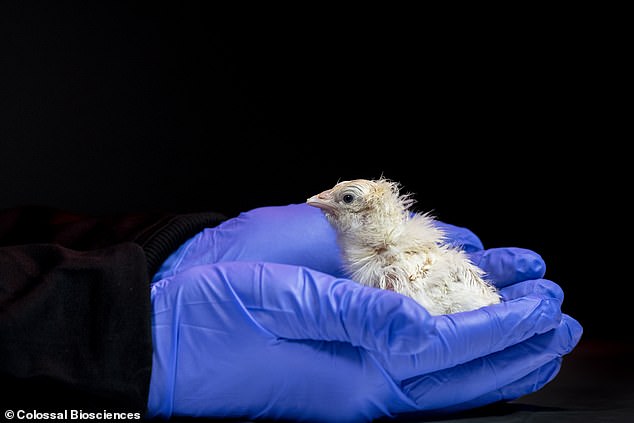
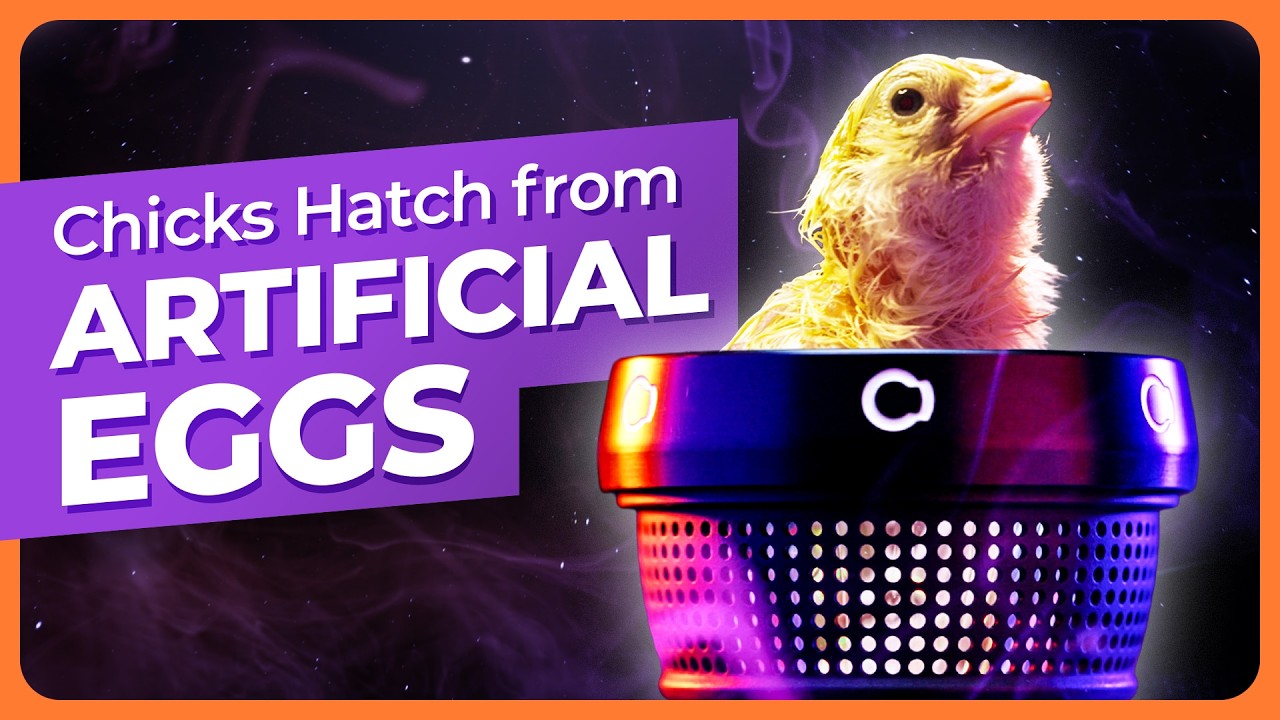
Colossal Biosciences, a company known for its ambitious plans to resurrect the woolly mammoth, has developed the first-ever shell-less incubation system that closely mimics a natural egg. The team was able to take early bird embryos, place them into an artificial shell, and incubate them for 18 days while they developed. Once ready, the chicks hatched and are now living healthy lives.
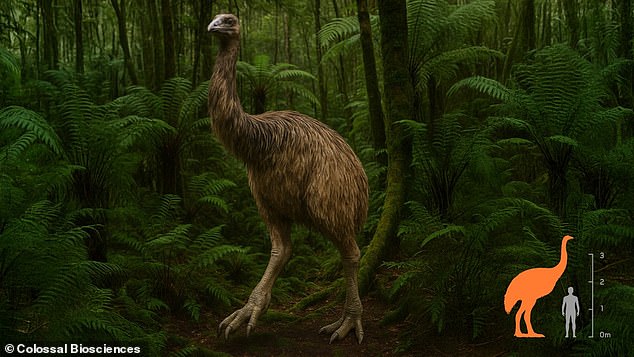
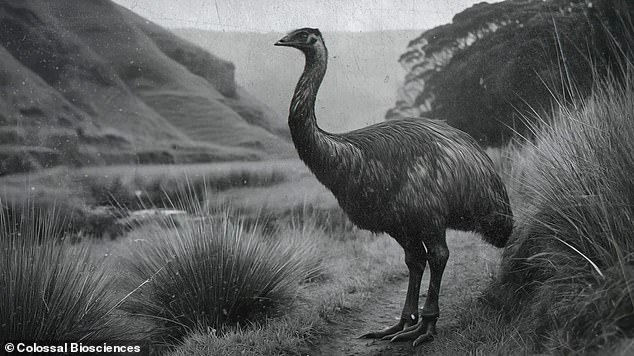
This development is a critical milestone for Colossal's plan to de-extinct the South Island giant moa, an enormous bird that stood over 3.6 meters tall and weighed more than 230 kilograms. It also serves as a stepping stone for the eventual creation of an artificial womb.
How the Artificial Egg Works
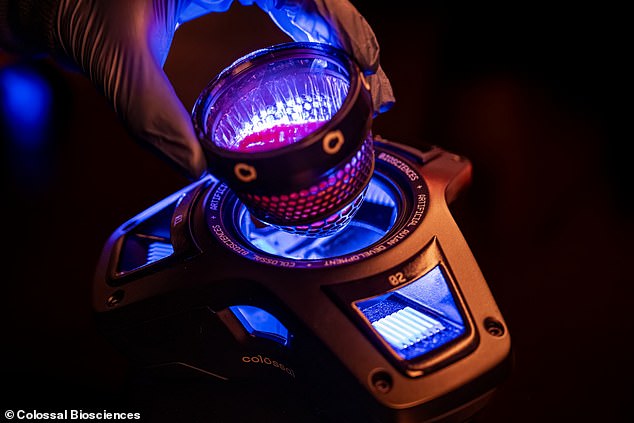
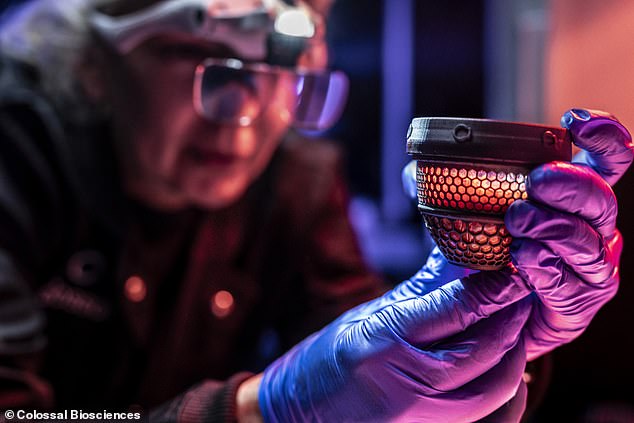
The artificial egg device consists of a 3D-printed strong outer shell structured like a lattice to provide protection and rigidity. Within this layer is a silicone-based membrane that allows oxygen to diffuse into the system. Unlike previous attempts, which required large volumes of pure oxygen that caused DNA damage, this design allows oxygen to naturally transfer from the atmosphere into the egg, mirroring the real-life process of oxygen entering eggshells through microscopic pores.
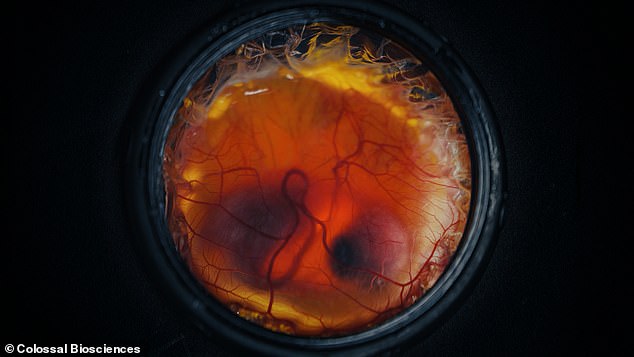
The device also features a 'window' on the top, allowing for real-time visibility into every stage of embryonic development. Colossal said its device is compatible with standard commercial incubators, is manufacturable at scale, and is adaptable to eggs of any size.
The Process of Hatching a Chick
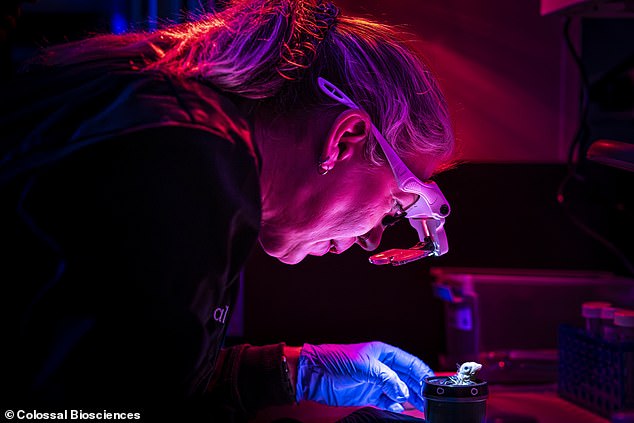
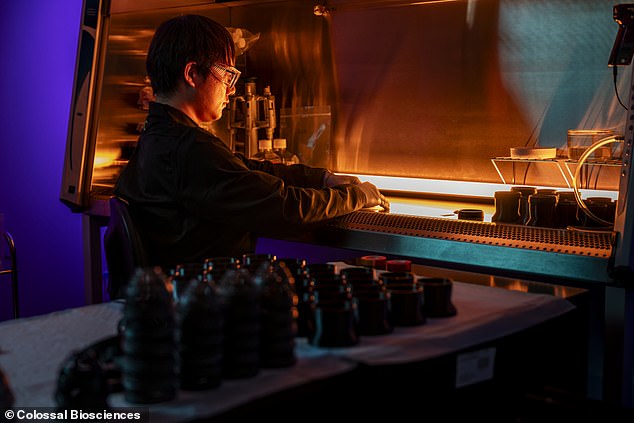
To begin the process, experts collected real chicken eggs right after they had been laid. An embryology team thoroughly examined each egg and selected the embryos that looked most likely to hatch. They then cracked the egg open very gently and transferred the contents into the artificial egg, which was then placed in an incubator. Scientists 'sprinkled' in a nutrient that helped the embryo continue to develop. After roughly 18 days, the chick started tapping against the egg to indicate it was ready to hatch.
After hatching, all chicks were put in groups and eventually moved to a 'graduation pen' outside before being relocated to a large farm.
Potential Applications Beyond De-Extinction
Colossal said its design could also benefit endangered animals at a time when more than half of bird species are in decline. "Imagine a future where we have hundreds or thousands of eggs in laboratories growing critically endangered species," it said. "These are the stepping stones that an artificial womb will be built on."
The company's plan to bring back the South Island giant moa presents an incubation challenge unlike any other species in their portfolio. Moa eggs are estimated to have been approximately 80 times the volume of a chicken egg, making them entirely beyond the capacity of any available avian surrogate. A size-scaled artificial egg is therefore critical for the de-extinction of this species.
Challenges and Expert Opinions
While some experts have cautioned that there is no published scientific paper along the announcement, which limits scientific scrutiny, others have hailed the advance as an "impressive act of bioengineering." Carles Lalueza-Fox, director of the Museum of Natural Sciences of Barcelona, noted that the most significant breakthrough lies in the permeability of the membrane, which allows gases (oxygen and carbon dioxide) to pass through.
Dusko Ilic, Professor of Stem Cell Sciences at King's College London, emphasized that recreating an extinct species would require more than just an incubation platform, including accurate genome reconstruction and appropriate development. He suggested that the most credible value may lie in applications such as embryo rescue and endangered bird conservation.
Future Prospects
Colossal Biosciences continues to push the boundaries of science with its ambitious projects. The company is not only focused on de-extinction but also on using its technology to aid in bird conservation and genetic rescue. As the field evolves, the potential for these innovations to reshape our understanding of life and biology is immense.
Post a Comment for "Revolutionary de-extinction success: Scientists hatch live chicks from artificial egg"