
Saab's Final Cars Hit the Auction Block
A Final Opportunity to Own a Piece of Saab History
The remnants of the once-legendary car company Saab are now up for sale, giving enthusiasts and collectors a rare chance to own a piece of automotive history. Seven Saab 9-3 models have been listed for auction by NEVS, the company that took over the brand after its decline.
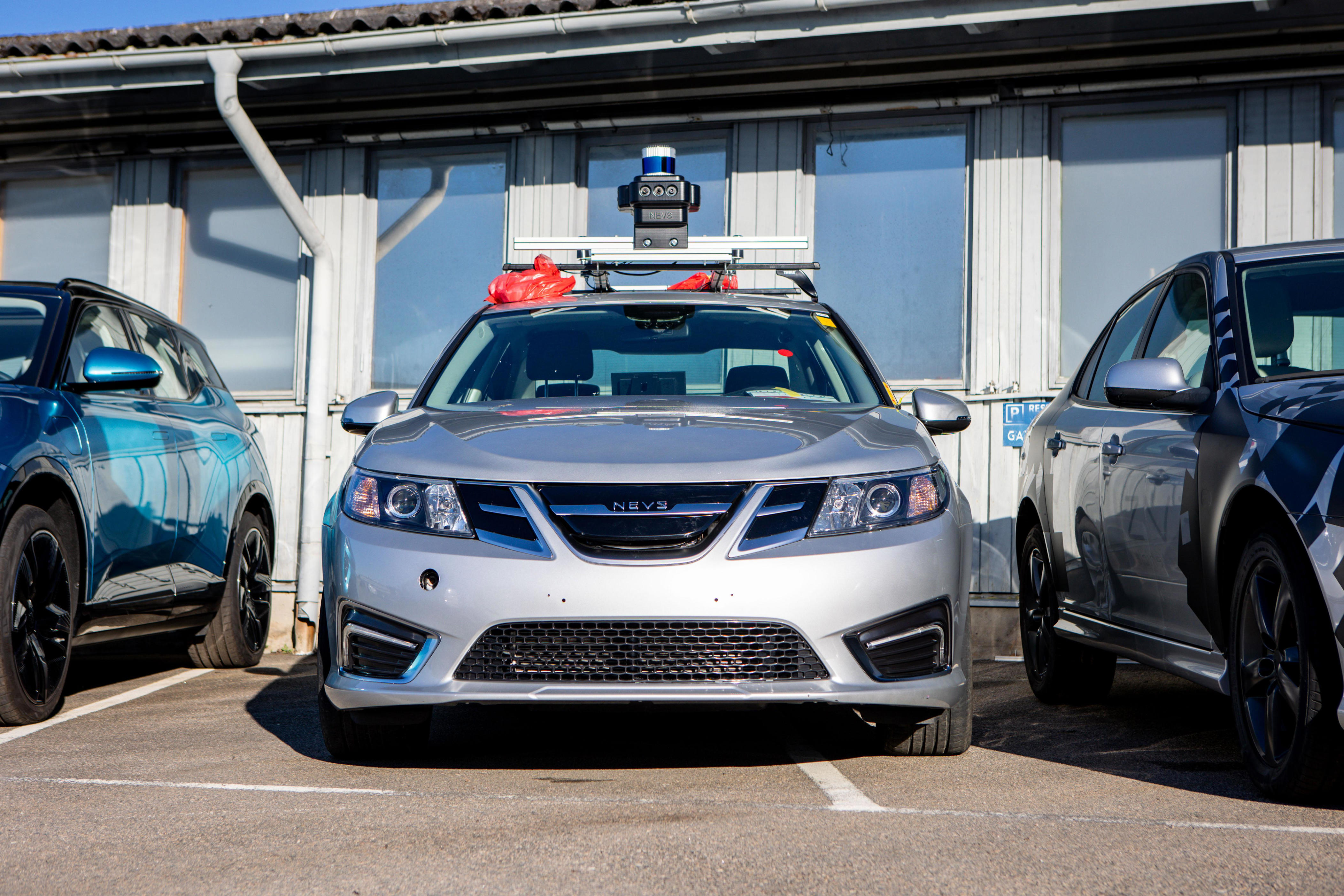
Among the vehicles are three pre-production petrol-powered cars built in Trollhättan in 2014, with mileage ranging from 18,000 to 58,000 km. These were primarily used for internal transport. Another vehicle is a Chinese-built NEVS-branded 9-3 EV with 38,000 km on the odometer. The remaining three are development prototypes from 2018, each with unique features.
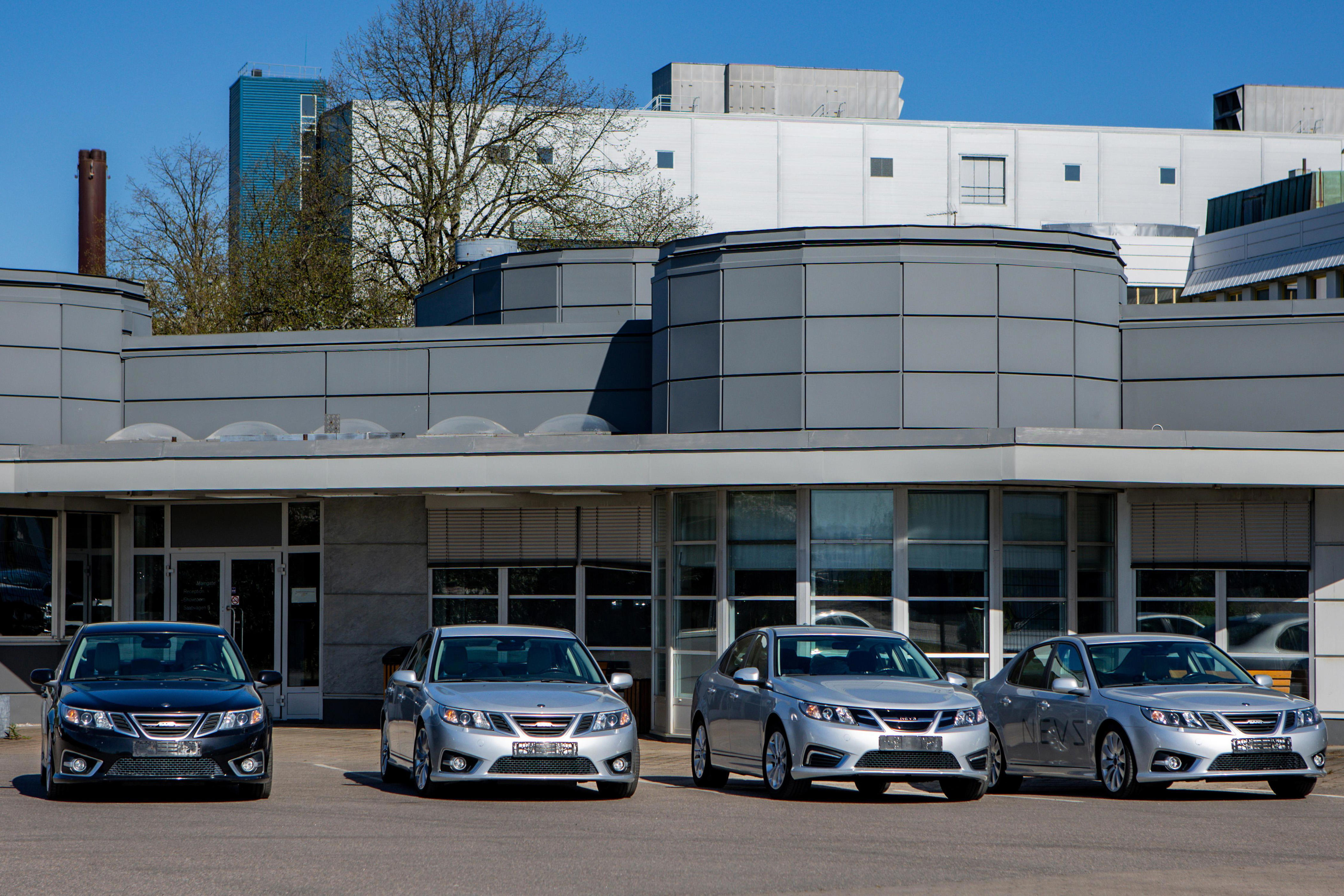
One of these prototypes features four in-wheel motors, while another uses a range extender EV drivetrain with a petrol engine acting as a generator to recharge the battery when it runs low. The last vehicle looks like a Google Street View car but is actually an autonomous driving development vehicle equipped with LIDAR technology, which is nearly a decade old.
For those interested, more information and videos about the cars can be found on the Klaravik auction website. Potential buyers can also view the cars in person at a special event at the Trollhättan factory on May 30. NEVS representatives will be present to answer questions from bidders.
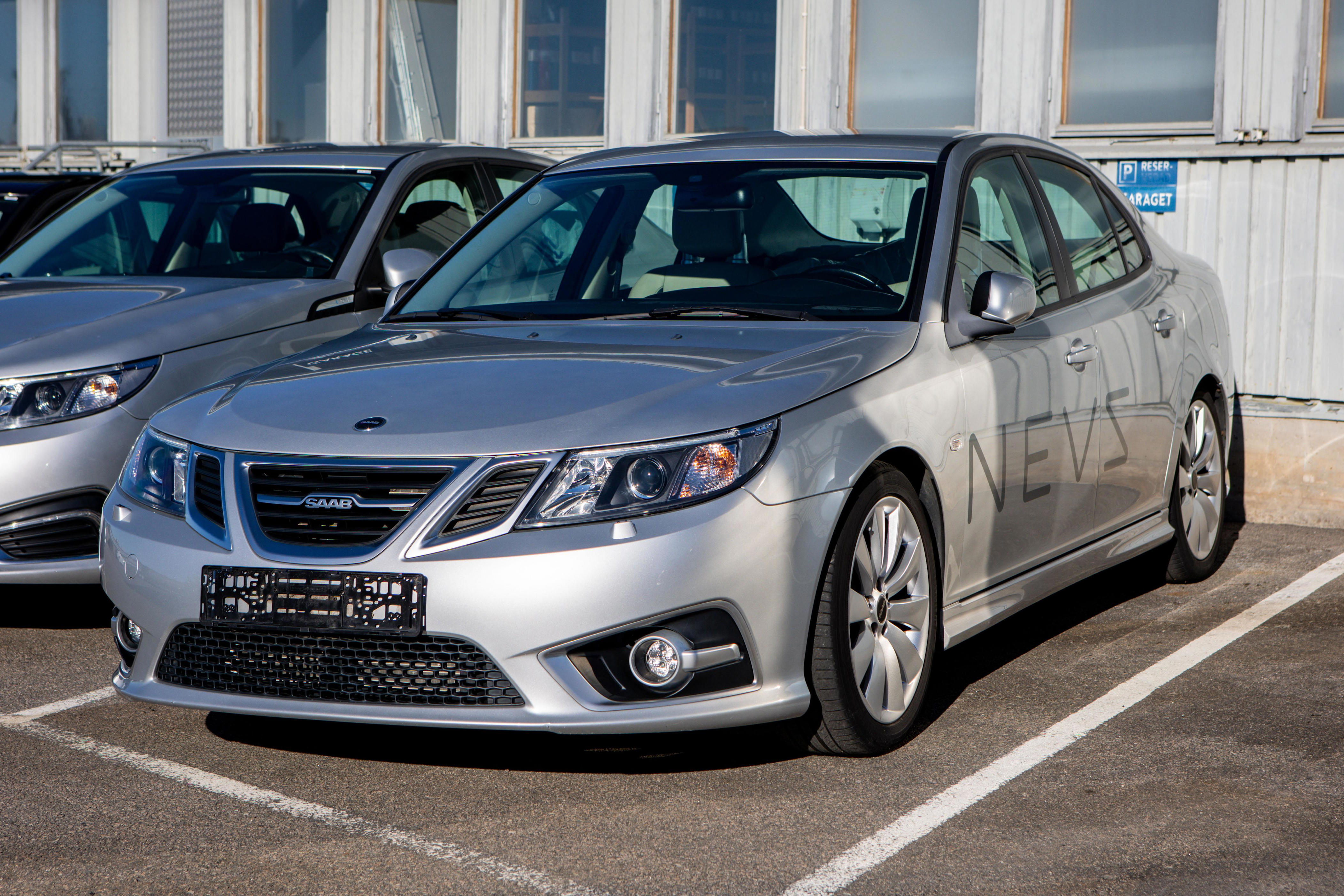
The bidding process begins on May 21 and concludes on May 30 during the in-person event. There is no reserve price set by NEVS, meaning the cars could potentially be sold for as little as one krona. Non-Swedish residents will need to register as a business to participate in the auction.
The Legacy of Saab: From Jets to Cars
All the cars available in the auction come from the NEVS era of Saab and are based on the second-generation 9-3, which first appeared in 2003. This model was based on the third-generation Opel Vectra.
Saab’s origins trace back to 1937 when it was founded as a plane manufacturer. Its name stands for Svenska Aeroplan Aktiebolaget, or Swedish Airplane Company. The company began producing cars after World War II, with the 92 entering production in 1949. In 1969, Saab merged with truck maker Scania.
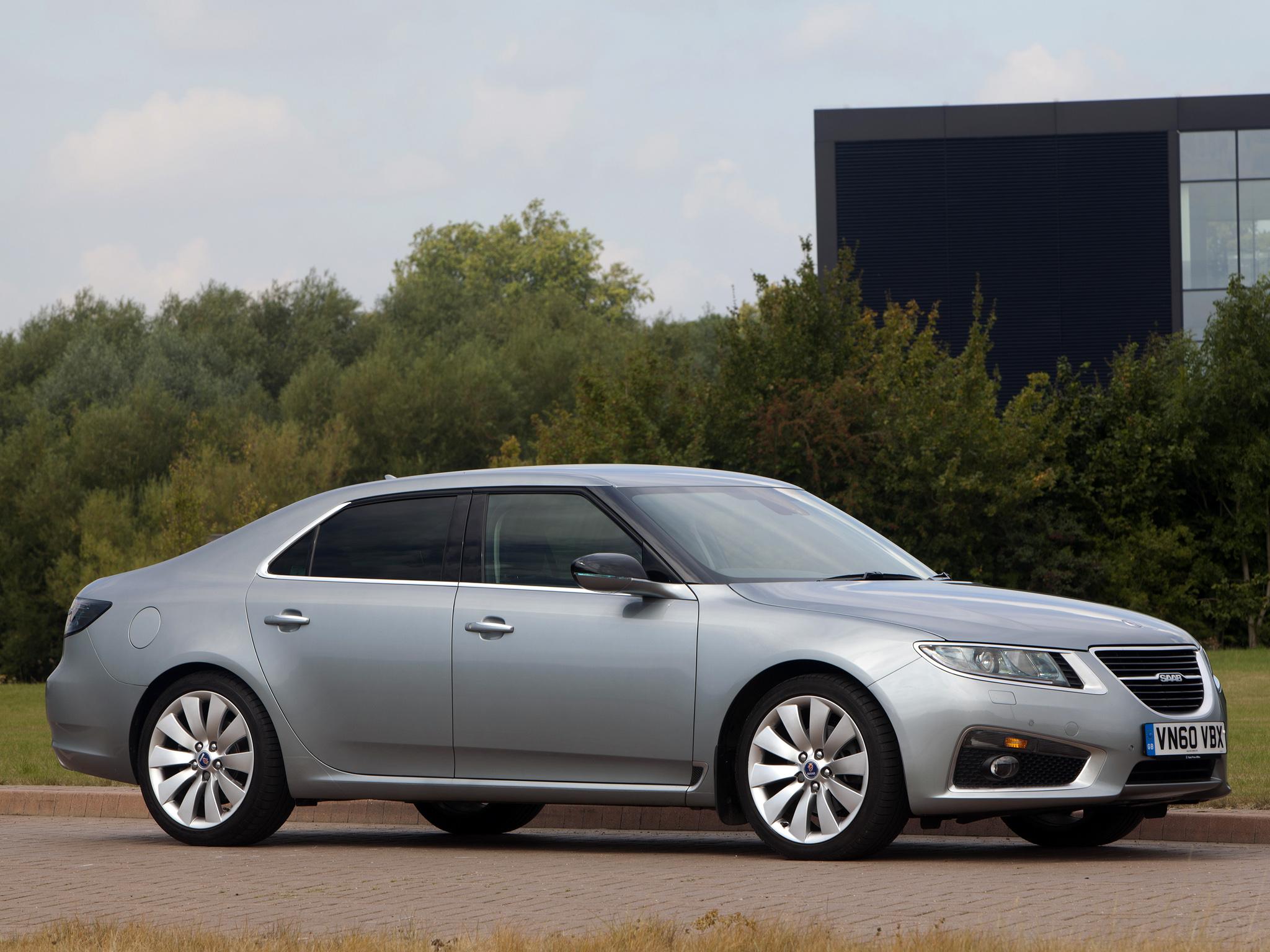
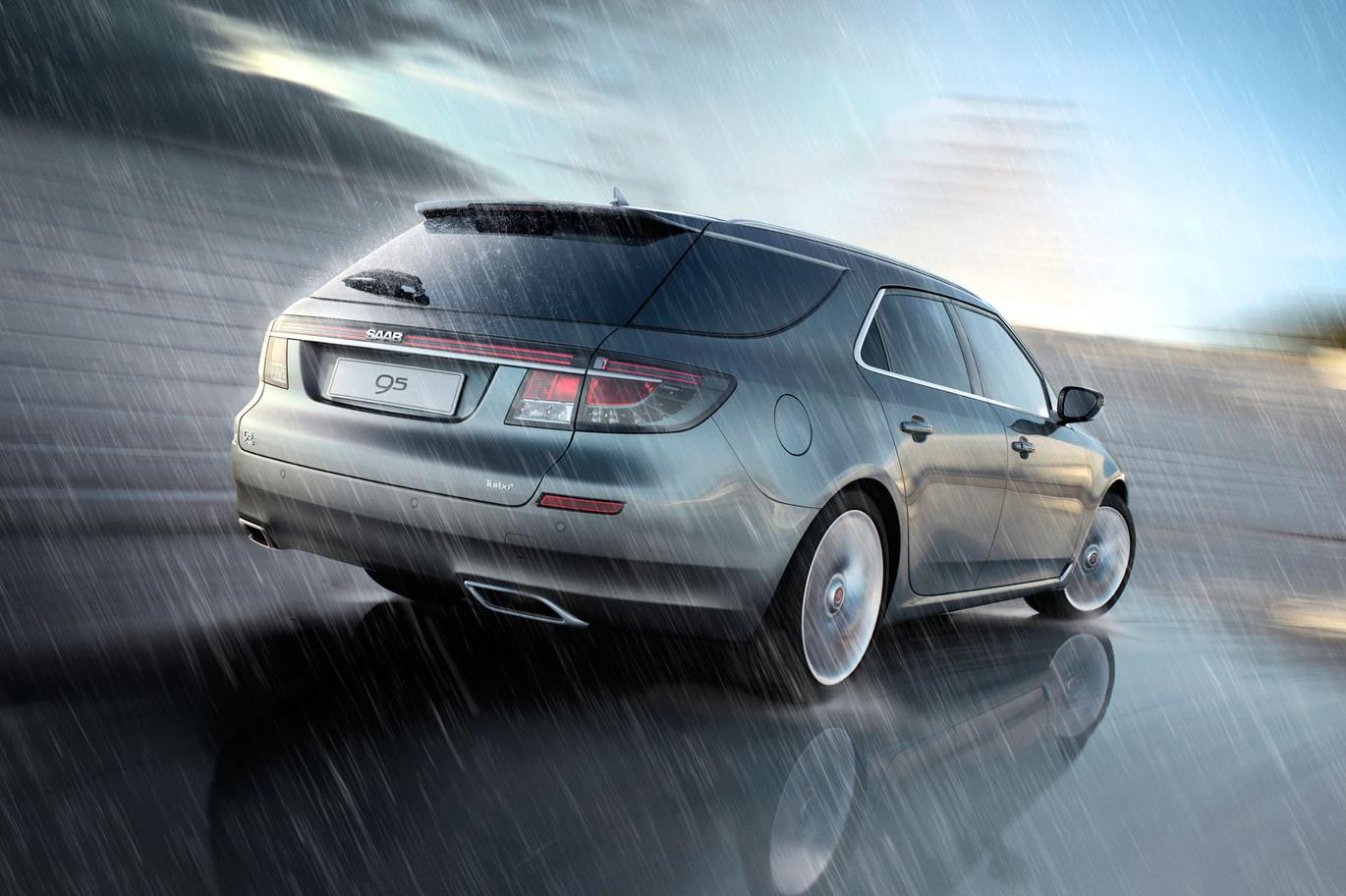
As vehicle development costs increased, Scania sought outside investment. General Motors (GM) acquired a 50% stake in Saab in 1989, and in 2000, GM exercised its right to purchase the rest of the automaker. However, due to financial difficulties at Opel/Vauxhall, Saab did not receive the necessary investment to remain competitive in the luxury segment.
Ironically, just as Saab was preparing to launch its first SUV, the 9-4X, and the second-generation 9-5, GM faced bankruptcy due to the sub-prime housing crisis and rising pension costs. Saab was put up for sale in 2007.
After a deal with Koenigsegg backed by Chinese automaker BAIC fell through, GM eventually sold Saab to Dutch supercar maker Spyker. The sale was completed in 2010, with Spyker acquiring the Trollhättan factory, full rights to the aging 9-3, and a license for the 9-5. GM also produced the 9-4X at its factory in Mexico.
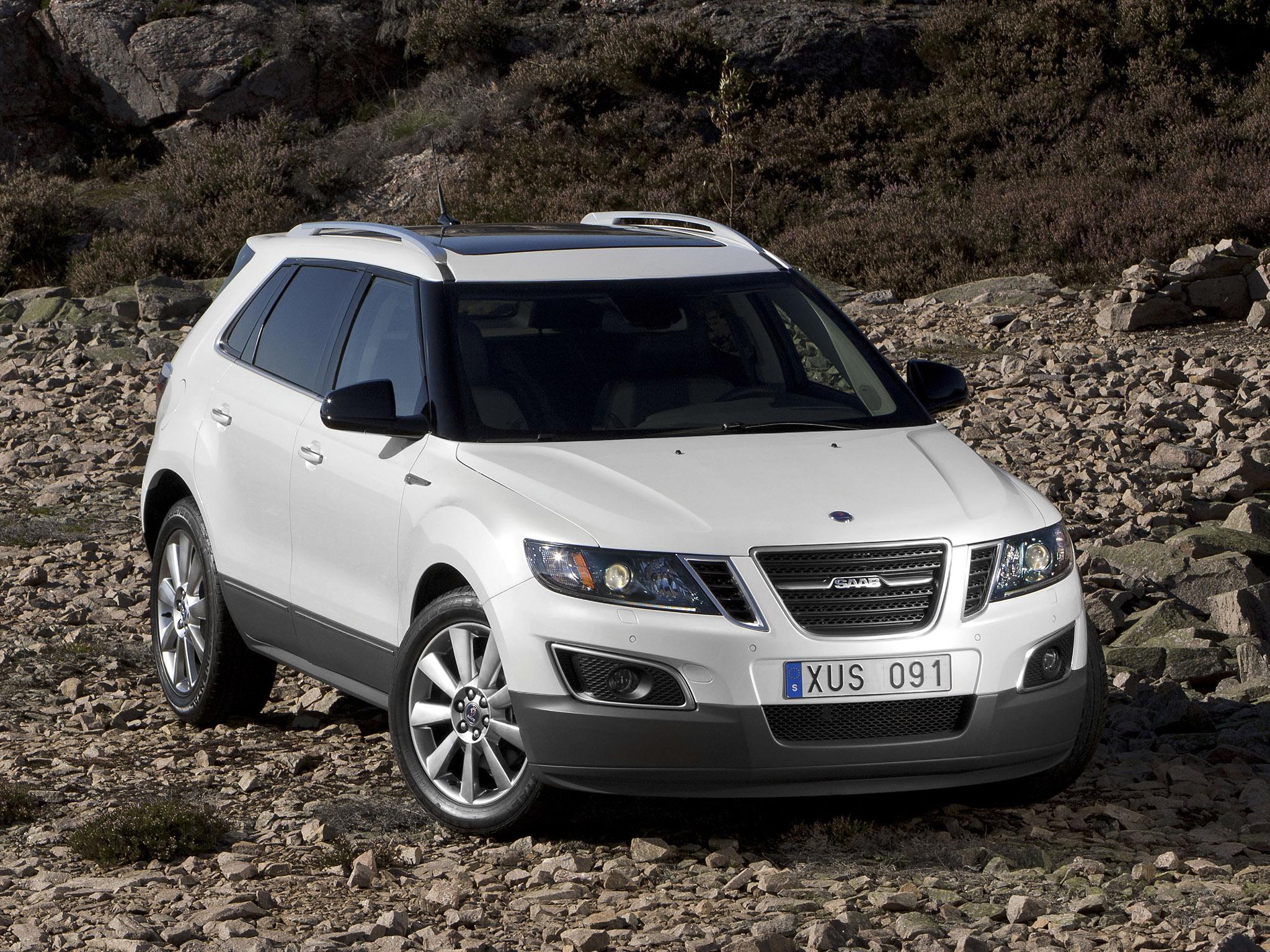
However, Spyker soon faced financial difficulties and tried to secure a deal with Chinese firms Youngman and Pang Da. This was blocked by GM, which refused to license its technology if these companies were involved. By the end of 2011, Saab went into receivership and was later acquired by National Electric Vehicle Sweden (NEVS), led by Kai Johan Jiang, a Swedish-Chinese businessman.
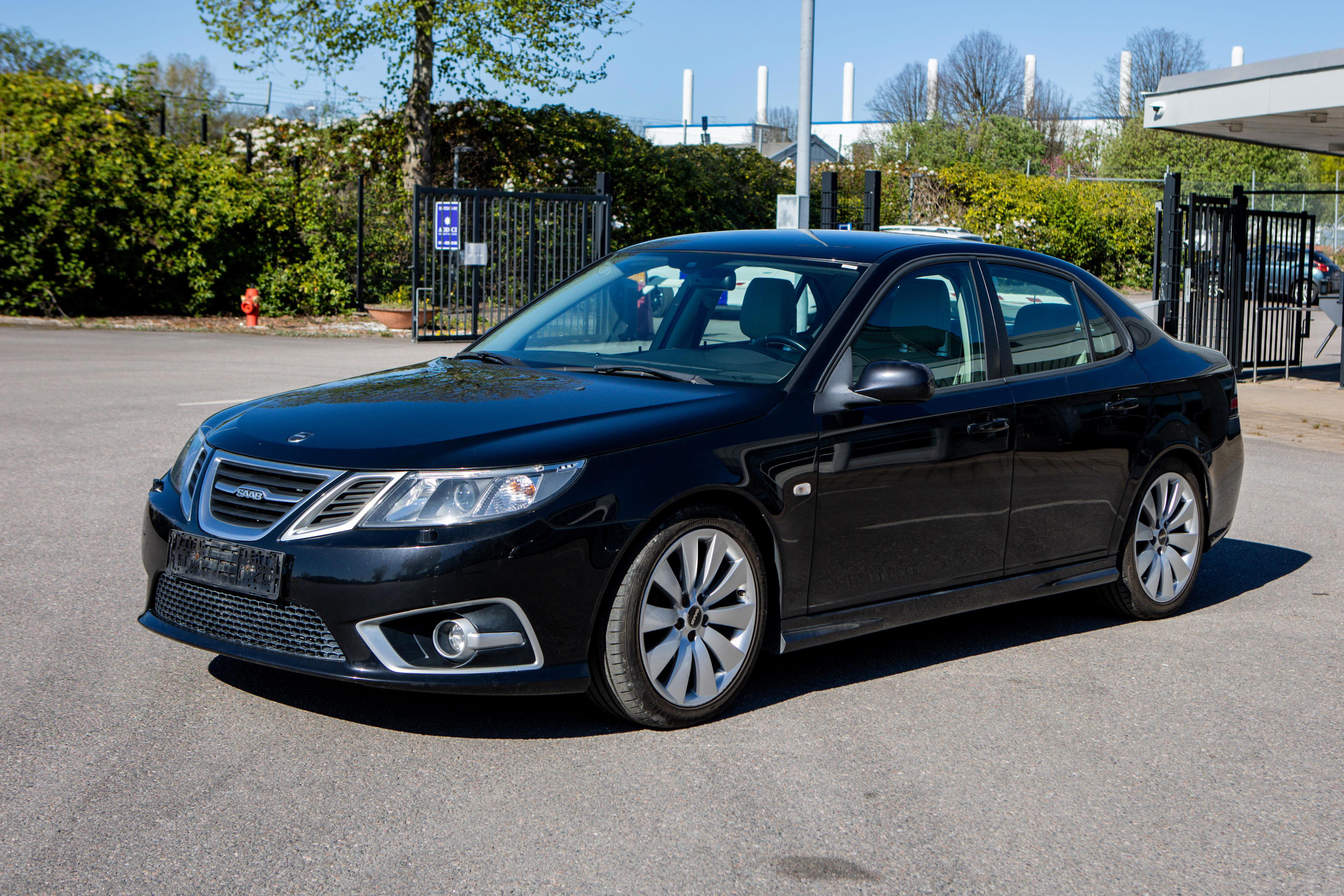
Although NEVS negotiated the rights to the Saab name, it could not use the Griffin logo from Scania. The company was limited to working on the 9-3, as GM did not allow access to the newer 9-5 or 9-4X models. NEVS resumed production of the petrol and diesel 9-3, hoping to use sales revenue to fund the development of the 9-3 EV. However, by 2014, the company faced bankruptcy again and lost the rights to the Saab name.
In 2019, NEVS was acquired by Evergrande, a Chinese real estate developer. However, the company collapsed in 2021 due to the impact of the COVID-19 pandemic, the bursting of China’s property bubble, and failed diversification efforts. Despite attempts to sell NEVS, the automaker has been placed in "hibernation" with minimal staff and no plans to restart production.
Post a Comment for "Saab's Final Cars Hit the Auction Block"