
Shadow fleet enters British waters daily post crackdown
Russian Vessels Continue to Enter UK Waters Despite New Measures
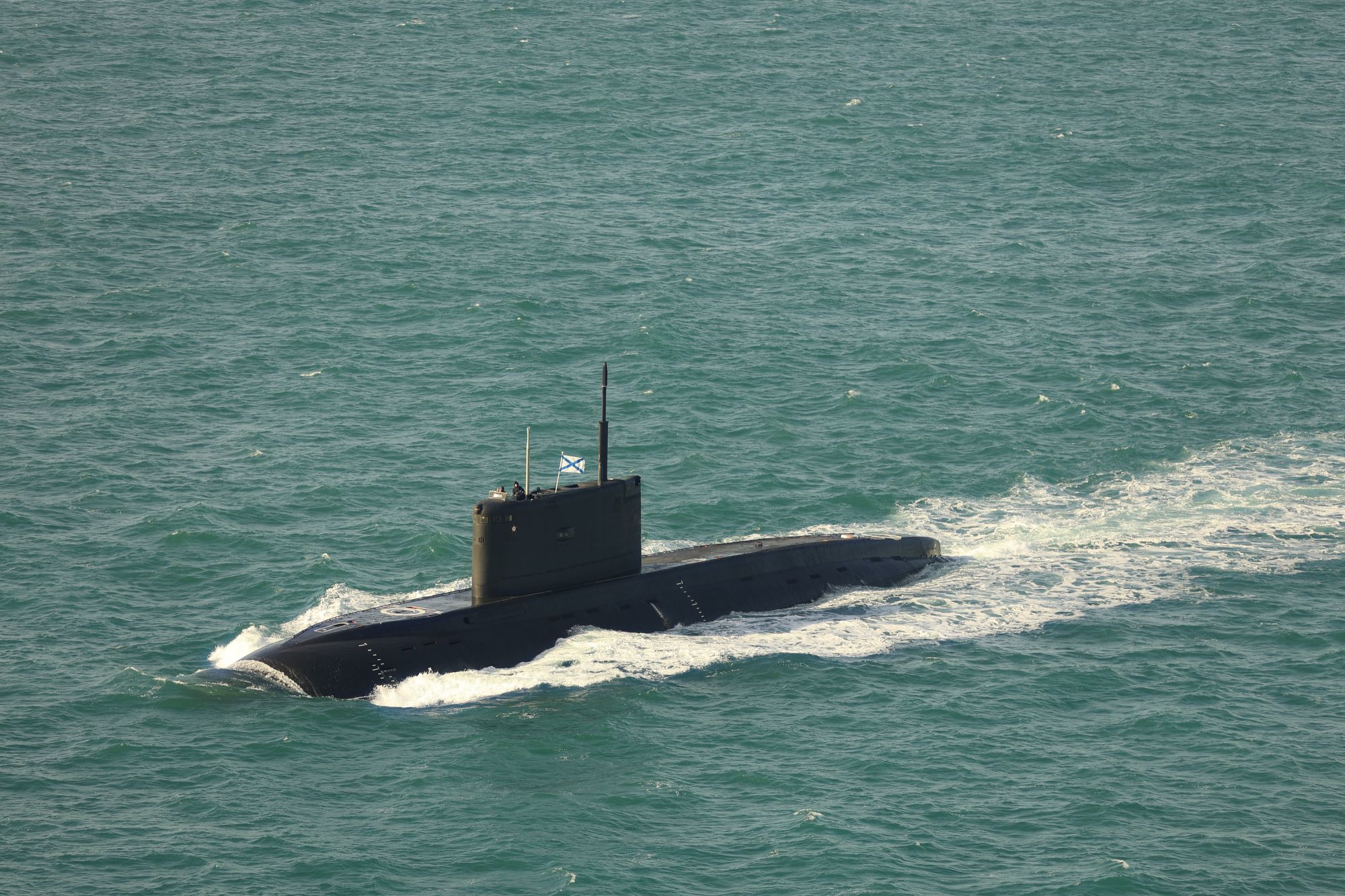
Sanctioned Russian vessels have entered British waters at least once a day since the government introduced measures to tackle the shadow fleet in March. However, none have been intercepted, as admitted by a government minister. This has raised concerns about repeated incursions into UK waters, particularly with a Russian attack submarine and two spy submersibles being tracked over critical undersea cables in the North Atlantic for several weeks.
The joint committee for national security strategy recently questioned members of the Ministry of Defence (MoD) and Department for Science, Innovation and Technology (DSIT) to follow up on a review that criticized the government for being "too timid" in protecting undersea cables from state actors.
In March, the MoD announced new powers for armed forces to board sanctioned boats crossing into British waters as part of efforts to tackle the flow and power of Russia’s shadow fleet vessels.
Government Acknowledges Lack of Interceptions
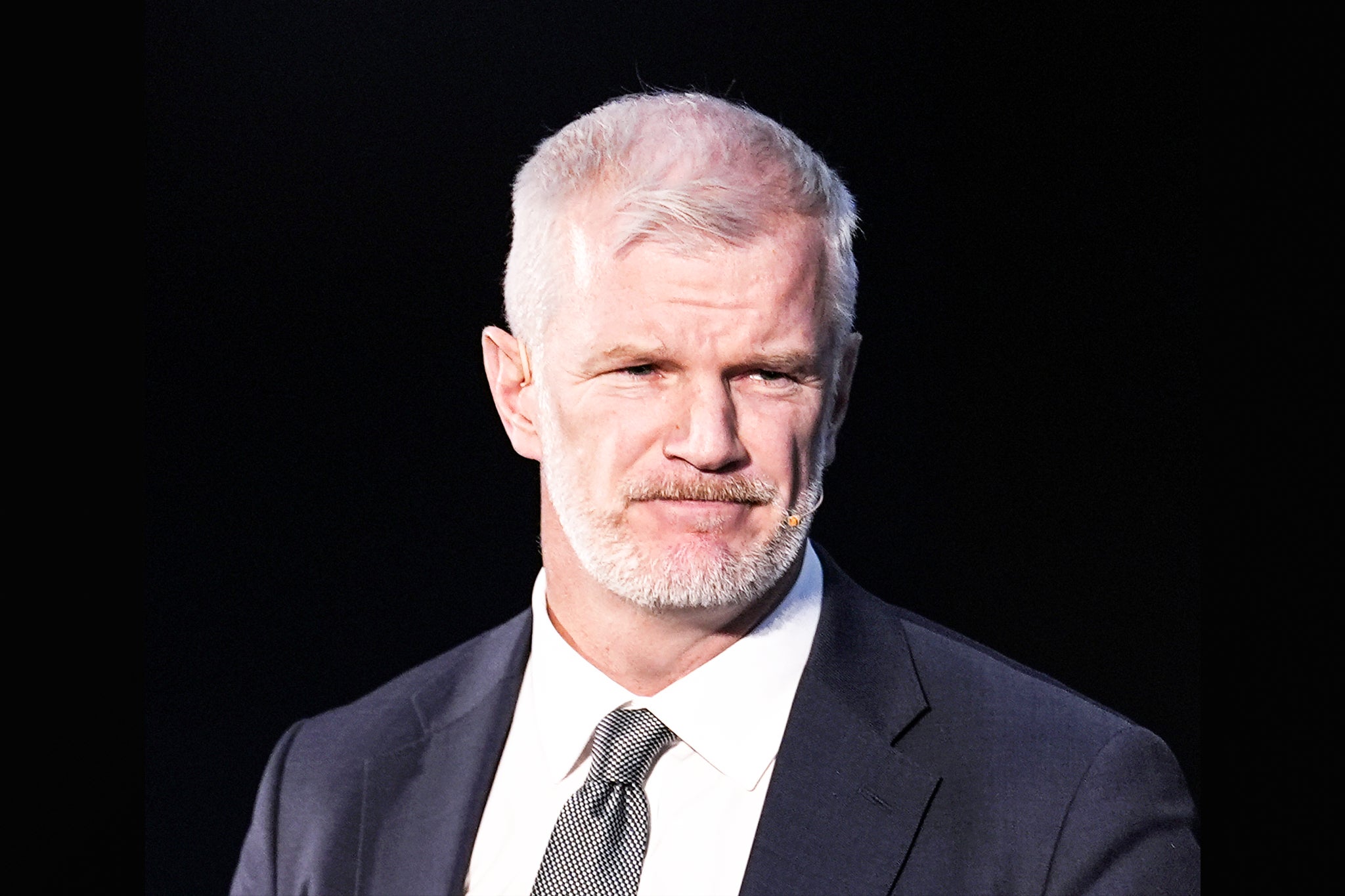
Liberal Democrats MP Mike Martin, questioning minister for armed forces Alistair Carns, stated that 63 sanctioned Russian vessels had crossed through British waters since the new measures were implemented. He highlighted that this equates to one vessel per day and questioned whether any had been interdicted.
Mr. Carns did not dispute the figure, stating, “We haven't interdicted them. What I would say, each sanctioned vessel has its own parameters.”
The government has sanctioned 544 Russian shadow fleet vessels, with Mr. Carns explaining that each has different legal and policy parameters depending on where it is flagged, UNCLOS, and the waters it is in. He mentioned that he has spoken to lawyers almost every time a ship was flagged in British waters and emphasized that if the opportunity presents itself and the parameters are met from a legal, policy, and operational perspective, the vessel will be boarded.
However, the number of sanctioned vessels referred to by Mr. Martin is far lower than recent estimates from the BBC, which reported 184 sanctioned ships crossing British waters between 25 March and 3pm BST on 11 May, according to MarineTraffic data. The i also reported in April that more than 120 sanctioned tankers had crossed British waters since the new powers were introduced.
International Actions Against Shadow Fleet
In March, Brussels seized an oil tanker belonging to the Russian shadow fleet, suspected of sailing with a "false flag and false documents." The vessel named ETHERA, under a Guinea flag, has been held at Zeebrugge port in Belgium ever since.
As part of the MoD’s efforts to tackle Russia’s hybrid warfare, defence secretary Sir John Healey confirmed last month that the UK and allies had tracked a Russian attack submarine and two spy submersibles loitering over critical undersea cables in the North Atlantic for a month before they retreated. RAF crews flew more than 50 missions using P-8 Poseidon submarine-hunting aircraft in the operation involving 500 British personnel and support from allies including Norway.
Both the Liberal Democrats and Conservatives have accused the government of inaction and urged them to act more decisively on Russia’s surveillance tactics. Shadow defence minister David Reed said last month that it was “clear the Government is not moving fast enough to deter our adversaries.”

Government Response and Ongoing Efforts
A Ministry of Defence spokesperson said: “The UK is disrupting and deterring shadow fleet vessels and their harmful maritime activity, and since October 2024 we have challenged over 700 suspected shadow fleet vessels. We will not comment on specific operational planning or give a running commentary as this could compromise our ability to successfully take action against these ships, only benefitting our adversaries. Any target ship will be individually considered by law enforcement, military and energy market specialists before an operation is executed.”
Since 1986, The Independent has campaigned for what we believe in, not what we are told to believe, with integrity, inclusion, innovation and independence as our guiding principles.
Post a Comment for "Shadow fleet enters British waters daily post crackdown"