
Matter is a platform-agnostic protocol that aims to create a seamless future where devices integrate effortlessly with leading proprietary and open-source smart home systems. To date, this vision remains unfulfilled.
If you're just starting out with smart home technology, you may want to wait before jumping into Matter.
What’s (the) Matter?
A picturesque smart home concept
Matter is a smart home technology created with the goal of supporting a cross-platform future for smart homes. It is compatible with all major closed-system smart home platforms, such as Google, Amazon, Apple, and Samsung, as well as local-first systems like Home Assistant and Homey.
The Matter protocol can function through Wi-Fi or Ethernet, as well as via a mesh network technology known as Thread. Not every Matter device supports Thread, but it is most frequently linked with Matter. If you're feeling a bit puzzled, imagine Matter as a language and Thread (or Wi-Fi) as the channel through which the conversation happens.
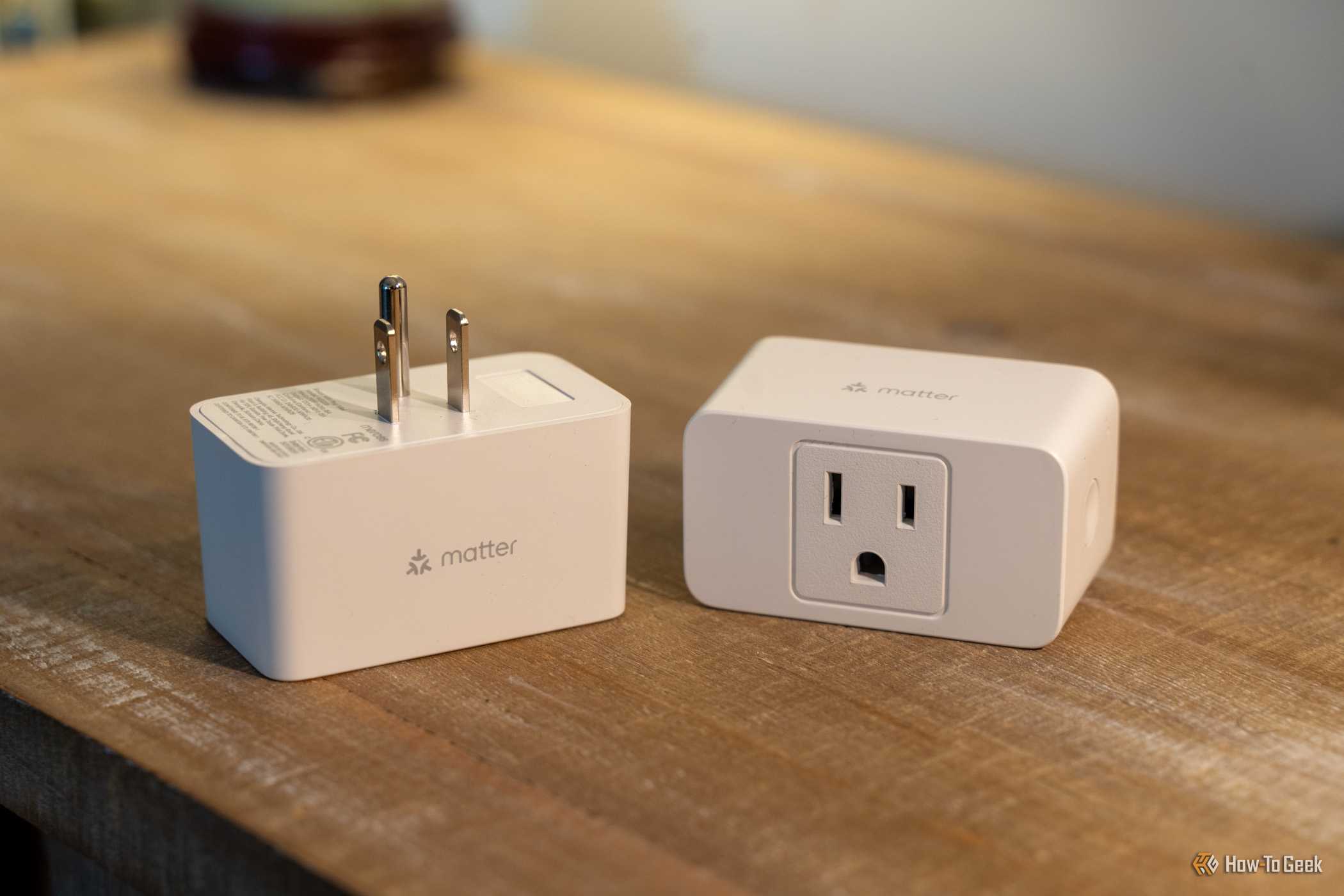
Matter was created to address the issue of incompatibility when purchasing smart home devices that are restricted to one or two platforms. Platform-level native support eliminates the need to use manufacturer-specific apps for control, allows integration with devices from other brands in automation routines, and provides the flexibility to switch to another platform if desired.
Thread is an open mesh network that has been incorporated into a wide range of devices—referred to asThread border routers—especially smart speakers and control centers. Both of these technologies are readily identifiable by their distinctive logos, which you should see displayed on packaging and websites.
It's difficult to overlook the Matter complaints
The web will inform you about it.
Regrettably, Matter has experienced a challenging beginning. Similar to any emerging technology, the standard required many years to gain momentum. This was then followed by a gradual flow of devices that were relatively expensive. We are now arriving at a point where Matter and Thread are being widely embraced, but not everyone's experience has gone as expected.
Matter is a protocol that hardware companies base their hubs and devices on. This approach depends on manufacturers staying current with the standard, and some have been delayed in doing so.Google Home is notably poor in this regard, with Google’s Developer Centerindicating that support is available only up to version 1.0 (with minimal support for 1.2).
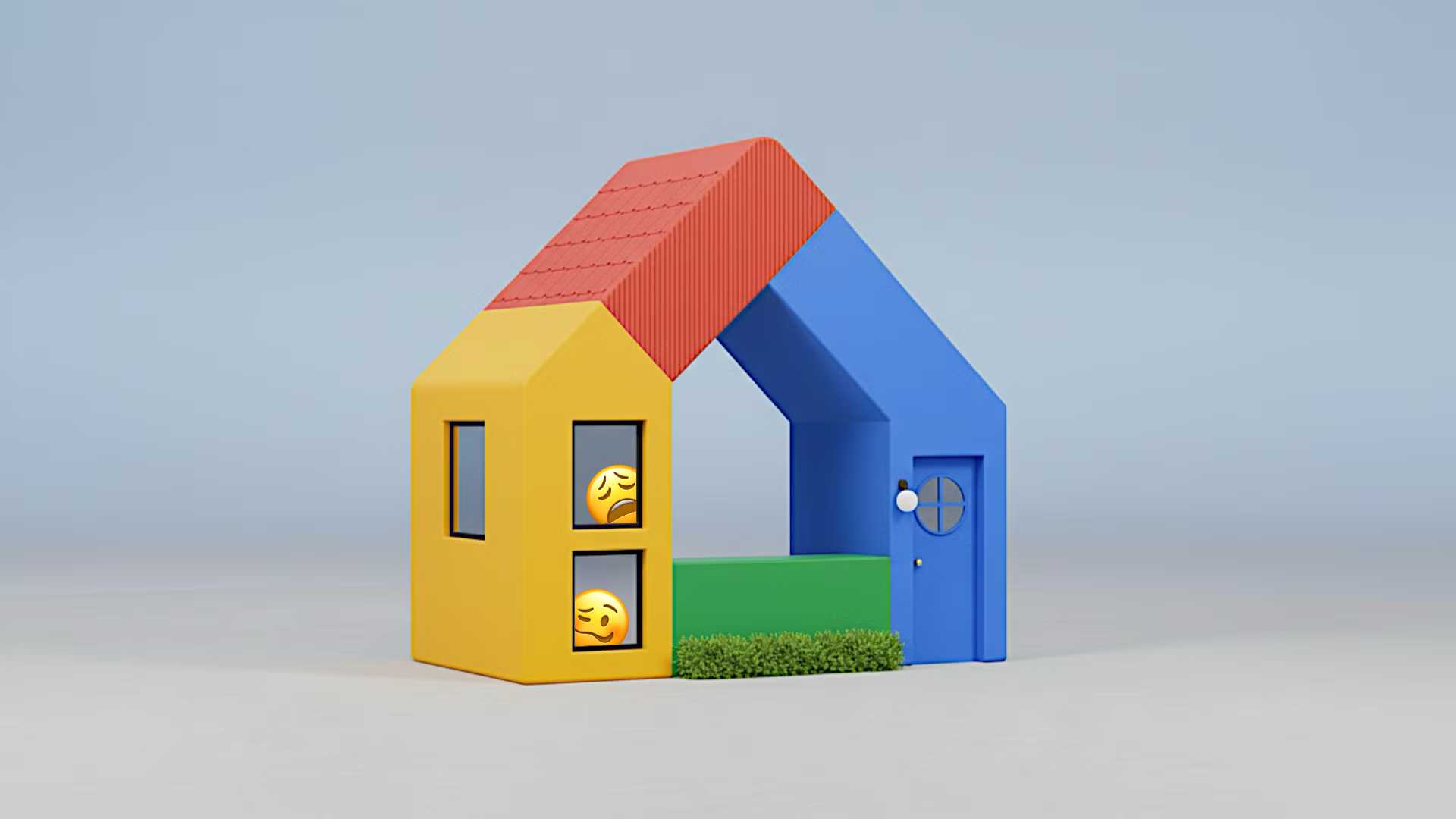
For reference, Matter is currently using version 1.5 (which is particularly)added camera support), with version 1.6 anticipated in 2026. This discrepancy isn't apparent to those purchasing smart home devices, potentially leading to an unpleasant surprise. The truth is that you'll have to rely on manufacturer apps, which restricts automation capabilities and undermines the core purpose of the Matter initiative.
Some groups have expressed disapproval of the standard in a way similar to those who utilize Home Assistant. It might be suggested that Matter (and consequently, Thread) seeks to address an issue that isn't present within Home Assistant, and thecacophonynumerous complaints are difficult to overlook.
Some of these involve equipmentdropping off the network for good, continued dependence on manufacturer appsto include devices, heartwarming stories ofditching Matterand returning to Zigbee, andunpredictable levels of compatibilityamong various groupings of hubs and equipment.
Things are arriving (gradually)
Almost there, regardless of the distance
I'm a satisfied Home Assistant user who has a home filled with older Zigbee devices from IKEA. I don't have any issues (except that they're no longer available for purchase). However, I'm also really interested in growing my smart home setup and don't need much encouragement to add more devices or support additional protocols on my server.
Currently, I don't have any motivation to switch from Zigbee. Fortunately, Home Assistant allows me to stay with it, but I'm questioning why I should commit to it.a device similar to the Home Assistant ZBT-2 radioWhen I could invest the money in additional Zigbee light switches and sensors instead?
Substance has progressed significantly, and 2025 saw IKEA join the initiative. The selection of Matter over Thread devices from IKEA has made this technology finally accessible. IKEA went as far as offering these devices at a lower price than the earlier Zigbee accessories, with several notable additions.
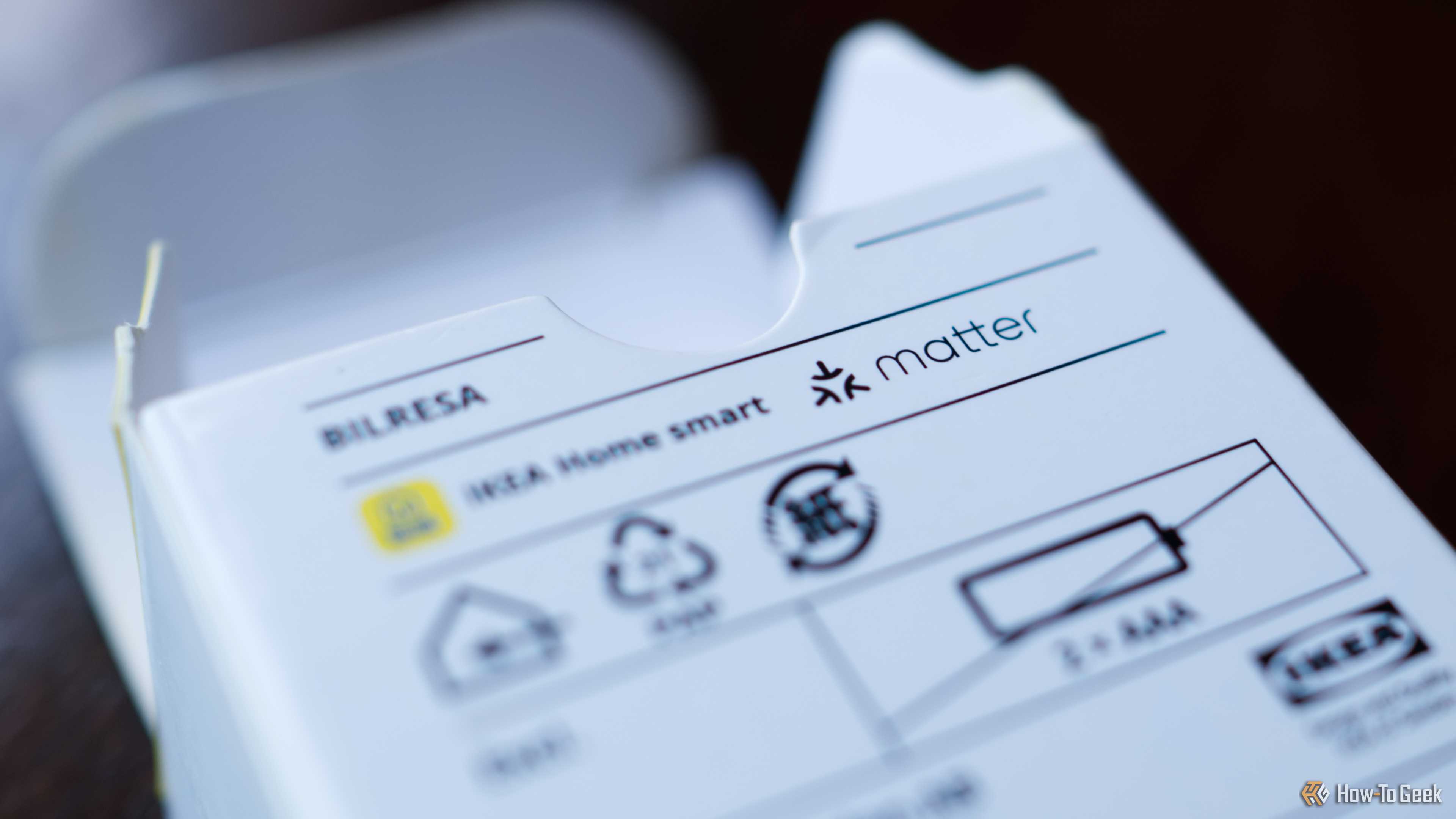
Until recently, IKEA's selection did not include two of the most frequently used electrical devices: smart plugs and smart bulbs. This has now been updated with the recent launch of theGrillplats ($8) smart plug and Kajplats(from $9) lighting range. These units are crucial for establishing reliable Thread networks, as they function as repeaters,increasing the coverage area of the mesh network.
Currently, there isn't a groundbreaking new IKEA product thatdoesn't already function with my current Zigbee networkI am waiting calmly for a reason to incorporate a Thread border router into my smart home setup for Matter-compatible devices, and it's unclear how much longer that might take.
Alternative mesh networks to consider
For me, Thread is the most captivating aspect of the Matter system. IKEA correctly identified the value in implementing mesh network technology across all its smart home devices, asit eliminates the need for Wi-Fi. If you're opting for a Matter smart home, make it a Matter over Thread smart home.
Until then, think about Zigbee over Thread if cost and the availability of devices are your main priorities. There are manyAre manufacturers still producing Zigbee devices that are not from IKEA?, with cost and variety being the primary advantages. Z-Wave is another strong option that avoids the interference issues linked to Zigbee and Thread, and also offers greater coverage than both.
I hope that within a few years, the Matter protocol will have developed to the stage where the original vision is completely achieved andIKEA's smart home will not face challenges due to factors beyond its control..


No comments:
Post a Comment