
Thousands March to Protect Black Voters in Civil Rights Milestone
A Rally for Voting Rights in the Heart of Civil Rights History
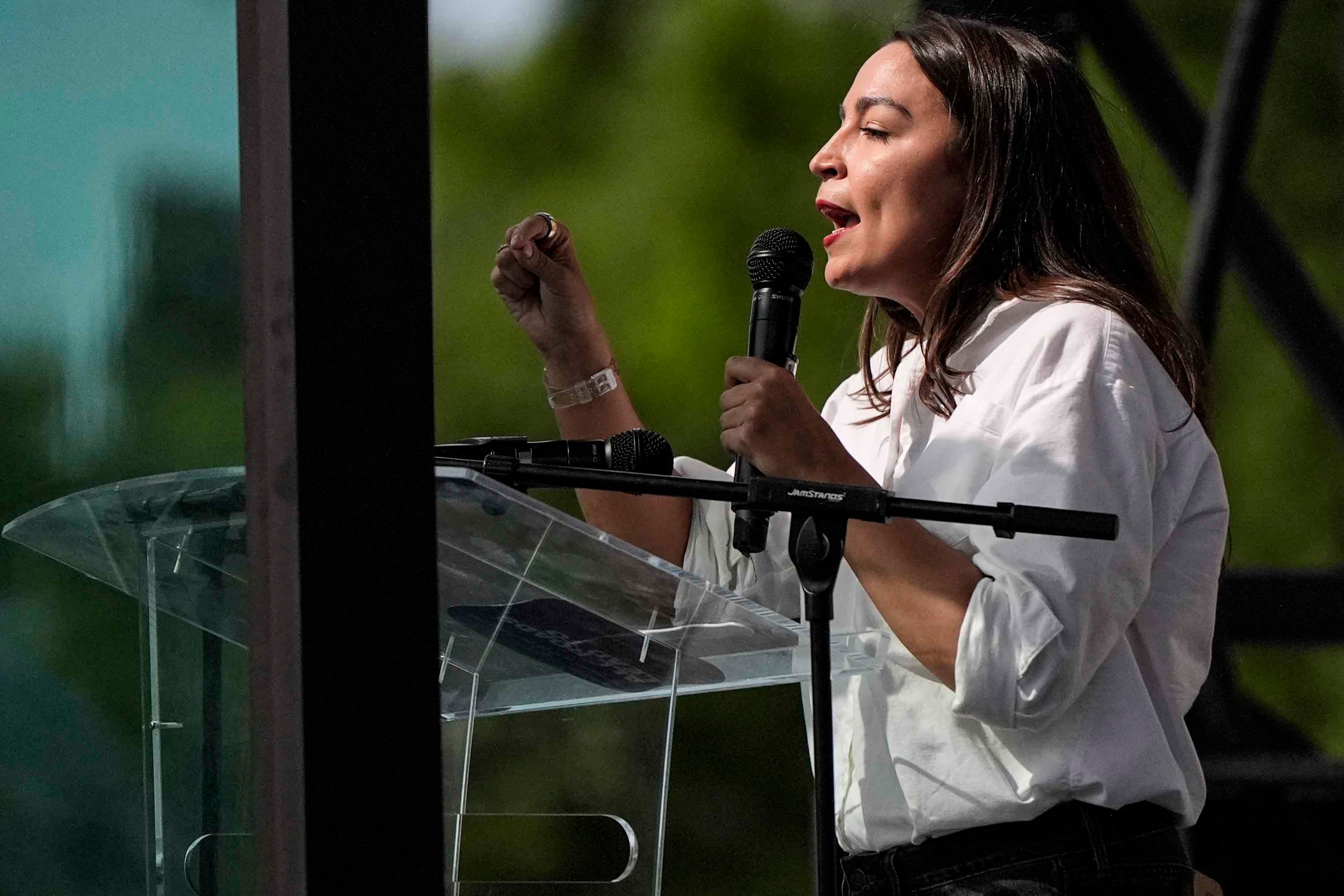
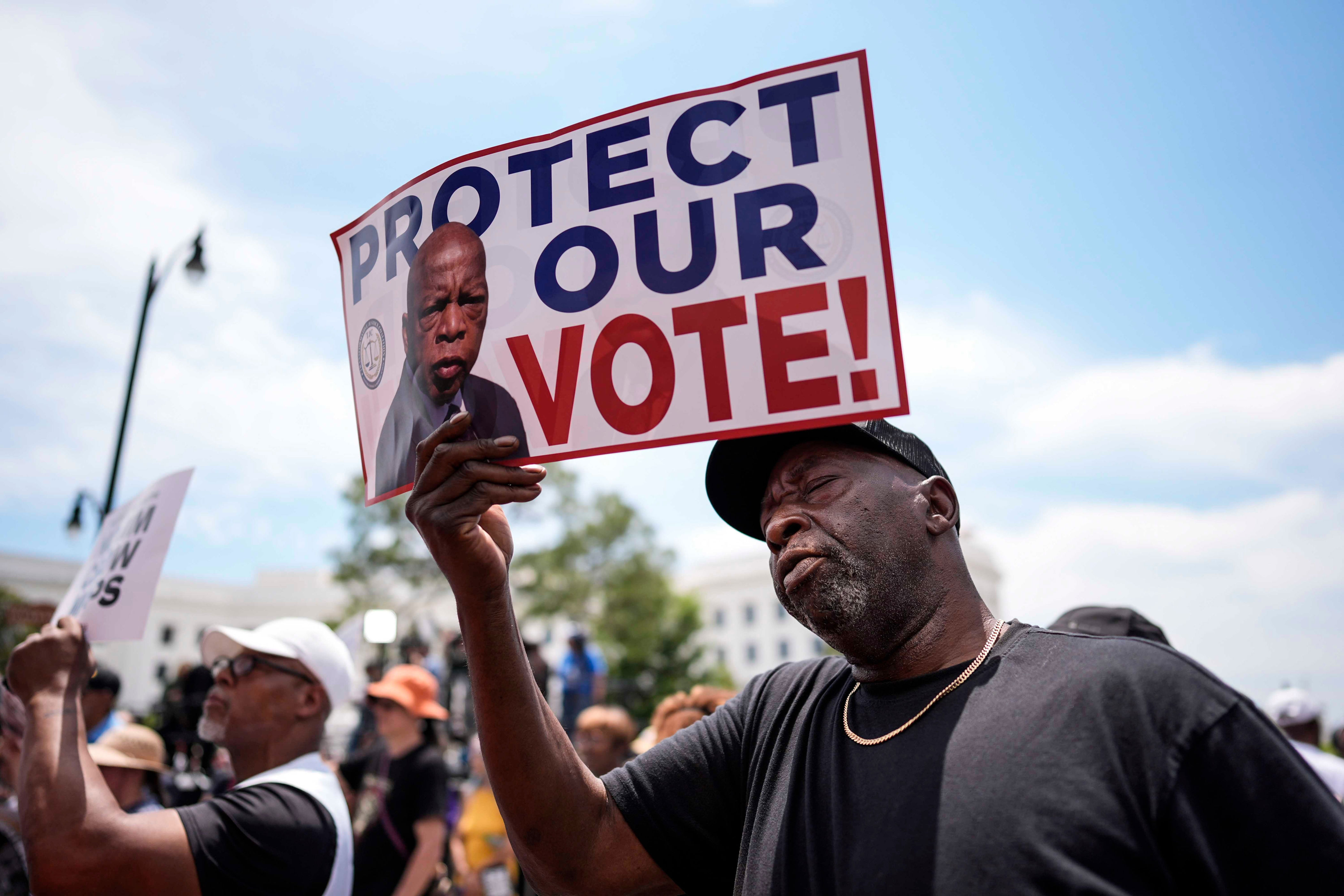
Thousands of people gathered in Montgomery, Alabama, on Saturday to demand a new era of voting rights. The city, known as the cradle of the modern Civil Rights Movement, has once again become a focal point for activism as conservative states work to dismantle congressional districts that have historically helped secure Black political representation.
U.S. Senator Cory Booker of New Jersey described Montgomery as “sacred soil” in the fight for civil rights. He warned that if the current generation fails to act, they risk losing the gains and liberties fought for by their ancestors. The crowd, filled with passionate voices, chanted slogans like “we won’t go back” and “we fight.”
Shalela Dowdy, a plaintiff in the Alabama redistricting case, emphasized the importance of the movement. She said, “We are not going down without a fight. We are not going down to Jim Crow maps.”
The rally took place in front of the Alabama Capitol, a historic site where the Confederacy was formed in 1861. It is also where Dr. Martin Luther King Jr. delivered his famous “How Long, Not Long” speech in 1965 at the end of the Selma-to-Montgomery Voting Rights March. The stage was flanked by statues of Confederate President Jefferson Davis and civil rights icon Rosa Parks — a symbolic contrast between two pivotal moments in American history.
Speakers highlighted the significance of the location, calling it once the temple of the Confederacy and now the holy ground of the Civil Rights Movement. For many in the crowd, the effort to redraw voting lines felt eerily familiar.
Camellia A Hooks, a 70-year-old from Montgomery, shared her thoughts: “We lived through the '60s. It takes you back. When you think that Alabama’s moving forward, it takes two steps back.”
The rally began in Selma, where the violent clash between law enforcement and voting rights activists in 1965 became a turning point in the movement. It then moved to the state Capitol, where the impact of the Voting Rights Act was felt most strongly.
A recent Supreme Court ruling involving Louisiana further weakened voting rights laws already eroded by previous decisions. This has allowed for stricter voter ID laws, registration restrictions, and limits on early voting and polling place changes — especially in states that once required federal preclearance due to historical discrimination against Black voters.
Veterans of the Civil Rights Movement are alarmed by the speed of these rollbacks. Kirk Carrington, 75, who was a teen during the infamous “Bloody Sunday” in Selma, recalled the violence he witnessed. He said, “It’s really just appalling to me and all the young people that marched during the ’60s, fought hard to get voting rights, equal rights and civil rights. It’s sad that it’s continuing after 60-plus years that we are still fighting for the same thing we fought for back then.”
Montgomery is home to one of the congressional districts being altered following the Supreme Court ruling. In 2023, a federal court redrew Alabama’s 2nd Congressional District after finding that the state had intentionally diluted the voting power of Black residents. The court ordered a district where Black people could be a majority or near-majority, giving them a chance to elect their preferred candidate.
However, the Supreme Court cleared the way for a different map that could allow the GOP to reclaim the seat. While the matter remains under litigation, the state plans special primaries on August 11 under the new map.
Democratic Rep. Shomari Figures, who won the district in 2024, emphasized that the dispute is about representation, not personal politics. He said, “When Republicans are literally turning back the clock on what representation, what the faces of representation, look like, what the opportunities, legitimate opportunities for representation look like across this country, then I think it starts to resonate with people in a little bit of a different way.”
Alabama House Speaker Nathaniel Ledbetter, a Republican, argued that the Louisiana ruling provided an opportunity to revisit a map forced on the state by the federal court. He said, “People tend to forget what happened. When this thing went to court, the Republican Party had that seat, congressional seat two. There’s been a push through the courts to try to overtake some of these red state seats, and that’s certainly what happened in that one.”
Evan Milligan, the lead plaintiff in the Alabama redistricting case, acknowledged the grief over the erosion of the Voting Rights Act but stressed the need for continued commitment. He said, “We have to accept that this is the new reality, whether we like it or not. We don’t have to accept that this will be the reality for the next 10 years or two years or forever.”
Post a Comment for "Thousands March to Protect Black Voters in Civil Rights Milestone"