
The Elite of Business Aviation: High-Speed, Luxurious Jets
If you have the financial means and a desire for real speed combined with luxurious comfort, the choice among elite flying machines is vast. Stylish and incredibly fast, the difference in actual speed between the slowest and fastest aircraft listed is surprisingly small, perhaps as little as 47 knots (54 mph). The margins are tiny, and in some cases, they are tied. Where speeds are identical, ranking reflects the best estimated sustained high-speed capability at typical cruise weights, which is very important. Each of these aircraft is a masterpiece, a thrilling combination of engineering, performance, and decadence.
Below Mach 0.90 Group
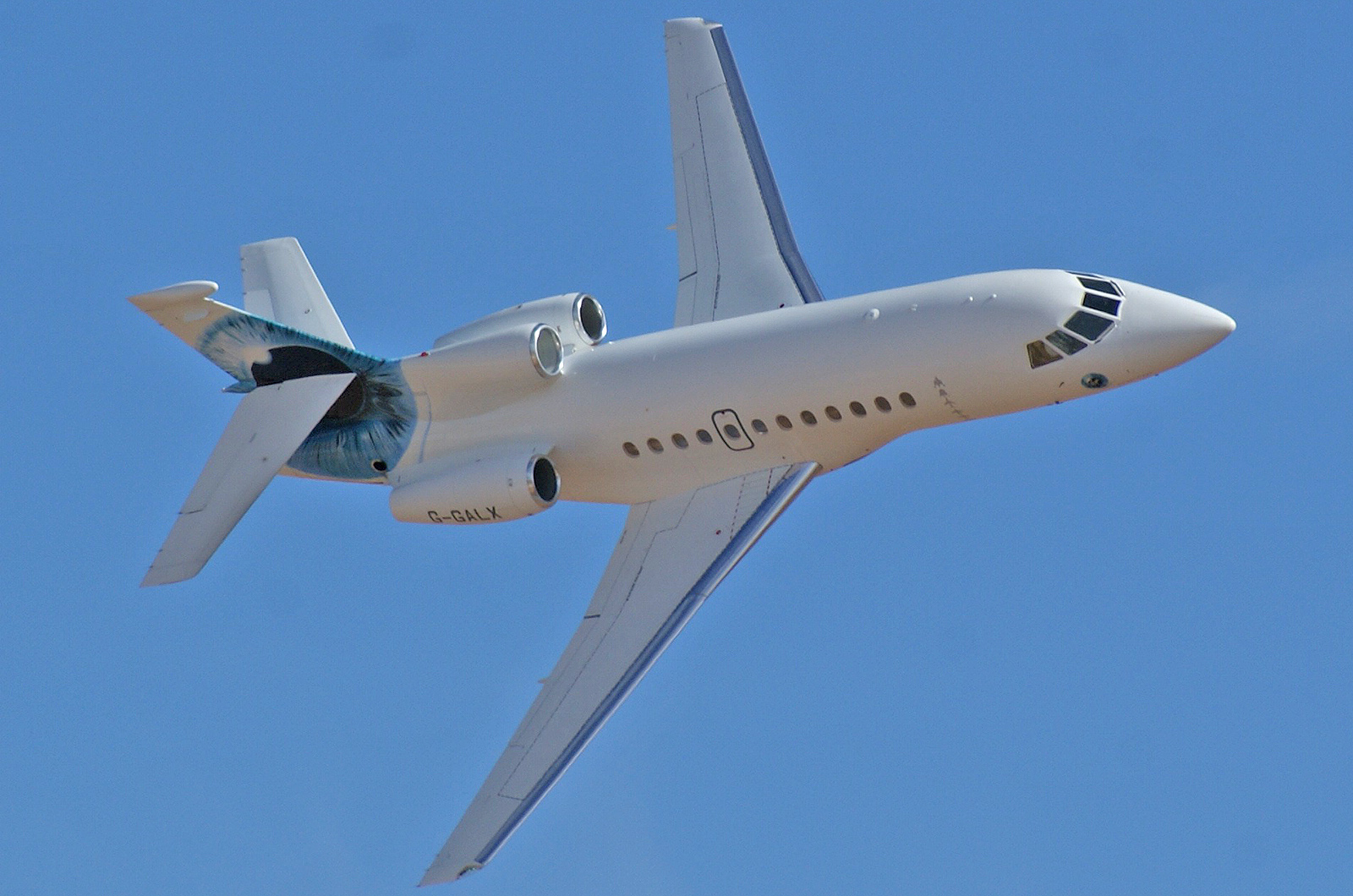
There is a glut of aircraft that cruise just below Mach 0.90 (Mach 1 is the speed of sound in given conditions), as this marks a practical upper limit for many high-performance civilian aircraft before aerodynamic, structural, and economic penalties rise sharply. This means we have to be a little loose with the top 10 format to fairly fit this class in. Beyond this point, drag increases rapidly, margins shrink, and wing and control-surface design must change significantly to maintain stability and certification margins. Aircraft in this group include the Dassault Falcon 900 (pictured).
During certification flight testing, some of the aircraft in this tier may briefly exceed Mach 0.90. However, these speeds are not approved for operational use and sit outside normal airline procedures. The lower members of the group certainly deserve a mention and include some of the most characterful designs.
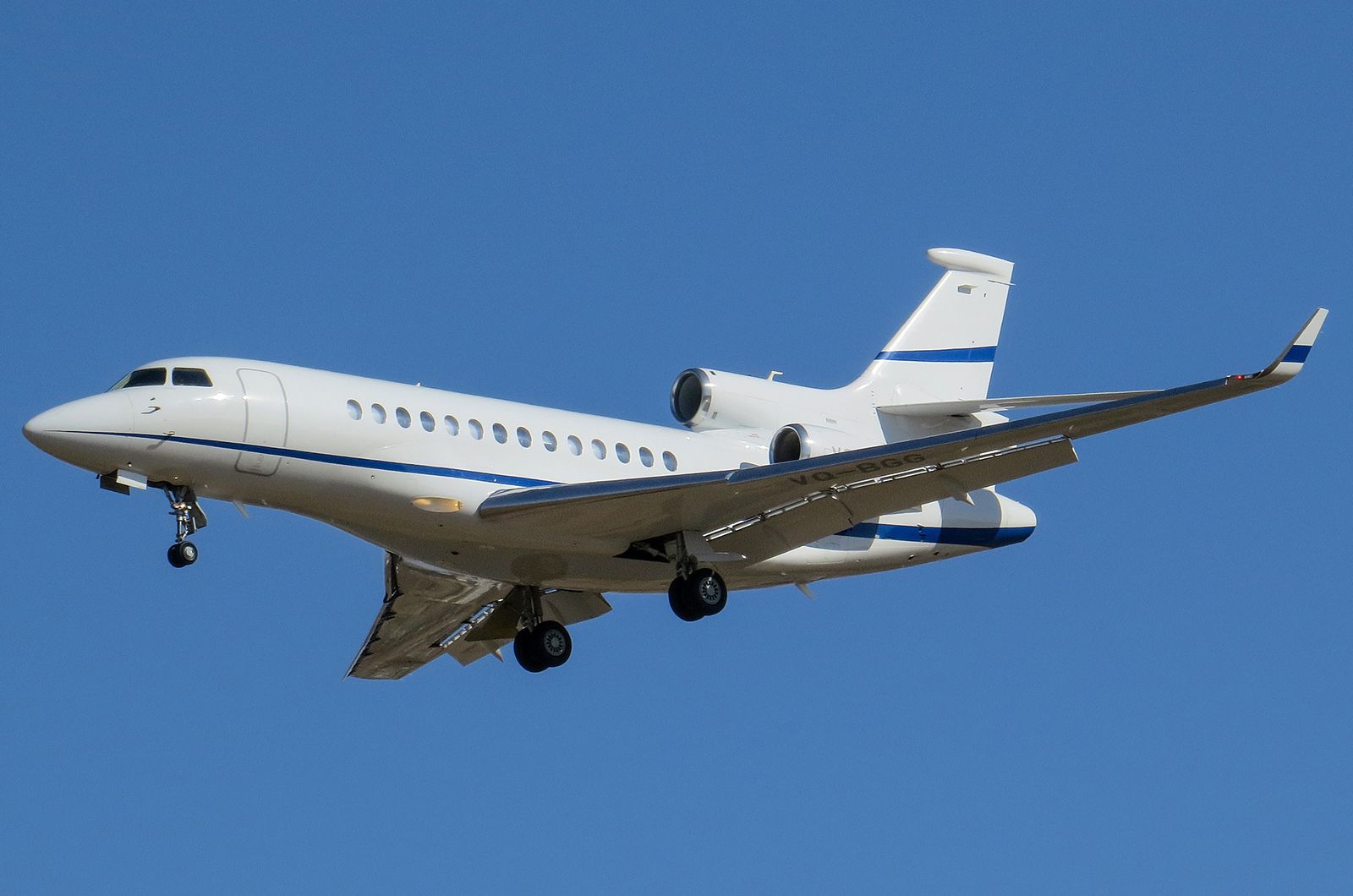
Only a small number of purpose-designed business jets are optimised to operate efficiently at this speed. Aircraft such as certain Dassault Falcon 7X variants (pictured), late-model Falcon 900s, and older fast executive jets sit just below this boundary. Embraer’s Legacy 500/Praetor 500 midsize jets have maximum cruise speeds of around Mach 0.83, balancing range with efficiency. The SyberJet SJ30 light jet also reaches Mach 0.83 maximum cruise.
Certification limits, operating economics, and airline cost structures strongly discourage routine operation near the transonic drag-rise region. This speed limitation represents the dividing line between conventional high-speed civil aircraft and the small, elite class of aircraft specifically engineered to operate comfortably at the very edge of the transonic regime.
Falcon 8X
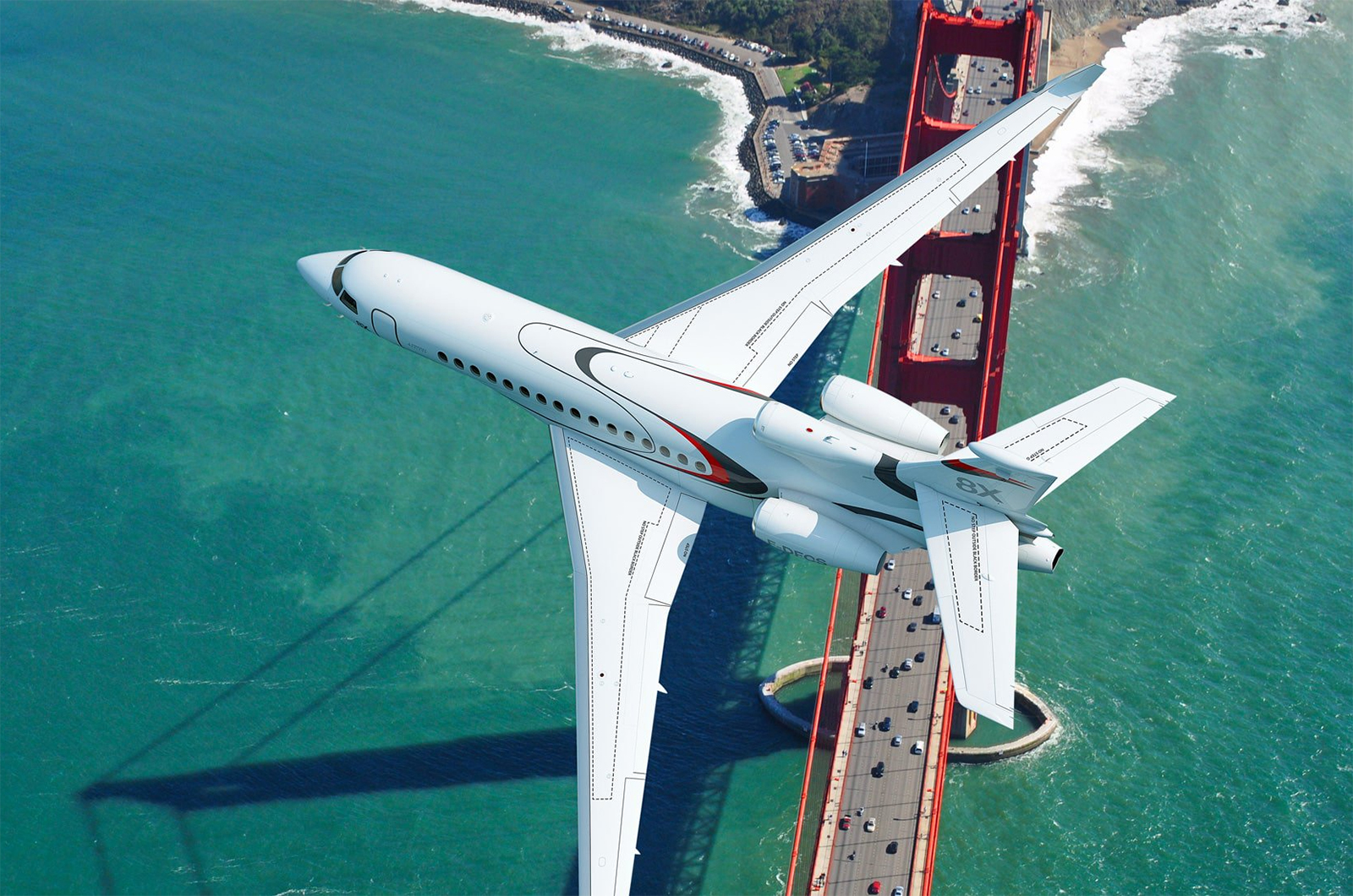
Max tested speed: ~Mach 0.92 | Max cruising speed: Mach 0.80–0.87
The Dassault Falcon story begins in the early 1960s, soon after the Learjet 23 established the modern business jet category as we know it. The United States and France were the earliest pioneers. With the Falcon 20, Dassault became the first major non-American manufacturer to succeed in this emerging civil market.
What makes the Falcon 8X special is balance: immense range, quiet efficiency, and sculpted elegance. Its slender wing, S-duct intake, and clean proportions create understated beauty. While fully civil, the design benefits from Dassault’s military DNA, with fighter-aircraft experience influencing aerodynamics, control precision, and structural efficiency, giving it both performance and composure in flight.
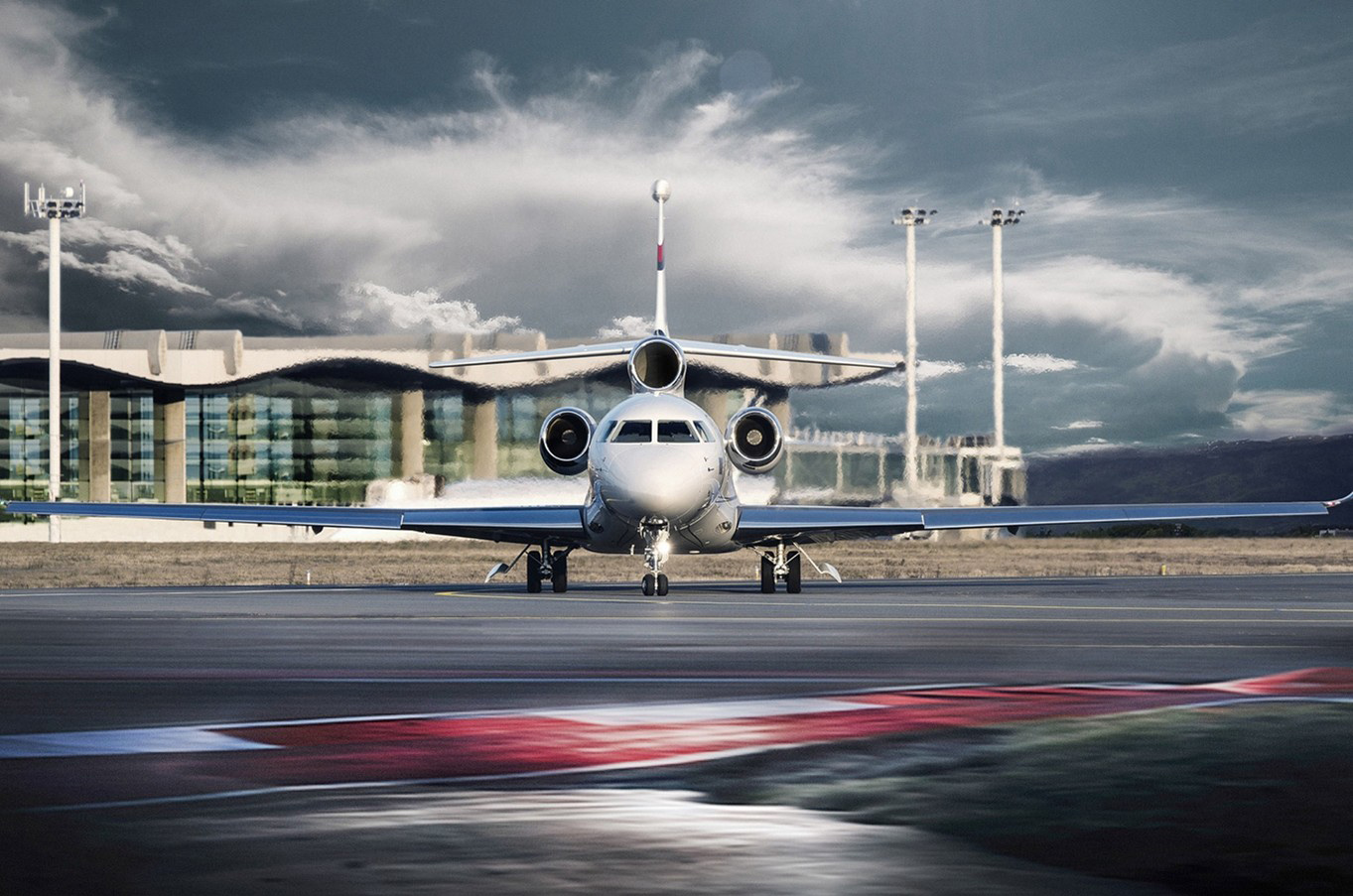
The Falcon 8X typically cruises between Mach 0.80 and 0.85 on long-range flights, with high-speed cruise achievable up to about Mach 0.87. Although the French company Dassault never built the fastest civil aircraft, France co-created Concorde (the fastest civil aircraft, which first flew in 1969). Excluding the briefly operated Tu-144, Concorde remains the fastest successful civil aircraft.
Against rival business jets, the 8X prioritises range, runway flexibility, and efficiency over sheer cabin volume. Its trijet layout adds redundancy and short-field performance. Popular with governments and ultra-long-range private operators, it is prized for its reliability, global reach, and operational versatility.
Bombardier Global 7500
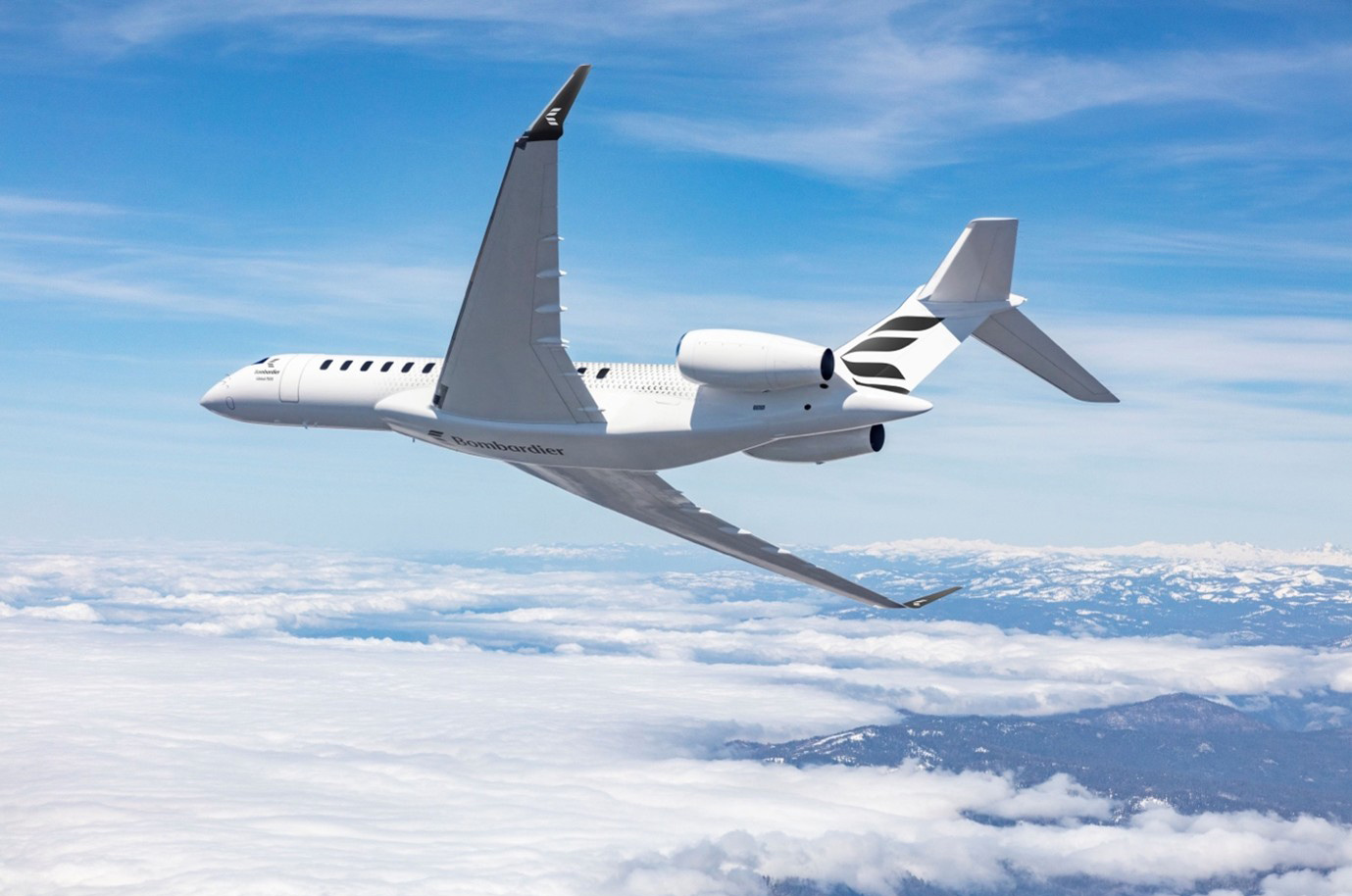
Max tested speed: ~Mach 0.94 | Max cruising speed: Mach 0.90–0.91
The Bombardier Global series began in the 1990s as a line of long-range business jets, aiming to combine speed, comfort, and intercontinental reach. Each iteration improved on range, cabin space, and technology. The Global 7500 is the latest in the series, representing a step change in performance and size.
Unlike Cessna’s Citation jets, which focus on short to mid-range missions, the Global 7500 is designed for ultra-long-haul flights. Compared with Gulfstream and Falcon models, it offers one of the largest cabins and longest ranges. Its emphasis is on combining high speed with extended comfort, allowing nonstop travel between distant cities without refuelling, a key differentiator in this category of business aircraft.
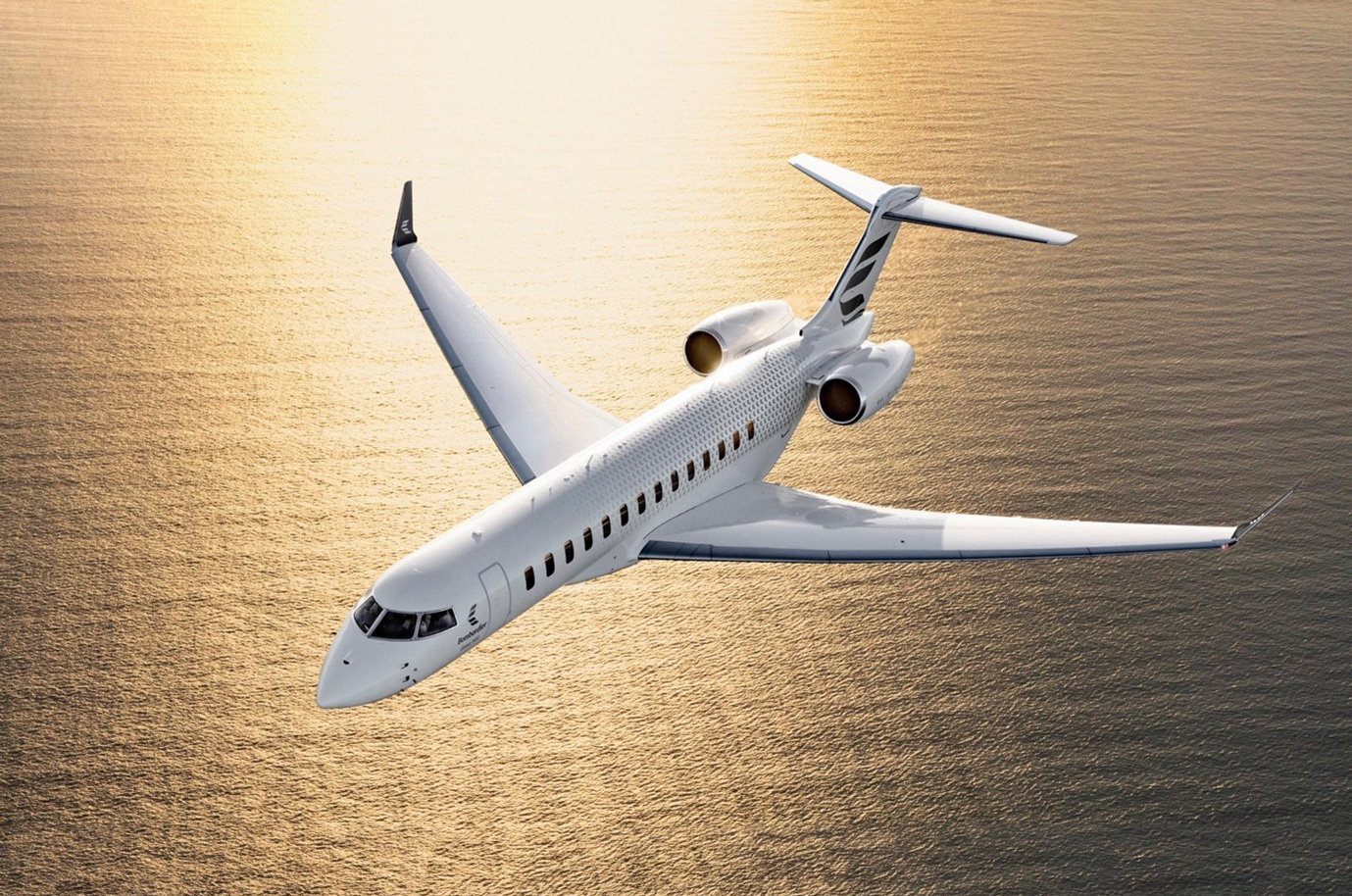
The 7500 first flew in 2016 and entered service in 2018. It is faster and can travel further than earlier Globals, such as the 6000 or 5000, due to improvements in aerodynamics and engines. It features a redesigned cabin layout with four distinct living spaces, enhancing the onboard experience for long missions, whereas earlier models had fewer zones and shorter range.
Its maximum operating speed is Mach 0.925, making it one of the fastest civil business jets. The 7500 also incorporates advanced avionics and safety features, including automated vision systems for adverse weather. It is primarily intended for transcontinental and intercontinental flights.
Cessna Citation X & Citation X+
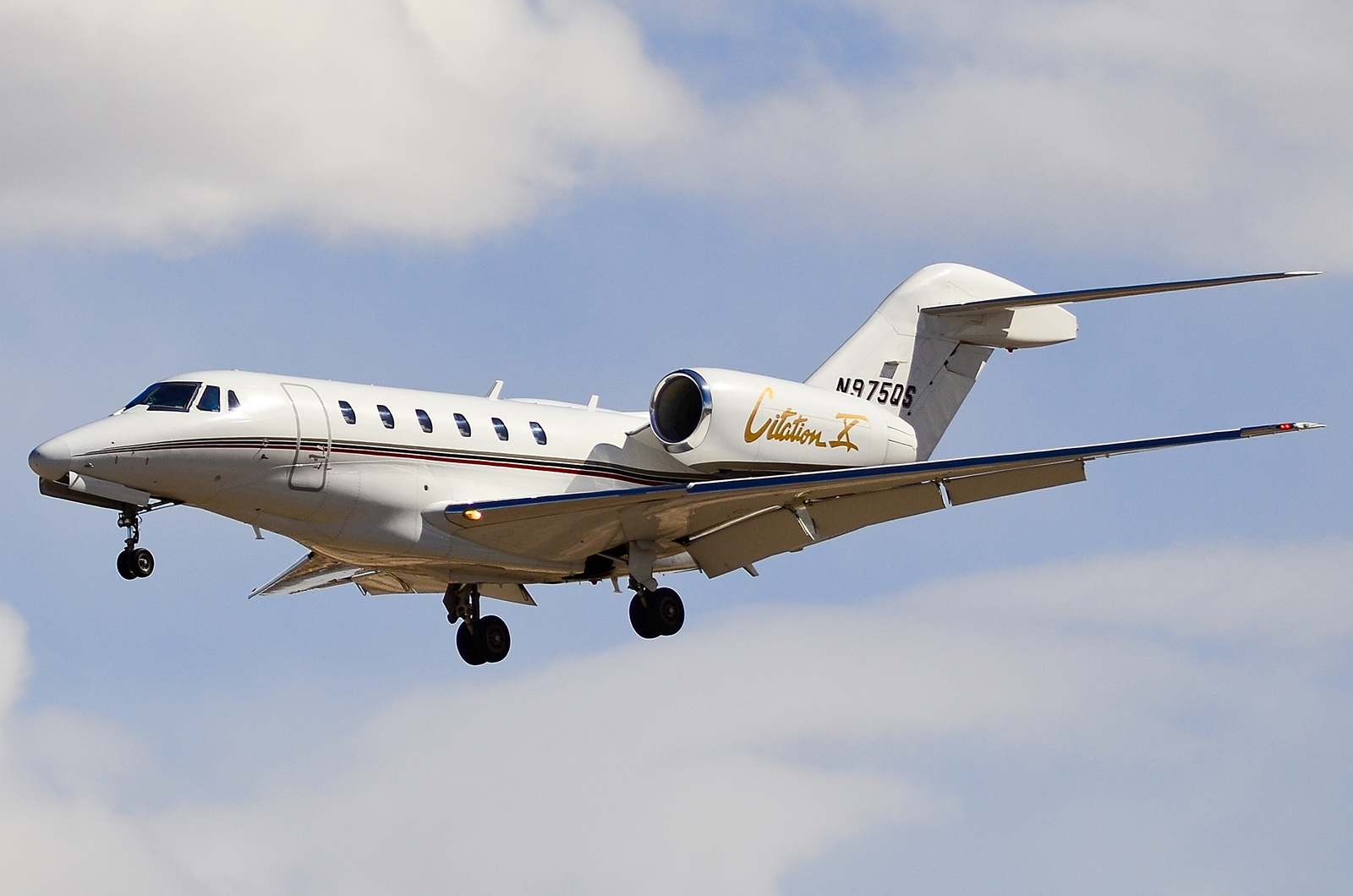
Max tested speed: ~Mach 0.94 | Max cruising speed: Mach 0.90–0.92
The Cessna Citation X, introduced in 1996, marked a decisive shift in business aviation by prioritising outright speed over cabin volume or maximum range. Designed during the Cold War’s closing years, it applied military-style aerodynamic priorities—high sweep, low drag, and transonic stability—to a civilian airframe, setting new benchmarks for private aviation performance.
Its performance was enabled by a highly swept wing (37.5 degrees), unusual among business jets of its era, paired with a thin, low-drag airfoil optimised for Mach 0.90+ flight. Early Rolls-Royce AE 3007A engines provided sufficient thrust at altitude but imposed limitations on range and hot-and-high performance compared with later developments.
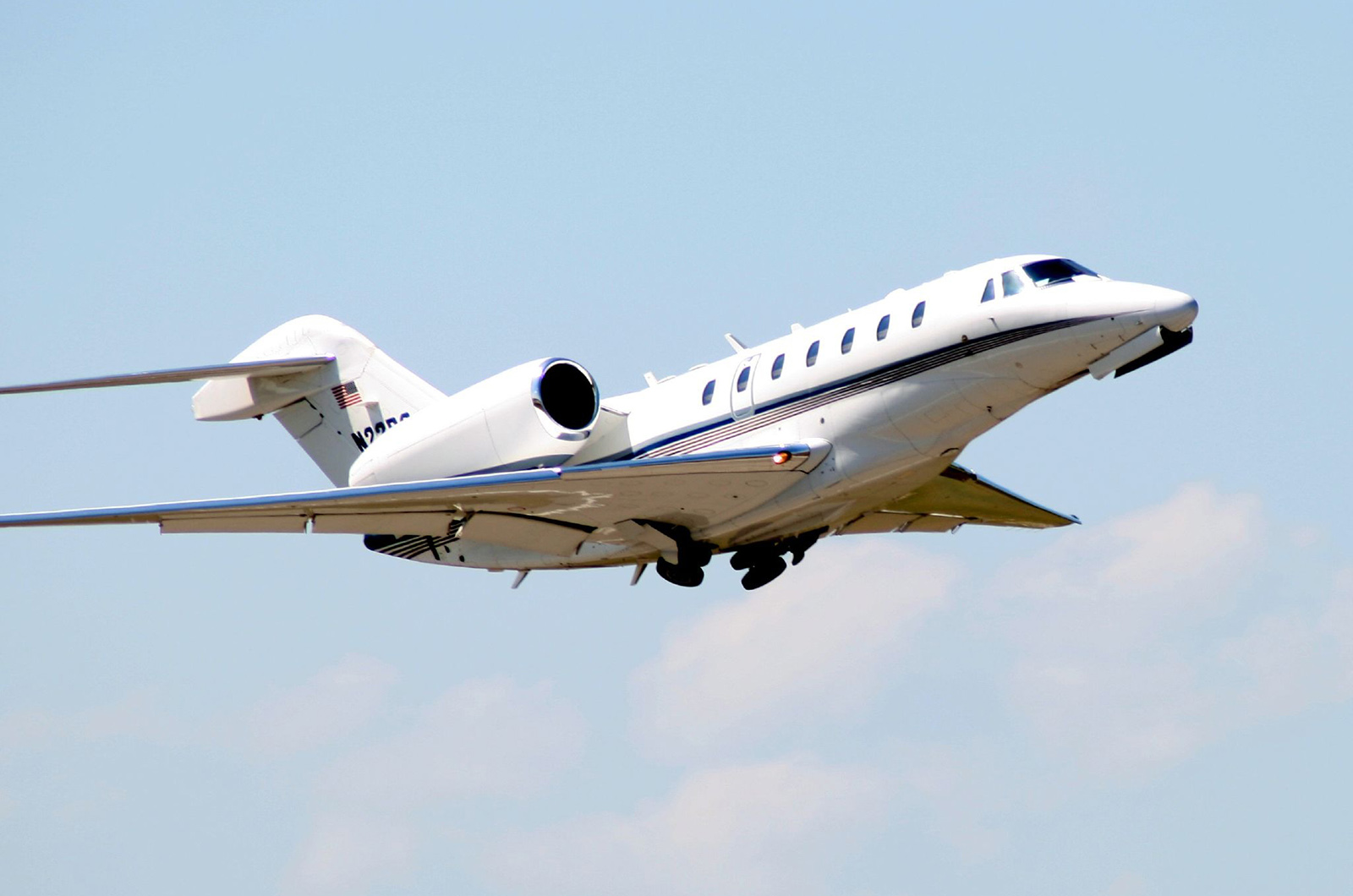
From entry into service, the Citation X became the fastest certified civilian aircraft, a title it would hold for over two decades. This achievement reshaped competitive priorities among manufacturers, forcing rivals to reconsider aerodynamic efficiency and high-speed stability rather than incremental gains in cabin size or systems sophistication.
At launch, the Citation X carried a price near $20 million, with operating costs reflecting its high fuel flow and performance envelope. It attracted corporate operators, fractional ownership programmes, and private buyers seeking time efficiency over luxury. The aircraft’s legacy lies in redefining what a subsonic civilian jet could achieve. In 2014 the Citation X evolved to become the Citation X+; introduced in 2014, its maximum cruise speed is Mach 0.935, making it one of the fastest civilian aircraft and significantly reducing transcontinental flight times.
Gulfstream G600
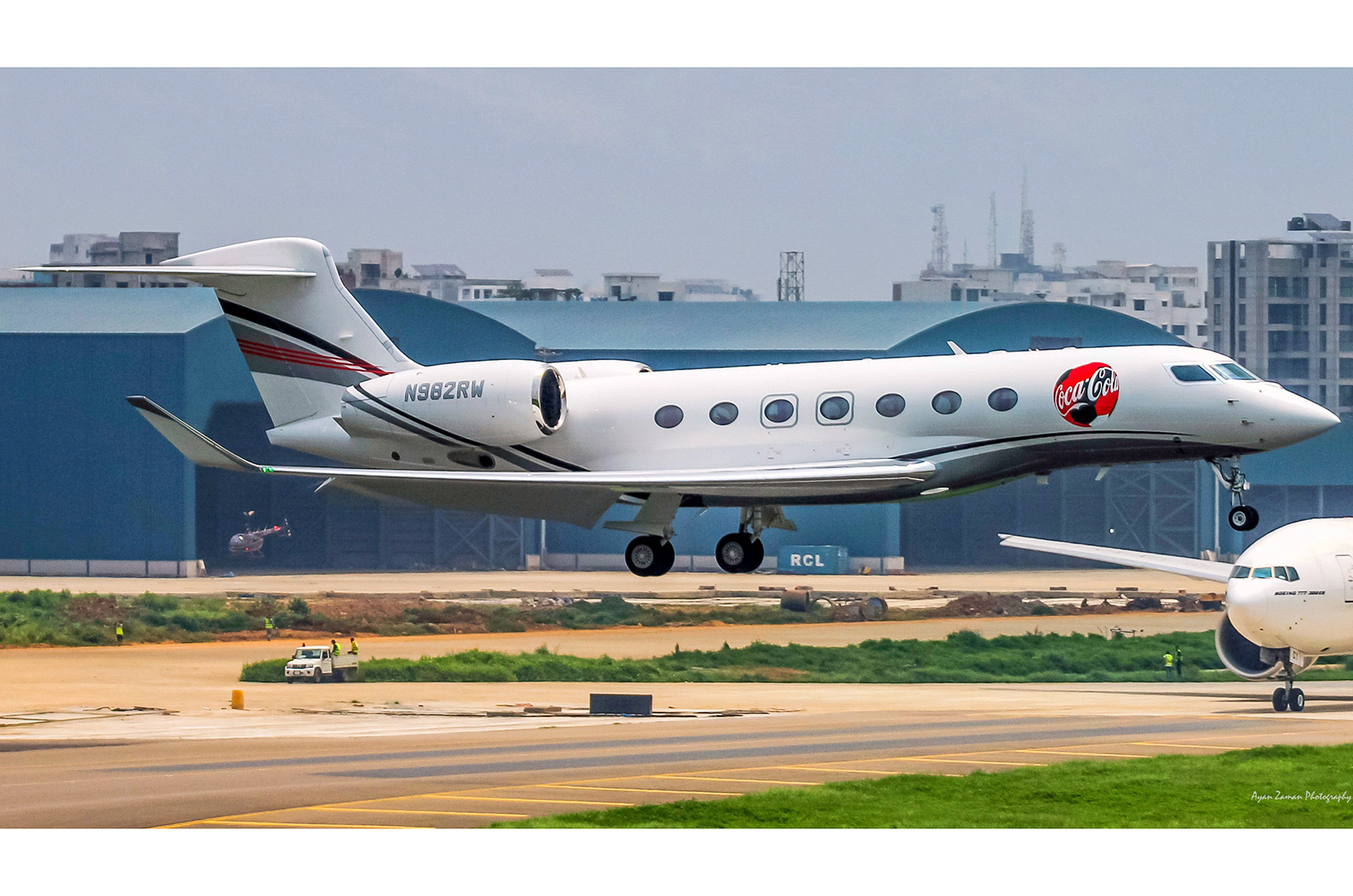
Max tested speed: ~Mach 0.95 | Max cruising speed: Mach 0.90–0.92
The Gulfstream G600 occupies the middle of Gulfstream’s large-cabin range, positioned below the G700 and G800 but above the G500. It is designed for long-range missions with high speed, targeting operators who need a balance of intercontinental reach and passenger comfort without the extreme cabin scale of the G700 or G800.
The G600 uses a derivative of the G650’s high-speed wing, optimised for sustained Mach 0.90–0.92 cruise. Its fuselage is slightly shorter than the G700, enabling high-speed efficiency while retaining four living areas and a flexible interior layout.
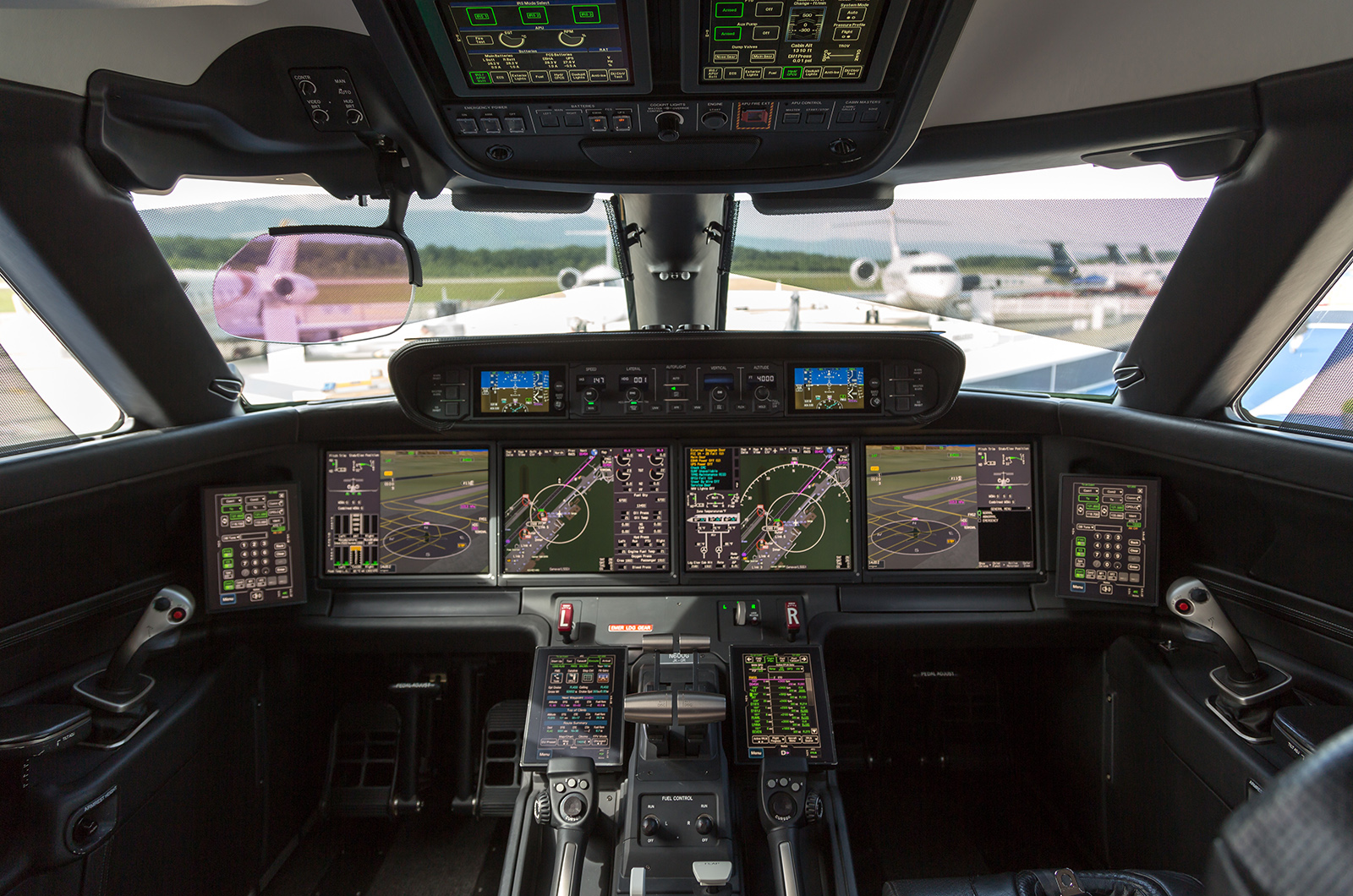
The G600 uses Rolls-Royce Pearl 700 engines, shared with the G700/G800 family, but its mission emphasises medium-to-long range sectors, rather than ultra-long hauls. Its avionics suite mirrors the Symmetry flight deck, with minor simplifications for medium-range operations, offering advanced flight controls without the full long-haul configuration of its larger siblings.
A notable design feature is the G600’s pressure bulkhead and environmental system, optimised for consistent high-altitude performance and passenger comfort at Mach 0.90+ over extended sectors. This allows operators to maintain cruise near maximum speed safely, with a strong structural margin, distinguishing it from smaller, lighter business jets in the same speed class.
Gulfstream G650
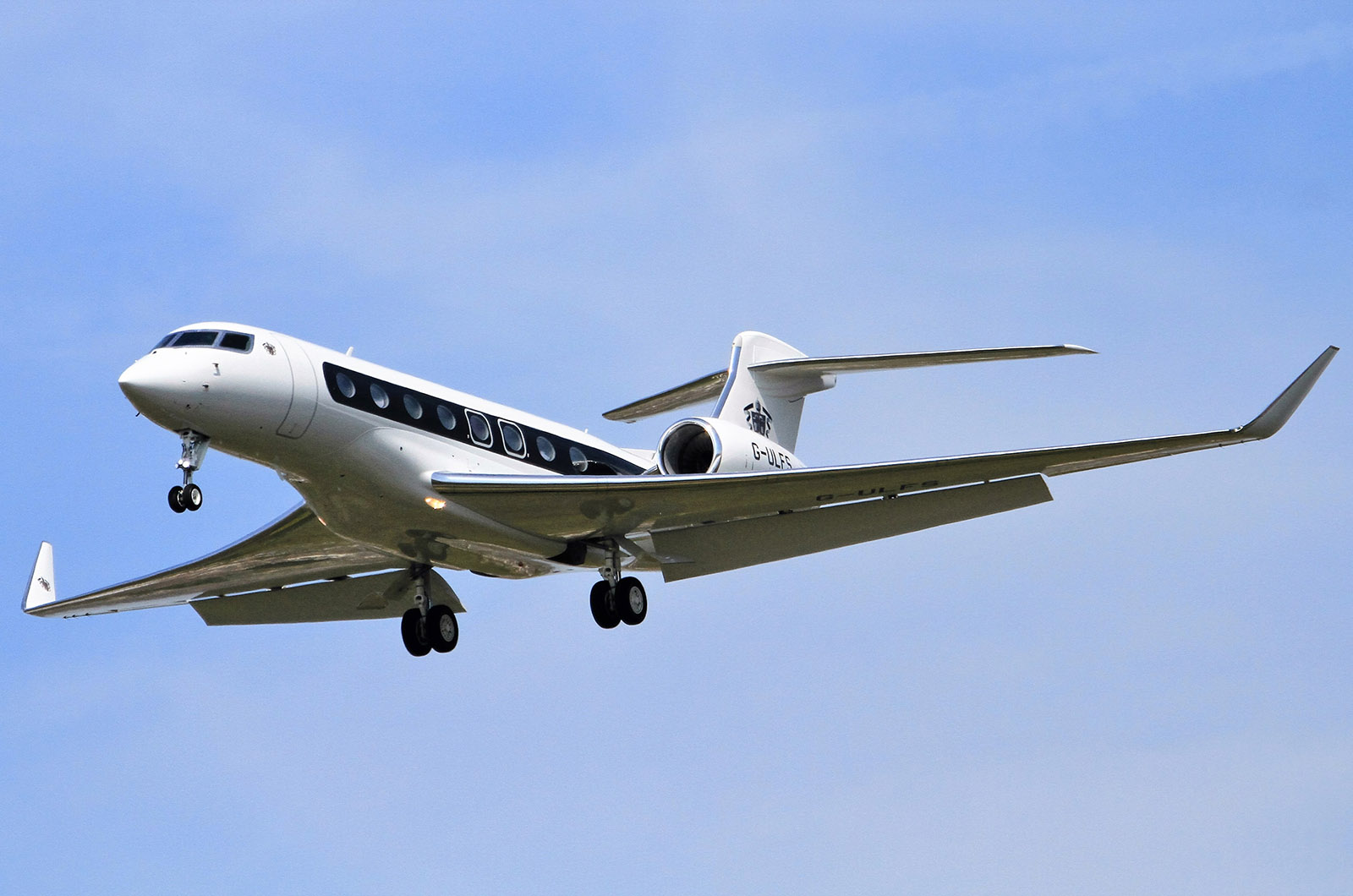
Max tested speed: ~Mach 0.95 | Max cruising speed: Mach 0.90–0.92
The Gulfstream G650, entering service in 2012, represented a generational shift in large-cabin business jet design. Rather than pursuing incremental development, Gulfstream introduced a new airframe, systems architecture, and flight deck philosophy, aimed at maximising efficiency at very high cruise altitudes while supporting intercontinental operations without compromise.
Central to the design is a newly developed wing featuring advanced computational fluid dynamics shaping, extensive use of aluminium-lithium alloys, and carefully managed laminar flow regions. This wing enables sustained cruise at high Mach numbers while maintaining low buffet margins. The aircraft is powered by Rolls-Royce BR725 engines, optimised for long-duration cruise rather than peak thrust. Essentially, the same wing is used for the G600, G700 and G800 (The G650’s wing introduced Gulfstream’s modern high-speed design; the G600 uses a closely related derivative, while the G700 and G800 feature an evolved version optimised for higher weights and a sustained Mach 0.93 cruising speed).
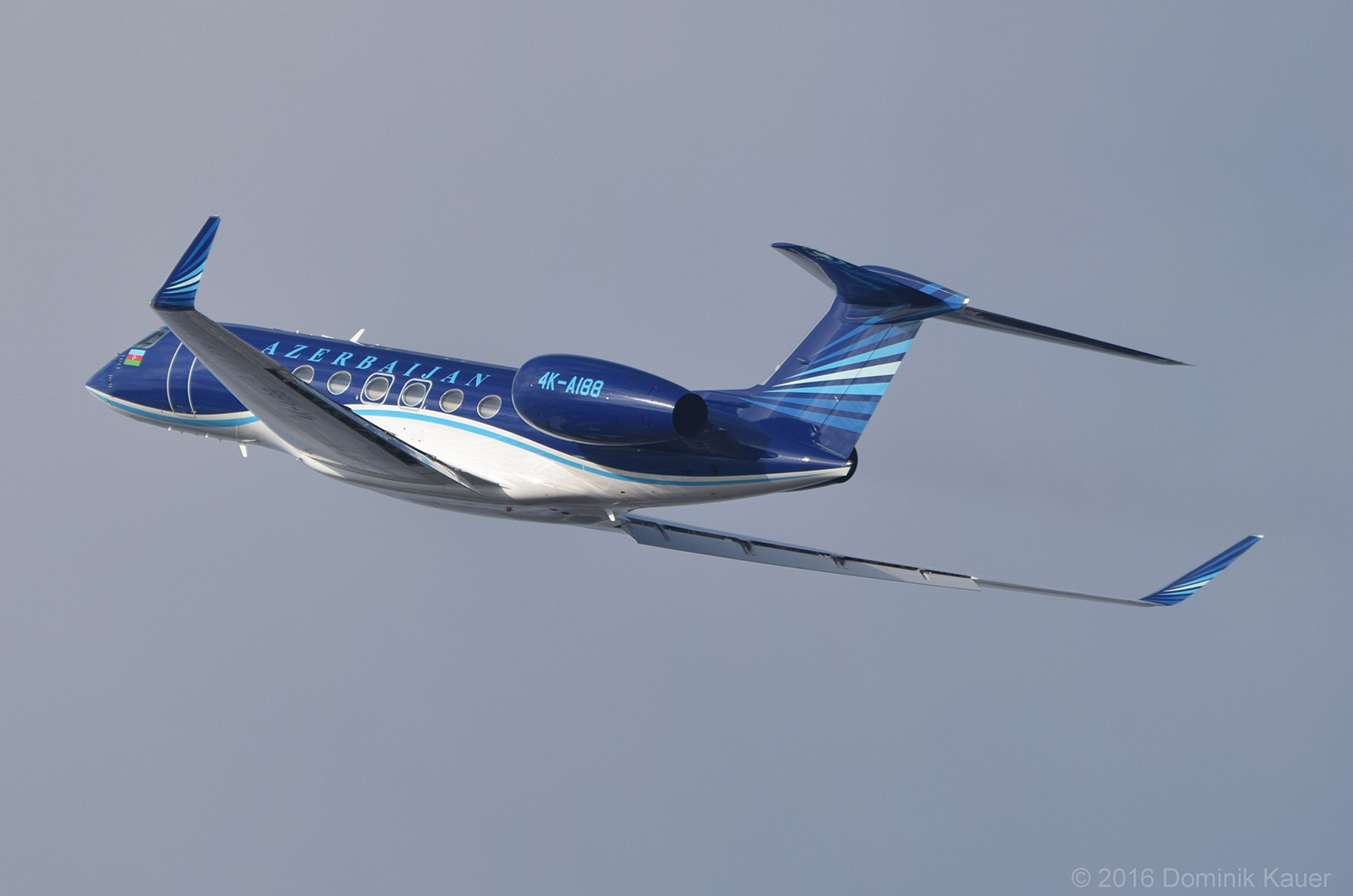
The G650ER, introduced in 2014, extended this capability through increased fuel capacity and minor structural changes, allowing ultra-long-range missions without altering the core aerodynamic design. The focus was not speed alone, but maintaining consistent performance across long sectors, high weights, and variable atmospheric conditions.
Market pricing reflected its positioning, with early aircraft exceeding $60 million. Operators typically include multinational corporations and governments requiring global reach and schedule flexibility. The G650 family is notable for redefining expectations of range and altitude in business aviation, influencing subsequent large-cabin aircraft across the sector.
Gulfstream G700
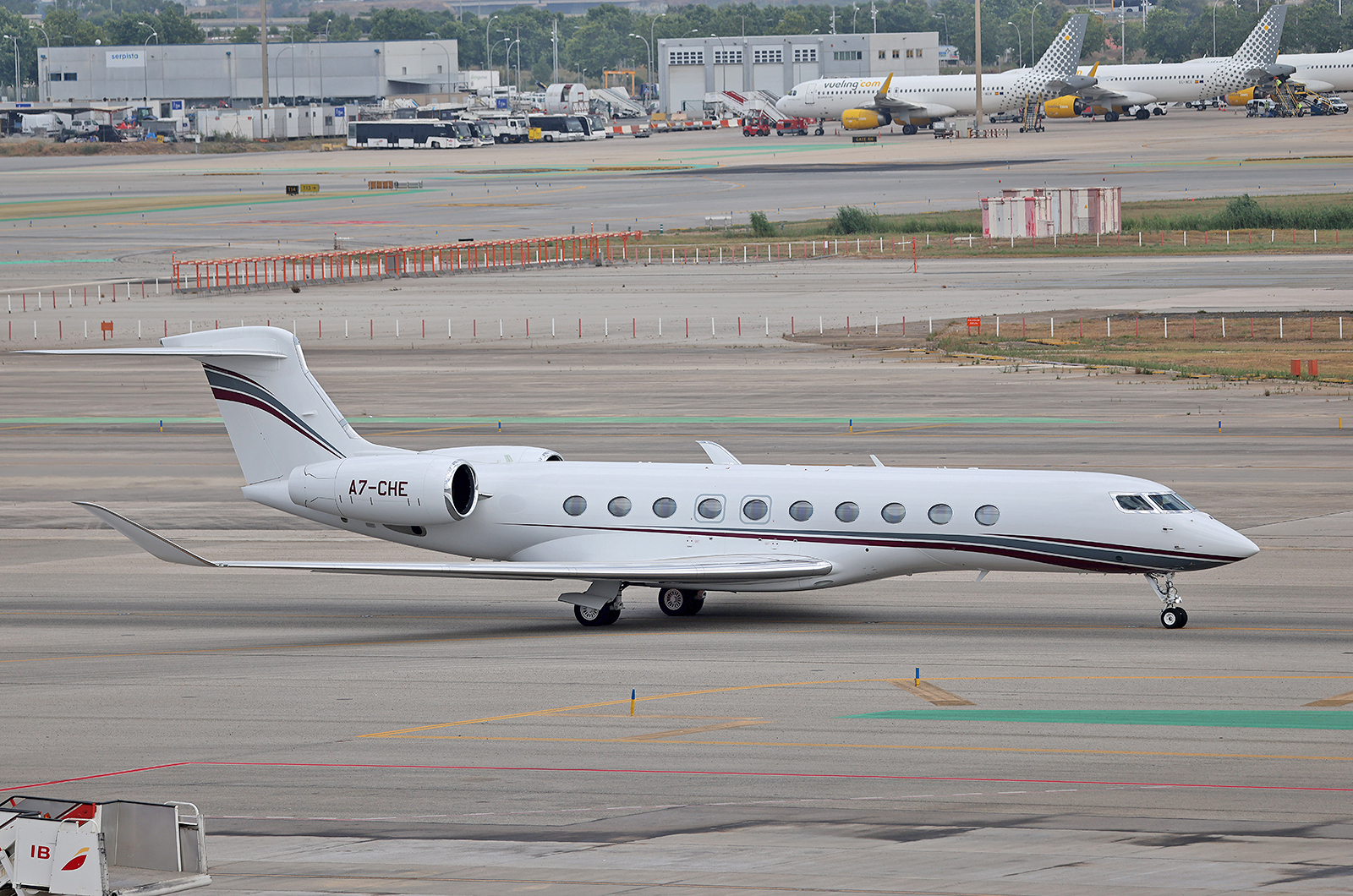
Max tested speed: ~Mach 0.95 | Max cruising speed: Mach 0.90–0.93
The Gulfstream G700 occupies the upper end of Gulfstream’s large-cabin lineup, positioned above the G650ER and alongside the longer-range G800. It prioritises cabin volume and systems capability over absolute range, targeting missions where passenger space, productivity, and sustained high-subsonic cruise are valued equally. The wing is an evolution of the G650’s wing, with refinements in sweep, aerodynamics, and winglets.
Unlike earlier Gulfstreams, the G700 introduced a wider and taller fuselage cross-section, enabling a true stand-up cabin throughout. This design supports up to five living areas and allows higher-density systems integration without compromising aisle height or pressure comfort at altitude.
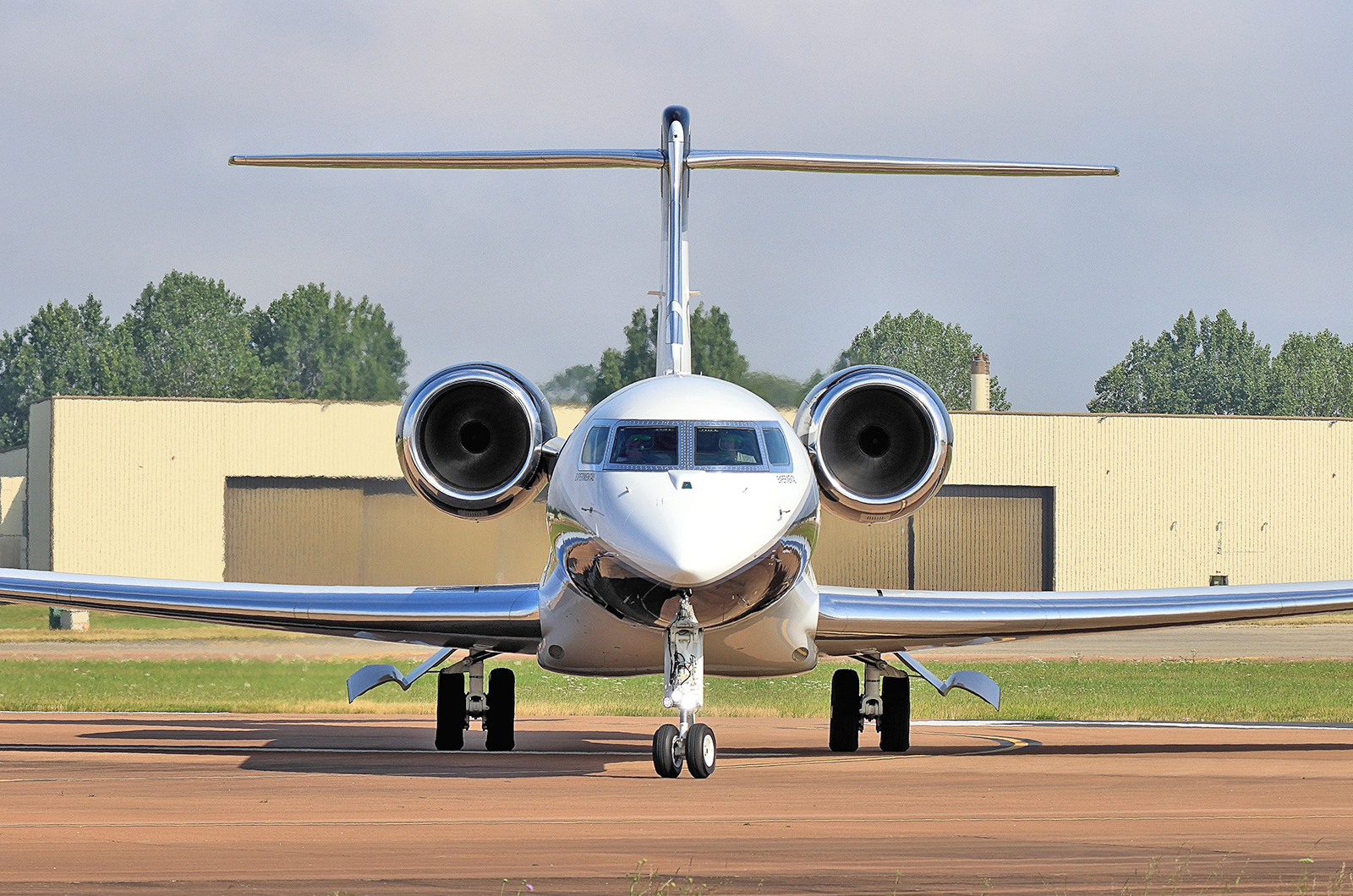
The aircraft shares its wing and Rolls-Royce Pearl 700 engines with the G800, but its mission profile differs. The G700 is optimised for slightly shorter sectors at higher average speeds, carrying heavier interior configurations while retaining strong high-altitude performance margins.
A distinctive feature of the G700 is its avionics integration. It was the first business jet certified with Gulfstream’s full Symmetry flight deck, including active-control sidesticks and extensive touch-screen system management. This cockpit architecture is not shared by older Gulfstream models or non-Gulfstream aircraft in this list.
Gulfstream G800
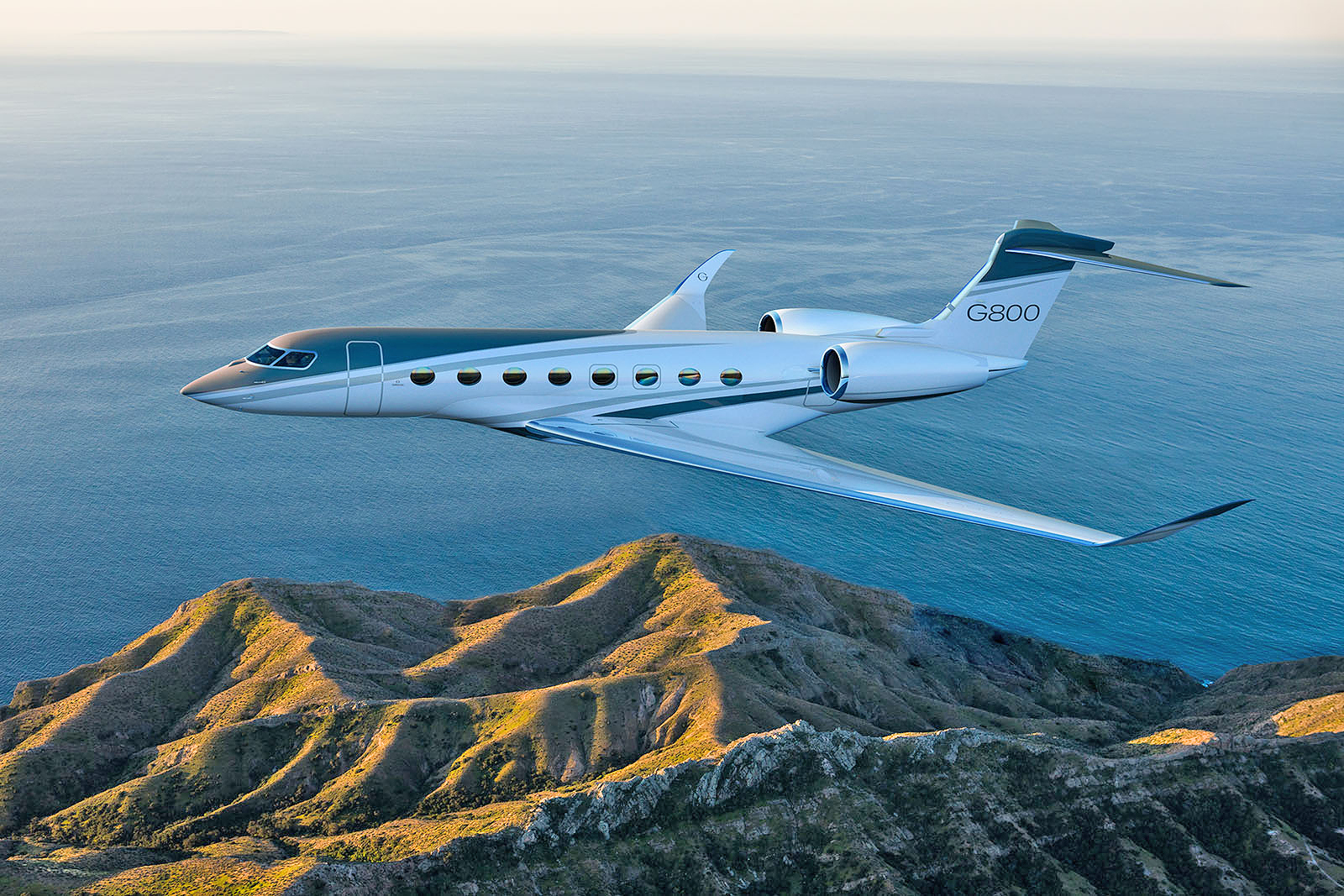
Max tested speed: ~Mach 0.95 | Max cruising speed: Mach 0.90–0.93
The Gulfstream G800 is an ultra-long-range business jet developed from the G700/G650 family. Announced in 2021, it first flew on 28 June 2022 and received certification in 2025. As mentioned, it uses the G700’s wing design and Rolls-Royce Pearl 700 engines, with a fuselage similar in length to that of the G650.
The aircraft is designed for extended-range cruise. It can cover up to 8200 nautical miles (15,186 km) at Mach 0.85 or about 7000 nm (12,964 km) at Mach 0.90, with a maximum operating speed of Mach 0.935. The wing has a high aspect ratio, raked tips, and winglets to reduce drag. The cabin typically contains four sections and 16 windows.
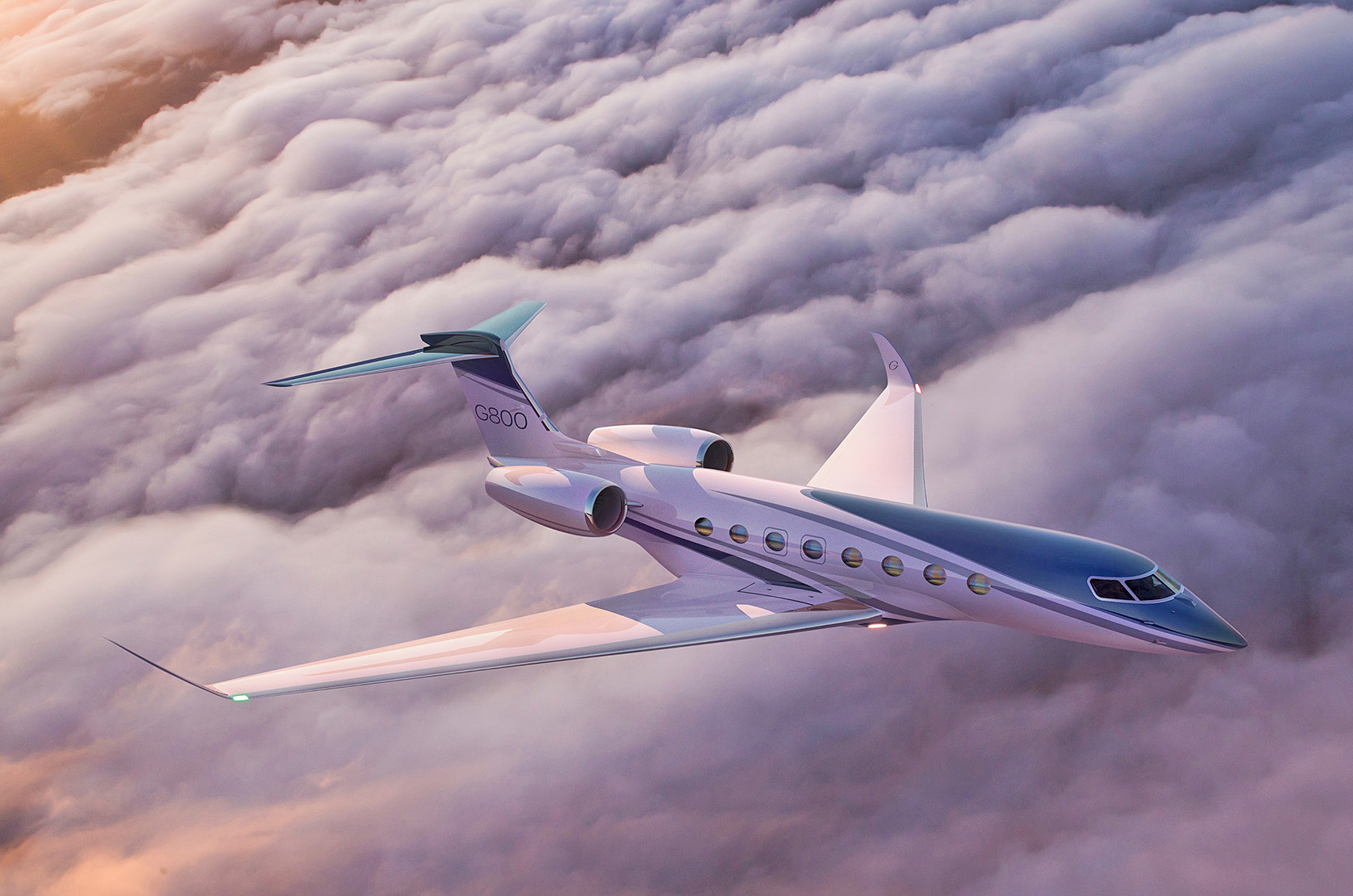
Compared with earlier Gulfstreams, the G800 has a longer range and more efficient engines while keeping a similar fuselage length. The flight deck features the Symmetry avionics suite, including automated flight controls and enhanced situational awareness.
Its structure and aerodynamics are optimised for high-speed, long-distance flight rather than short-field performance or steep climbs. The G800 is suited to nonstop intercontinental travel. Its combination of high-speed cruise, long range, and cabin space reflects design priorities for efficiency and extended flight duration. It represents the current stage of Gulfstream’s design approach, continuing the focus on high-altitude, long-distance business jet operation.
Bombardier Global 8000
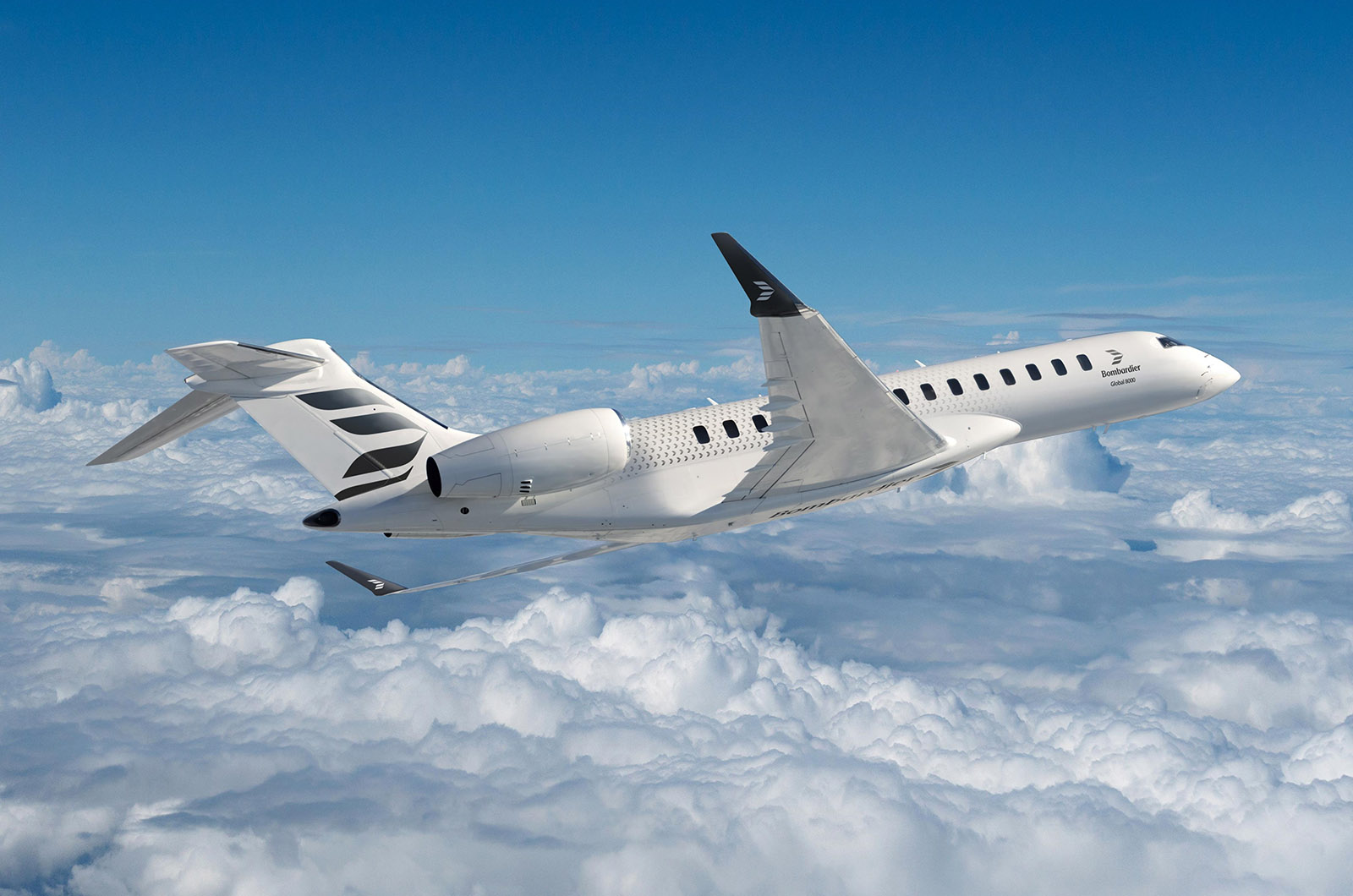
Max tested speed: >Mach 1.00 (test dive) | Max cruising speed: Mach 0.94–0.95
The Bombardier Global 8000 is exceptionally fast because it is optimised for sustained transonic flight (the speed regime just below Mach 1, where airflow is partly subsonic and partly supersonic, causing sharp increases in drag). Its highly swept wing, advanced aerofoil shaping, and careful drag-rise management allow higher cruise speeds without the penalties normally experienced by conventional business jets.
Compared with other fast business jets, the Global 8000 features a thinner, more aerodynamically refined wing, improved wing-body blending, and flight-control laws specifically tuned for high-Mach stability. Its General Electric Passport engines are designed for efficient thrust at very high altitudes, prioritising sustained speed rather than short bursts of power.
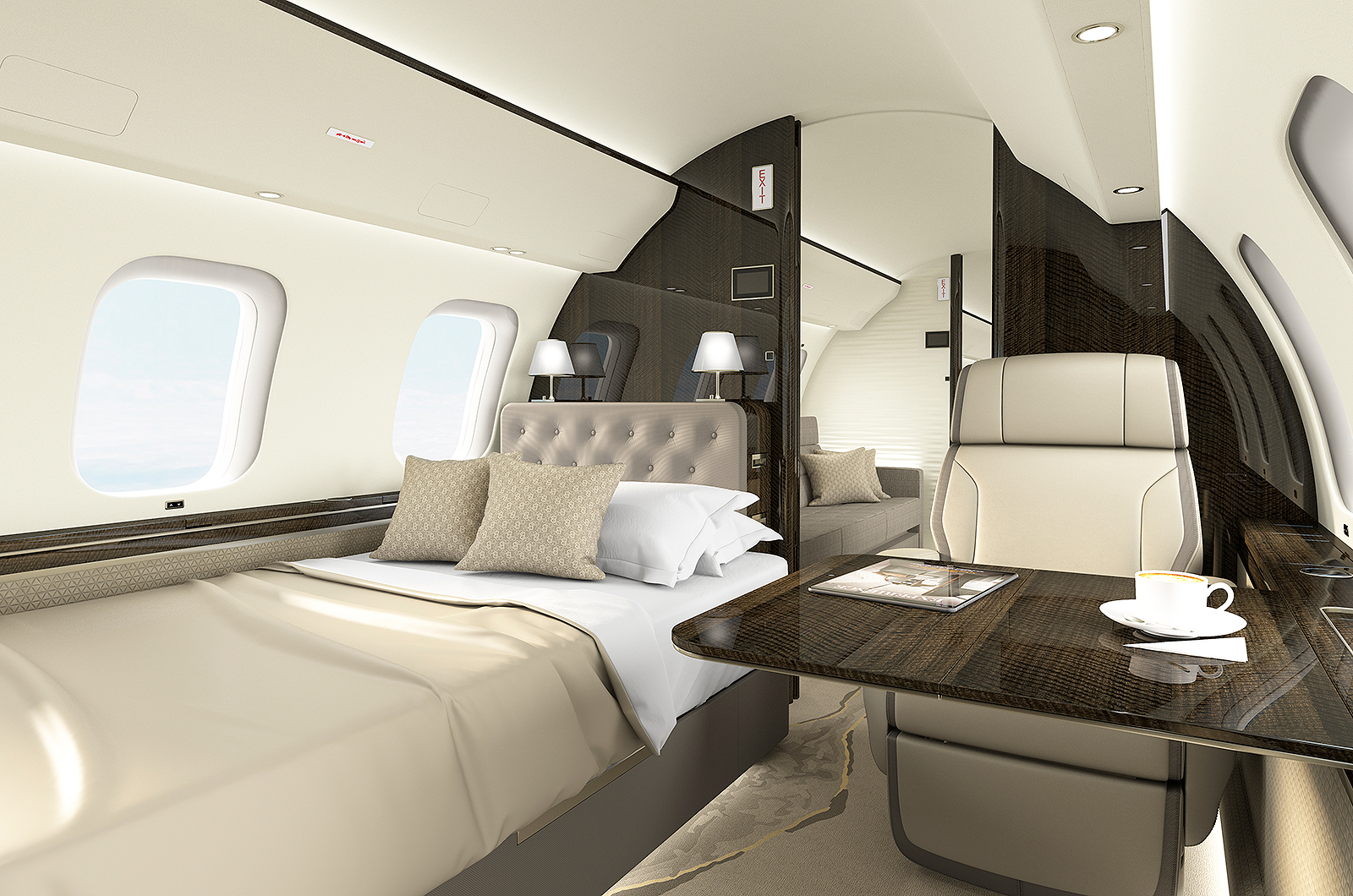
It is also an extremely expensive and luxurious aircraft, costing around $80 million each and offering a spacious, bespoke cabin aimed at the very top end of the private aviation market. Bombardier Global 8000.
During flight testing, Bombardier confirmed that the Global 8000 briefly exceeded Mach 1 in a controlled dive — not representative of normal operations — but that it demonstrated strong aerodynamic and structural margins.
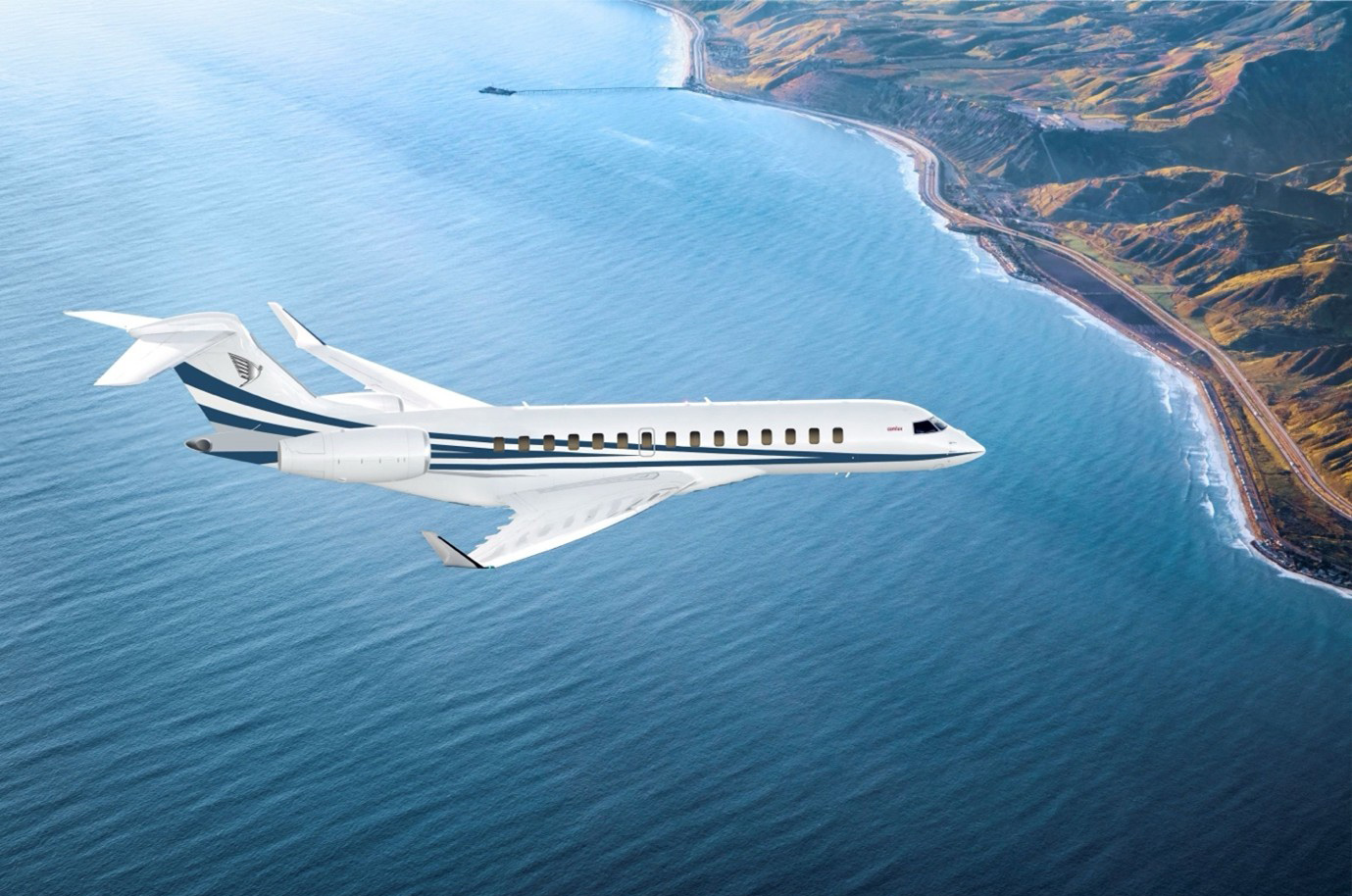
Its certified maximum operating speed is about Mach 0.95 in level flight, making it the fastest business jet approved for routine civilian use. For context, the USAF’s VC-137, using water injection and experimental afterburner operation, reached roughly Mach 0.97–0.99, while a Falcon 20 business jet fitted with an afterburner in 1988 approached Mach 1 during test work.
Supersonic airliners are not built today mainly because of sonic-boom restrictions, very high fuel consumption, noise limits, and environmental pressures. Concorde proved supersonic travel was possible but economically fragile. Modern civil aviation instead prioritises efficiency, emissions reduction, and operational flexibility, favouring very fast subsonic aircraft such as the Global 8000, though supersonic aircraft are under development.


No comments:
Post a Comment