
U.S. Delays Strikes on Iran Amid Diplomatic Efforts
U.S. President Donald Trump revealed that he had postponed a planned military strike on Iran, scheduled for Tuesday, at the request of Saudi Arabia and other Persian Gulf allies. This move comes as these nations are now seeking a diplomatic resolution to the ongoing conflict. Trump stated during a press briefing at the White House that the delay was "for a little while, hopefully maybe forever," emphasizing that discussions with Iran have been significant and could lead to a viable agreement.
Earlier in the day, Trump mentioned that leaders from Saudi Arabia, Qatar, and the United Arab Emirates had asked him to suspend the planned strikes. These countries have been targets of Iranian missile and drone attacks since the war began in late February, with damage inflicted on energy infrastructure and ports.
Qatar's Foreign Ministry spokesperson confirmed that diplomatic efforts are underway to resolve the conflict, following outreach from Gulf leaders to Trump. However, Tehran has not yet confirmed any new talks. Trump took to his social media platform, Truth Social, to express optimism about potential agreements, stating that "a Deal will be made, which will be very acceptable to the United States of America, as well as all Countries in the Middle East." He referred to Saudi Crown Prince Mohammed bin Salman, UAE President Sheikh Mohamed bin Zayed, and Qatari Emir Sheikh Tamim bin Hamad as key figures in this process.
The U.S. has repeatedly threatened renewed military action since a ceasefire was agreed upon on April 8. Despite this, progress toward a peace deal has stalled, with recent clashes occurring in the Strait of Hormuz. The strait, a critical shipping route, remains largely closed, leading to surging energy prices and increasing unpopularity of the war in the U.S. Fuel prices have reached their highest levels in almost four years.
Brent crude oil fell by approximately 1% on Tuesday, trading above $111 per barrel in response to Trump’s announcements. Although the benchmark is still up over 50% since the war began with U.S.-Israeli strikes on Iran, analysts note that Trump’s verbal interventions have less impact on prices unless backed by concrete actions.
Economic Impacts of Rising Energy Prices
The increase in energy prices has raised concerns about higher inflation and slower economic growth globally. This has led to a surge in yields on long-term U.S. Treasury bonds, reaching their highest level in nearly two decades. Recent days have seen bond yields jump as traders anticipate central banks may need to tighten monetary policy.
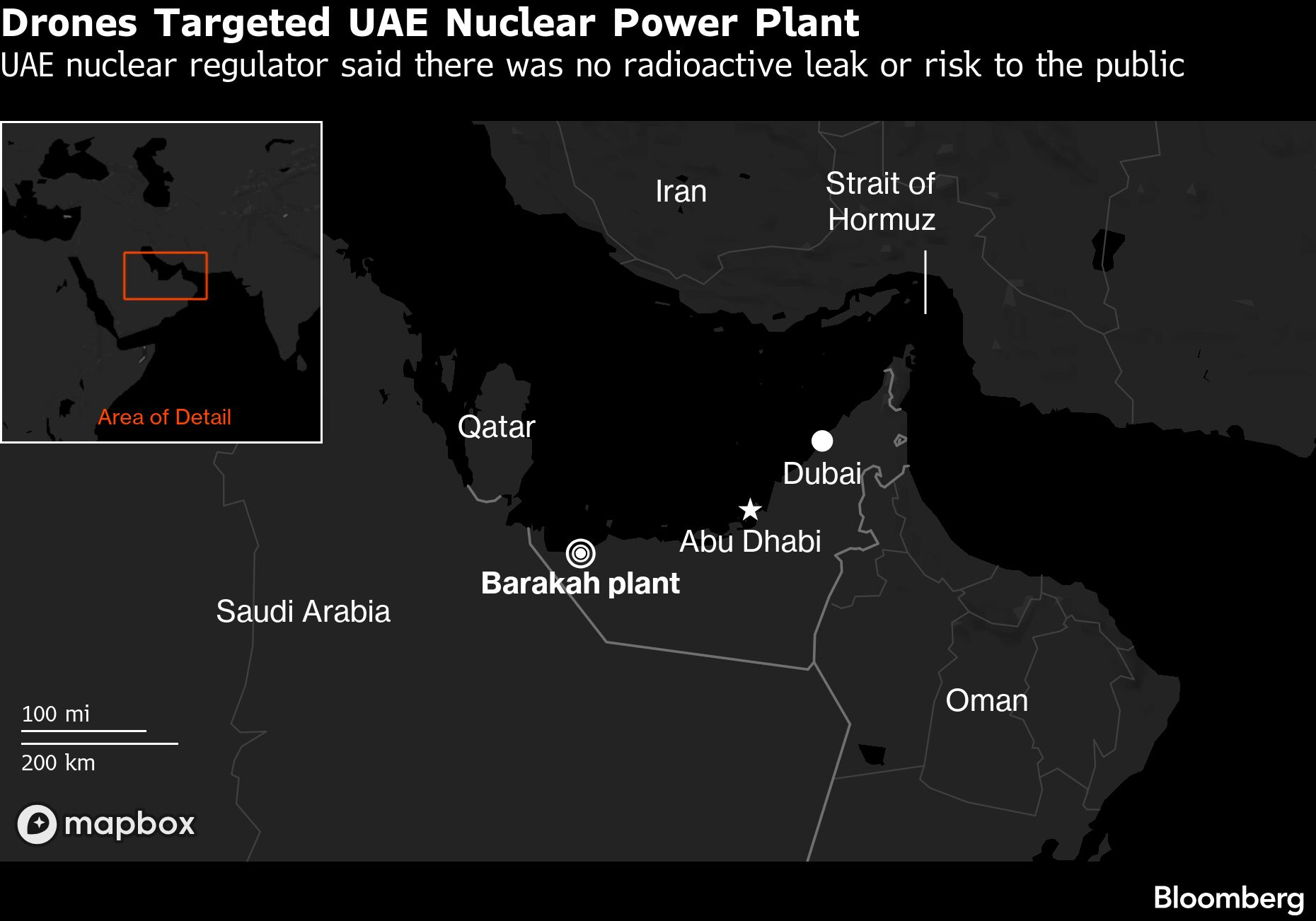
The fragility of the current truce was highlighted on Sunday when a drone attack hit the UAE’s Barakah nuclear-energy plant, causing a fire and forcing engineers to activate emergency generators. The United Nations’ nuclear watchdog confirmed that normal power had been restored at Barakah, alleviating safety concerns regarding the Middle East’s largest atomic plant.
Trump’s statements reflect the complex position he faces. Iranian leaders, viewing the war as an existential threat, have taken a firm stance, demanding the U.S. lift a blockade on Iranian ports, assurances against future attacks, continued control over traffic through Hormuz, and war reparations. Additionally, Iran insists it will not accept any deal that completely bans its uranium enrichment activities, a key goal for many U.S. and Israeli officials.
Ongoing Tensions and Regional Responses
Iran has signaled that it could again target its Gulf neighbors if the U.S. renews its attacks. The UAE has been particularly vocal in its rhetoric and attempted to coordinate strikes on Iran with the Gulf Cooperation Council early in the war. However, these efforts were unsuccessful, and the UAE carried out limited attacks on its own, as did Saudi Arabia, according to sources familiar with the matter.
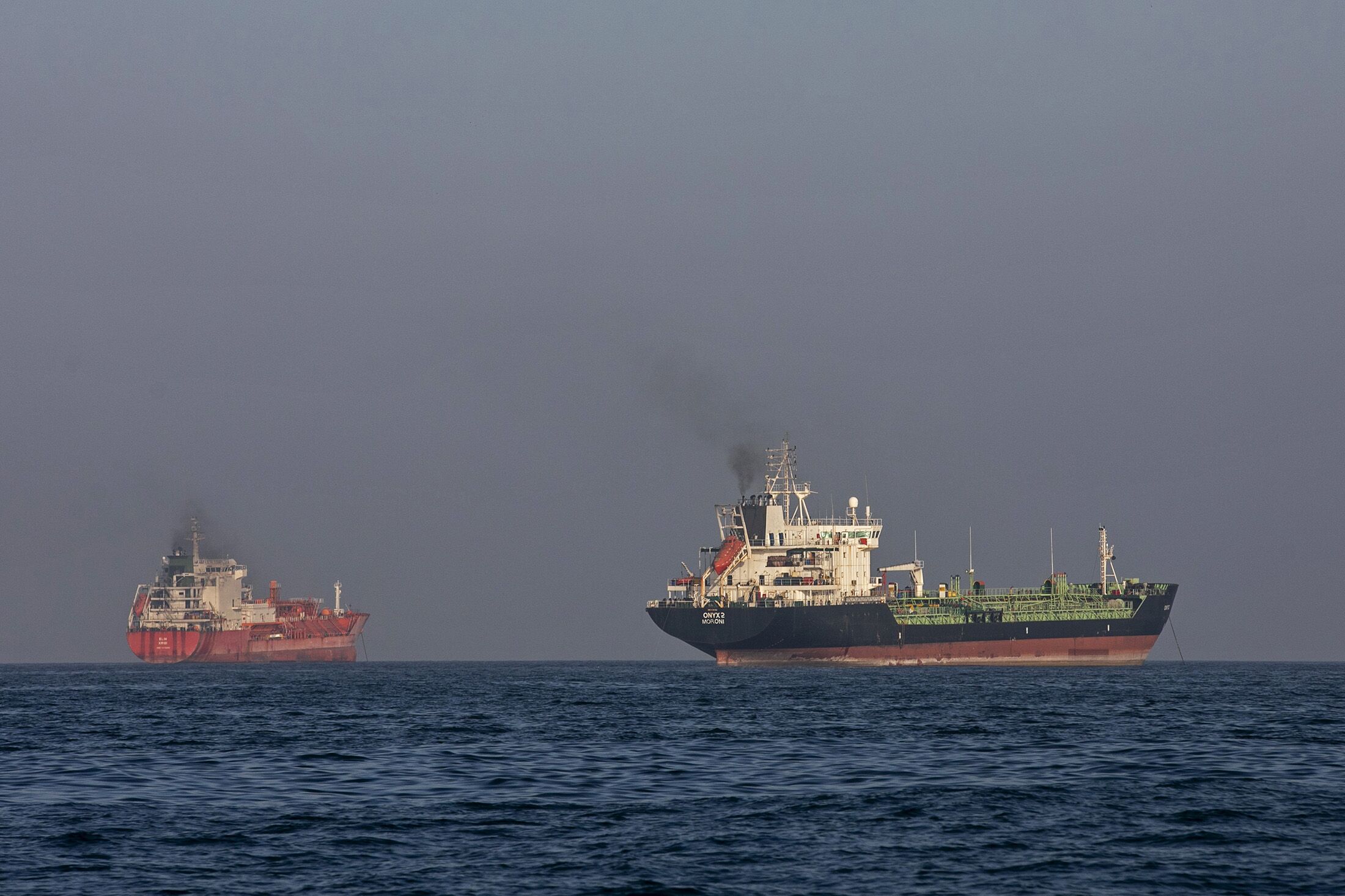
Other developments include U.S. Treasury Secretary Scott Bessent urging European partners to join the U.S. in taking action against Iran during his G-7 speech. He also called on the Middle East and Asia to combat Iran’s shadow banking networks. Meanwhile, U.S. Central Command has redirected 88 vessels and disabled four while enforcing the blockade of the Strait of Hormuz.
Russian President Vladimir Putin is set to visit China on Tuesday and Wednesday, where he is expected to discuss the Iran war with Xi Jinping.
Additional stories like this can be found through various news platforms.


No comments:
Post a Comment