
UK Group Look Mum No Computer Ends Last in Eurovision with Zero Public Votes
UK's Eurovision Entry Faces Criticism and Controversy
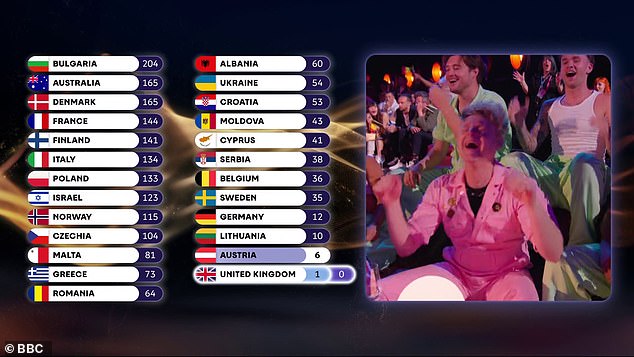
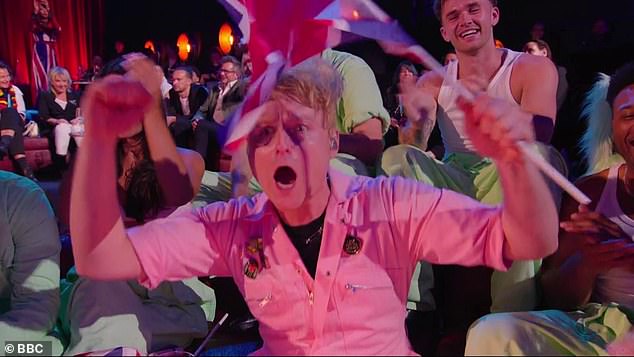
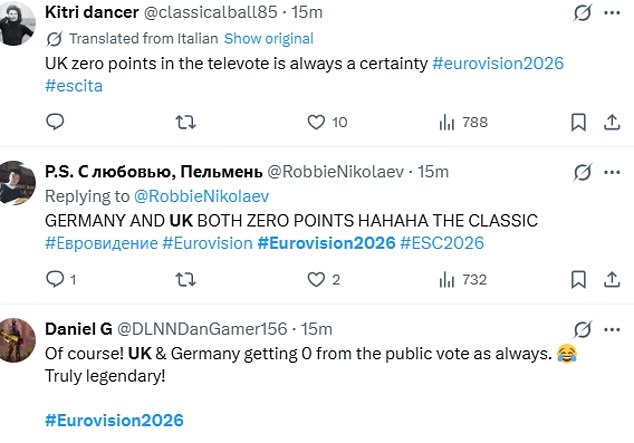
The United Kingdom's participation in the 70th edition of the Eurovision Song Contest has once again sparked a mix of reactions from fans and critics alike. The UK's entry, performed by the electronic musician known as Look Mum No Computer, finished in last place with zero points from the public vote and just one point from the jury. This outcome has led to widespread commentary on social media platforms, with many expressing disappointment and even humor about the performance.
A Performance That Left Fans Divided
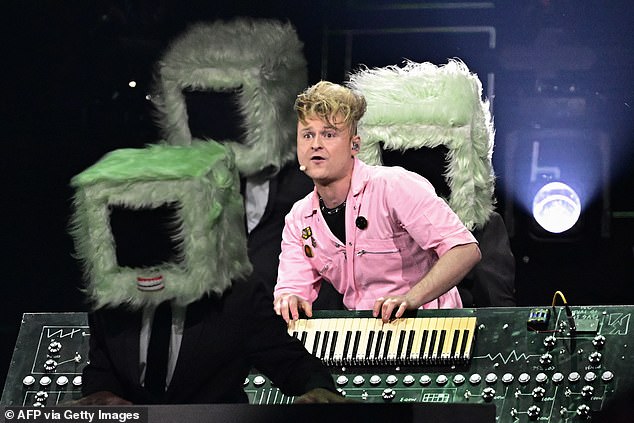
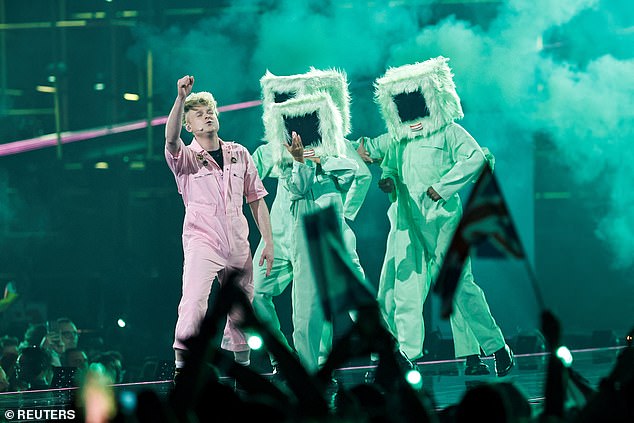
Look Mum No Computer, whose real name is Sam Battle, took to the stage in Austria with his quirky song "Eins, Zwei, Drei," accompanied by fur-clad robots. Despite the creative and unusual presentation, the performance did not resonate with the voting public, resulting in a lack of support.
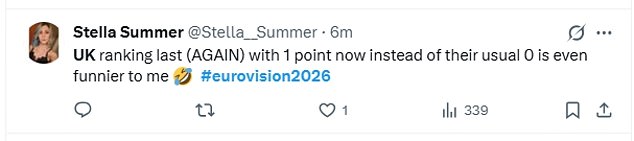
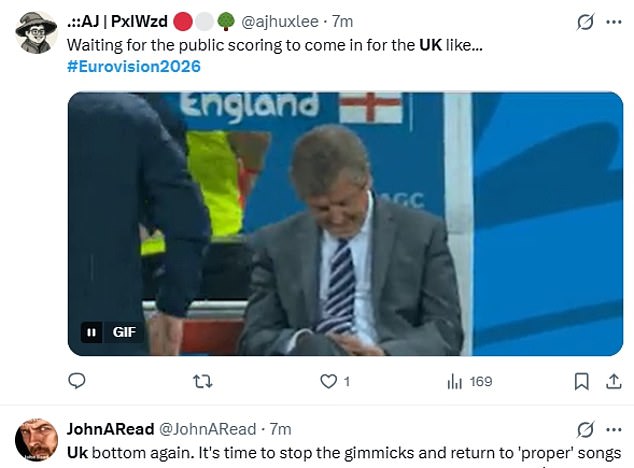
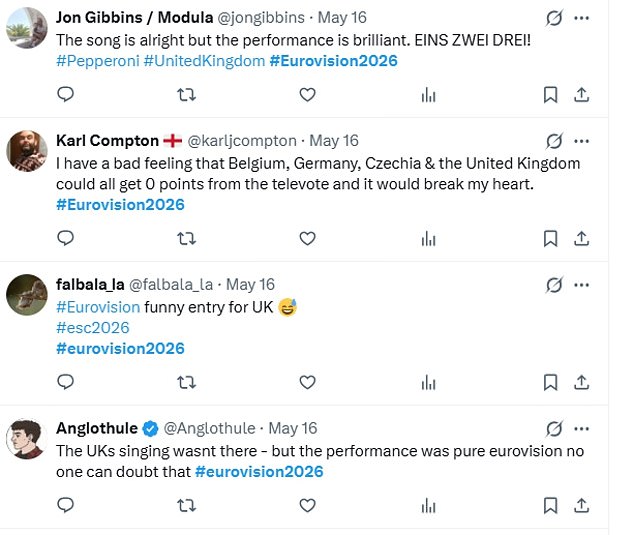
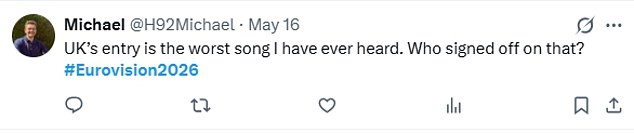
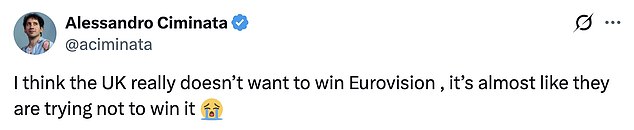
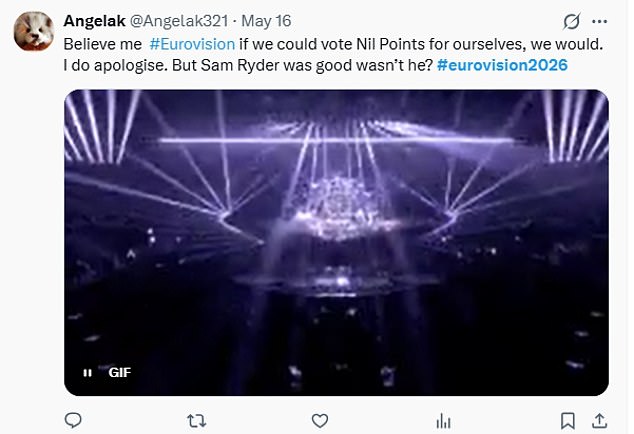
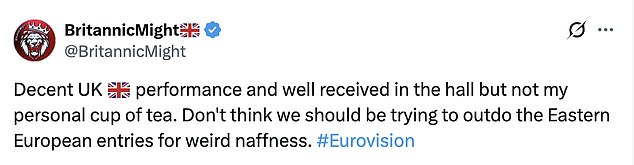
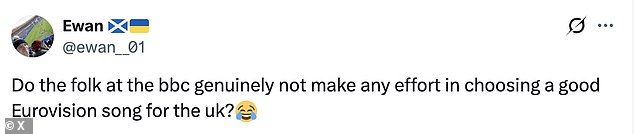
Fans took to Twitter to share their thoughts, with some joking about the UK's repeated last-place finishes. One user wrote, "UK ranking last (AGAIN) with 1 point now instead of their usual 0 is even funnier to me." Others expressed frustration, suggesting that the UK should return to more traditional songs rather than relying on gimmicks.


Mixed Reactions to the Song
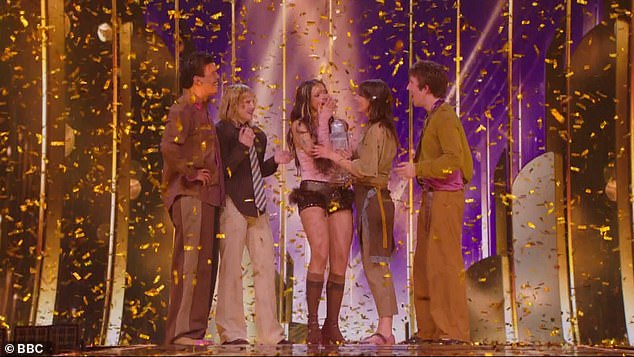
While many criticized the performance, some fans defended it, stating that although the song may not have been their favorite, it was a fitting choice for the Eurovision contest. One fan remarked, "The song was alright but the performance was brilliant." Another noted, "The UK's singing wasn't there but the performance was pure Eurovision."
Despite the mixed feedback, the artist has built a significant following over the years. Since launching his YouTube channel in 2016, he has amassed over 85 million views and 1.4 million combined subscribers across his various social accounts.

Australia's Strong Showing
In contrast to the UK's performance, Australia's entry, Delta Goodrem, emerged as a strong contender. Her ballad "Eclipse" during the semi-finals propelled her to the grand final for the first time in three years. This performance highlighted the competitive nature of the event, where each country strives to showcase its best talent.
Political Tensions at Eurovision
The contest, which celebrates unity through music, has faced challenges this year. Five countries—Spain, the Netherlands, Ireland, Iceland, and Slovenia—have boycotted the event due to Israel's participation. This boycott has added a layer of political tension to what is typically a celebration of cultural diversity.
The Israeli entry, Noam Bettan, faced criticism during his performance at the first semi-final, with audience members chanting "Free Palestine" and "Stop the genocide." Security measures were taken, and Bettan is reportedly receiving protection from multiple agencies during his stay in Vienna.
Conclusion
The 70th edition of the Eurovision Song Contest has been marked by both musical performances and political controversy. While the UK's entry faced criticism, the event continues to be a platform for creativity and cultural exchange. As the competition unfolds, fans around the world will be watching closely to see which country can claim the title of Eurovision champion.
Post a Comment for "UK Group Look Mum No Computer Ends Last in Eurovision with Zero Public Votes"