
The Growing Challenge of Weight in Performance Cars
Modern performance cars are facing a complex challenge. Engineers are striving to deliver more power, stricter emissions compliance, greater refinement, improved safety, and longer electric driving capability. However, achieving these goals often comes at the cost of increased weight. This is a dilemma that has become increasingly apparent in the automotive industry.
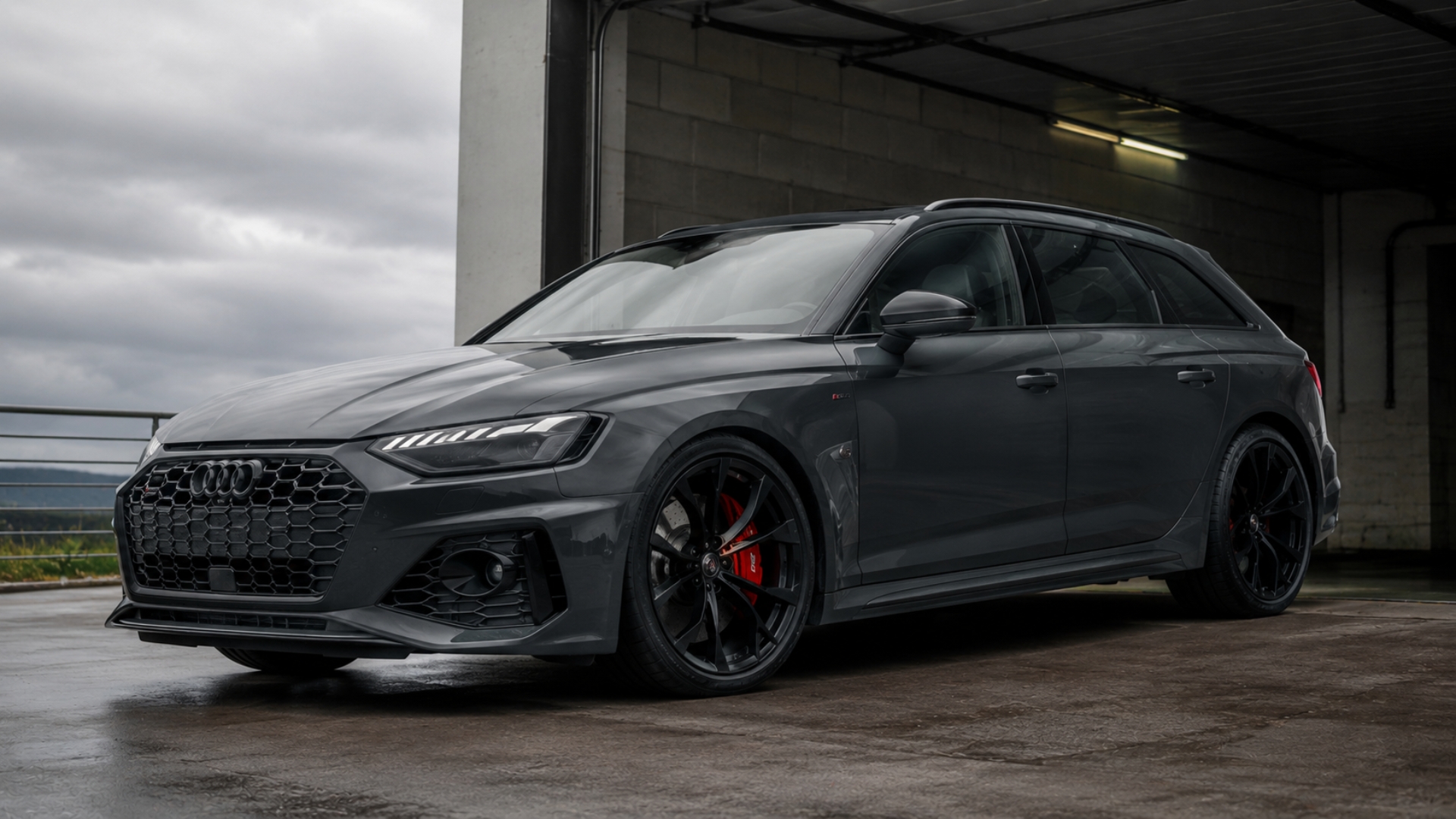
The new Audi RS5 exemplifies this reality. Its plug-in hybrid system delivers an impressive 630 horsepower and significant torque, placing it among the most powerful RS models ever built. Yet, it also carries a curb weight of roughly 2.3 tonnes, a figure that would have been unthinkable for a performance sedan or wagon just a few years ago.
This raises an intriguing question: can engineering effectively compensate for such substantial mass?
Audi's Technological Approach to the Problem
Audi is well aware of the challenges posed by the RS5's weight. Rather than relying solely on horsepower to mask its size, the car is equipped with advanced chassis systems, adaptive suspension, rear-wheel steering, and the latest evolution of Audi's quattro all-wheel-drive system.
The goal is not to make the car feel light, but to make it feel smaller, sharper, and more responsive than its specifications suggest. This approach is becoming increasingly common in the high-performance luxury segment. If weight cannot be eliminated, it must be managed effectively.
Early impressions suggest that the RS5 succeeds in hiding its size when driven enthusiastically. This indicates that Audi's strategy may be working.
Electrification and the Changing Landscape of Performance Cars
The RS5's transformation reflects a broader trend in the automotive industry. Performance brands once relied on larger engines and lighter construction to improve speed. Today, electrification offers a different path. Electric motors provide instant torque, improved traction, and stronger acceleration while helping manufacturers meet emissions targets.
However, there is a trade-off: weight. Batteries are heavy, and even modest plug-in hybrid packs add significant mass. This reality has reshaped expectations across the performance segment. Cars that were once considered extremely heavy are now becoming the norm.
Audi is not alone in facing this challenge. Rivals such as BMW, Mercedes-AMG, Porsche, and Bentley are all navigating similar compromises as electrification spreads through their performance lineups.
The Shift from Speed to Engagement
What makes the new RS5 particularly interesting is that acceleration is no longer the main challenge. With 630 horsepower available, straight-line performance is largely a solved problem. Many modern performance cars can achieve extraordinary acceleration figures regardless of their weight.
The real challenge lies in creating driver engagement. Drivers notice how a car changes direction, how it communicates through the steering wheel, and how naturally it responds to inputs. These qualities become harder to maintain as vehicles grow heavier.
This is where the RS5 faces its toughest test. Audi's engineers have focused heavily on making the car feel agile rather than simply fast. Whether they have fully succeeded will likely determine how enthusiast buyers judge the car.
Buyer Perspectives: Weight vs. Performance
The discussion surrounding the RS5's mass often comes from enthusiasts and journalists. However, most buyers approach the issue differently. Customers in this segment want a combination of performance, luxury, technology, daily usability, and long-distance comfort.
Many are willing to accept additional weight if it delivers electric driving capability, improved refinement, and stronger acceleration. Viewed through this lens, the RS5 begins to make more sense.
It is not trying to be a lightweight sports coupe. Instead, it aims to be a highly capable all-weather performance machine that can function as a luxury daily driver while delivering supercar-rivalling power. This is a very different mission.
The Broader Significance of the RS5
The significance of the new RS5 extends beyond one model. It serves as a preview of where performance cars are heading. Electrification is allowing manufacturers to achieve extraordinary power outputs, but it is also forcing them to rethink how they create driver engagement.
The traditional formula of reducing weight and increasing power is becoming harder to follow. Regulations, safety requirements, battery technology, and customer expectations all push vehicles in the opposite direction.
The RS5 represents one answer to this dilemma.
Redefining the Future of Performance
The new Audi RS5 may never be celebrated for its lightness. That battle was effectively lost the moment the industry embraced large batteries, advanced safety systems, and increasingly complex luxury technology. Instead, Audi's task is to prove that a 2.3-tonne performance car can still feel exciting, responsive, and rewarding.
If the RS5 succeeds, it will strengthen the argument that intelligent chassis engineering can compensate for substantial mass. If it falls short, it will reinforce the growing concern that modern performance cars are becoming too heavy for their own good.
Either way, the RS5 highlights one of the most important debates facing the automotive world today. The future of performance is no longer about finding more power. It is about finding ways to make all that weight disappear from the driver's mind.


No comments:
Post a Comment