
Aussie Employers Hired PIs to Catch WFH Cheats – Investigator Shares Tips to Stay Undetected
Rising Concerns Over Workplace Surveillance in Australia
With the shift to remote and hybrid work models becoming more common, especially following the pandemic, many Australian employers are now turning to private investigators (PIs) to monitor their employees' activities. This trend has sparked a growing debate about privacy, trust, and the balance between employer oversight and employee autonomy.
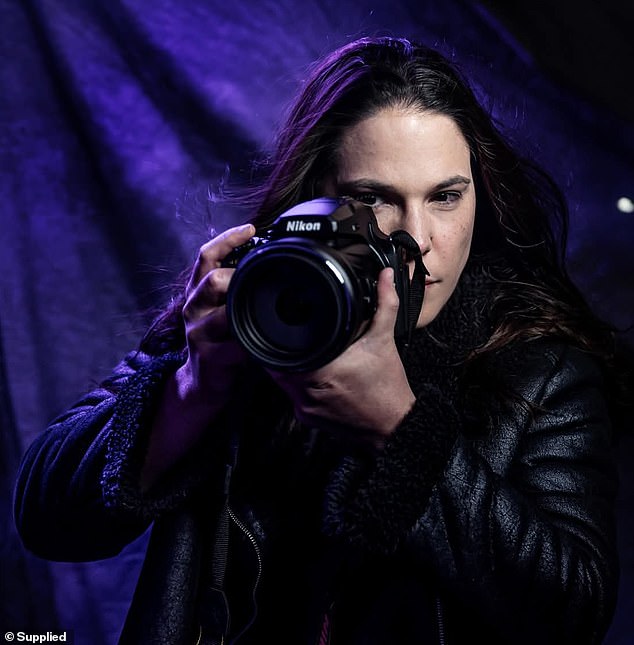
Private investigator Amy Elliott, who runs the National Inquiry Agency (NIA), shared insights with the Daily Mail about how her firm has been increasingly approached by employers seeking to verify whether their staff are actually working from home. According to Ms. Elliott, the main concern is ensuring that employees are fulfilling their job responsibilities while working remotely.
"Employers want to make sure they're actually working from home," she explained. "They ask us if they're working from home with an hour break. They ask us if they're actually doing that or if they're going out or maybe working at a café."
This kind of surveillance is often conducted within legal boundaries. Ms. Elliott noted that investigators typically use simple techniques to confirm an employee's location and activities during the workday. These methods include checking if a car is parked in the driveway, observing movement inside the house, or even calling an employee’s phone number from a burner number to see if it rings inside the home.

The Impact of Remote Work on Employee Behavior
While most employees are adhering to their work-from-home obligations, some are taking advantage of the flexibility. Ms. Elliott highlighted that a portion of workers are using their remote hours for personal errands, shopping, or even socializing. In certain cases, this behavior can be severe enough to warrant disciplinary action.
She cited examples where employees claimed to be unable to work due to medical conditions but were later found engaging in activities like playing golf or spending time with friends. In one case, an employee falsely claimed to have cancer and needed time off for treatment. However, the investigation revealed that the individual was not only healthy but also moonlighting as a personal trainer at a local gym.


Industries Most Affected by Remote Work
The shift to remote work has had a significant impact across various industries. According to recent data, the top sectors with the highest rates of remote work include finance and insurance (66 per cent), communications (61 per cent), property and business services (57 per cent), and public administration (56 per cent).
Ms. Elliott emphasized that while remote work offers convenience and flexibility, it also requires careful management to prevent abuse. She advised employees who wish to avoid being monitored to take certain precautions. For instance, parking a car in the garage or leaving home early in the morning could help avoid detection.
"If you're saying you're working from home and you don't want your employer to know your movements, you should put your car in your garage," she said. "If you want to go out to a café and don't want to be followed, leave your home before 9am. Get out early."
She also mentioned that surveillance operations typically start as early as 6am, so leaving the house before that time could help avoid being noticed. For tradespeople, however, the surveillance might begin even earlier, around 4:30am, making it necessary to adjust schedules accordingly.
Balancing Privacy and Employer Interests
As remote work continues to shape the future of employment, the tension between employer oversight and employee privacy remains a critical issue. While employers have a right to ensure productivity, employees also have a right to privacy and autonomy.
The role of private investigators in this landscape highlights the growing complexity of modern workplace dynamics. As technology and remote work models evolve, so too will the strategies used by both employers and employees to navigate this new reality.
Post a Comment for "Aussie Employers Hired PIs to Catch WFH Cheats – Investigator Shares Tips to Stay Undetected"