
RBNZ's Inflation Test: Rate Hikes Threaten Jobs Crisis
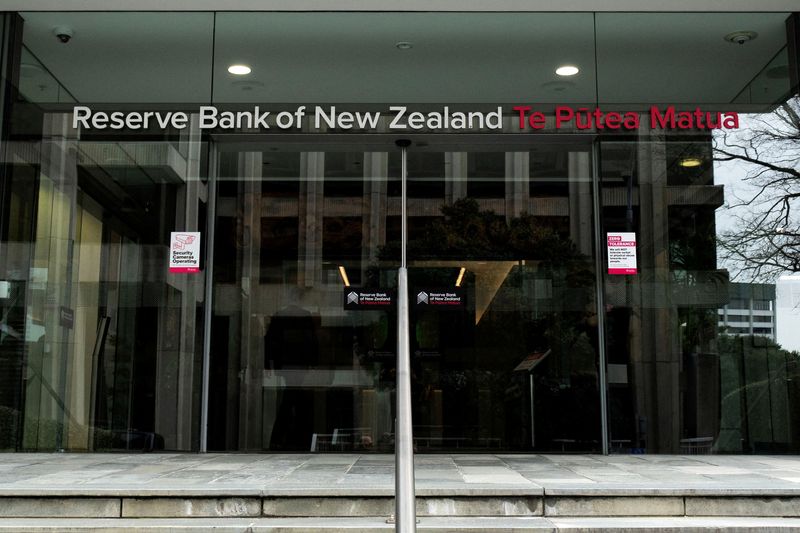
The Dilemma of New Zealand's Central Bank
New Zealand is facing a complex economic challenge as the Reserve Bank of New Zealand (RBNZ) grapples with rising inflation and an already high unemployment rate. This situation has placed the government in a difficult position, especially as it prepares for a closely contested general election. The central bank's focus on inflation could lead to higher interest rates, which may further increase the jobless rate. This scenario has sparked discussions about the possibility of returning to a dual mandate, which would allow the RBNZ to consider both inflation and employment.
Inflation and Unemployment: A Tough Balance
The RBNZ is expected to face an energy shock due to the conflict in Iran, which could push inflation up to 4.3% in the coming months. This is significantly higher than the target range of 1% to 3%. However, the current unemployment rate is at a decade-high level, complicating the bank's decision-making process. The National Party-led coalition government removed the obligation to support full employment from the central bank's mandate in 2023, fulfilling a campaign promise.
Karen Silk, the RBNZ Assistant Governor, emphasized that while the bank has secondary objectives around not creating unnecessary volatility in output and employment, its primary focus remains on inflation. Despite this, the RBNZ chose not to raise interest rates at its last meeting, marking the closest call in its history. However, it still projects a minimum of two quarter-point hikes by year-end.
Unemployment and Its Impact
The RBNZ forecasts that unemployment will remain at 5.4% for at least a year, a level not seen since 2015. This prolonged period of high unemployment is likely to suppress wage growth and discourage workforce participation. Faraz Syed, a senior economist at Citi, noted that no other country has a labor market as weak as New Zealand's. Following the RBNZ's shift towards a more hawkish stance, Citi changed its forecast to include rate hikes at the next two policy meetings.
"If we had a dual mandate, it'd be difficult to see how the RBNZ could justify hiking rates at this point in the cycle," Syed added.
Labour's Consideration of a Dual Mandate
Labour, the opposition party, introduced a dual mandate in 2018 and is now seriously considering reinstating it if elected in the upcoming November 7 election. Barbara Edmonds, Labour's finance spokesperson, highlighted that a dual mandate includes considerations for maximum sustainable employment, providing an additional tool for the Monetary Policy Committee.
This potential shift in policy could create challenges for Prime Minister Christopher Luxon, who is already navigating a tight election race. The government's decision to focus on price stability is based on the belief that it will ultimately lead to economic growth and job creation. Finance Minister Nicola Willis stated that the central bank does consider the broader economy, even if its primary focus is on inflation.
The Election Outlook
Despite the criticism, the government stands by its choice. However, a deeper downturn in employment could tip the balance in an election that polls show is too close to call. An Ipsos Issues Monitor found that Labour is viewed as more capable of handling inflation, housing, and unemployment, while the National Party retains an edge in managing the economy broadly.
Unemployment is expected to be a key election issue, as it directly affects people's lives. Political commentator Gareth Hughes noted that while people may not understand complex economic indicators, they are aware of whether their neighbors or children have jobs.
Conclusion
The situation in New Zealand highlights the delicate balance between controlling inflation and maintaining employment. As the election approaches, the decisions made by the RBNZ and the government will play a crucial role in shaping the country's economic future. The potential return to a dual mandate could offer a new approach to addressing these challenges, but it remains to be seen how it will be received by the public and policymakers alike.
Post a Comment for "RBNZ's Inflation Test: Rate Hikes Threaten Jobs Crisis"