
Breaking homes after climate disasters can be heartbreaking. Here's how we reuse valuable materials
The Impact of the 2022 Northern Rivers Floods
In 2022, the Northern Rivers region of New South Wales was hit by severe flooding that left a lasting impact on the community and infrastructure. One of the most significant consequences was the disposal of approximately 14,000 truckloads of water-damaged materials into landfills. This event not only highlighted the challenges of waste management but also exposed the need for more sustainable approaches to rebuilding after natural disasters.
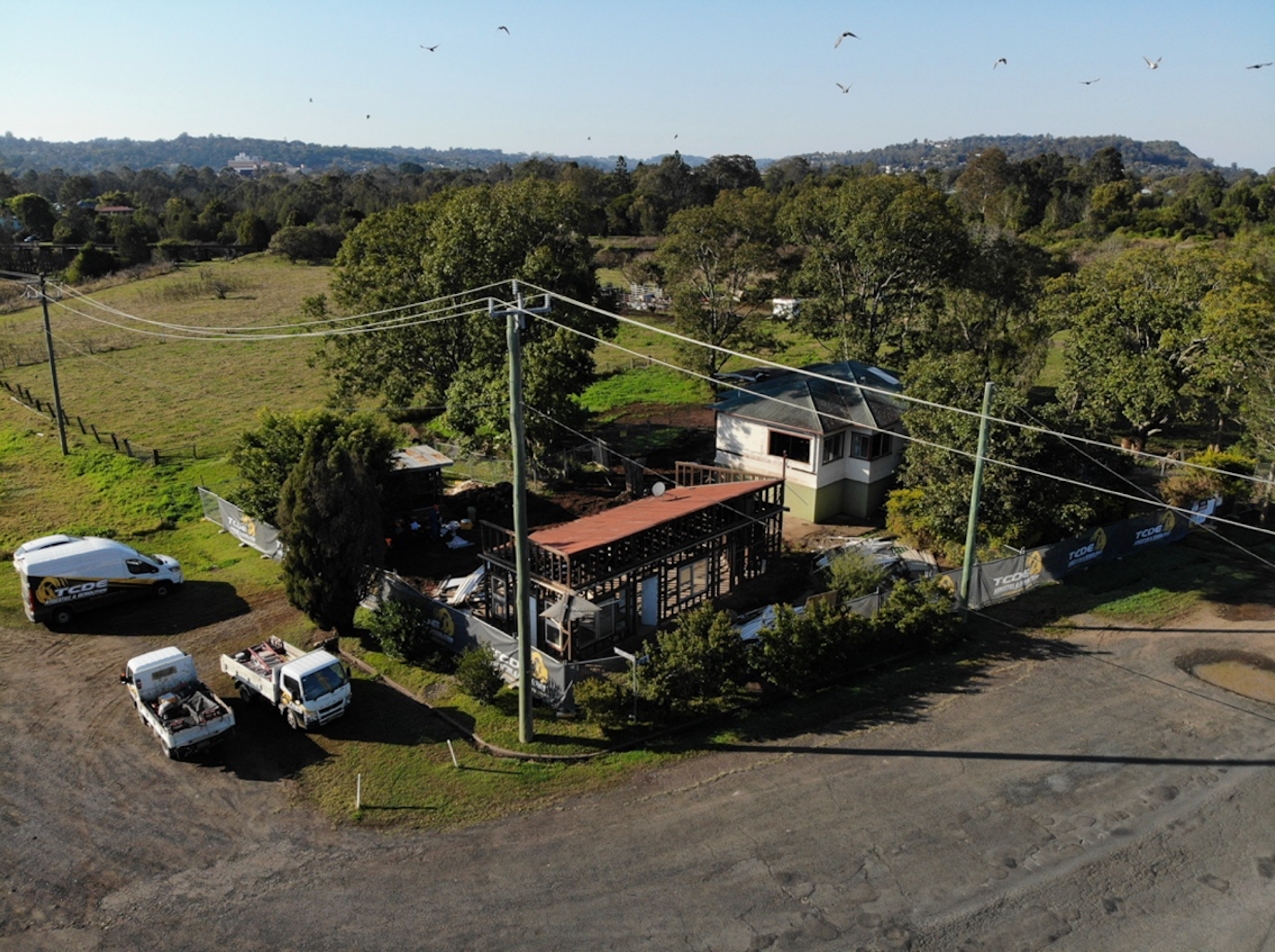
As recovery efforts transitioned into reconstruction, there was an opportunity to rethink how flood-damaged materials could be handled. A new approach emerged: a "circular" model that aimed to reuse materials and eliminate waste. This initiative was piloted on two flood-damaged houses in Lismore, showcasing a different way to manage the aftermath of such events.
Why Homes Were Demolished
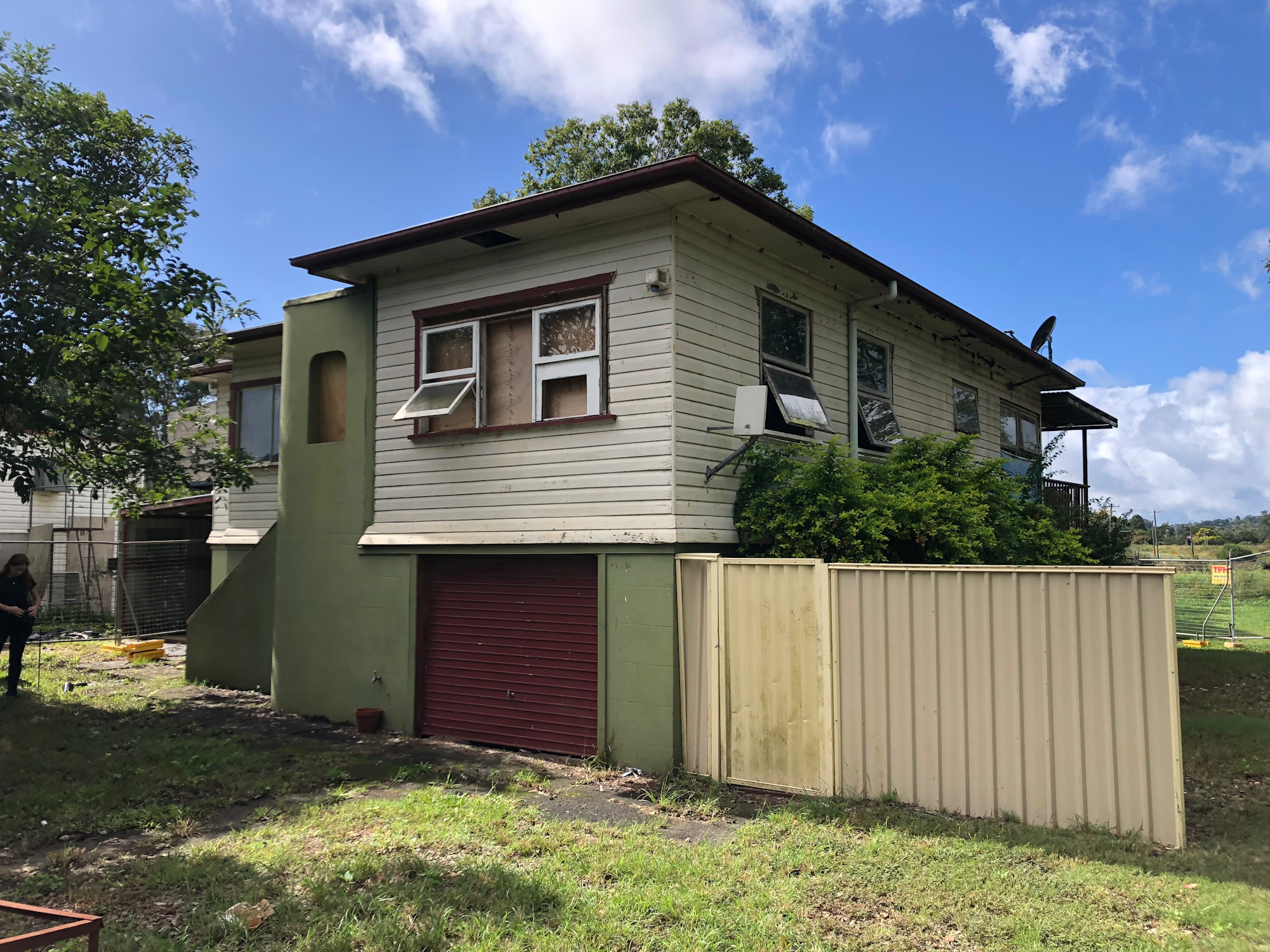
In the wake of the floods, many homes in NSW were severely damaged and located in areas prone to future flooding. In response, the NSW government introduced a buy-back scheme for eligible homes in these regions. Part of this program involved demolishing the homes, with the materials either sent to landfills or used for low-value recycling methods like woodchipping and burning.
However, these homes contained valuable materials, including hardwood timbers that could have been repurposed. The loss of these homes was not only traumatic for the local community but also represented a missed opportunity to recover and reuse high-quality resources.
The Colonial Hunger for Hardwood
The history of timber extraction in the Northern Rivers region dates back to the early days of European colonization. Groups known as "cedar getters" were among the first to arrive, seeking prized rainforest hardwoods. These timbers were transported to Australian cities or even exported to Europe, where they were used in the construction of buildings and homes.
Some of the premium old growth timbers found in the area include red cedar, spotted gum, tallowwood, rosewood, and blackbutt. These species are known for their density, strength, durability, and resistance to rot and insects—qualities that make them highly valuable.
The Circular Timber Project
In early 2024, the Circular Timber project introduced an alternative to traditional demolition, which typically offers little opportunity for material recovery. The current process involves large-scale machines leveling structures and excavators scooping materials into dump trucks, which transport them to distant landfills. While some materials may be recovered, the majority are broken down and buried.
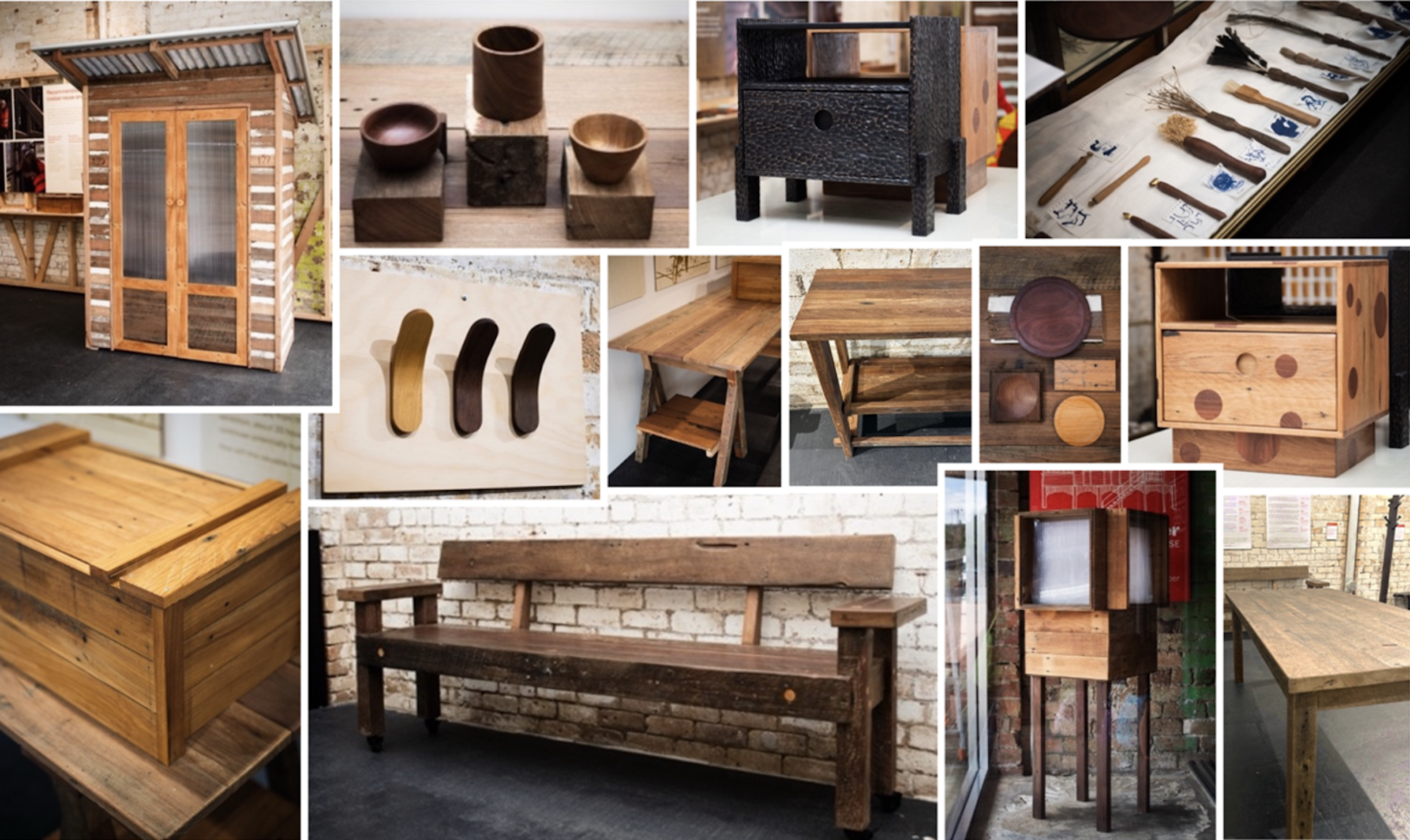
The goal of the Circular Timber project was to establish a "circular" system that prioritized reuse and waste elimination. This required collaboration between the local community, educators, businesses, and government agencies. A pilot program was launched to recover timber from uninhabitable homes and repurpose it into new objects.
How It Happened
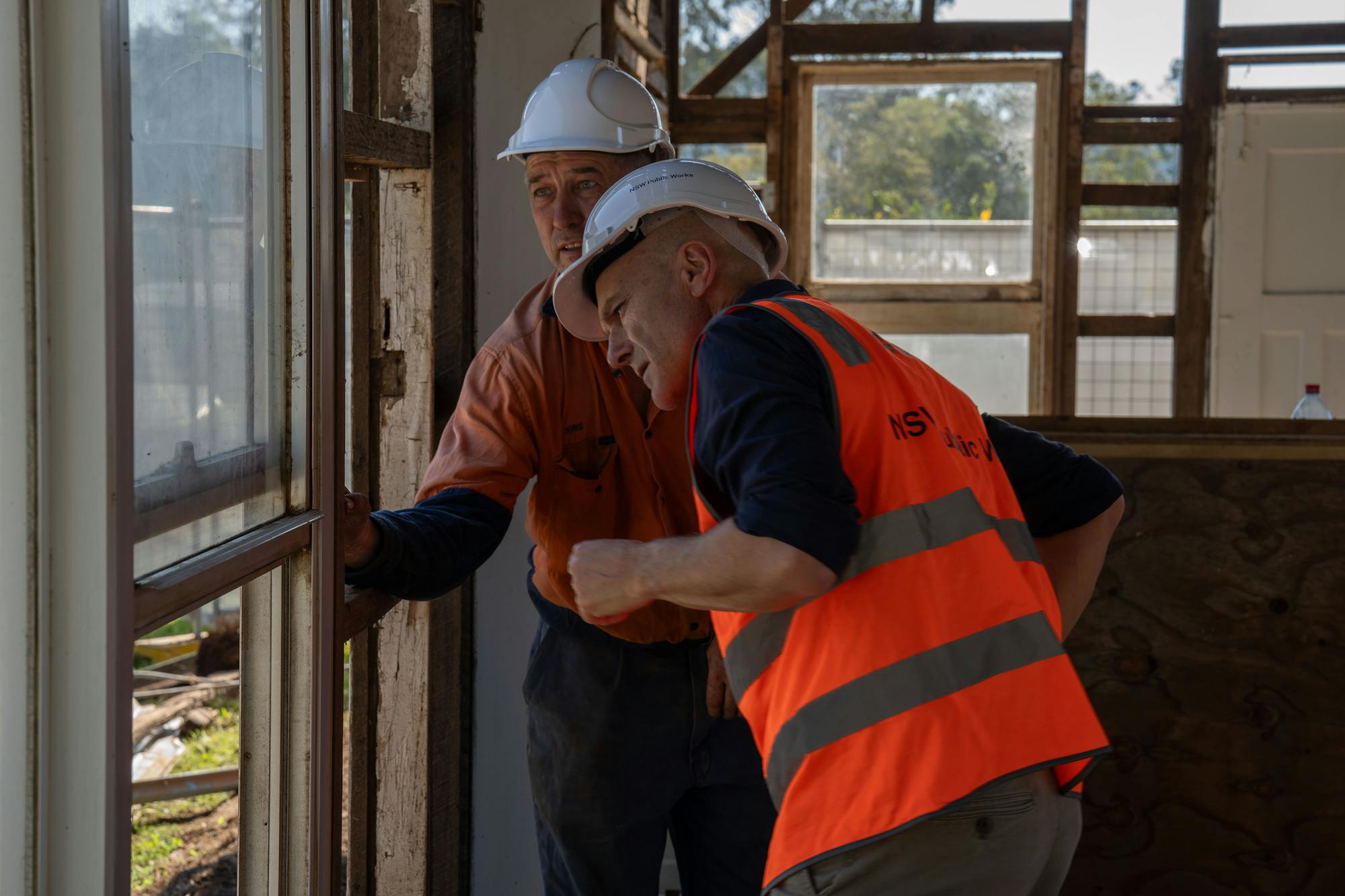
Transitioning from home demolition to deconstruction posed significant challenges. While there are established standards for demolishing buildings, there are currently no guidelines for deconstructing them. The project developed a thoughtful approach to dismantling homes, focusing on site preparation, materials identification, and careful disassembly to maximize timber recovery.
Although deconstructing and reusing materials takes more time, the benefits are substantial. Salvaging timber reduces carbon emissions, minimizes waste sent to landfills, and has a smaller environmental footprint than using virgin timber. Additionally, there are economic and social advantages, particularly for communities that have long dealt with the impacts of catastrophic floods.
Homes Hold Many Values
Between 2019 and 2025, there were 214,483 approvals granted nationwide for knock-down-and-rebuild applications in Australia. The management of waste material is typically left to the discretion of the owner and demolition contractor. A standard Australian house can contain salvageable materials such as hardwood timber, premium timbers, pressed metal ceilings, or Federation red bricks.
Shifting from demolition to deconstruction could create new opportunities, including job creation and reduced reliance on virgin materials. This approach also helps protect the environment and preserve the cultural and historical value embedded in our built environment.
Embracing a Sustainable Future
This project highlights the importance of valuing resources beyond just economic terms. It demonstrates that deconstructing homes can transform waste into a valuable resource, benefiting both the environment and the community. By adopting more sustainable practices, we can ensure that future generations inherit a healthier planet and stronger communities.
Post a Comment for "Breaking homes after climate disasters can be heartbreaking. Here's how we reuse valuable materials"