
European Shares Hold Strong as Oil Rises Amid Iran-US Tensions
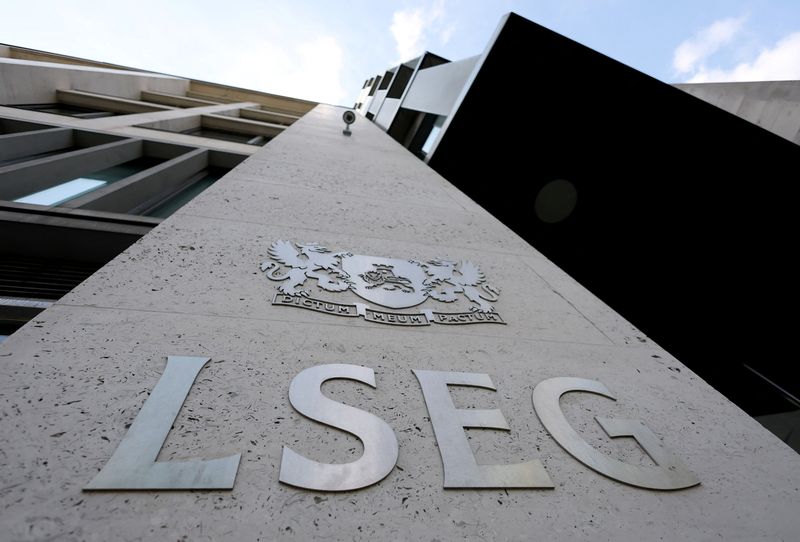
European Markets Remain Resilient Amid Regional Tensions
European stocks demonstrated resilience on Wednesday, ignoring renewed hostilities between Iran and the United States. The pan-European STOXX 600 index saw a modest rise of 0.1%, with most sectors experiencing gains. This contrasted sharply with the losses in Asian markets, where the MSCI Asia-Pacific index fell by 2.3%. The South Korean KOSPI, which is heavily weighted towards technology, dropped by 4.5% as AI stocks faced significant pressure.
Iran's Revolutionary Guards claimed responsibility for missile and drone attacks on U.S. military bases in Jordan, Kuwait, and Bahrain. These attacks were a direct response to American strikes on Iranian targets near the Strait of Hormuz. This escalation marks one of the most significant outbreaks of hostilities since the two nations agreed to a ceasefire in April.
Fleura Shiyanova, a fundamental analyst at Kepler Unigestion in Switzerland, noted that while the situation remains a risk, it is less severe than before. She emphasized that although the risks are better understood now, the duration of the conflict remains uncertain.
Investors are also closely monitoring upcoming U.S. inflation data, which could have a major impact on interest rate expectations. Additionally, events such as the SpaceX IPO are drawing attention. Europe's limited presence in the tech hardware sector has kept it from participating in the AI-driven rally that has boosted U.S. and Asian stocks. However, this lack of exposure has also shielded the region from sharp declines in tech stocks.
Oil prices showed a mild reaction to the recent attacks, edging higher from seven-week lows. Brent futures rose 0.2% to $91.66 per barrel, while U.S. West Texas Intermediate (WTI) crude climbed 0.3% to $88.46.
On Tuesday, U.S. stocks declined as a rebound in tech shares failed to gain momentum. Concerns over high valuations of AI companies, Middle East tensions, and increased bets on rate hikes dampened investor sentiment. The CBOE volatility index (.VIX), often referred to as Wall Street’s fear gauge, reached its highest level since April 7.
Wall Street futures were down between 0.3% and 0.5%.
Inflation Data and Market Expectations
Investors are eagerly awaiting U.S. inflation data later on Wednesday to assess the impact of ongoing conflicts. A survey of economists predicts that inflation may have risen to 4.2% in the 12 months through May, marking the largest annual increase since April 2023.
A stronger-than-expected jobs report on Friday has increased speculation that the Federal Reserve may raise interest rates this year. Traders now fully expect a 25 basis point hike in December, compared to previous expectations of two rate cuts.
Charu Chanana, chief investment strategist at Saxo in Singapore, highlighted the importance of today's Consumer Price Index (CPI) data. She said, "If CPI today is hot, it will be much harder for the Fed to sound relaxed next week." While the Fed may not be able to hike aggressively into a supply shock, it cannot ignore inflation expectations if oil prices continue to rise.
The dollar index, which measures the greenback against a basket of currencies including the yen and the euro, edged down 0.1% to 99.87. The European Central Bank's two-day meeting on monetary policy was also set to begin on Wednesday. The ECB is widely expected to raise interest rates by 25 basis points to counter rising energy costs, though the focus will likely be on policymakers' comments regarding future monetary policy.
The euro was trading at $1.155, while the British pound remained steady at $1.338. In Japan, the yen fluctuated around 160.36 per dollar, staying near the 160-level, which many consider a critical threshold for potential official intervention.
Japan's wholesale inflation surged in May at the fastest pace in three years, driven by price pressures linked to ongoing conflicts. This development strengthens the case for further interest rate hikes by the Bank of Japan.
Post a Comment for "European Shares Hold Strong as Oil Rises Amid Iran-US Tensions"