
Faces Scanned as Met Police Boost Facial Recognition in West End
Introduction to the Expansion of Facial Recognition Technology in London
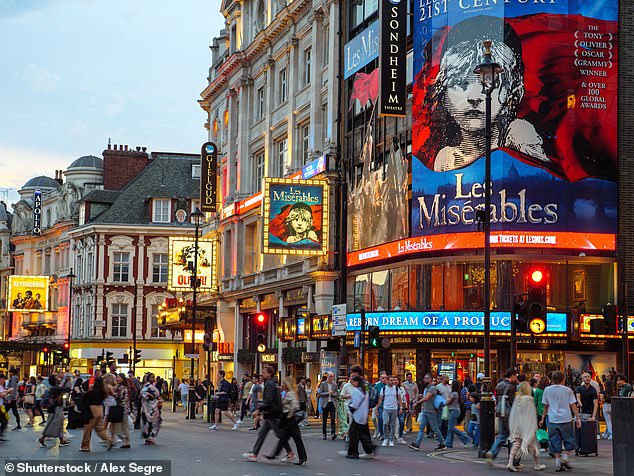
The use of facial recognition technology is becoming more widespread in the UK, with government-backed plans to roll out live facial recognition cameras across the West End. This initiative aims to enhance public safety by identifying and tracking individuals who may pose a threat to society. The Metropolitan Police has announced an ambitious scheme to introduce this technology to one of the capital's busiest areas, building on the success of a six-month pilot program in Croydon.
The Met's Vision for Facial Recognition
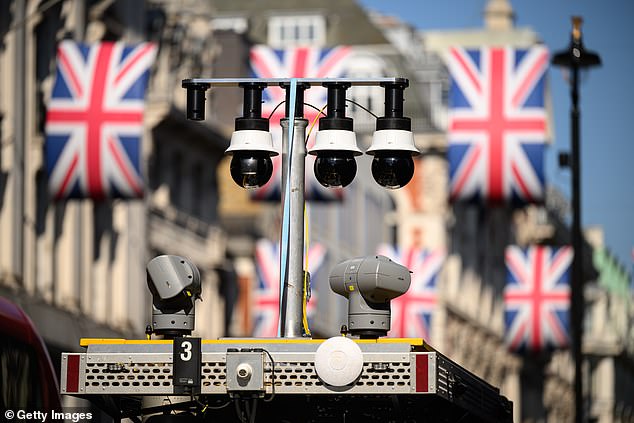
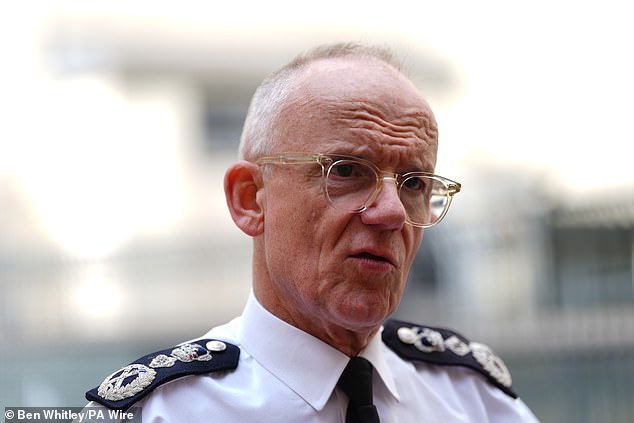
Commissioner Mark Rowley described the cameras as "revolutionary," emphasizing their potential to target wanted criminals and registered sex offenders. While the exact number of people expected to be registered remains unclear, it is understood that millions were scanned during previous trials. The technology involves subtler fixed cameras mounted on lampposts, which are less conspicuous than the high-profile vans used in earlier trials.
Concerns from Civil Liberties Groups
Despite the police force's claims of success, civil liberties groups have raised concerns about the expansion of facial recognition technology. Jack Coulson, Head of Advocacy at Big Brother Watch, highlighted the intrusive nature of the technology, stating that forcing people to enter a digital police line-up in busy areas is an affront to the principle that individuals should not have to identify themselves to the police if they have done nothing wrong.
Coulson also pointed out that the technology can make mistakes, citing the example of Alvi Choudhury, who was arrested and held for ten hours for a crime committed in a city he had never visited. He emphasized that the technology's racial bias could lead to such errors, particularly when dealing with individuals of similar ethnic backgrounds.
Police Claims of Success
The Metropolitan Police has reported over 2,000 arrests using Live Facial Recognition (LFR) cameras since the start of 2024. Sir Mark Rowley has insisted that the technology supports police officers rather than replacing them. He highlighted the success of the Croydon pilot, which resulted in over 170 arrests, a reduction in crime, and a significant fall in violence against women and girls, with only one false alert among hundreds of thousands of people.
However, Akiko Hart, Director of Liberty, expressed concern over the rapid expansion of the technology. She argued that robust safeguards, oversight, and transparency should have been in place before introducing facial recognition cameras to city centers and high streets.
Legal and Ethical Considerations
The Government has committed to a dedicated legal framework for facial recognition technology. Hart stressed the importance of clear and consistent rules around how the police use facial recognition to protect the rights of the public. Until such regulations are in place, she urged the Metropolitan Police to pause their use of the technology rather than expand it.
In April, Sir Mark warned that the technology is necessary for police to keep tabs on criminals released under Labour's social justice reforms. The Met won a landmark High Court challenge regarding the use of the technology, with judges rejecting claims that police broke human rights and privacy laws by scanning faces in public.
The Future of Facial Recognition
Sir Mark emphasized that there is a "mandate" for the expansion of the "fabulous" technology, which will be essential under Labour's plans to jail fewer offenders by ditching shorter prison sentences and releasing inmates earlier. He noted that facial recognition can help in the supervision of offenders, provided it is implemented effectively.
During the Croydon pilot, the Met reported that more than 470,000 people walked past the camera, with one false alert generated. The cameras work by taking digital images of passing pedestrians, feeding them into a computer using biometric software to measure facial features. The image is compared with a watchlist, and if a match is detected, an alert is sent to officers to review and consider making an arrest.
If a member of the public is not wanted by police, their biometrics are immediately deleted. This process ensures that only those who are of interest to law enforcement are tracked, while others' data is not retained.
Read more
Post a Comment for "Faces Scanned as Met Police Boost Facial Recognition in West End"