
The Burden of Inheriting Retirement Flats
Bereaved families are finding themselves inheriting what can be described as “almost unsellable” retirement flats, which come with hefty monthly costs and a significant financial burden. A recent investigation by Money Mail has uncovered that these properties, often intended as a financial gift, have become a growing problem for those who inherit them.
In some cases, families are forced to slash the asking price in half just to find a buyer, leaving them with only a fraction of the inheritance their loved one had hoped to pass on. This issue is compounded by rising service charges, which have reached an average of £4,090 per year, according to analysis by estate agent Hamptons. This represents a 47% increase over five years, compared to a 33% rise across all flats.
Families must continue paying service charges even when the property is empty, adding to the financial strain. For instance, one family is being charged £15,000 annually—covering council tax—while trying to sell a property they cannot move into.
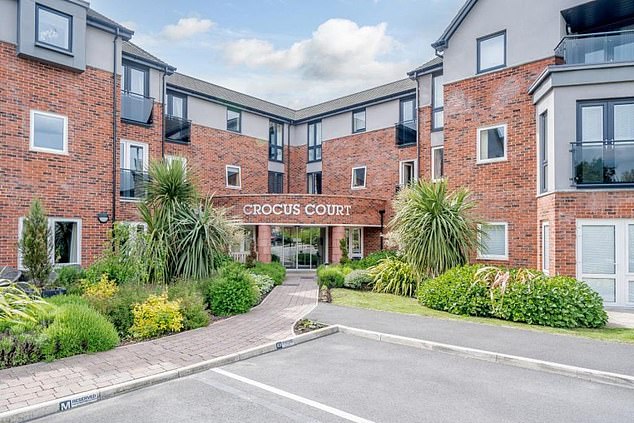
Ronald Morse-Carter and his wife Sylvia inherited a McCarthy & Stone retirement flat from Ronald’s mother Constance, who passed away at the age of 93 in 2020. She purchased the one-bedroom flat in Carnforth, Lancashire, for £199,999 and died less than two years later. Now, Ronald and Sylvia, both 75 and living in Portsmouth, Hampshire, are struggling to sell the property. Despite reducing the asking price to £95,000, they have seen little interest.
The flat can only be occupied by someone over 60, which limits the pool of potential buyers. Additionally, Ronald and Sylvia must pay around £3,000 in service charges annually, along with £150 in ground rent. To mitigate losses, they have rented the property out, earning £780 per month, which covers the service charge, commission to the letting agent, and a subletting fee to McCarthy & Stone.
“This is a millstone around my neck that needs to be sold, but I don’t want to just give it away for nothing,” says Ronald. He has tried for 12 months through McCarthy & Stone Resales and a local estate agent, but there was very little interest. During this time, he continued paying the full service charge.
The council tax on the property was set to double if left vacant for more than a year, prompting him to rent it out to a single elderly woman. Despite this, he tried selling through a modern auction, which also yielded no serious offers.
Why Buy Retirement Flats?
Retirement flats can offer a unique lifestyle for elderly individuals who want support without moving into a care home. Amenities often include a 24-hour emergency call system, a house manager available during working hours, and communal spaces for residents to socialize. Some developments also provide guest rooms for family visits, typically at a nightly fee.
These properties can offer a blend of independence and care, making them appealing to many. David Fell, lead analyst at Hamptons, notes that while service charges may seem high, they are relatively low compared to the costs of moving into a care home. For those who do not require full-time care, a retirement flat can be a more cost-effective option.
The Struggle to Sell
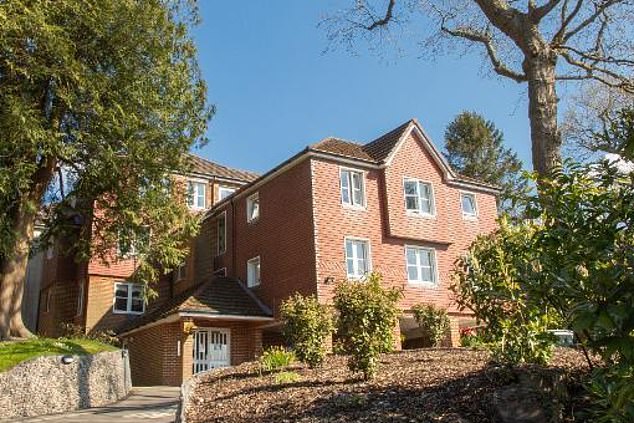
Despite the benefits, the challenges of selling retirement flats are significant. Service charges vary depending on the property's type, size, and location, but they have been rising across the board. Many providers link service charges to inflation, which has increased by 37% over the past five years. Rising energy costs and labor expenses are also contributing to higher charges.
Retirement flats often come with restrictions that make them harder to sell. These include age requirements, bans on subletting or pets, and other limitations. As a result, the average retirement flat takes 155 days to sell, more than twice the time it takes for a typical flat.
Sellers are also accepting heavy discounts. On average, retirement flats sell for 93.1% of their original asking price. However, some developments show even steeper declines. For example, a flat bought for £208,950 in 2010 is now listed for £35,000, and another purchased for £279,000 in 2019 is now on the market for £150,000.
Additional Costs and Fees
Beyond service charges, there are additional fees that can further reduce the value of an inheritance. Deferred membership fees, for instance, contribute to a sinking fund for building maintenance and can amount to up to 30% of the final sale price. Some contracts even allow providers to take up to half of the capital gains if the property has appreciated in value.
Older retirement apartments can also be challenging to sell due to outdated decor. Many flats are between ten and 30 years old and still have original kitchens and bathrooms, which may deter buyers looking for turnkey properties.
Support and Solutions
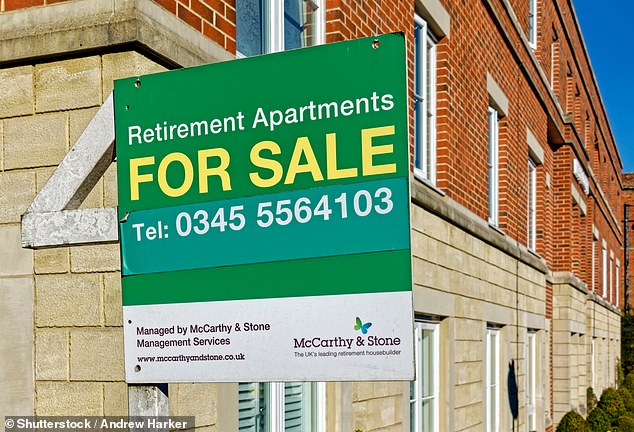
McCarthy & Stone, one of the largest developers of retirement flats in the UK, states that its in-house sales team helped sell 800 properties last year. The company supports owners who wish to rent their properties while they are on the market. They also emphasize that service charges are governed by legislation and are passed to customers at the same cost incurred by the company.
“We do not add any mark-up,” a spokesperson said. “The overwhelming majority of residents and their families are delighted with their experience, giving us our industry-leading, five-star Trustpilot score.”
While some properties retain or even increase in value, McCarthy & Stone acknowledges that this is not always the case and is exploring ways to better support existing owners who are looking to sell.


No comments:
Post a Comment