
Formula E speeds up, roars louder, and grabs attention
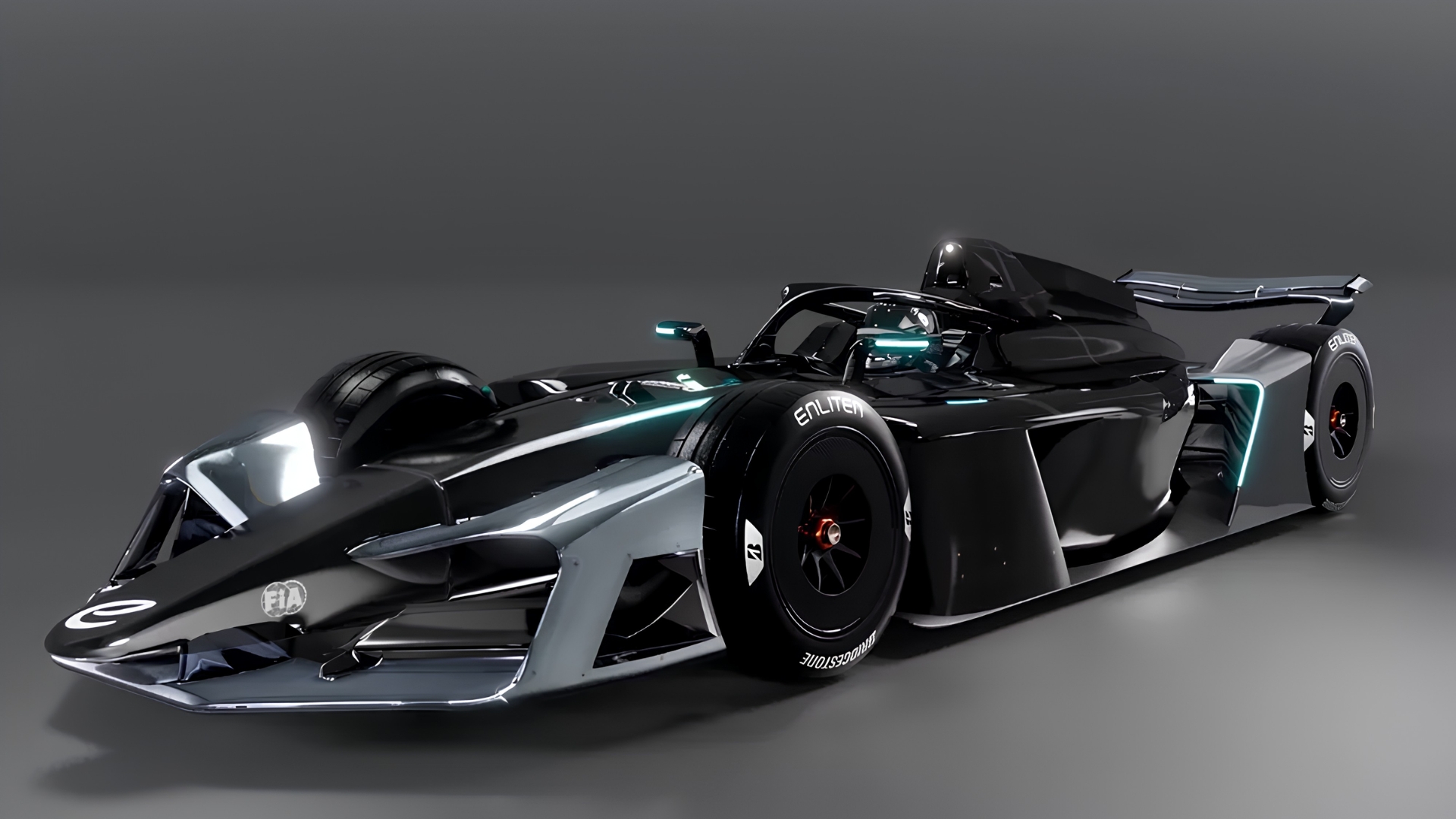
Formula E Thinks the Timing Might Finally Be Right
For much of its existence, Formula E has been viewed as an alternative rather than a rival. The all-electric championship earned praise for innovation but often struggled to convince traditional motorsport fans that it could deliver the same excitement as established categories. Questions about performance, circuit layouts, and racing identity followed the series for years.
Now Formula E believes circumstances are changing. The arrival of the next-generation Gen4 car could coincide with a broader shift in how fans view top-level motorsport. As Formula 1 faces criticism from some supporters over race predictability, increasing car sizes, and concerns about on-track overtaking, Formula E sees an opportunity to attract a wider audience.
The championship's answer is simple: make the cars dramatically faster.
Gen4 Represents Formula E's Biggest Leap Yet
The headline figure is impossible to ignore. Future Gen4 Formula E cars are expected to produce around 805 horsepower, a substantial increase over the current generation. Combined with permanent all-wheel drive and significantly improved tire performance, the new package promises a major jump in outright speed.
That matters because performance perception has long been one of Formula E's biggest challenges. While the racing itself has often been competitive, many casual fans still judge motorsport through acceleration, cornering speeds, and lap times. The Gen4 platform is designed to narrow that gap and demonstrate how far electric racing technology has evolved.
The result could be the fastest and most physically demanding Formula E car ever built.
Formula E's Greatest Strength Has Never Been Speed
Ironically, the championship's most compelling advantage may have little to do with horsepower. Formula E has consistently produced unpredictable racing. The combination of energy management, circuit characteristics, strategic variation, and closely matched machinery often creates races where multiple drivers remain in contention deep into the event. Championship battles frequently remain open far longer than in many rival series.
That competitive balance has become increasingly valuable. Modern motorsport fans may admire technological excellence, but they also want uncertainty. They want races where outcomes feel genuinely undecided rather than predetermined by a dominant team or technical advantage. Formula E has often delivered exactly that.
Formula 1's Challenge Is Success
Any discussion comparing Formula E and Formula 1 requires context. Formula 1 remains the world's premier motorsport championship. Its global reach, technical sophistication, driver talent, and historical significance are unmatched. The series continues to attract massive audiences and commercial success.
Yet success can create its own challenges. Periods of sustained dominance by individual teams have occasionally led to concerns about predictability. Modern Formula 1 cars have also become larger, heavier, and more aerodynamically sensitive than many fans would prefer, creating ongoing debates about racing quality.
These issues do not threaten Formula 1's position. They do, however, create opportunities for alternative championships to present themselves as something different. Formula E is increasingly positioning itself in that role.
The Urban Racing Concept Is Finally Maturing
One aspect of Formula E that initially divided opinion is now becoming a distinctive strength. Street racing was once viewed as a limitation because of narrow circuits and lower average speeds. Today, it offers something increasingly rare in global motorsport: direct access to major city centers.
The championship races in locations that many traditional series cannot easily reach. As vehicle performance increases, Formula E's urban venues could become even more attractive. Faster cars combined with close walls and demanding layouts have the potential to create a uniquely intense racing spectacle.
The challenge will be balancing speed with raceability. More performance is only valuable if it enhances competition rather than diminishing it.
The Bigger Story Is About Motorsport's Future
The significance of Gen4 extends beyond Formula E itself. It reflects the growing maturity of electric motorsport. Early electric racing was often judged against combustion-engine categories and found wanting in several areas. Battery technology, power delivery, and vehicle performance imposed limitations that shaped perceptions of the entire concept.
Those limitations are steadily disappearing. As power outputs rise and performance improves, the conversation shifts from what electric racing lacks to what it can uniquely offer. Formula E increasingly wants to compete on its own merits rather than as an experimental alternative.
That is an important evolution.
Why Gen4 Could Be a Turning Point
Formula E's future does not depend on replacing Formula 1. It depends on becoming a championship that motorsport fans actively choose to watch rather than merely sample out of curiosity.
The Gen4 era may bring the series closer to that goal than ever before. With approximately 805 horsepower, all-wheel drive, improved grip, and the close competition that has become Formula E's trademark, the championship is preparing for its most ambitious transformation yet.
Whether it becomes the answer to Formula 1 fatigue remains to be seen. But Formula E is no longer asking fans to overlook its limitations. Instead, it is preparing to showcase its strengths and that may be the most significant development of all.
Post a Comment for "Formula E speeds up, roars louder, and grabs attention"