
Formula E's F1-Style Calendar: Convergence and Divergence in South Africa
Formula E's Gen4 Car and the Expansion of Its Global Calendar
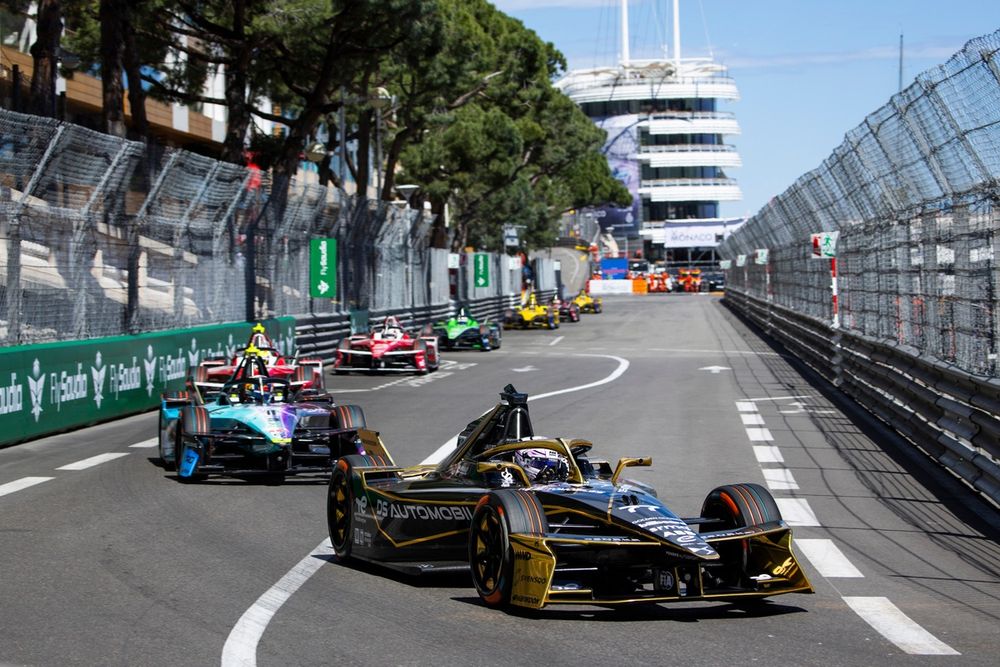
Formula E is set to introduce its new Gen4 car, a 600kW all-wheel drive vehicle, which will be showcased on what is expected to be the most diverse calendar in the series' history. This includes a mix of street circuits, classic permanent venues, and shorter grand prix tracks. The shift from the previous generation of cars, which were limited in speed and performance, marks a significant evolution for the all-electric series.
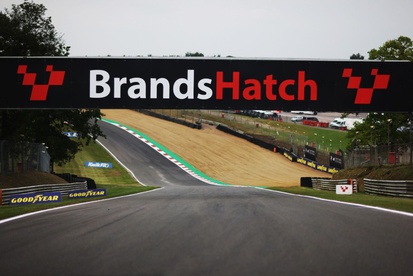
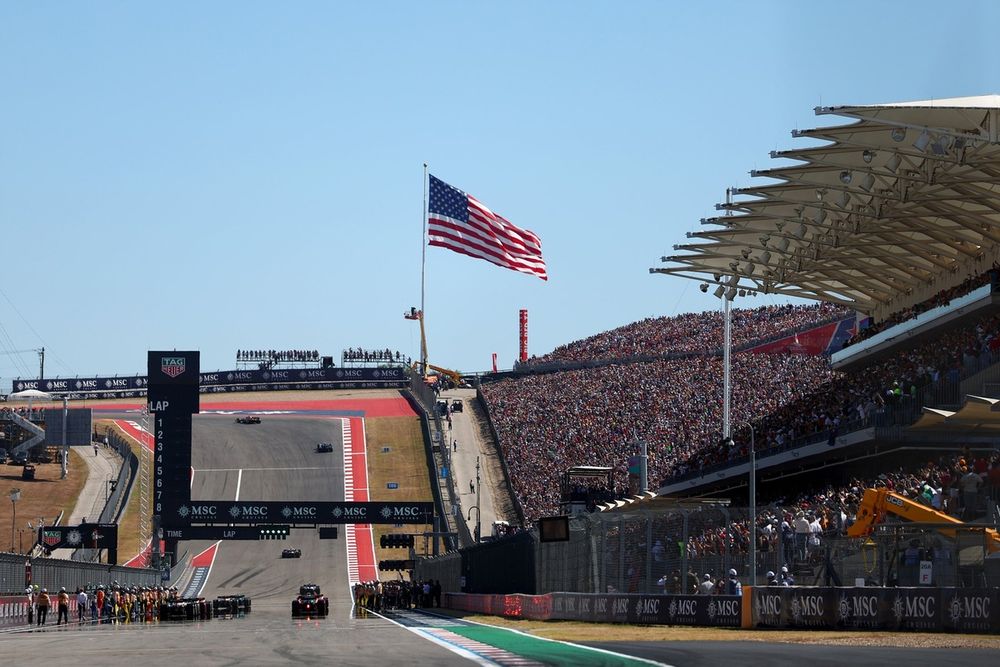
The time when Formula E cars had to be confined to tight, chicane-laden circuits to preserve battery life seems to be over. While events like Tokyo and Berlin’s Tempelhof remain on the 21-race 2026-27 schedule, the series has made notable changes. For example, it has replaced the London ExCeL with Brands Hatch, a former grand prix venue, and expanded its reach to Circuit of The Americas and Zandvoort.
A New Era for Formula E
The Gen4 car's increased power and range allow it to perform better on more demanding circuits. This change is not just about performance but also about showcasing the technology that powers the vehicles. Even though some grand prix circuits may still feature chicanes, the overall direction of Formula E is shifting toward a more varied and competitive calendar.
CEO Jeff Dodds explained that as the series grows, so does the need to match the type of circuits that reflect its evolving identity. “We've got over 400 million fans around the world now,” he said. “The cars are capable of almost delivering a similar speed and performance to a Formula 1 car. So inevitably, we have to match the circuit to where the championship is.”
Expanding Markets and Competing with F1
Formula E is also looking to expand its presence in key markets such as the United States and China, where F1 has been increasing its footprint. By adding a second U.S. race and maintaining its two Chinese rounds, the series is aligning itself with the same global audiences that F1 is targeting.
At the same time, Formula E is optimistic about the future performance of its upcoming Gen5 car. From the 350kW Gen3 Evo to the Gen4, which offers a race mode of 450kW and an attack mode of up to 600kW, the leap in performance has been significant. Dodds emphasized that while Gen4 is already close to F1 speeds, Gen5 could potentially surpass them.
A Strategic Approach to Racing
Formula E is also experimenting with its race formats to offer fans a different experience. Starting in the 2026-27 season, the series will introduce a shorter sprint race on double-header weekends. This “E-Prix Unleashed” event will allow drivers to push the Gen4 cars to their full potential, providing a high-energy spectacle compared to the strategic battery management races.
Dodds explained that this format aims to highlight the car's capabilities while still preserving the strategic elements of the sport. “It allows us to have a longer race, which is important, but also it kind of replicates real-world EV driving,” he said. “Our cars have to regenerate 40% of battery life through the race in the same way that if you're driving an EV in the city, you have the ability to regenerate the battery through braking and heavy cornering.”
Diverging Paths with F1
While Formula E and F1 have grown closer in terms of technology and market appeal, there are signs of divergence on the horizon. F1’s planned return to V8 engines with a focus on combustion power contrasts with Formula E’s commitment to electric racing. Dodds called this move “counter-intuitive” given the growing trend toward electrification, but he believes clear identities will help both series stand out.
“The fact that F1 has talked more about electric racing recently is not a bad thing for us from an awareness point of view,” Dodds said. “But do I think it's a sensible thing for them to do from our point of view? Yes, of course, because we are pure electric racing. They'll move to pure combustion racing. That allows us to completely differentiate ourselves.”
Looking Ahead
Despite any comparisons or rivalries, the success of the Gen4 car is crucial for Formula E’s next phase of growth. Dodds remains optimistic, highlighting the series’ strong momentum in areas such as revenue, fan base, and media reach. “I think we're already doing the things that it takes to get to the next level,” he said. “One, we're already growing. We're a fast-growth business. We're growing our revenues. We're growing our fan base. We're growing our TV audience.”
As Formula E continues to evolve, the Gen4 car represents more than just a technological advancement—it symbolizes the series’ ambition to compete at the highest levels of motorsport while staying true to its core mission of promoting sustainable innovation.
Post a Comment for "Formula E's F1-Style Calendar: Convergence and Divergence in South Africa"