
Last home in derelict English village goes on sale for £35k
A Unique Opportunity in a Ghost Village
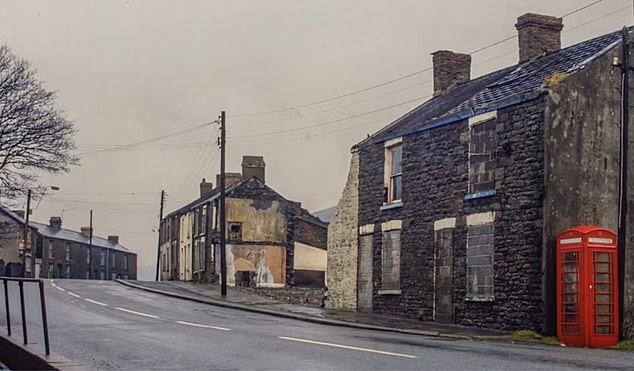
In the mid-1980s, 600 residents of Troedrhiwfuwch, a small village near Caerphilly in Wales, were evacuated from their homes due to fears that a 'moving mountain' could engulf the village without warning. This once-thriving mining community, known locally as 'Troedy', soon became a ghost town after the local school, library, pub, shop and 93 homes were demolished amid concerns about an imminent landslide.
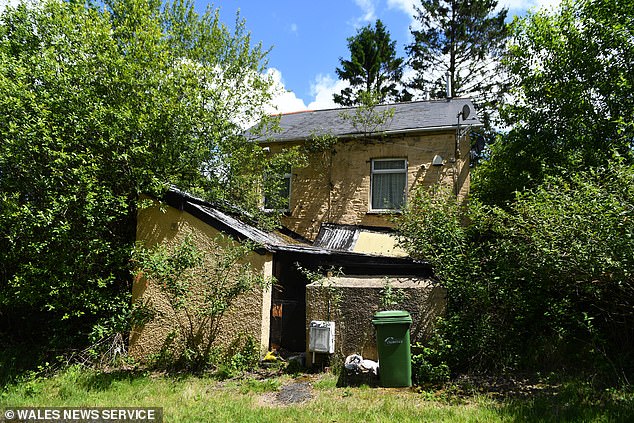
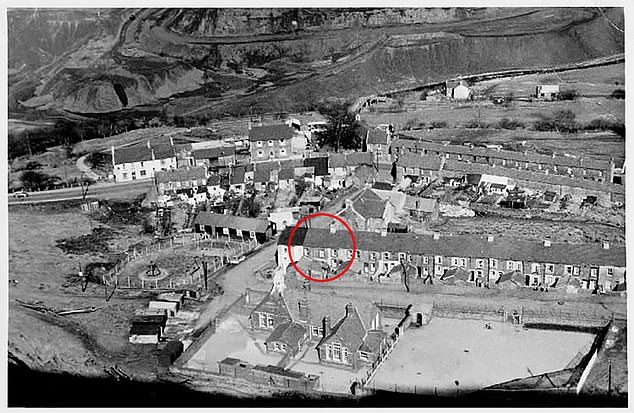
Despite these fears, the deadly mountain never hit the settlement, leaving behind a few buildings that have stood the test of time. Among them are a three-bedroom home, the village post office, and a war memorial commemorating 16 local men who died in the First and Second World Wars. These structures have become symbols of a lost community, with the final house on a once-tightly packed terrace street now hitting the market for just £35,000.
The property, located at 2 Lawrence Avenue, is described as a "unique opportunity to acquire a property with an amazing history." It features two reception rooms, a large kitchen area, and up to three bedrooms. Surrounded by "wonderful countryside and stunning views to the front and rear," it is seen as an ideal opportunity for either an investor or homeowner, with vast garden space available.
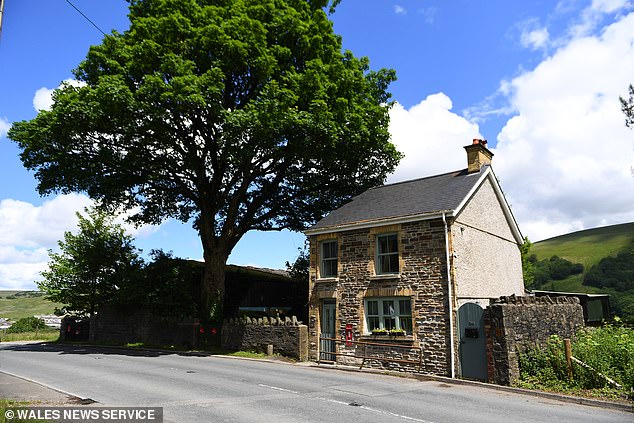
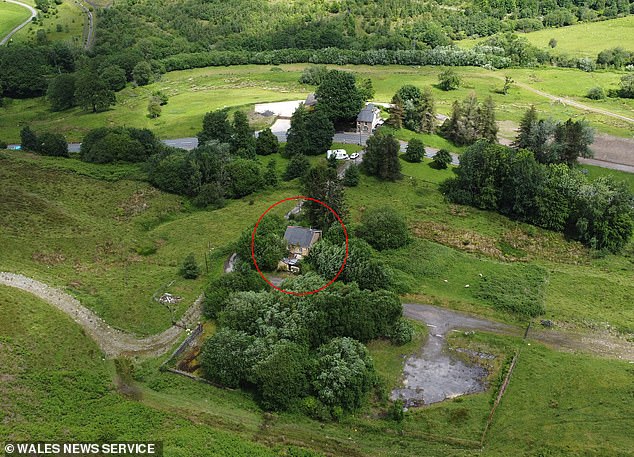
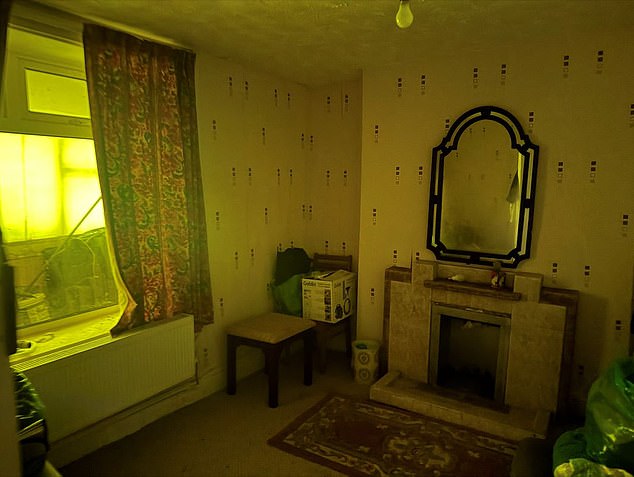
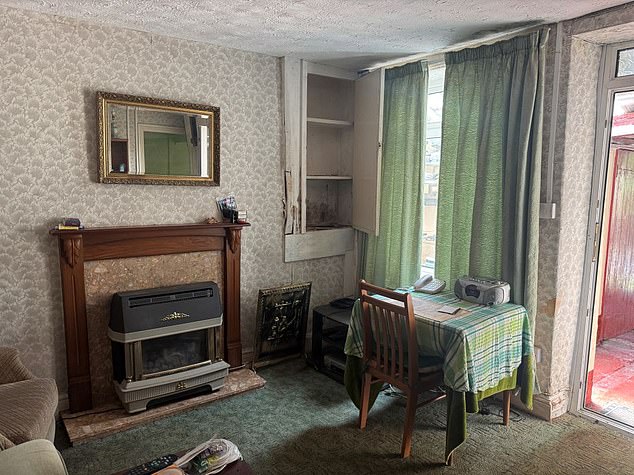
According to auctioneer Sean Roper of Paul Fosh Auctions, how this particular home managed to escape the village's mass demolition remains entirely unknown. "Why this otherwise ordinary three-bedroom house survived while all the others didn't remains a bit of a mystery – and it may be a story a new owner will want to unravel," he said. He added that the house offers a real-life connection to a vanished community where hundreds of people once lived, worked, and raised families. "It's a curious and poignant link to another age."
The property is being sold with vacant possession but is expected to fetch up to £900 per calendar month in rent once updated. It is being offered for online auction sale with a guide price of £35,000. Bidding for the unique home opens later this month.
The History of Troedrhiwfuwch
The village, which once contained a church, library, pub, shop, and even a school, first began to decline in the 1930s after experts raised concerns about the unstable ground. By the 1950s, fears of an imminent landslide had intensified, leading to the decision to make the area unsafe for living. All residents were forced to relocate between the early to mid-1980s, resulting in the swift demolition of their homes.
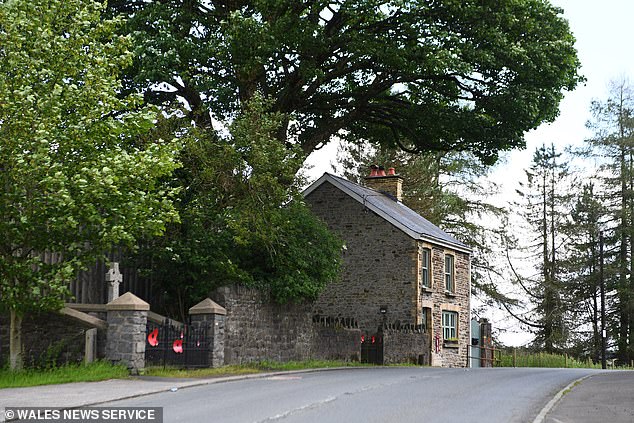
While residents no longer occupy the area, the community spirit endures. Former villagers gather every year at the war memorial on Remembrance Sunday to keep the memory of 'Troedy' alive. Troedrhiwfuwch is just one of several 'ghost villages' across Wales that went from being a thriving community to abandoned.
Pantyffynnon, for example, was deserted more than 50 years ago amid fears that whole families could be buried under landslides. Today, shops, houses, and a church appear frozen in the 1960s when villagers were evacuated because the mountain in the Swansea Valley was moving. Former residents say they no longer recognize the place they once called home as it is overgrown and neglected.
Rosalyn Davies, 69, who grew up in the village, said: "There was a whole community here; this was my home and always will be my home. There must have been around 100 houses lost in all." She described the loss as "an awful thing; you not only lose a house, you lose a home." Despite the sadness, she holds happy memories of her childhood in the village, saying, "It was a fabulous place to grow up as a child."
Other Abandoned Villages in Wales
Cwmorthin, a slate mining village near Tanygrisiau, Gwynedd, dates back to the 11th Century. It was once home to a bustling community, but now the only humans that walk through the area are curious hikers. Cwmorthin Quarry, located nearby, was active from 1810 and gained the area significant importance over the years by boosting the local economy and providing jobs for the villagers.
The quarry also became connected to the Ffestiniog Railway in 1860, according to Travel and Tour World reports. However, things changed when the slate industry collapsed after a decline in demand. With little work in the area, many locals left, and Cwmorthin was mostly abandoned by the 1940s. It has since been left to turn to ruins, and the Express recently dubbed it a 'ghost village'.
Post a Comment for "Last home in derelict English village goes on sale for £35k"