
Rising Gas Costs Spark New Financial Concerns, Report Warns
Rising Inflation Concerns in the United States
The pressure on household budgets is intensifying across the United States, with economists anticipating a significant rise in inflation. This surge is largely attributed to higher energy costs, which have been exacerbated by ongoing instability in the Middle East.
New government data expected this week is predicted to show that consumer prices increased in May, continuing a trend that has become increasingly difficult for both policymakers and the White House to overlook. Economists surveyed by Reuters expect annual inflation to have climbed to 4.2 percent in May, up from 3.8 percent in April. If confirmed, this would represent the fastest pace of consumer price growth since spring 2023.
Monthly Inflation Remains Elevated
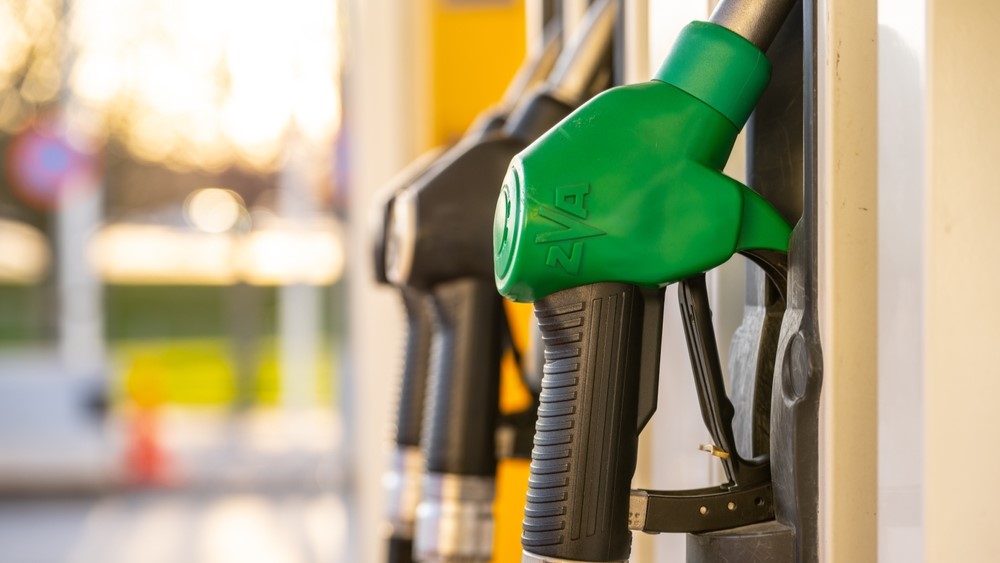
Monthly inflation is also expected to remain high, reflecting the impact of rising fuel costs. A sharp increase in oil prices following military actions involving the United States, Israel, and Iran has pushed gasoline prices significantly higher earlier this year, with average prices reaching $4.60 per gallon during May.
Paychecks Losing Ground
Economists are growing concerned about the widening gap between inflation and wage growth. For the second consecutive month, consumer prices are expected to have increased faster than earnings, reducing the purchasing power of many households.
Joseph Brusuelas, chief economist at RSM, warned that Americans are beginning to feel the effects. He stated, “The top-line increase in inflation will outpace wage growth for the second consecutive month.” This trend means workers are losing spending power in real terms. According to economists, prolonged pressure on household finances could lead consumers to cut back on spending later in the year, creating additional challenges for economic growth.
Federal Reserve Faces Difficult Choices
Latest inflation forecasts are likely to strengthen expectations that the Federal Reserve will keep interest rates unchanged for the foreseeable future. Financial markets have even begun considering the possibility of another rate increase if price pressures spread beyond energy and begin affecting broader parts of the economy.
Core inflation, which excludes food and energy prices, is also expected to edge higher in May. James Knightley, chief international economist at ING, said policymakers will be watching closely for signs that rising energy costs are filtering into other sectors. “If the core was to show some signs of pass through, higher energy costs being reflected into other categories as well, then that would be the story that would trigger the Fed rate-hike narrative.”
Political Challenge for Trump
Inflation remains one of the most politically sensitive issues facing President Donald Trump. Trump returned to office after campaigning heavily on promises to reduce living costs and bring inflation under control. However, recent polling has shown growing dissatisfaction with the administration’s handling of the economy as households continue to grapple with elevated prices.
Despite inflation concerns, the broader labor market has remained relatively stable. Employment growth exceeded expectations again in May, while the unemployment rate held steady at 4.3 percent.
Some economists believe easing oil prices following the ceasefire in the Middle East could mean inflation is approaching a temporary peak. Stephen Stanley, chief U.S. economist at Santander U.S. Capital Markets, said recent trends offer cautious grounds for optimism. “There is a good chance that the year-over-year advance in headline inflation peaks for the moment in May.”
Future Developments in the Middle East
Future developments in the Middle East are expected to remain a major factor in determining where prices head next. The region's stability will play a crucial role in shaping the economic outlook for the United States. As such, continued monitoring of global events will be essential in understanding the trajectory of inflation and its impact on households.
Post a Comment for "Rising Gas Costs Spark New Financial Concerns, Report Warns"