
The origins of the world's oldest universities
The Evolution of Higher Education
Universities have long been the cornerstone of knowledge preservation, leadership development, and scholarly advancement. For centuries, these institutions have played a pivotal role in shaping societies and influencing the course of human history. Even before the advent of modern campuses and digital learning platforms, a select few universities established traditions that continue to define higher education today.
Many of these ancient institutions remain active and respected, offering a window into the intellectual landscapes of bygone eras. Their histories reflect the dynamic interplay of political changes, religious influences, and evolving educational philosophies that have shaped learning across generations.
The University of Bologna: The Birthplace of the Modern University
Founded in 1088 in Bologna, Italy, the University of Bologna is widely regarded as the world's oldest continuously operating university. Its establishment coincided with a time when European cities were becoming vibrant centers of commerce, culture, and learning. Historians often cite it as the first institution to develop many of the organizational structures that are now synonymous with modern universities.
The university's early years were marked by its prominence in the study of law. Students from across Europe traveled to Bologna to study Roman and canon law, subjects that were crucial for governance and religious institutions at the time. Unlike later universities, students initially held significant influence over the institution's operations, which helped shape its unique academic culture.
The impact of the University of Bologna extended far beyond Italy. Its educational model influenced the creation of numerous universities throughout Europe during the Middle Ages. Many academic traditions, such as the use of advanced degrees and organized faculties, can trace their origins to Bologna. Today, it remains one of Europe's leading institutions while continuing to honor its rich historical legacy.
The University of Oxford: Centuries of Scholarship
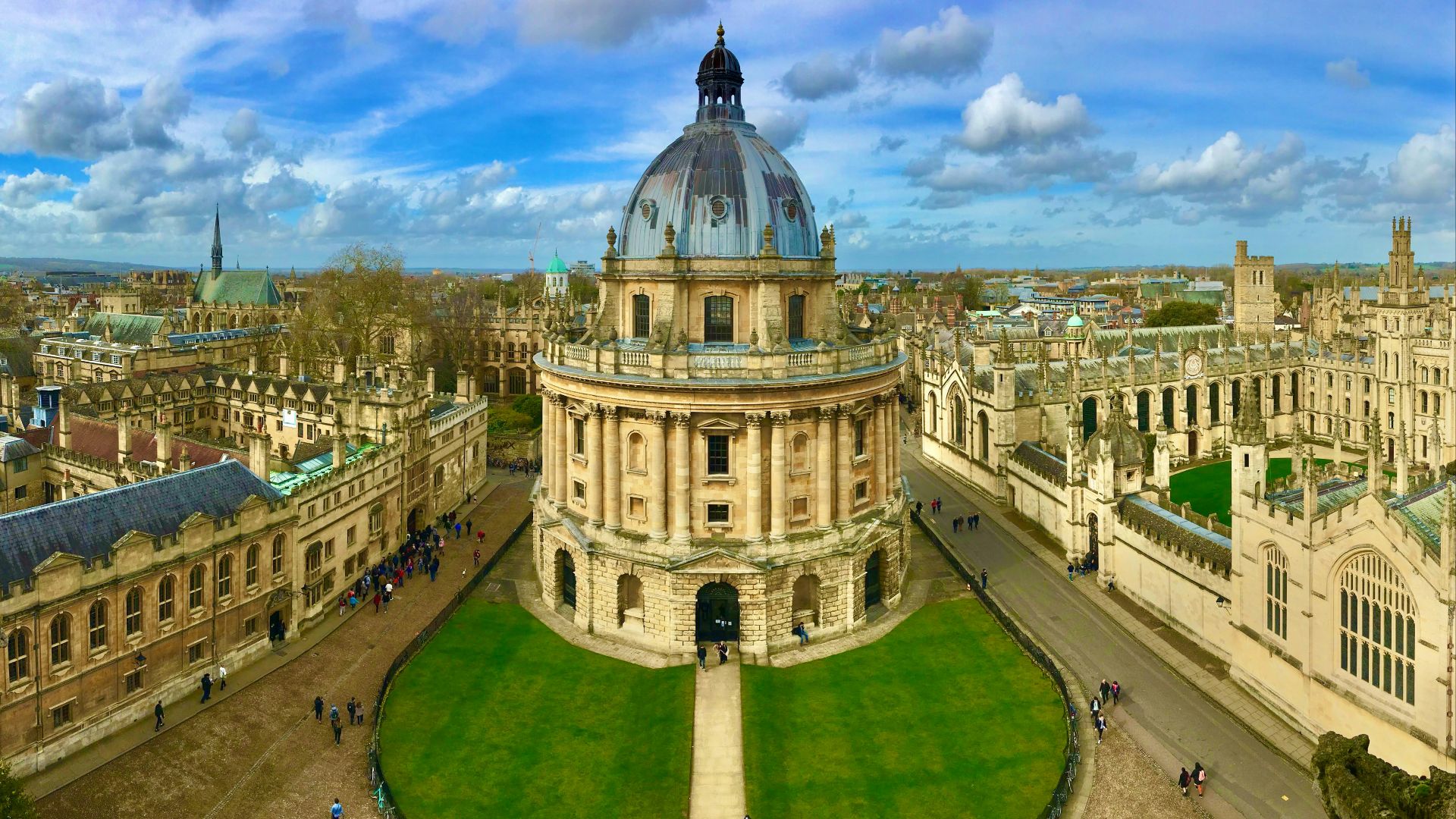
The University of Oxford in England is one of the oldest universities in the English-speaking world. While teaching had already begun in Oxford by 1096, the exact founding date of the institution remains uncertain. Its growth accelerated during the twelfth century, particularly after English students were discouraged from studying at the University of Paris. This shift helped establish Oxford as a major center of learning.
Throughout the Middle Ages, Oxford became known for its excellence in theology, philosophy, medicine, and law. The university developed a collegiate system in which students lived and studied within individual colleges while remaining part of the larger institution. Colleges such as University College, Balliol College, and Merton College date back to the thirteenth century, and their historic buildings continue to define much of Oxford's character today.
Oxford's influence on global education has been profound. It has educated monarchs, prime ministers, scientists, writers, and countless other influential figures. The university also played a key role in the development of research-based education, which later became a cornerstone of modern academic institutions. Its ability to balance tradition with innovation has helped maintain its reputation for over nine centuries.
The University of Al-Qarawiyyin: A Pioneer of Higher Learning
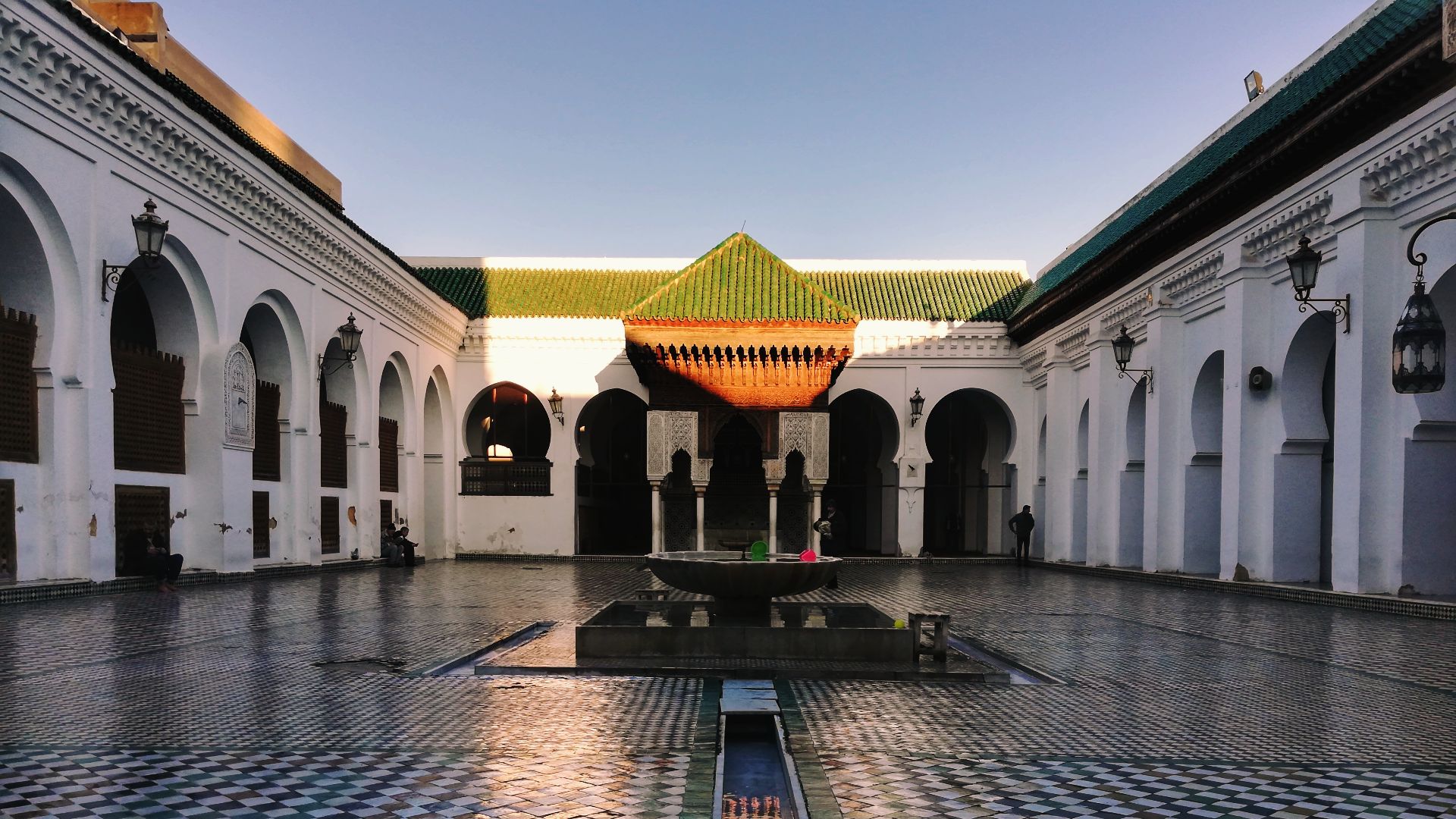
The University of Al-Qarawiyyin, located in Fez, Morocco, was founded in 859 by Fatima al-Fihri. According to UNESCO and Guinness World Records, it is recognized as the world's oldest continuously operating educational institution. Originally established as a mosque and learning center, it gradually evolved into a major institution of higher education. Its history reflects the rich scholarly traditions of the Islamic world.
During the medieval period, Al-Qarawiyyin attracted students from across North Africa, the Middle East, and parts of Europe. Scholars studied a wide range of subjects, including theology, mathematics, astronomy, grammar, and law. The institution became an important center for the preservation and transmission of knowledge during an era when learning flourished throughout much of the Islamic world. Its library remains one of the oldest surviving libraries in existence.
Al-Qarawiyyin's legacy extends beyond regional influence. The institution contributed to intellectual exchanges between different cultures and helped preserve important works of scholarship that might otherwise have been lost. Over the centuries, it adapted to changing educational needs while maintaining its historic roots. Today, it stands as a testament to the enduring importance of learning and academic inquiry.
Conclusion
The histories of Bologna, Oxford, and Al-Qarawiyyin demonstrate how higher education has evolved while remaining dedicated to the pursuit of knowledge. Despite being founded in different regions and cultural contexts, each institution helped shape academic traditions that continue to influence universities around the world. Their remarkable longevity serves as a reminder that the desire to learn, teach, and expand human understanding has deep roots that stretch back many centuries.
Post a Comment for "The origins of the world's oldest universities"