
Why This 1992 Range Rover Costs Less to Maintain Than New Cars
The Most Expensive Car Myth Doesn't Always Hold Up
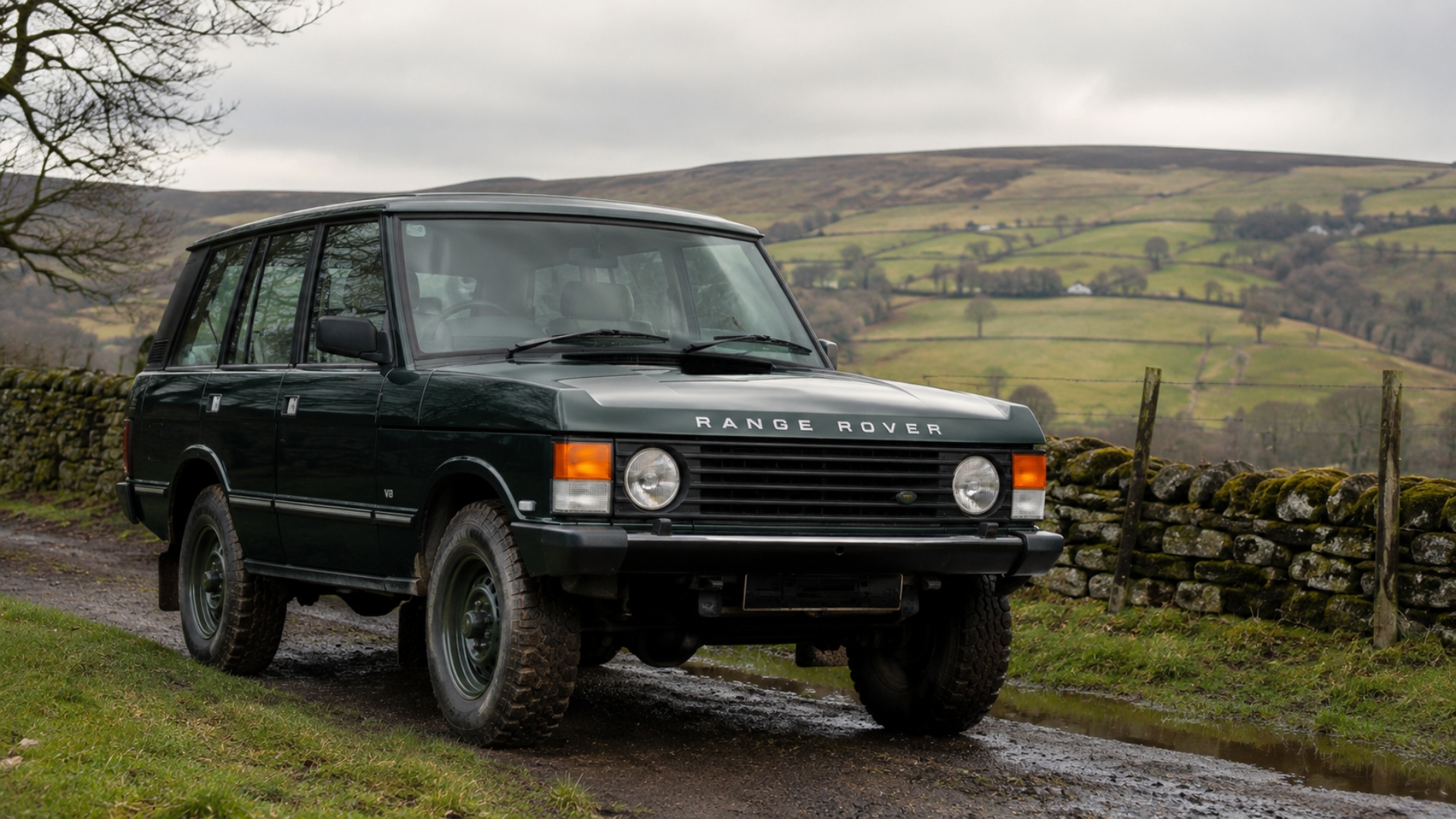
Few vehicles carry a reputation quite like an old Range Rover. For decades, the phrase "nothing is more expensive than a cheap luxury car" has been repeated whenever classic British SUVs enter the conversation. Stories of electrical gremlins, costly repairs, and endless maintenance have become part of the model's folklore. That reputation is not entirely undeserved. Many neglected examples have indeed become financial nightmares. Yet the experience of some long-term owners suggests a more complicated reality.
A carefully maintained Range Rover Classic can sometimes be surprisingly affordable to keep on the road. The key is understanding the difference between restoring a neglected vehicle and maintaining a healthy one.
Simplicity Is Becoming a Valuable Asset
The 1992 Range Rover comes from a very different automotive era. Compared with modern luxury SUVs, its technology is remarkably straightforward. There are fewer electronic systems, fewer complex driver-assistance features, and significantly less software controlling day-to-day functions. That simplicity creates advantages.
When something does go wrong, diagnosis is often easier and repairs can be less expensive. Many components remain readily available through specialist suppliers, and a strong enthusiast community continues to support the model decades after production. For owners willing to learn basic maintenance skills, the costs can remain surprisingly manageable.
This is one reason older vehicles are increasingly attracting enthusiasts who feel overwhelmed by the complexity of modern automobiles.
Preventative Maintenance Changes Everything
One of the biggest misconceptions about classic car ownership is that costs arrive randomly. In reality, many expensive repairs can be avoided through regular maintenance and early intervention. Owners who address minor issues before they become major failures often spend considerably less money over time.
Replacing a worn hose, fixing a small fluid leak, or servicing suspension components proactively is usually far cheaper than dealing with the consequences of a catastrophic breakdown. That philosophy appears particularly important with classic Range Rovers. Vehicles that receive consistent attention tend to reward their owners with reliability levels that surprise those familiar only with horror stories.
The difference between a troublesome Range Rover and a dependable one is often measured in maintenance habits rather than engineering design alone.
Modern Cars Are Not Always Cheaper
The assumption that newer vehicles automatically cost less to own deserves closer scrutiny. Today's luxury SUVs are vastly more sophisticated than their predecessors. They contain advanced infotainment systems, complex emissions equipment, multiple computers, adaptive suspensions, radar sensors, cameras, and a growing number of electrified components. Those technologies deliver genuine benefits.
However, they also introduce new repair risks once vehicles age beyond their warranty periods. Replacing a damaged sensor array or repairing a sophisticated electronic system can quickly exceed the annual maintenance costs of a well-kept classic. That does not mean old vehicles are universally cheaper. It does mean the ownership equation is more nuanced than many buyers assume.
The Enthusiast Factor Matters
Classic car ownership is rarely a purely financial decision. Many owners enjoy working on their vehicles, sourcing parts, and understanding how the machines function. That involvement fundamentally changes the economics. Tasks that would require expensive labor charges at a dealership can often be handled at home with basic tools and patience.
The result is not only lower ownership costs but also a stronger connection between owner and vehicle. The Range Rover Classic benefits particularly from this dynamic because of its dedicated enthusiast following. Knowledge, advice, parts sources, and repair guides are widely available, making ownership less intimidating than many outsiders expect.
Why the Range Rover Classic Still Appeals
The enduring popularity of the original Range Rover extends beyond nostalgia. It remains one of the most influential SUVs ever built. Combining genuine off-road capability with luxury and comfort, it helped establish the template that much of today's premium SUV market still follows. Its upright design, commanding driving position, and mechanical honesty continue to attract enthusiasts who appreciate vehicles with clear identities.
Modern Range Rovers are more advanced, faster, quieter, and more luxurious. Yet many owners argue that the Classic retains a sense of character that newer models inevitably struggle to replicate. That emotional appeal is part of the ownership equation.
The Real Lesson Isn't About Range Rovers
The broader lesson from this story extends beyond one vehicle. Classic cars are often judged by their worst examples. Neglected vehicles generate headlines, horror stories, and internet folklore. Well-maintained examples tend to live quieter lives.
A 1992 Range Rover will never be as maintenance-free as a new family crossover. It requires attention, understanding, and occasional investment. But that does not automatically make it expensive. In some cases, an older vehicle with proven mechanical components and a committed owner can be more affordable than many people expect.
That reality challenges one of the automotive world's most persistent assumptions. Sometimes the cheapest vehicle to own is not the newest one in the driveway. It is the one that has already survived three decades and continues to receive the care it needs to keep going.
Post a Comment for "Why This 1992 Range Rover Costs Less to Maintain Than New Cars"