
Miami: From Crime Capital to Tourism Powerhouse
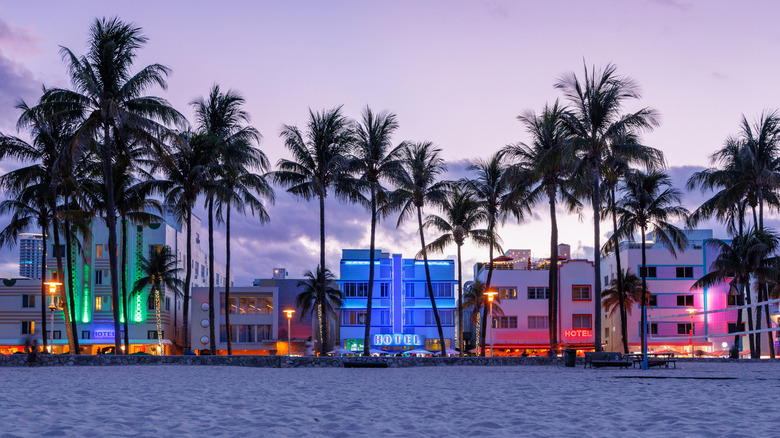
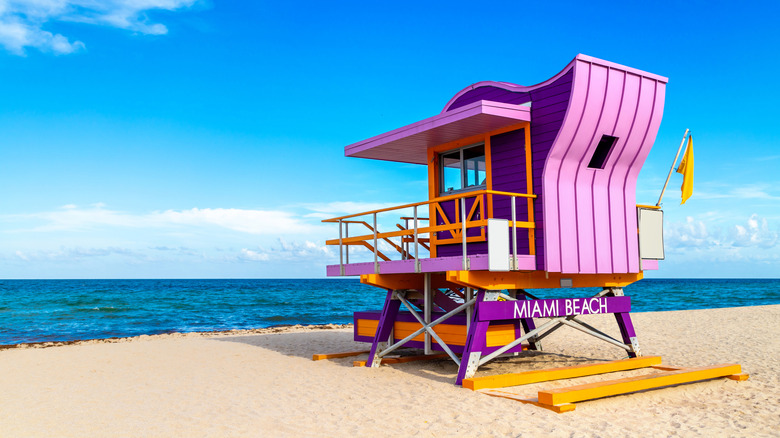
Florida remains a favorite vacation destination, with the Sunshine State welcoming a record-breaking 143.3 million visitors in 2025. The state's appeal lies in its warm beaches, theme parks, outdoor activities, and welcoming towns. Among these, Miami stands out as a top choice. In 2024, the city was Google's third-highest destination search, and in 2025, it was named the top Florida destination by Lonely Planet. Its charm is evident in the blend of vintage nostalgia and high-end luxury, from South Beach’s Art Deco pastel palettes and rainbow-colored lifeguard stands to glamorous nightlife, luxury yachts, and vibrant neighborhoods like Wynwood Arts District and Calle Ocho.
But Miami's journey has not been without its challenges. The city once had a dark chapter in its history, where it topped crime lists instead of vacation search hits.
A City of Contrasts
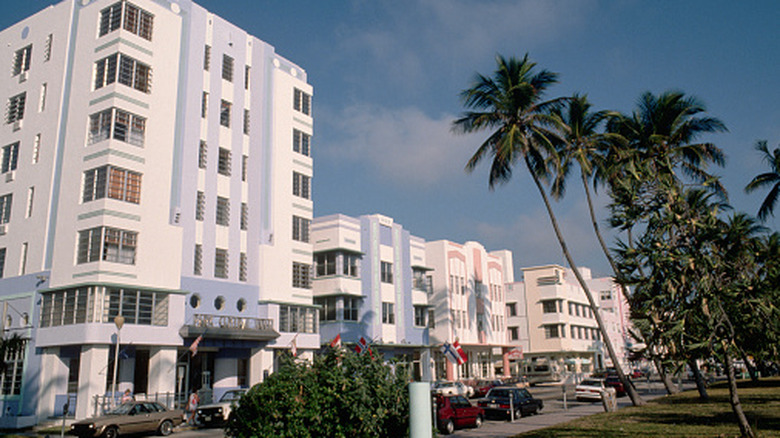
Miami became a tourist destination around World War I, and by the 1920s, it was booming. Elites built mansions along Brickell Avenue, known as Millionaire's Row. Developers lined South Beach with nightclubs and hotels, including the world's largest collection of Art-Deco architecture. Tourists flocked to the beaches. By the 1950s, Miami was a hotspot, attracting celebrities like Frank Sinatra, Judy Garland, and Jackie Gleason, who nicknamed Miami "The fun and sun capital of the world."
However, by the 1970s, the economy was fueled by illegal drugs managed by the violent Colombian cartel. As portrayed in films like "Scarface" and documentaries like "Cocaine Cowboys," the criminal element exerted so much influence that they ostensibly controlled the city. By the 1980s, Miami was known more for violence than vacations. In 1981, Time published "South Florida: Trouble in Paradise," citing FBI statistics that ranked Miami third in the nation for 1980s' highest murder rate — 70 per 100,000 residents — while noting that "South Florida is just beginning to be the crime capital of the nation, but it has been the drug capital for a decade."
Reviving a Reputation
Drugs, crime, and violence slowed Miami's tourism, but the TV series "Miami Vice" helped bring it back. In 1982, the Miami Herald echoed TIME's sentiment, writing: "South Beach today is the sickest, poorest and oldest population in America." By the 1980s, tourism brought less money into Florida than cocaine did. When Disney World opened in Orlando in 1971, Florida travelers opted for Orlando, increasingly so when Miami's race riots broke out in 1980. By the mid-1980s, tourism numbers in South Florida had stagnated, and hotel stays had significantly declined.
Miami's cocaine cowboy era fits into Florida's larger context. The state has long had a reputation for those looking to escape. For some, that means a vacation; for others, it's where you hide out on the lam. From Miami's reputation as a bootlegging paradise during Prohibition to a mobster hideaway to the 1980s drug wars, journalist Glenn Garvin wrote for Reason in 2021 that "Miami has been perpetually at war with itself."
A New Era for Miami
In the decades since, Miami has undergone a dramatic transformation, in large part thanks to the 1980s television series "Miami Vice," which portrayed the city's era of drug-spurred crime and violence with stylistic flair. Many of the show's filming locations became tourist destinations, like the Cape Florida Lighthouse on the tip of Key Biscayne with a view of Miami Beach. By the 1990s, city leadership had again begun touting tourism, rebranding its image and embracing the edgy coolness "Miami Vice" had introduced to the world. In 2000, the city welcomed 10.5 million visitors — in 2024, 28 million, with just 31 reported homicides in 2023.
"When you're in Miami, every day can be a beach day," the city's website proudly declares. 17 miles of white sand beaches dotted with colorful art-deco lifeguard stations are certainly its main — but not only — draw. Pair them with vibrant nightlife, a thriving art scene (including prestigious Art Basel), and a diverse culinary landscape with 15 Michelin-starred restaurants, street food, and enough international choices to eat your way around the world.
A Growing Cultural and Economic Hub
Miami has also become a sports powerhouse, partly because of Inter Miami soccer player Lionel Messi, whose superstar power, known as the "Messi effect," has garnered an economic boost for Miami tourism. Miami also hosted several 2026 World Cup games, elevating its reputation as a global sports destination.
The Miami Design District is another draw. This luxury shopping and dining neighborhood boasts high-end shops like Hermès and Versace and Michelin-starred restaurants Cote and Karyu, alongside art galleries and events. Attractions like Wynwood and Little Havana and proximity to Everglades National Park add to the city's appeal, as does its reputation as "the cruise capital of the world."
A City That Keeps Evolving
Miami's not just a great place to play: In 2026, Southern Living Magazine named it one of the top places to live in Florida year-round, and AFAR listed it fourth overall in the U.S. — a concept inconceivable 40 years ago.
Florida still embraces its eccentrics and oddities (hello "Florida Man"), and while Miami's crime statistics have lessened, other Florida locales still boast some of the nation's most negative superlatives: on the other end of Miami-Dade County, Florida City, a suburban gateway to the Florida Keys, is one of the most violent cities in the U.S.
Nevertheless, Miami's transformation is a testament to how quickly the landscape — and a city's reputation — can change with leadership and perception.
Enjoying the beachy, colorful city of Miami.


No comments:
Post a Comment