
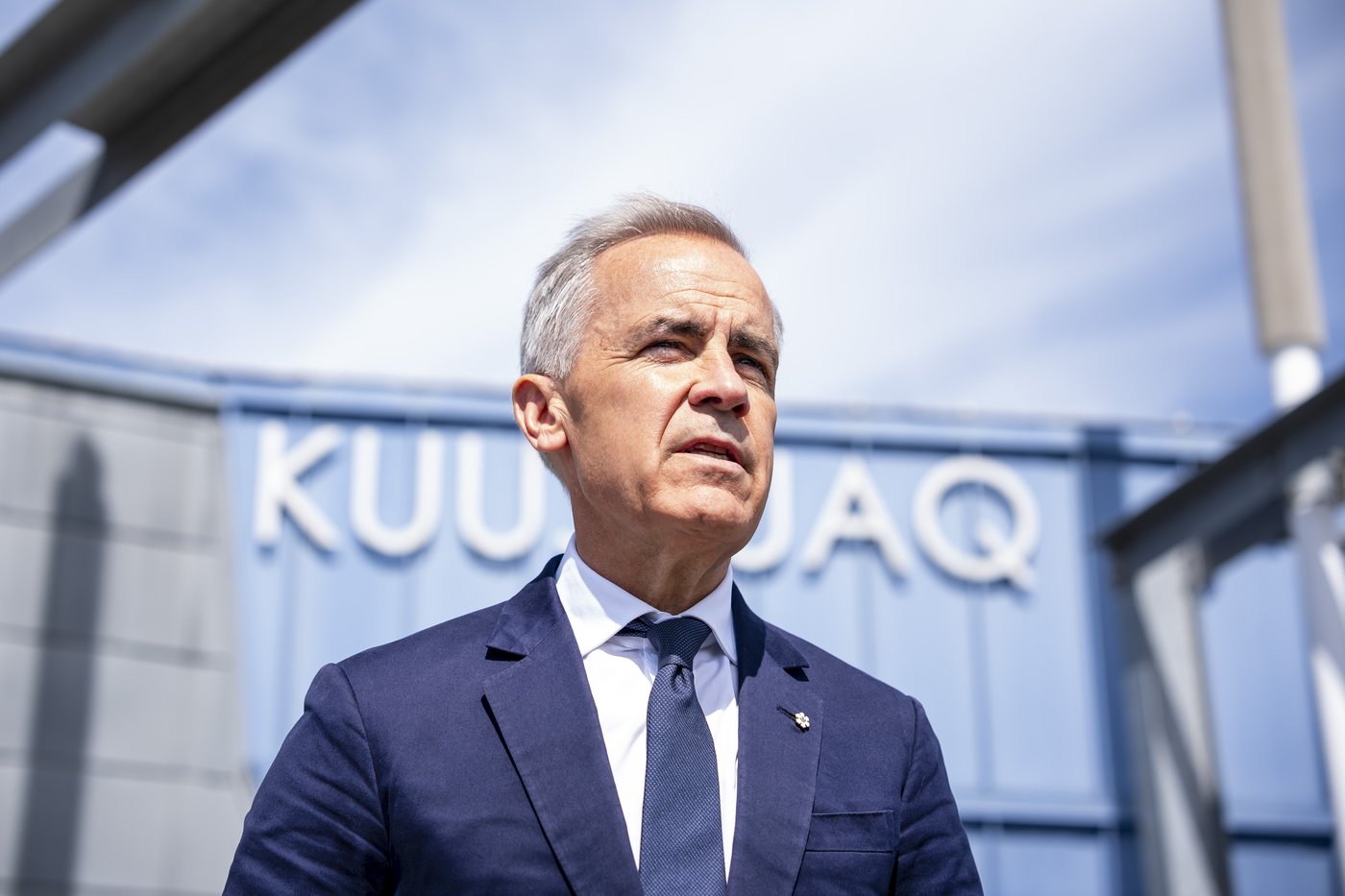
Prime Minister Carney Expects Constructive Dialogue on CUSMA
Prime Minister Mark Carney expressed confidence that the upcoming virtual meeting between Canada, the United States, and Mexico regarding the future of the continental trade agreement will be a constructive exchange. During a press conference in Kuujjuaq, Quebec, Carney stated he does not anticipate any drama during the discussions.
"We're expecting, you know, a constructive exchange. I wouldn't expect any drama tomorrow," Carney said. "I'm not looking for my pen."
The United States is set to officially inform Canada and Mexico about its intentions concerning the trade agreement known as CUSMA. All indications suggest that Washington will miss the July 1 deadline for renewing the pact. However, it's important to note that CUSMA will remain in effect regardless of the Trump administration's actions.
Canada and Mexico have expressed their desire for a 16-year extension of the agreement. If the U.S. fails to sign on for a longer-term deal, an annual rolling review of the agreement will begin, which could last up to 10 years. At the end of this period, CUSMA would expire if not renewed.
Expert Insights on the Review Process
Scott Lincicome, vice-president of general economics at the Cato Institute, believes the review process offers an opportunity to address flaws in the agreement and resolve bilateral issues. However, he emphasized the importance of maintaining the current structure rather than dismantling it.
"But there's a very wide gulf between fixing a good agreement and torching it," Lincicome said during a Cato panel discussion. "And it's clear which side we should all be on."
While Lincicome acknowledges that there's no reason to "freak out" about the U.S. missing the deadline, he noted that the annual reviews introduce some level of uncertainty.
Mixed Messages from the Trump Administration
U.S. President Donald Trump has provided mixed signals regarding the future of the agreement. Earlier in June, he told reporters in France that he would prefer to "leave it unsigned" or "have it terminated." When asked to clarify, Trump stated, "I would rather not have the agreement but I may sign it."
Despite these statements, CUSMA remains in place unless one of the partner countries gives six months' notice of withdrawal. Both Canada and Mexico have indicated their intention to keep the trilateral deal intact.
Historical Context and Current Challenges
CUSMA was negotiated under the first Trump administration to replace the North American Free Trade Agreement (NAFTA). At the time, Trump described it as the best trade agreement ever. Republican Rep. Adrian Smith praised the deal, stating it has been beneficial for agriculture producers and American consumers.
Smith, who represents a district in Nevada, noted that while he is not a fan of tariffs, he believes it is reasonable to expect other countries to make concessions in exchange for access to the U.S. market.
"I would say Canada did not expect Mr. Trump re-entering the White House as he is right now," Smith said at the Cato event. "So they're going to have to deal with that."
Ongoing Negotiations and Industry Support
Trade negotiations between Mexico and the United States have already begun, but Ottawa and Washington have not started official talks yet. U.S. Trade Representative Jamieson Greer has highlighted the "pillars" of the continental trade pact that work well and has expressed openness to separate bilateral agreements with Canada and Mexico.
The CUSMA tariff exemption has shielded Canada and Mexico from many of Trump's tariffs. The current 10 per cent U.S. duty does not apply to CUSMA-compliant goods.
Industry and Political Backing
Canada's former chief trade negotiator, Steve Verheul, noted that the CUSMA tariff exemption demonstrates the importance the U.S. places on the deal. He also mentioned support from American industries, the public, and many Republican lawmakers.
A bipartisan group of more than 100 House lawmakers wrote a letter to the Trump administration in December expressing support for the agreement.
Verheul pointed out that the largest challenge for Canada lies in Trump's separate tariffs on industries such as steel, aluminum, automobiles, and cabinetry.
"I don't think there's been anything close to a good deal on the table so far," he said.


No comments:
Post a Comment