
ChatGPT Hits a Billion Users, OpenAI Develops a Super Assistant
The Rise of ChatGPT and OpenAI’s Vision for the Future
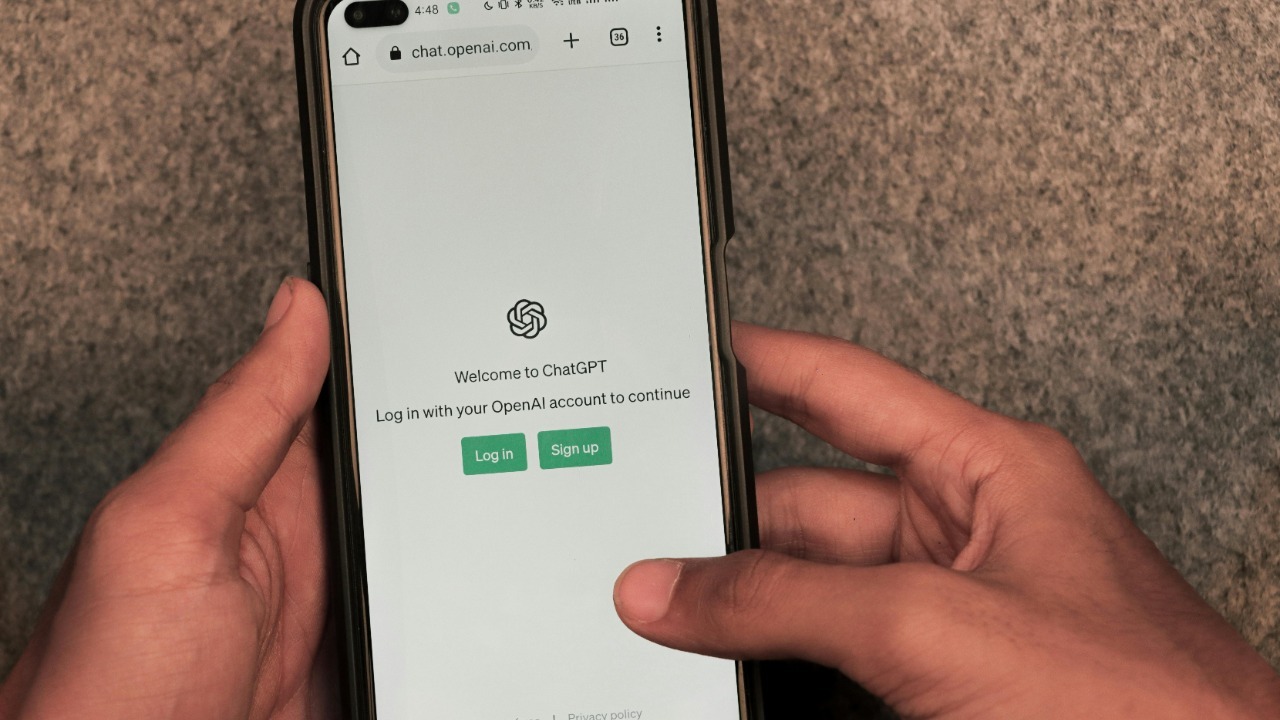
ChatGPT has reached a significant milestone, with over 1 billion monthly active users. This achievement marks a major turning point for OpenAI, as the company continues to expand its influence in the AI space. With a recent $110 billion funding round led by Amazon, OpenAI is not only maintaining its momentum but also pushing forward with ambitious plans for what it calls a “super assistant.” This new product direction was first revealed in a document filed during the DOJ v. Google antitrust case, highlighting OpenAI's strategic vision.
The scale of ChatGPT's user base is unprecedented. OpenAI has reported 900 million weekly active users and over 50 million consumer subscribers. These numbers are larger than most social networks achieved in their first decade. The monthly figure, which reaches 1 billion, is a testament to how quickly ChatGPT has gained traction. This kind of adoption creates a feedback loop that helps OpenAI refine its models and test new features at a population scale.
Why a Billion Users Matters
The growth in user numbers is more than just a statistic; it changes the way OpenAI approaches product development. Sam Altman, CEO of OpenAI, has emphasized that the company is shifting from a chatbot that answers questions to an agent that executes tasks. Early research data tied to its Codex tool shows that this shift is already measurable.
OpenAI's internal strategy document, submitted as part of the federal antitrust case against Google, describes the company’s ambition to build a “super assistant” capable of handling complex, multi-step tasks on behalf of users. This vision depends on having enough users to train, test, and iterate on agentic capabilities at speed.
For the hundreds of millions of people using ChatGPT daily, this means the product they interact with is changing underneath them. The chatbot they adopted for homework help, email drafting, or coding questions is being rebuilt into something designed to act on their behalf, booking travel, managing workflows, writing and deploying code.
Evidence of a Shift Toward Agentic Capabilities
Two distinct evidence streams support the claim that OpenAI is actively building toward an agentic product. The first is empirical. A preprint paper published on arXiv documented measurable growth in agent-like behavior tied to Codex, OpenAI’s code-generation tool. The authors tracked how developers interacted with the system over time and found that prompts increasingly resembled instructions for task completion.
Instead of requesting explanations or small snippets of help, users were asking Codex to generate end-to-end features, refactor large codebases, and chain together testing and deployment steps. According to the Codex usage study, this shift was especially pronounced among more experienced users, who learned to structure prompts as workflows rather than questions.
The second evidence stream is strategic. OpenAI filed a document in the DOJ v. Google antitrust case that laid out the company’s product roadmap. In that filing, the company framed ChatGPT not merely as a conversational interface but as a hub that could subsume functions now spread across search engines, productivity suites, and specialized apps.
Questions About the Super Assistant
While the evidence suggests a clear direction, several open questions remain. The 1 billion monthly active user figure comes from Sensor Tower estimates, relayed through external reporting, not from OpenAI’s own disclosures. OpenAI has confirmed 900 million weekly active users but has not independently verified the monthly total. The difference matters because weekly and monthly metrics capture different patterns.
The “super assistant” concept also raises questions about autonomy, safety, and data use. How much autonomy will the assistant have? When it books a flight, signs a user up for a subscription, or deploys code to production, what guardrails will prevent costly mistakes?
Competition is another open variable. If OpenAI succeeds in turning ChatGPT into a default assistant for a billion people, rivals may argue that it is building a new kind of gatekeeper—one that intermediates not just information, but actions.
Navigating the Transition
For individual users, the practical question is how to navigate this transition. One approach is to treat new agentic features as opt-in tools rather than default settings. When ChatGPT offers to connect to email, calendars, or code repositories, users can weigh the convenience of delegation against the risks of deeper integration.
Organizations face a more complex calculus. The productivity gains from an AI assistant that can automate workflows, triage customer support, or accelerate development are real. But deploying such a system at scale requires governance: clear policies on what the assistant is allowed to do, audit trails for its actions, and contingency plans when it fails.
What is clear is that OpenAI now has the ingredients to pursue its super assistant vision at unprecedented scale: a vast and engaged user base, a growing body of evidence that people are ready to delegate complex tasks, and the capital to build the infrastructure required. Whether that vision ultimately empowers users or concentrates more control in a single AI intermediary will depend on decisions being made now.
Post a Comment for "ChatGPT Hits a Billion Users, OpenAI Develops a Super Assistant"