
Dollar Soars, Yen Plummets to 40-Year Low
The Dollar's Strong Performance and the Yen's Struggles
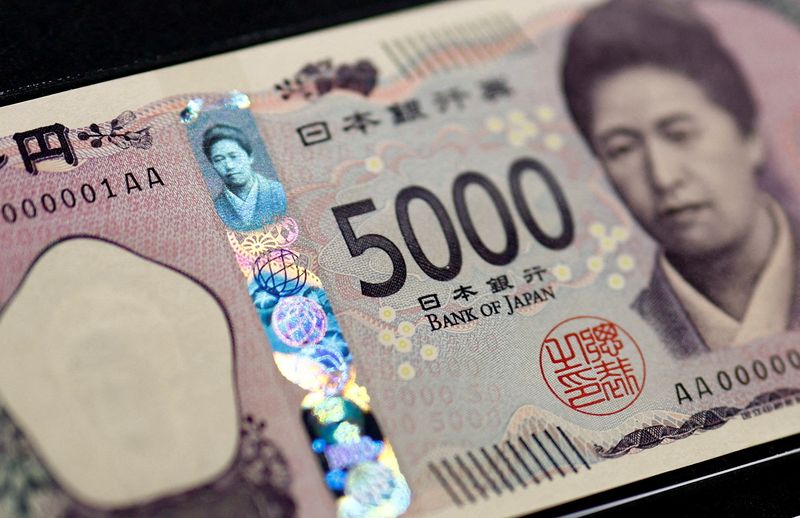
The U.S. dollar has shown significant strength, pushing the Japanese yen to its lowest levels since 1986. This development has raised speculation that the Japanese government might soon intervene directly in the foreign exchange market.
On Tuesday, the dollar reached as high as 162.66 yen and was trading at 162.59 yen, a 0.4% increase from the previous day. Japanese Finance Minister Satsuki Katayama emphasized that authorities are prepared to respond appropriately if needed, but she did not express stronger concerns.
The dollar's strength is supported by growing expectations of further interest rate hikes by the Federal Reserve. U.S. inflation remains above target, and the economy continues to expand. According to the Fed's latest quarterly projections, nine out of 19 policymakers anticipate a rate hike by the end of the year.
James Lord, head of FX EM strategy at Morgan Stanley, noted that the dollar has strengthened further since the FOMC meeting. He attributed this to widening growth differentials between the U.S. and other major economies, which have been amplified by higher oil prices. Recent economic data highlights stronger U.S. performance, particularly against the eurozone, where growth indicators have been weaker.
U.S. Equity Markets and the Greenback
A strong U.S. equity market, driven by optimism around artificial intelligence, has also contributed to the dollar's rise. Capital flows into the United States have reinforced the narrative of U.S. exceptionalism, according to Lord.
Thursday's June jobs report is the key U.S. economic event for the week. Three consecutive months of strong job gains have bolstered the hawkish stance on Fed policy. Economists expect the report to show employers added 110,000 jobs in June, with the unemployment rate remaining steady at 4.3%.
Data released on Tuesday indicated that U.S. job openings increased slightly in May, while hiring remained weak. U.S. consumer confidence also showed a slight improvement in June.
Fed funds futures traders are pricing in a 65% chance of a rate increase by September. Cleveland Fed President Beth Hammack suggested it is still possible she could advocate for higher interest rates if inflation pressures do not ease.
However, Morgan Stanley believes markets are overpricing a more aggressive Fed than necessary. "We expect U.S. inflation to undershoot the central bank's projections, reducing the likelihood of rate hikes," said Lord.
The dollar index, which measures the U.S. currency against six others, was up 0.03% at 101.17. It is set for a 1.3% rise in the second quarter after gaining 1.6% in the first three months of 2026.
The Yen's Struggle Against the Dollar
The dollar's strength has had the most significant impact on the Japanese yen. Despite the Bank of Japan's recent rate hike, Japanese interest rates remain far below those in the U.S., creating a wide yield gap that favors the dollar and supports carry trades.
The dollar is expected to gain 2.45% against the yen this quarter, marking its fourth consecutive quarterly increase and the longest winning streak in four years.
Japanese authorities intervened in April and May, spending 11.7 trillion yen ($72.25 billion) to support the yen, but this support has since faded.
Lee Hardman, senior currency analyst at MUFG, said he expects Japanese authorities to intervene again at some point. However, the previous interventions did not reverse the trend, making them more hesitant this time.
He also noted that, unlike in April, the yen has only weakened against the dollar this time. The euro was trading at 185.7 yen, which is elevated compared to historical levels but still below its April record high of 187.95.
Katayama's comments avoided any verbal escalation that often precedes intervention. Instead, she reiterated that authorities are ready to respond at any time. Karl Schamotta, chief market strategist at Corpay, noted that this may make near-term intervention less likely. However, he pointed out that Thursday's payrolls report and Friday's Independence Day holiday, when U.S. liquidity decreases significantly, could offer opportunities to challenge speculative short positions.
Most U.S. markets will be closed on Friday for Independence Day, with foreign exchange trading volumes expected to be light.
Other Currencies and Cryptocurrencies
The euro edged up 0.02% to $1.1422, close to the one-year low it hit last week. In addition to the strong dollar, the currency was also digesting cooler inflation data from France, Italy, and major German states.
The European Central Bank raised rates earlier this month, and markets expect another hike by year-end. However, slowing inflation and a fragile economy could change this outlook.
Sterling weakened 0.02% to $1.3256.
In cryptocurrencies, Bitcoin fell 3.12% to $58,342, approaching last week's low of $58,076. If this level is broken, Bitcoin could reach its weakest point since September 2024.
Post a Comment for "Dollar Soars, Yen Plummets to 40-Year Low"