
How a Town is Steering Youth Away from Smartphones
A New Approach to Reducing Smartphone Use in Solihull
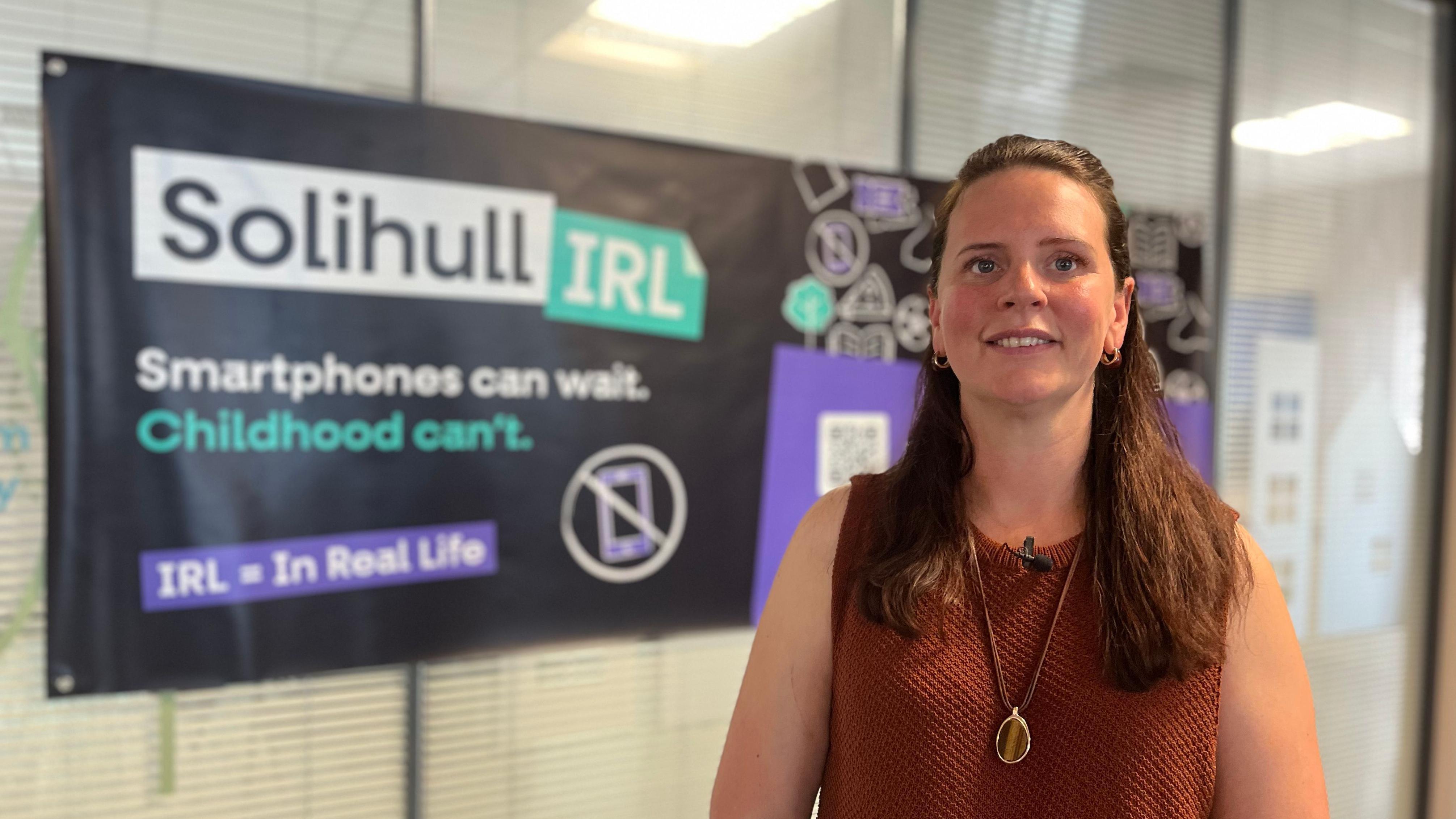
A market town in the West Midlands is taking bold steps to encourage young people to disconnect from their smartphones. The initiative, known as the 'In Real Life' (IRL) campaign, aims to create smartphone-free environments and promote real-world activities. This effort comes at a time when concerns about the impact of technology on youth mental health are growing.
The government has already introduced a legal ban on devices in schools in England, and a social media ban for under 16s is set to take effect next year. However, the IRL campaign in Solihull has taken similar measures by encouraging organizations to sign up as smartphone-free zones. With the slogan "Smartphones can wait, childhood can't," the campaign seeks to highlight alternative activities that children can engage in, drawing them away from their screens.

Schools Leading the Charge
The campaign has been driven by local schools, which aim to extend its reach beyond the school gates. At Alderbrook School, it has been mandatory for Year 7 and 8 pupils to lock away their devices at the start of the day since February. This follows a voluntary scheme implemented the previous year.
Headteacher Tom Beveridge explained that students were using their phones late into the evening. He emphasized the importance of collaboration between schools and other community agencies to create a positive impact.
"Just like things like smoking, the norm has changed over time, the same will happen with children's use of smartphones and social media, and that's what this campaign is all about."
The initiative is believed to be the first of its kind, with support from schools, businesses, charities, and the local authority.
Mental Health and Digital Literacy
Project lead Katie Washbourne, who also founded the not-for-profit mental health service Ordinary Magic, highlighted the importance of balancing technology use. She noted that more than half of the young people referred to her service had poor mental health due to online experiences such as bullying and social media pressure.
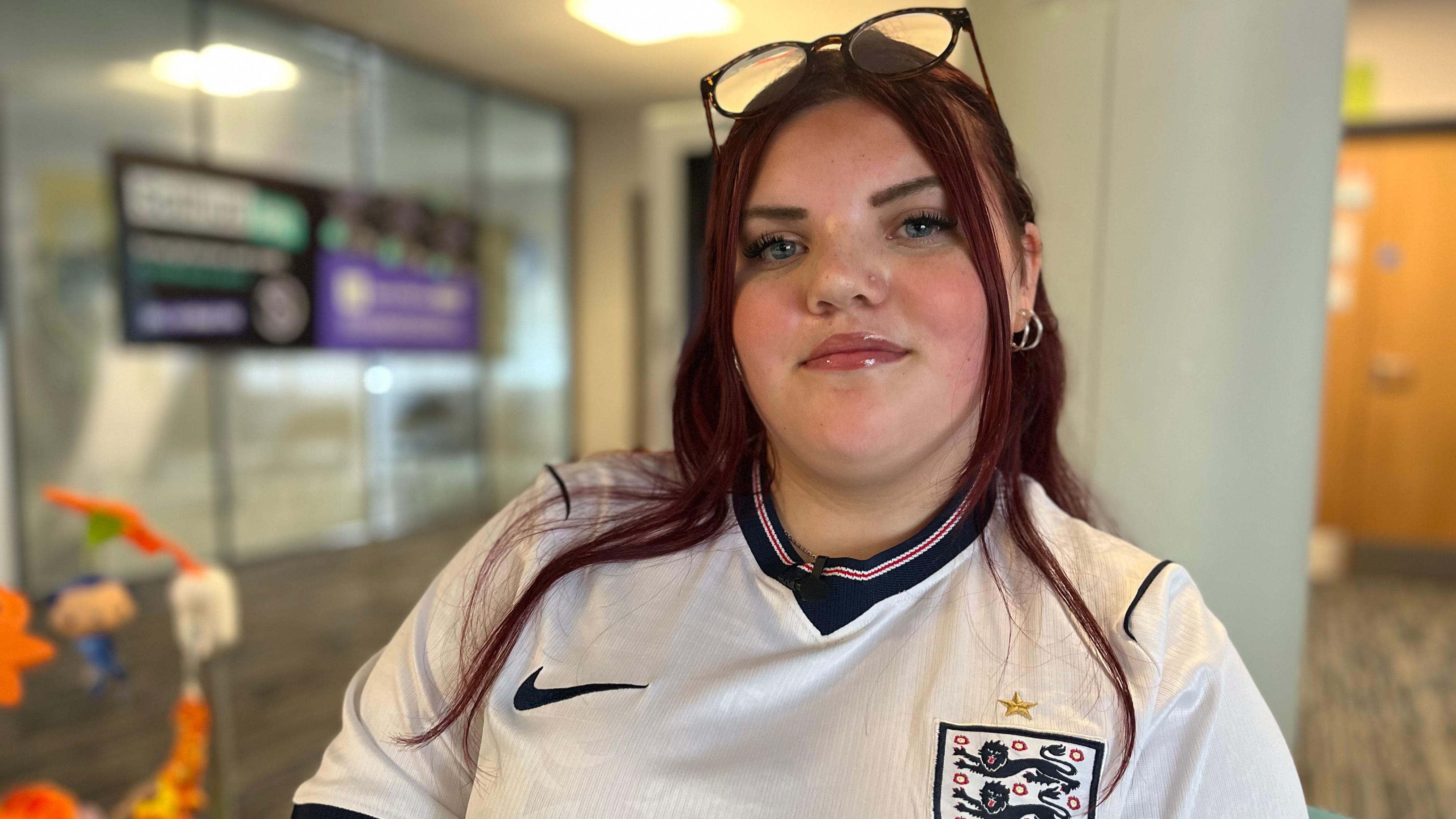
Young people like 14-year-old Trinity, who spent seven to eight hours a day on her phone, have shared their experiences. She mentioned that excessive screen time affected her social interactions and self-esteem.
Elsie, another 14-year-old, spends four to five hours daily on social media. She supports the campaign, believing it will help people connect in person rather than through their devices.
Businesses Join the Movement
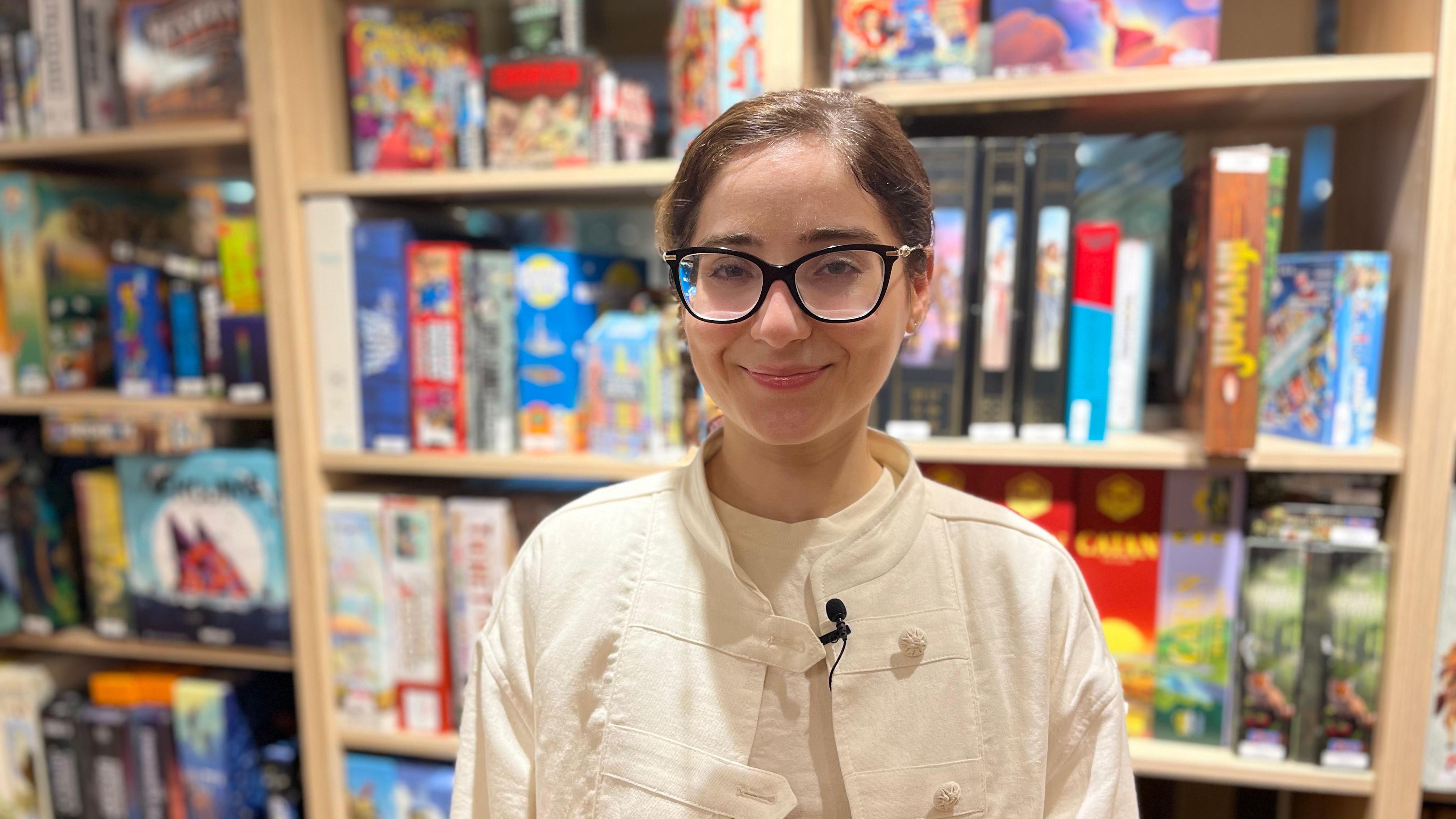
Several businesses in Solihull have embraced the IRL campaign. One example is Game Guru, a board game café in the Touchwood shopping centre. It offers families a 10% discount on food and drinks if they lock their smartphones in a designated locker.
Manager Melika Latif explained that the café aims to create an environment where kids can interact without being glued to their phones. Customer Baldan Devecioglu, originally from Switzerland, praised the initiative, noting that it encourages real-life connections.
Fostering Digital Skills
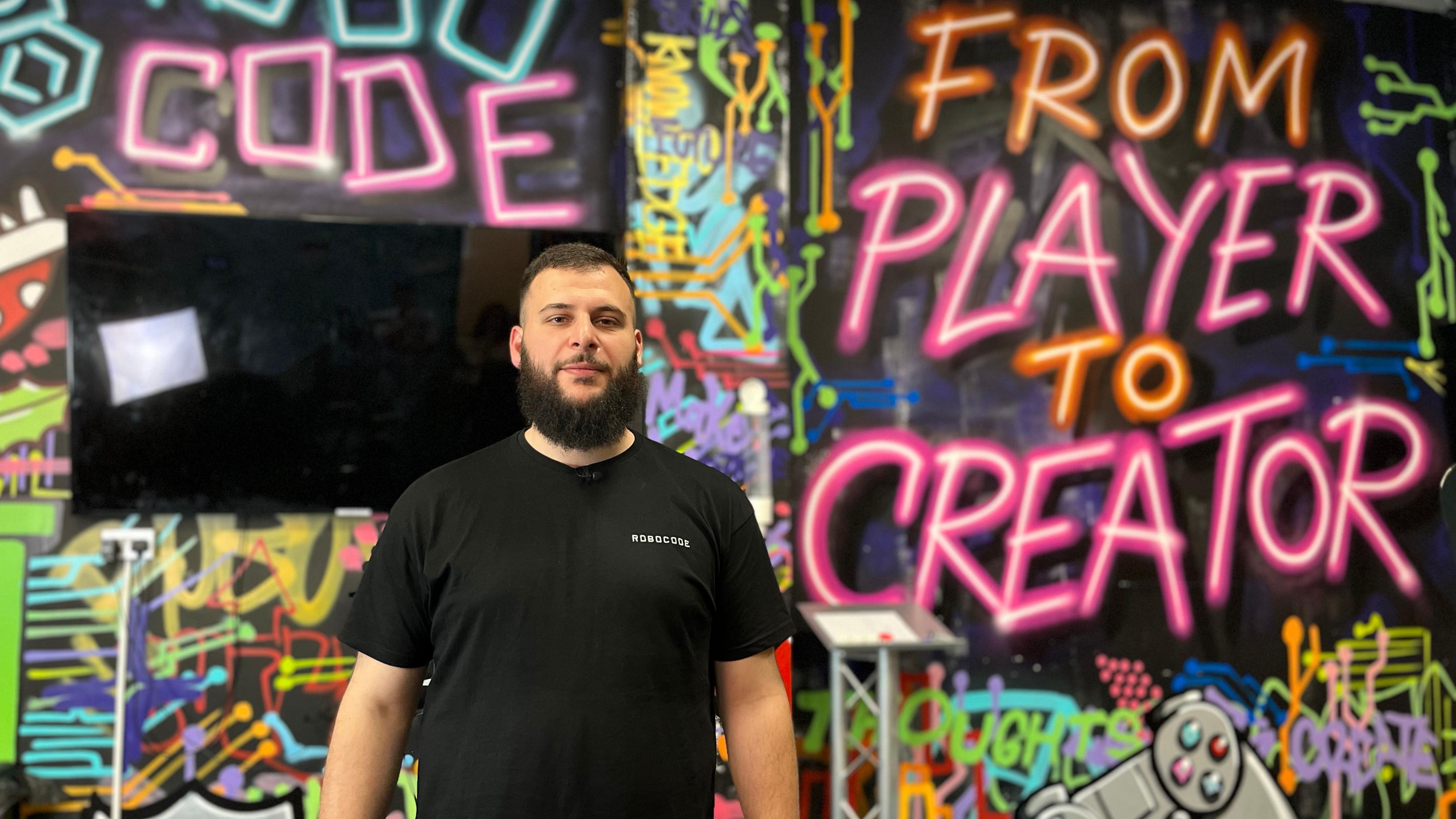
Another business supporting the initiative is Robocode, a robotics and coding course provider in Shirley. The company focuses on turning children from passive users of technology into creators. Managing director Khaled Ayad pointed out a common misconception: while young people may be digital natives, their skills often stop at basic interactions like scrolling and liking.
At Robocode, children as young as six learn real-world tech skills, including building robots and creating video games. Ayad believes that expanding their horizons helps them move away from over-consumption of technology.
Parents like Michelle Thompson appreciate the initiative. Her 11-year-old son now thinks more critically about his online activities and where he gains knowledge.
Promoting Play and Independence
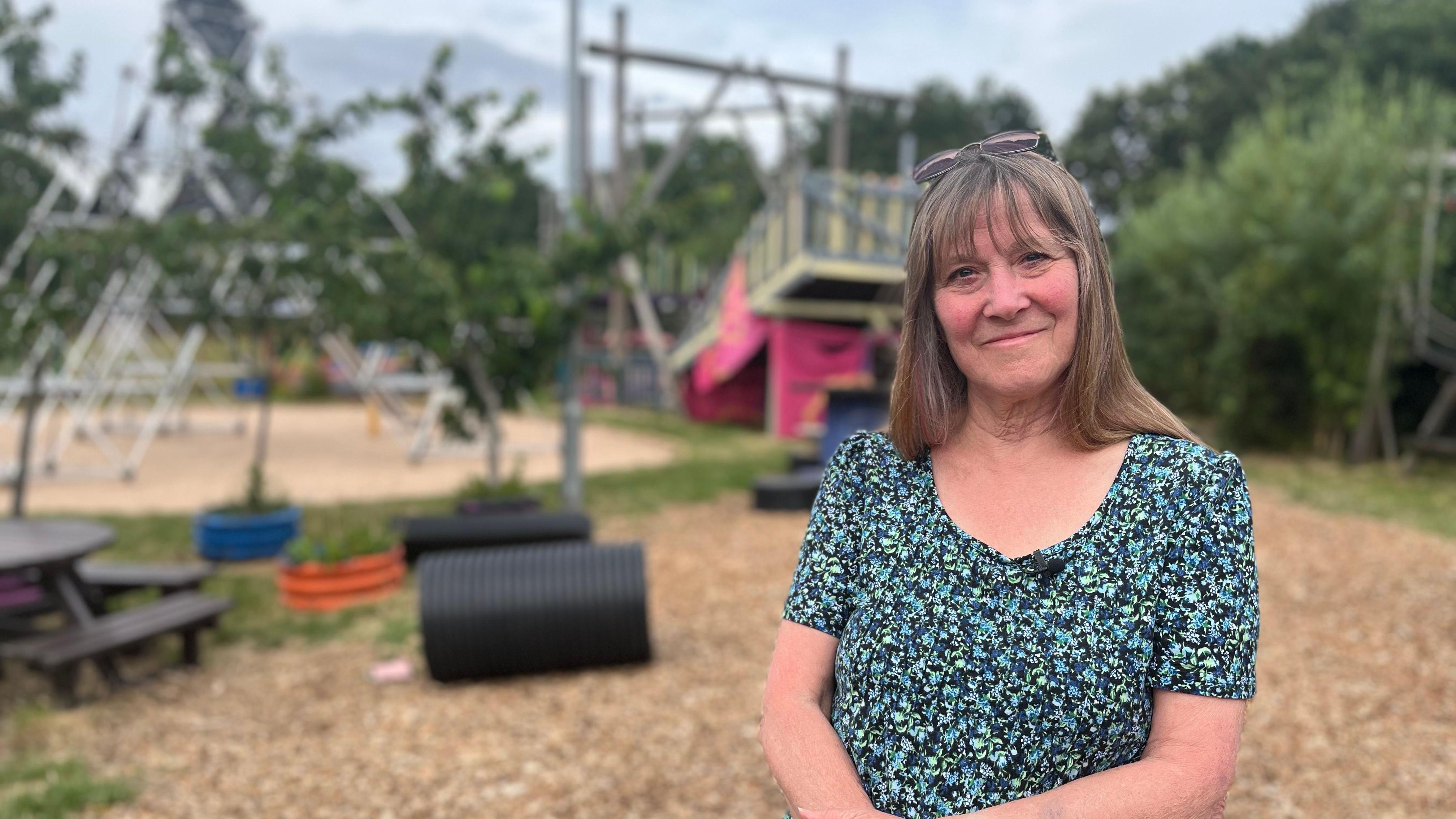
At Meriden Adventure Playground in Chelmsley Wood, the focus is on getting young people to play. The charity, run by volunteers, offers a range of activities, including zip wires, towers, and areas for creative play.
Chair Alison Wood emphasized the importance of play in helping children develop resilience and social skills. She expressed concern that the overuse of smartphones has taken away young people's freedom and independence.
"If we take away their phones and we don't have alternatives, that's going to be a problem."
Related Stories
- When will social media ban start, and which apps will be affected?
- What happens when pupils cut back on social media?
- Card games replace phones after school ban
Post a Comment for "How a Town is Steering Youth Away from Smartphones"