
LNG Emerges as Key Power Source for Semiconductors and AI
The Rise of LNG in the Modern Energy Landscape
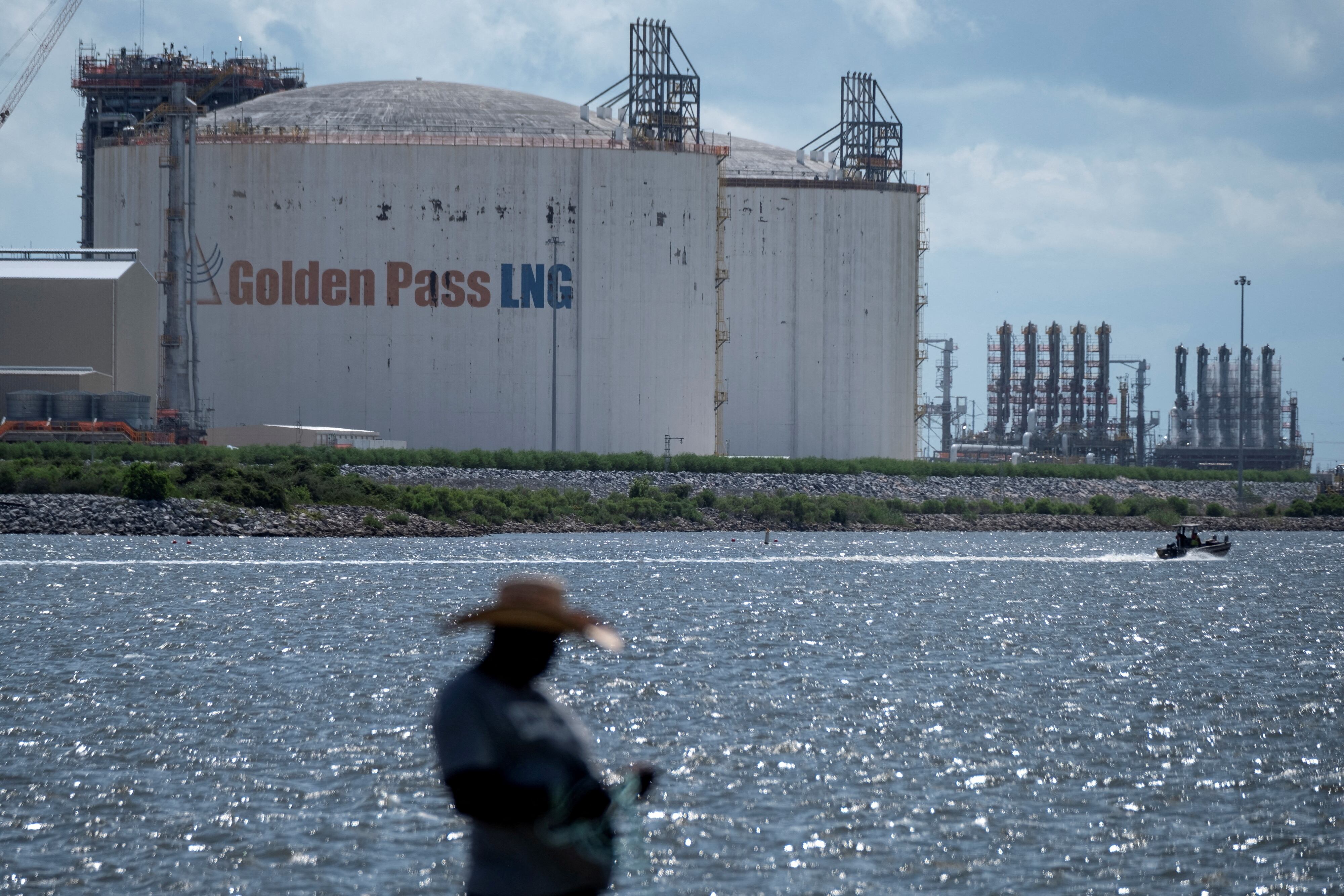
The current era is witnessing a significant shift in the energy sector, often referred to as the "gas renaissance." Among various energy sources, liquefied natural gas (LNG) has experienced a remarkable resurgence. Once overshadowed by the push for eco-friendly alternatives, LNG is now playing a crucial role in meeting the growing demands of modern industries.
Energy experts highlight that semiconductor factories and AI data centers cannot operate effectively without a reliable supply of LNG. This sentiment has been reinforced by recent government announcements regarding the construction of four mega semiconductor fabrication plants in the Honam region and seven AI data centers across the country. These developments have sparked a broader consensus on the expanding role of LNG in South Korea’s energy strategy.
The reason behind this shift is clear: as facilities that require continuous operation multiply, the need for stable power supply becomes increasingly critical. While renewable energy sources like solar and wind are gaining traction, their intermittent nature poses challenges. Fluctuations in generation due to weather conditions or time of day make them less reliable for constant power needs.
In response to these limitations, backup power solutions become essential. Nuclear power plants, although a viable option, require long construction periods. In contrast, LNG power generation offers flexibility, allowing for immediate adjustments in output when needed. This makes it the most practical solution currently available.
Global Trends Reflecting the Gas Renaissance
Countries around the world are beginning to recognize the importance of gas in their energy strategies. According to the Global Energy Monitor (GEM), global new gas power development capacity increased by 31% year-on-year to 1,047 GW in 2025. The United States leads with 252 GW under development, surpassing China's 153 GW. GEM's analysis indicates that over one-third of new U.S. gas power projects are directly linked to data center electricity supply.
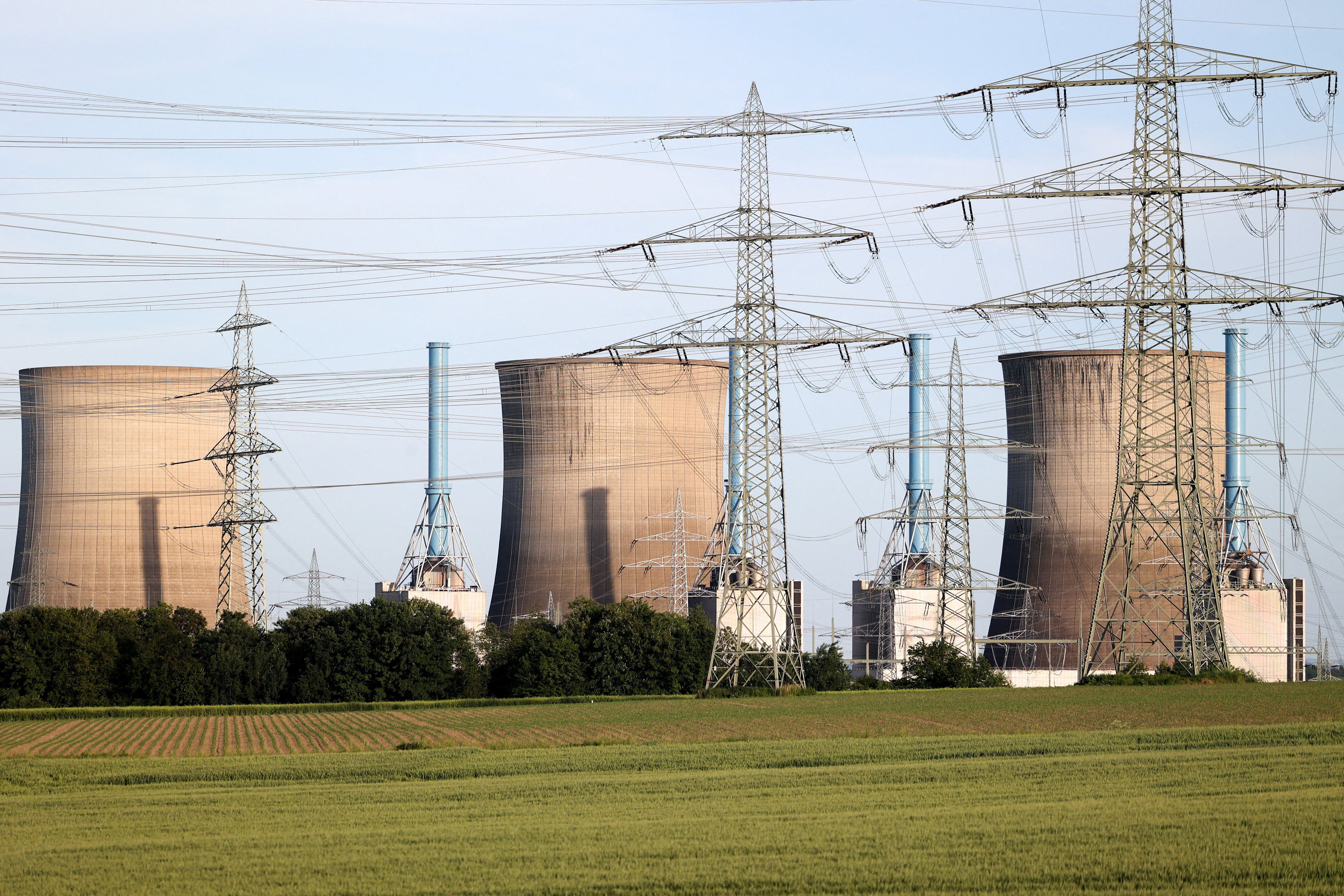
Despite tightening regulations on new gas plants in 2024, the U.S. officially abolished these rules in 2025 due to a surge in power demand. This has prompted utilities to revive gas power plans. Similarly, Germany, a leader in renewable energy, has shifted its focus toward reaffirming the necessity of gas power. Although it reduced gas consumption by about 5% in 2023, the country acknowledges that renewables alone cannot ensure grid stability.
In May, the German government passed a 9 GW “long-duration power facility bidding law,” emphasizing the need for stable power supply even during periods of low renewable generation. Clean Energy Wire interpreted this as approving new gas power auctions to maintain grid stability. Japan is increasing its long-term LNG procurement to meet the power demands of AI data centers and semiconductor factories. Vietnam has also designated LNG as a core axis of its power plan by 2030.
South Korea’s Hesitation and the Need for Policy Change
While the global trend highlights the importance of LNG, South Korea remains hesitant. Domestic companies emphasize the need to expand LNG's role in the country's energy mix. A notable moment was Vice Chairman Jun Young-hyun of Samsung Electronics, who during a semiconductor investment announcement in Gwangju on June 30, requested that nuclear power expansion, LNG, and combined heat and power generation be pursued.
Semiconductor factories and AI data centers face massive losses from even brief power disruptions, making stable supply impossible with renewables alone. However, under the government's pro-renewable energy stance, there has been reluctance to expand LNG's role. While the government set a goal to supply 100 GW of renewables by 2030, it remained passive on LNG-related policies.
For instance, during discussions on the Ministry of Science and ICT’s ‘Special Act on AI Data Centers’ passed in May, a special clause allowing non-capital region data centers to directly purchase LNG power was reviewed but excluded in the final stage due to opposition from the Ministry of Climate.
Yet, the recent mega projects are shifting the government’s internal stance. There is growing recognition that renewable expansion alone cannot handle large-scale power demand, and LNG—flexible enough to supplement when needed—cannot be excluded.
Experts argue that LNG should not be seen merely as a power generation facility but as a “minimum device to stabilize the grid.” Professor Cho Seong-bong from Soongsil University’s Department of Economics stated, “National projects are practically impossible without LNG,” adding, “The role of LNG must be realistically reflected in the next Basic Plan for Electricity Supply and Demand.”
Additional Information
월 5900원 멤버십, 신문 독자에게는 2900원, 조선멤버십
55000원 상당의 신문-잡지 8종 마음껏 보기, 조선멤버십
현금처럼 쓸 7000포인트 받아 알뜰한 쇼핑, 조선멤버십
Post a Comment for "LNG Emerges as Key Power Source for Semiconductors and AI"