
A Remarkable Ice Age Artifact
A remarkable Ice Age artifact discovered in a cave in southern Poland is transforming what scientists know about the origins of one of humanity’s oldest hunting weapons. New radiocarbon dating has revealed that a carefully carved mammoth ivory boomerang is between 39,000 and 42,000 years old, making it the oldest known example ever identified. The research, published in the scientific journal PLOS ONE, pushes the history of this sophisticated technology much further back than previously believed and offers an extraordinary glimpse into the creativity, craftsmanship, and symbolic world of early Homo sapiens.
A Discovery That Challenges Long-Held Assumptions
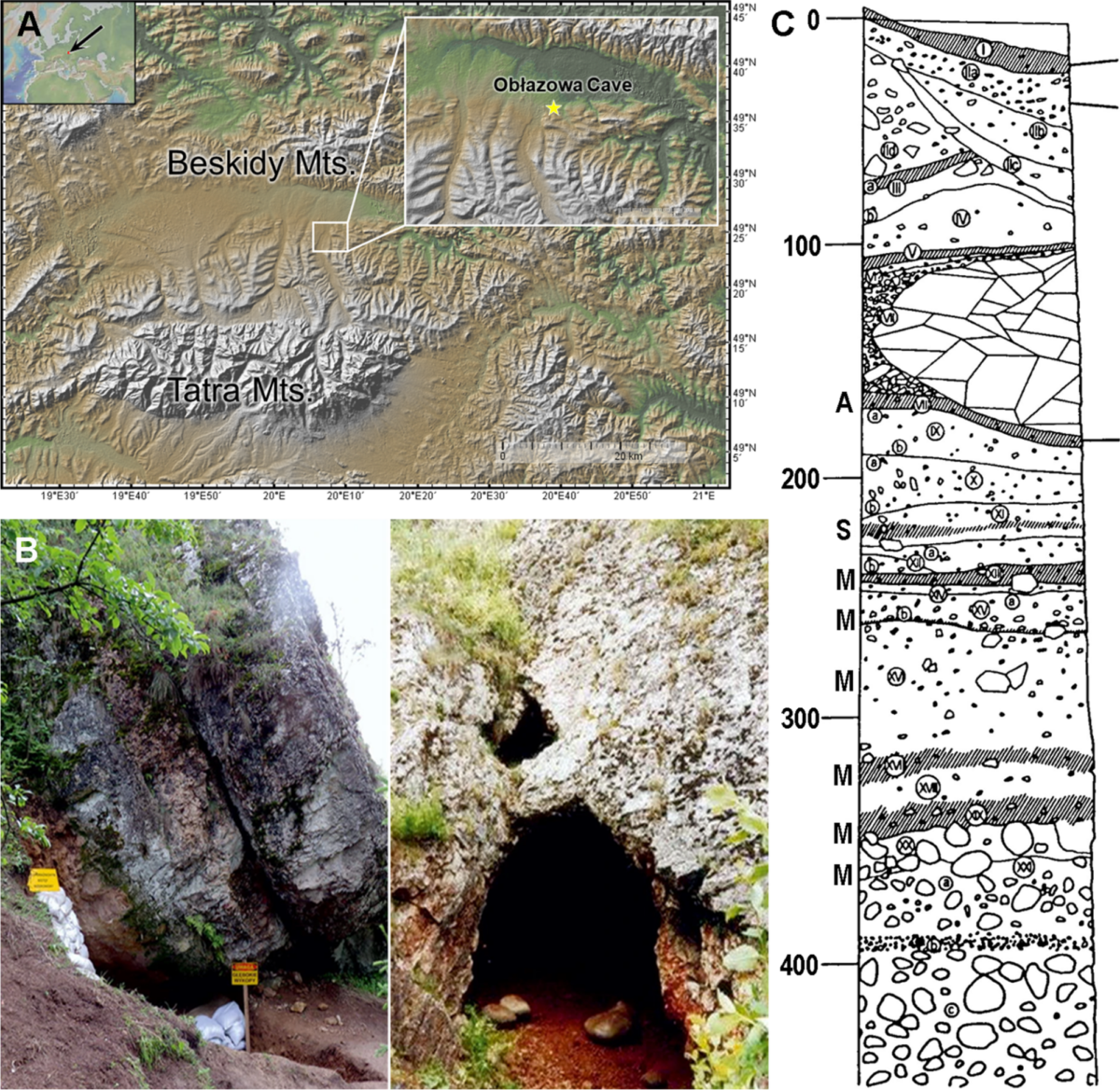
For generations, the boomerang has been closely associated with Aboriginal Australia, where returning and non-returning versions have served practical and cultural roles for thousands of years. The Polish discovery does not diminish that heritage. Instead, it reveals that similar aerodynamic concepts emerged far earlier and much farther from Australia than researchers once imagined. Excavated in Obłazowa Cave during archaeological work in 1985, the artifact was originally estimated to be between 23,000 and 30,000 years old. That alone made it exceptional. New dating techniques have now dramatically extended its age, placing its creation during a period when modern humans were expanding across Europe and developing increasingly sophisticated technologies and symbolic traditions.
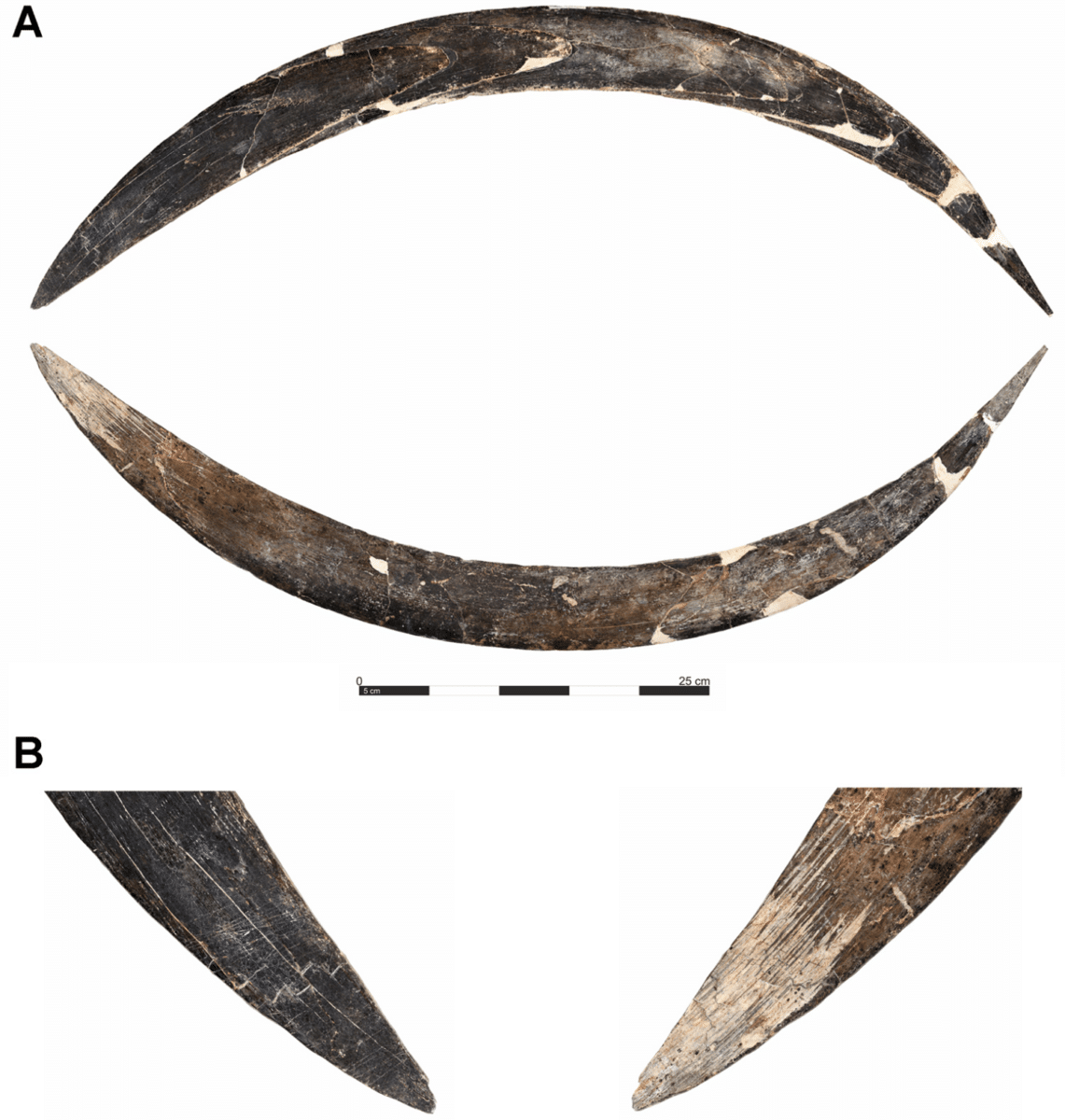
Carved from a mammoth tusk with remarkable precision, the object demonstrates an advanced understanding of shape, balance, and material properties. Even after tens of thousands of years, the craftsmanship remains evident, suggesting its makers possessed skills that rival the finest examples of Upper Paleolithic tool production. The find expands the timeline of complex hunting equipment while raising new questions about how widely such technologies spread among prehistoric populations.
New Dating Reveals an Astonishing Age
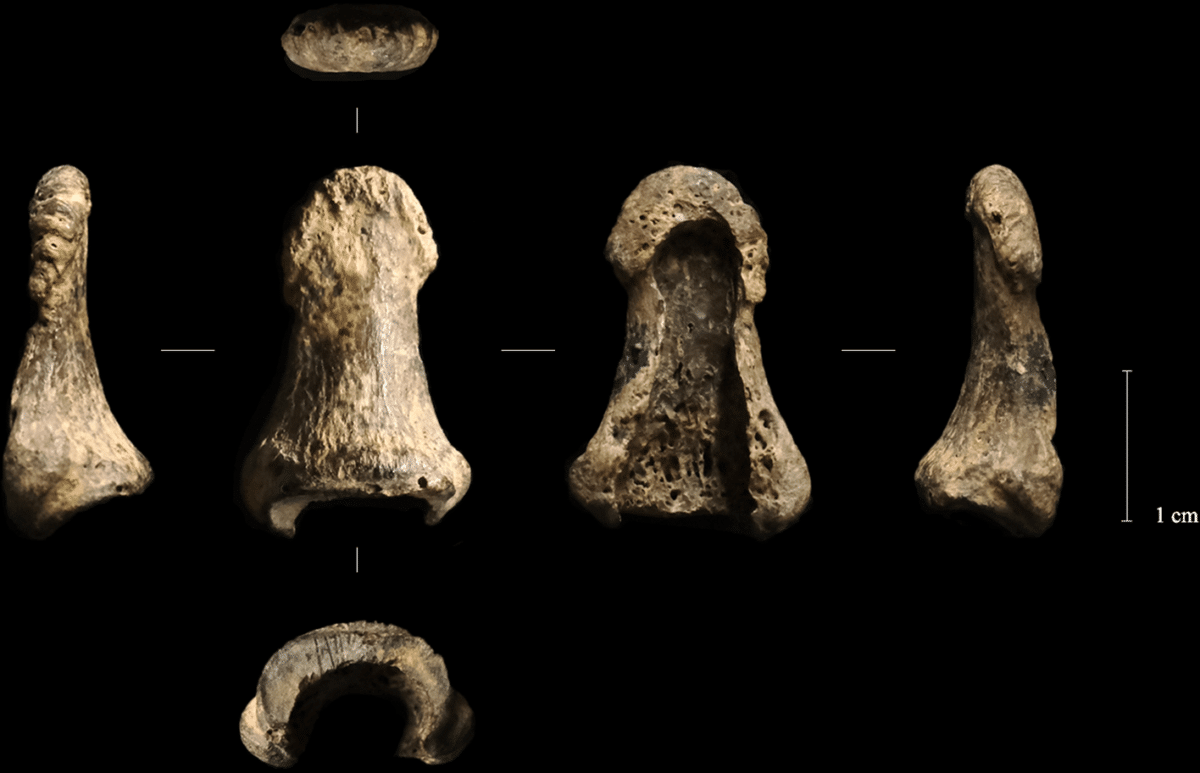
The breakthrough comes from new radiocarbon analyses performed on human and animal remains recovered from the same archaeological layer as the boomerang. The findings, published in the scientific journal PLOS ONE, place the associated material between approximately 39,000 and 42,000 years old. According to the researchers, this makes the Polish artifact the oldest boomerang currently known anywhere in the world. The study was led by an international team that combined modern dating techniques with decades of archaeological evidence collected from the cave. Dr. Sahra Talamo of the University of Bologna described the artifact as unique both for its age and its unusual shape.
The revised chronology also places the object during a period when early modern humans were producing increasingly elaborate ornaments, artwork, and symbolic objects across Europe. Rather than representing an isolated curiosity, the boomerang now appears alongside other evidence of growing technological sophistication among Ice Age communities. The discovery strengthens the picture of prehistoric societies that experimented with specialized tools while adapting to demanding glacial environments.
An Ice Age Weapon Made From Mammoth Ivory
Unlike the familiar returning boomerangs often demonstrated today, researchers believe this ancient example was designed as a non-returning throwing weapon. Its aerodynamic profile suggests it would have traveled efficiently through the air before striking distant prey rather than circling back to its user. Such weapons are well suited for hunting birds and medium-sized animals, although similar objects have also been employed historically as combat weapons and multipurpose tools. Choosing mammoth ivory instead of wood would have required extraordinary planning and technical expertise.
Ivory behaves differently during carving and demands careful shaping to avoid fractures while maintaining strength. The surface of the artifact preserves marks indicating that it was polished and carefully finished, while its design even suggests it may have been intended for use by a right-handed individual. These details reveal a level of intentional craftsmanship that speaks to both practical engineering and artistic expression. Far from being a simple survival tool, the boomerang reflects a deep understanding of materials available in Ice Age Europe and an ability to transform them into highly specialized equipment.
More Than a Hunting Tool?
The archaeological context surrounding the discovery adds another layer of intrigue. The boomerang was found in an exposed location within Obłazowa Cave, surrounded by large stones that appear to have been deliberately positioned. Nearby archaeologists uncovered some of the oldest known human remains from present-day Poland along with valuable artifacts and extensive deposits of red ochre, a pigment widely linked to ritual behavior during the Upper Paleolithic.
These associations have prompted some researchers to consider whether the boomerang carried symbolic or ceremonial significance beyond its practical use. Professor Paweł Valde-Nowak, who has studied the site for decades, has suggested that the object’s placement may reflect ritual activity connected to hunting or community traditions. While no single interpretation has been confirmed, the evidence illustrates how technological objects could also hold cultural meaning within prehistoric societies. The artifact therefore provides a rare opportunity to examine not only how early humans hunted, but also how they may have expressed identity, belief, and social practices through carefully crafted objects.
A Discovery That Expands the Story of Human Ingenuity
The Polish mammoth ivory boomerang stands as one of the most compelling archaeological discoveries of recent years because it reshapes multiple chapters of human history at once. It extends the known timeline of advanced projectile technology by thousands of years, highlights the impressive engineering abilities of Ice Age Homo sapiens, and demonstrates that innovation flourished across prehistoric Europe in ways researchers are still uncovering.
While Australia remains central to the long and continuous cultural history of the boomerang, this exceptional artifact reveals that similar ideas emerged much earlier within another human population facing very different environmental challenges. Every new scientific analysis of the object adds another piece to the puzzle of human evolution, reminding us that our ancestors possessed creativity, adaptability, and technical skill far beyond what was once imagined. As researchers continue exploring Obłazowa Cave, this extraordinary mammoth ivory weapon will remain a defining symbol of humanity’s earliest achievements in craftsmanship and innovation.


No comments:
Post a Comment