
The Must-Have Gadgets Long-Distance Drivers Can't Do Without
Essential Car Gadgets for Long-Distance Driving
Long-distance driving can quickly reveal which car gadgets are truly useful and which ones just take up space. While a fun accessory might make the car feel more enjoyable, it won’t be much help when the tire pressure light comes on, the phone battery is nearly dead, or the map freezes due to poor service. Most drivers rely on simple, practical, and easy-to-understand gear, especially during long trips.
This is important because long drives can be physically and mentally challenging for both the driver and the vehicle itself. According to data from NHTSA, 644 people were killed in crashes related to drowsy driving in 2024. Distracted driving can include activities like texting, using apps, eating, drinking, or adjusting navigation. While good gadgets won’t replace safe driving, they can help prevent small issues from becoming major problems.
The Gadgets That Keep The Drive Going
A sturdy phone mount is one of the easiest upgrades to make before a long trip. It keeps navigation where the driver can see it, preventing the phone from sliding around in a cupholder, across the passenger seat, or into that annoying gap beside the console.
A strong USB-C car charger is another small but essential item. Phones, earbuds, tablets, watches, dash cams, and other devices can all run low at the same time, especially when everyone is using maps, music, or entertainment. A charger with multiple ports helps avoid conflicts over who gets to plug in first.
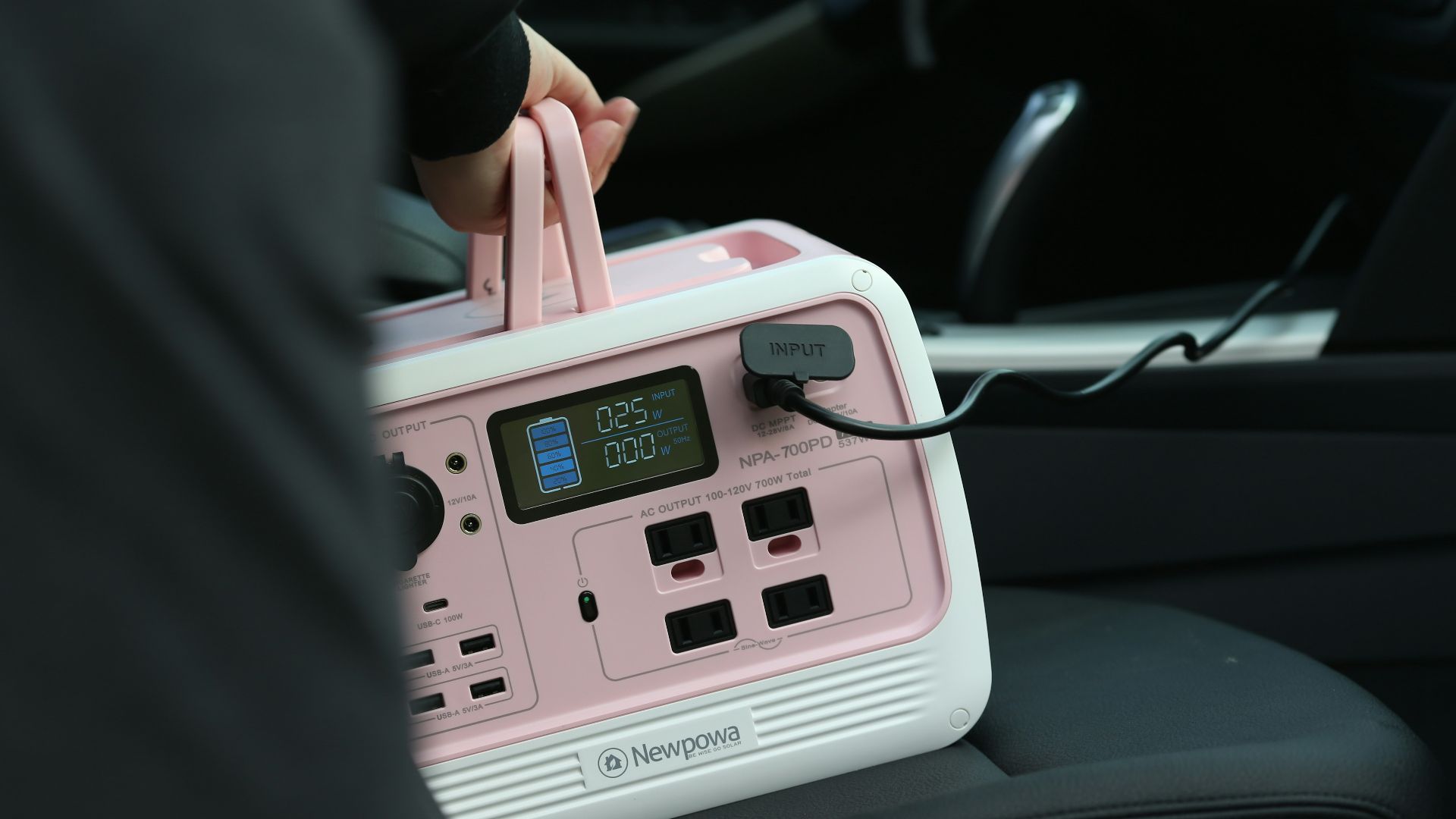
A portable power bank provides an extra backup when the car charger isn’t enough. It can be useful when the engine is off, all outlets are taken, or someone needs to charge a phone away from the vehicle at a motel, rest stop, campsite, or ferry line. Offline maps are also valuable, as they can be used when internet connections are slow or unavailable.
The Roadside Tools Drivers Are Happy They Packed
A portable jump starter might seem unnecessary until the car battery dies in an inconvenient location. Jumper cables are helpful, but they still require another car and a willing person to stop. AAA recommends including jumper cables or a compact jump starter in a road-trip emergency kit, making a small jump starter a smart addition to any car.
A portable tire inflator is not exciting, but it can be one of the most useful tools in the trunk. Properly maintained tires help with steering, stopping, traction, and carrying weight. Under-inflated tires and overloaded vehicles are major causes of tire failure, so an inflator can turn a low-pressure warning into a simple stop instead of a bigger problem.
A separate tire pressure gauge is still worth keeping in the car, even if the inflator has a built-in screen. NHTSA recommends checking tire pressure when the tires are cold, meaning the car hasn’t been driven for at least three hours. Visibility gear is also important, and AAA suggests having warning triangles or DOT-approved flares, along with a flashlight, extra batteries, a first-aid kit, and other emergency supplies.
The Comfort Gear That Makes Long Drives Easier

A rechargeable headlamp is a small item that becomes incredibly useful at the worst possible time. It allows drivers to keep both hands free while checking a tire, looking under the hood, or searching through the trunk in the dark.
A plug-in cooler can make a long driving day more manageable by letting drivers pack cold drinks, fruit, sandwiches, leftovers, and snacks instead of relying on gas-station food every few hours. However, it’s important to use the cooler correctly. FoodSafety.gov states that perishable food should be kept at 40 degrees Fahrenheit or below, so cold food needs more care than just tossing it into the car.
A lumbar cushion or firm seat pad can also help, as some drivers with arthritis or back problems may find comfort in a firm seat cushion, especially when seating position is an issue.
A cell signal booster is more useful for some drivers than others, particularly those who drive on rural roads, travel in RVs, use work vehicles, or spend time in remote areas. The FCC states that signal boosters can improve cell phone coverage in places with poor signal, though poorly made, broken, or wrongly installed boosters can interfere with wireless networks.
An OBD-II scanner can also help when the check engine light comes on. EPA materials explain that onboard diagnostics monitor emissions-related systems and some engine parts. A dash cam can record confusing road moments such as sudden lane changes, hit-and-runs, or animals crossing the road at the wrong time.
The best gadgets for long-distance driving are usually not flashy. They’re the tools that keep the phone charged, the tires checked, the food cold, the route available, and the driver more comfortable. Drivers swear by them because they help handle minor problems early, before those problems become expensive, unsafe, or just plain frustrating.
Post a Comment for "The Must-Have Gadgets Long-Distance Drivers Can't Do Without"