
Wimbledon Dishes Venison Over Beef in Net Zero Initiative
Wimbledon's Sustainable Shift: From Beef to Venison
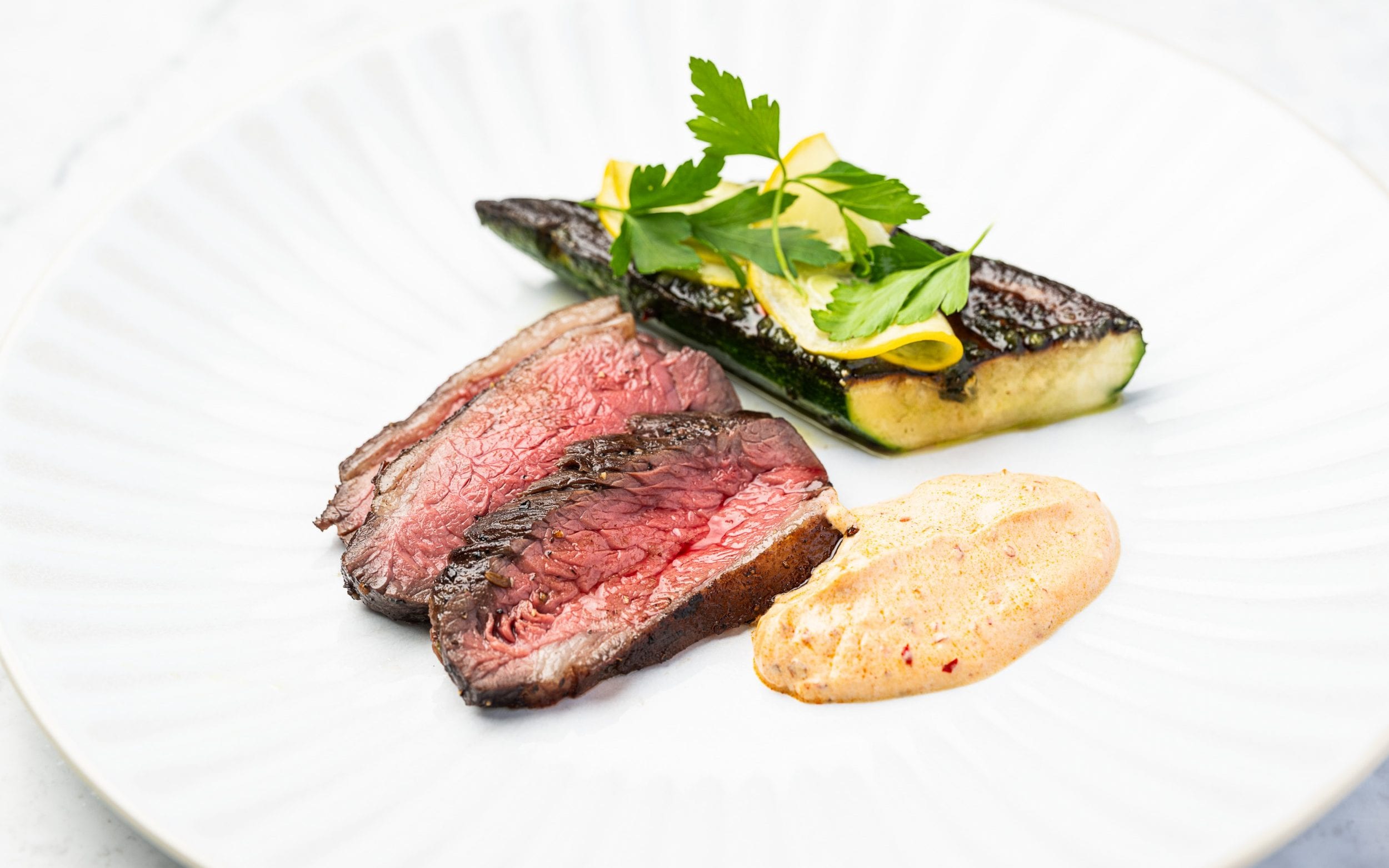
Wimbledon, one of the most prestigious tennis tournaments in the world, has taken a bold step towards sustainability by replacing beef with venison on its menus. This move is part of the All England Club’s broader initiative to achieve net zero carbon emissions by 2030. The decision to introduce venison from London’s Royal Parks reflects a growing awareness of the environmental impact of food choices.
Venison is being served across all areas of the grounds, including restaurants and cafes. According to Joe Furber, the senior food and drink manager at Wimbledon, venison is considered "fundamentally a more sustainable meat" due to its lower carbon footprint compared to beef. This shift aligns with Wimbledon's commitment to promoting greener eating habits among attendees.
Carbon Labels and Food Choices
Since 2024, Wimbledon has implemented carbon labels on food menus to help guests make informed decisions about their meals. These labels rate food based on the greenhouse gases emitted during production, with scores ranging from A (very low impact) to E (very high impact). Beef dishes at Wimbledon have been rated as an F, while a comparable venison dish receives a C. This rating system highlights the environmental benefits of choosing venison over beef.
Mr. Furber emphasized that there is an abundance of venison available in the UK, calling it a versatile and delicious option. "It’s a really versatile meat as well, and happens to taste fantastic," he said.
Addressing Environmental Concerns
Bryn Williams, the head chef at The Renshaw – the All England Club’s debenture-holder restaurant – explained that serving venison helps manage the deer population, which has grown to over two million due to the absence of apex predators and a milder climate. This population increase has led to ecological damage, including the destruction of woodlands and forestry plantations.
Williams noted that venison is not only healthier than beef but also contributes to maintaining a balanced ecosystem. "The deer population has been blamed for ruining woodland and stripping bark from forestry plantations," he added.
Industry Reactions and Sustainable Practices
While some support the move, others have raised concerns. Jimmy Woodrow, the chief executive of Pasture for Life, argued that beef can be produced just as sustainably as venison. He criticized the current carbon measurement system for favoring high-intensity farming methods. "It is possible to farm beef and lamb without using fossil fuels if you do it the right way," Woodrow said.
Wimbledon's decision to reduce beef consumption follows similar moves by other sports venues, such as Premier League football stadiums, England rugby’s Allianz Stadium in Twickenham, and the Kia Oval in South London, which have all switched to deer meat to cut emissions.
Levy, the official catering partner for Wimbledon, claims that its venison burgers have 85% fewer carbon emissions per kilogram than beef burgers. This statistic underscores the potential environmental benefits of the switch.
Innovative Sustainability Measures
Beyond venison, Wimbledon has introduced other sustainable initiatives. A new sushi bar at the venue is serving Hampshire chalk stream trout instead of salmon, citing its higher Omega-3 fatty acid content and greater sustainability. Sam Kent, the head chef at Wimbledon, described the trout as "super high" in nutrients and noted that demand for it is so high that they have a full-time team of on-site sushi chefs working early in the morning.
Kent mentioned that players often request raw fish at any time of day, and that they are not shy about piling their plates with whatever is available after grueling matches in hot conditions. "You will see slightly weird things, like someone will have pasta with cake on top," he said.
Kombucha from Coffee Grounds
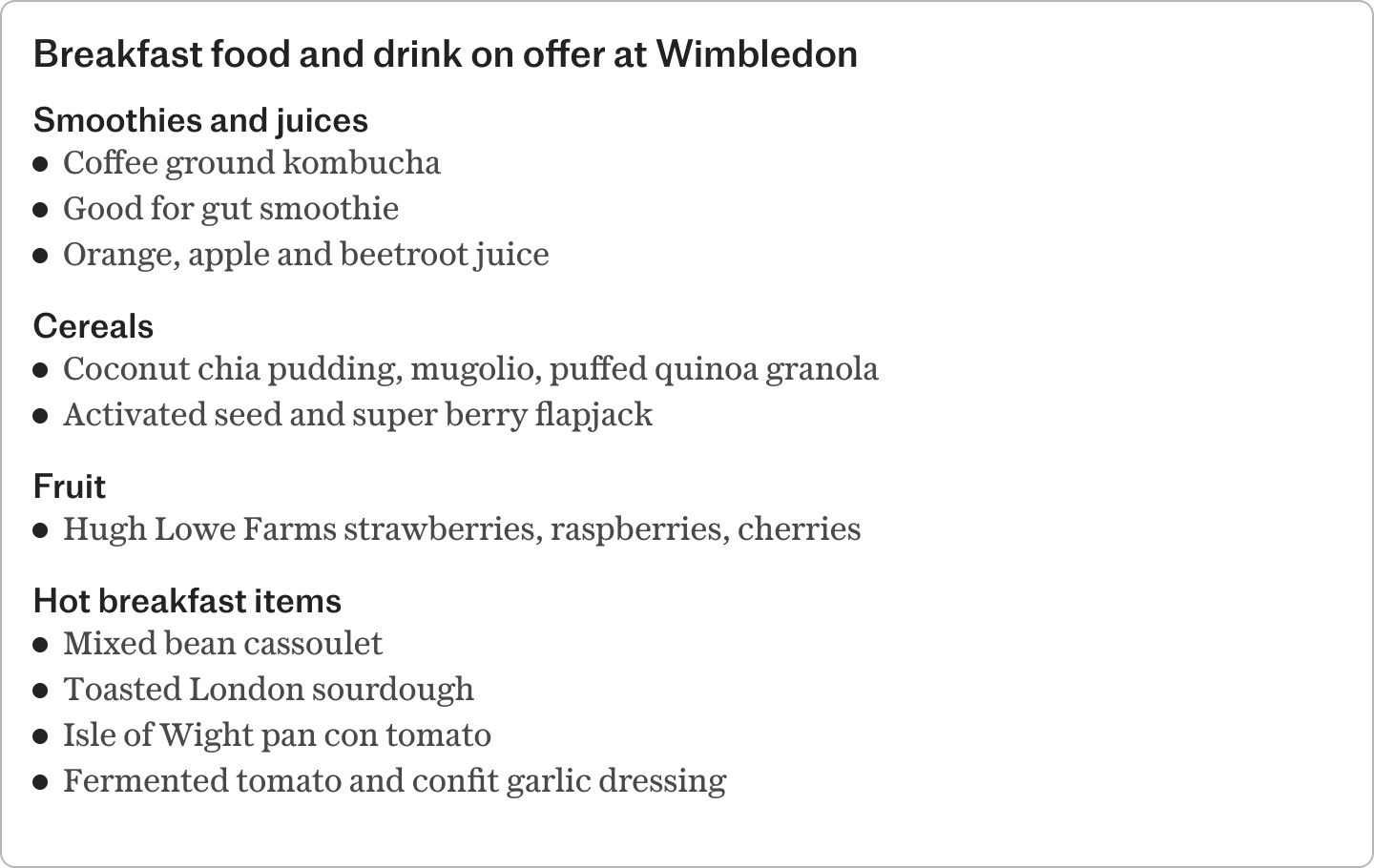
As part of its sustainability efforts, the All England Club has also started brewing its own Kombucha using leftover coffee grounds. This innovative approach provides players with a gut-friendly caffeine hit. Mr. Kent highlighted the dual benefits of this initiative: "You’re giving a second life to that product but also then producing something that’s both pre and probiotic."
This Kombucha not only reduces waste but also supports a healthier lifestyle for athletes, offering a unique breakfast option that combines sustainability with nutrition.
Post a Comment for "Wimbledon Dishes Venison Over Beef in Net Zero Initiative"