
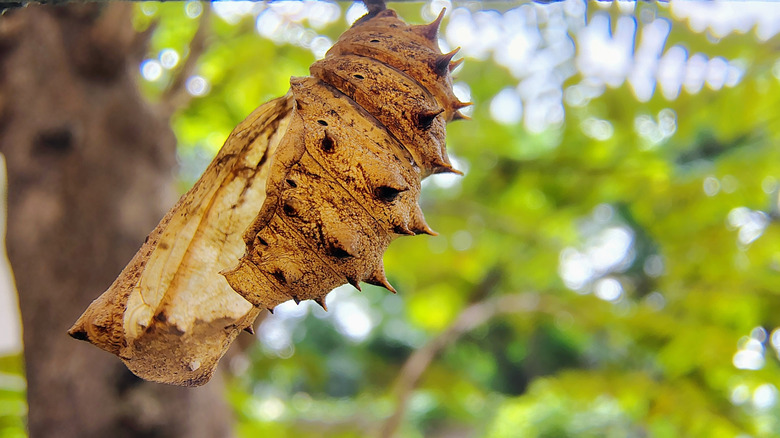
 While the iconic monarch butterfly's epic migration often steals the spotlight, many other butterfly species employ different, equally remarkable strategies to survive the winter. Unlike their migratory counterparts, these resilient insects remain in their home territories, entering a state of dormancy called diapause, which is essentially insect hibernation. This fascinating adaptation allows them to weather the cold months, often in surprising ways.
Several butterfly species choose not to undertake long-distance journeys. Among these non-migratory residents are the mourning cloak, eastern comma, eastern tiger swallowtail, and red-spotted purple butterflies. Their survival hinges on finding secure, sheltered locations, such as crevices in tree bark, beneath loose bark, or within piles of leaf litter.
Supporting these overwintering butterflies requires a shift in our approach to winter gardening. Instead of meticulously tidying up every fallen leaf and cutting back all dried grasses and perennials, a more "messy" yard can be a haven. These seemingly untidy elements provide crucial microhabitats for many butterfly species in their dormant stages.
Furthermore, if you're aware that butterflies are overwintering in your yard or garden, it's vital to avoid using insecticides. These chemicals can be lethal to dormant insects. Additionally, planting a variety of early and late-blooming flowers can offer a lifeline. These blooms not only provide sustenance for any butterflies that emerge prematurely or linger into colder weather but also ensure a ready food source when they become active again in the spring. It's important to remember that the specific life stage—whether egg, pupa, or larva—in which these butterflies overwinter can vary significantly depending on the species.
Notable Non-Migratory Butterflies and Their Winter Survival Strategies
Here are some of the fascinating butterflies that brave the winter in place:
-
Giant Swallowtail
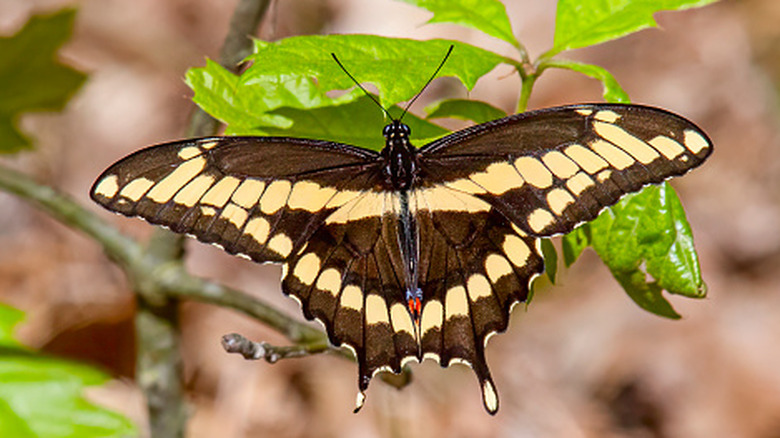 The giant swallowtail reigns as the largest butterfly species in the United States, boasting wingspans that can reach an impressive six inches. Its sheer size is captivating, but its exotic and breathtaking coloration truly sets it apart. This non-migratory butterfly spends its winter months in the chrysalis stage, typically attached to woody stems or dried twigs. To aid in its survival, it's best to refrain from cutting down plants during the winter months, leaving these potential attachment sites intact.
 -
Mourning Cloak
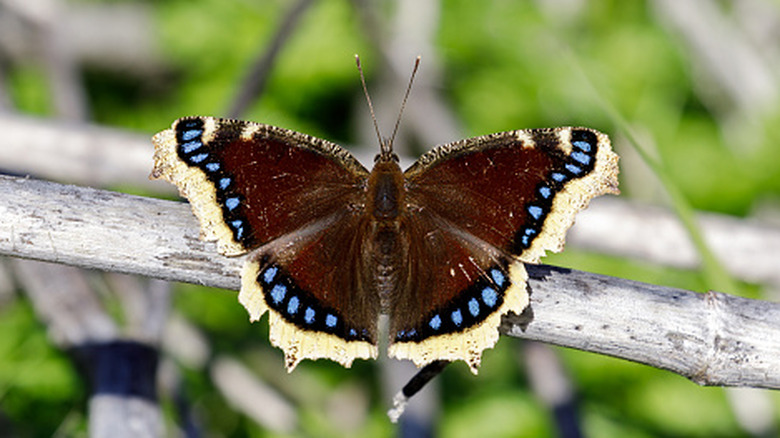 Another substantial butterfly, the mourning cloak, features velvety brown and red wings with creamy edges, spanning about four inches. These butterflies are widespread across the U.S., particularly in northern regions, and are known for their hardiness, sometimes even being spotted amidst snow. They are often among the first butterflies to emerge in spring. Mourning cloaks overwinter as adult butterflies, seeking refuge in tree cavities, under loose bark, or beneath fallen logs. The most effective way to support them is to leave your yard as undisturbed as possible until spring arrives.
 -
Eastern Tiger Swallowtail
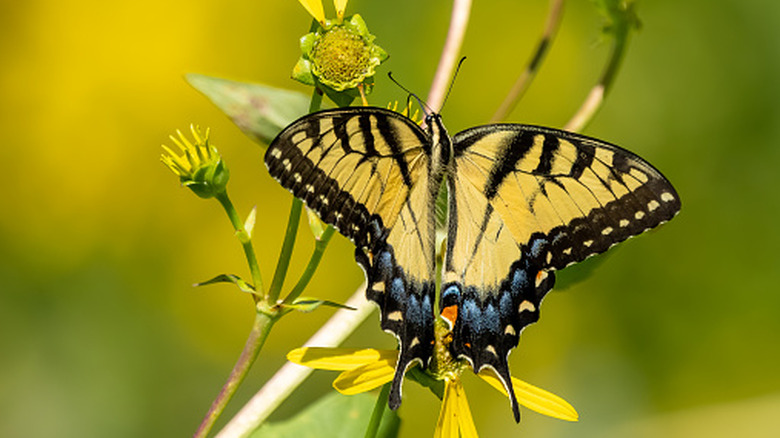 A favorite among gardeners, the eastern tiger swallowtail is distinguished by its tail-like hindwing extensions, reminiscent of a swallow's tail. These striking butterflies, with yellow wings adorned with black bands and measuring two to four inches across, are commonly observed flying high above treetops in eastern North America. They overwinter as chrysalises, making it crucial to leave fallen leaves and plant twigs undisturbed on the ground to provide them with necessary shelter.
 -
Red-Spotted Purple
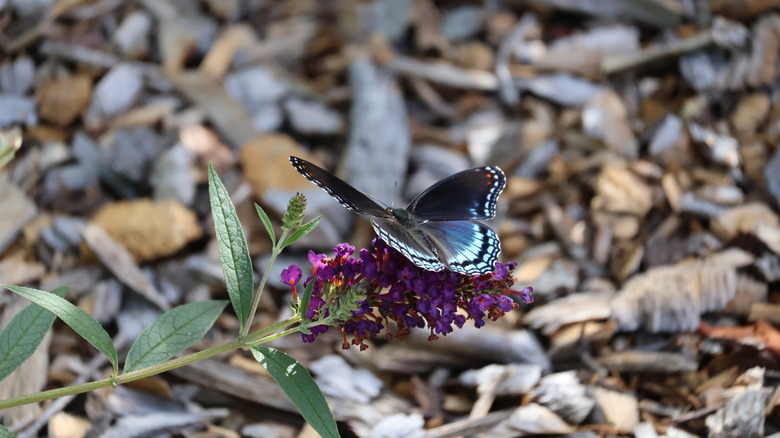 Masters of disguise, the red-spotted purple butterfly is another non-migratory species frequently found in wooded residential areas. Their larvae cleverly mimic bird droppings, while adult butterflies bear a striking resemblance to the poisonous pipe vine swallowtail, deterring predators. For overwintering, the red-spotted purple constructs a protective casing known as a hibernaculum. This cone-shaped structure, resembling a dried leaf, is often attached to shrubs like willows using silk threads. Therefore, any cone-shaped rolled leaves you encounter should be left untouched.
 -
Spring Azure
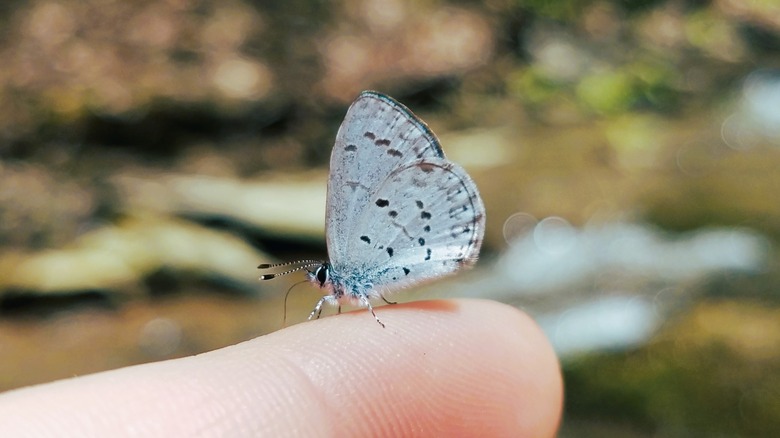 Found throughout most of the United States, with the exception of parts of Texas, coastal Louisiana, and most of peninsular Florida, the spring azure is a truly breathtaking sight. Its small size can make it elusive, but its dusty, silvery-blue wings with pale undersides are captivating. This non-migratory butterfly overwinters in the chrysalis (pupa) stage. The chrysalis, a light brown with dark markings, typically seeks shelter in cracks in the ground.
 -
Eastern Comma
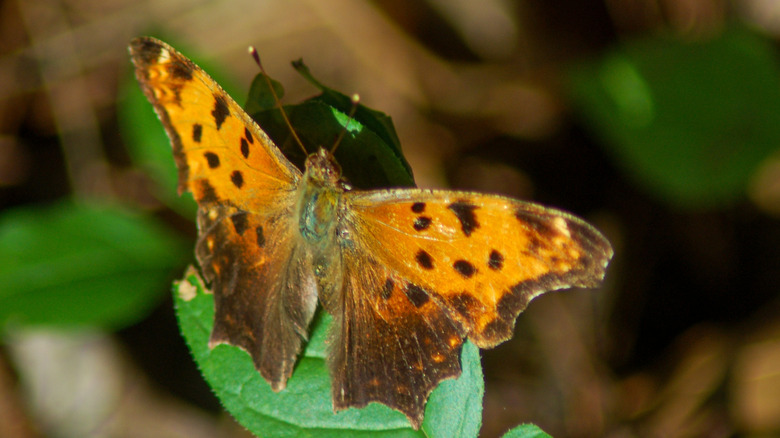 The eastern comma earns its name from the distinctive comma-shaped mark found on the underside of its hindwings. When its wings are closed, it is exceptionally well-camouflaged, appearing much like a dead leaf. Its ragged wing edges can span between 1½ and 2¼ inches. This non-migratory butterfly can be observed year-round in warmer climates. Like the mourning cloak, it overwinters as an adult, taking shelter under tree bark. Leaving trees undisturbed is the best way to support their winter survival.
 -
Gray Comma
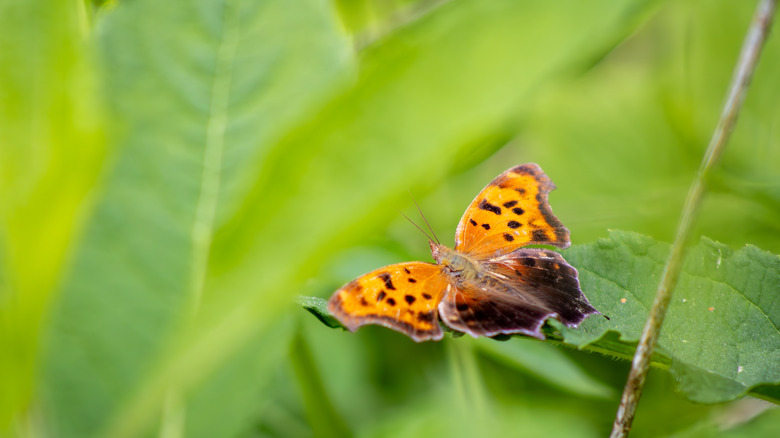 Closely related to the eastern comma, the gray comma is distinguished by a thicker comma-shaped mark on its wings and a more grayish hue with stronger striations. It is found across the northern U.S. and extends south to North Carolina and the central Plains. Unlike many early-emerging butterflies, the gray comma rarely visits flowers, instead relying on minerals from damp soil, plant sap, and the juices of rotting fruit and dung for sustenance. As a non-migratory species, it overwinters in its native range by finding sheltered locations to escape the cold.
 -
Great Spangled Fritillary
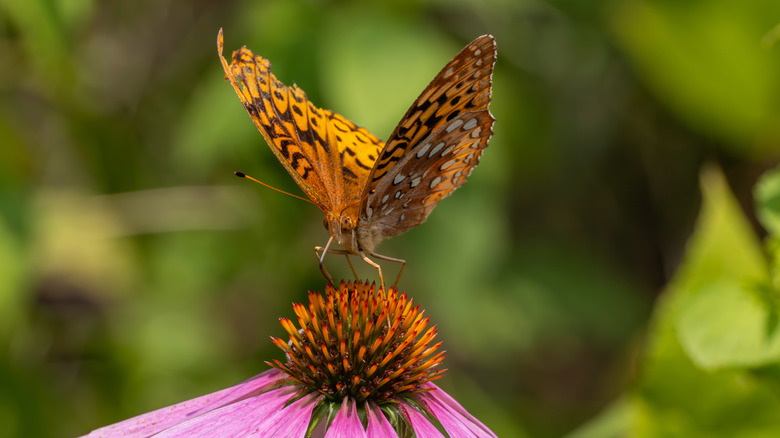 The great spangled fritillary is the most prevalent fritillary butterfly across most of the United States, characterized by its orange-brown wings marked with dark spots. These butterflies have large wings, measuring approximately three to four inches across. Their larvae overwinter in groups, seeking cover under rocks, fallen leaves, and other yard debris. They typically emerge as winter recedes, coinciding with the blooming of their host plants, wild violets. To assist them, it's beneficial to leave the soil undisturbed and plant wild violets in your garden.
 -
Viceroy Butterfly
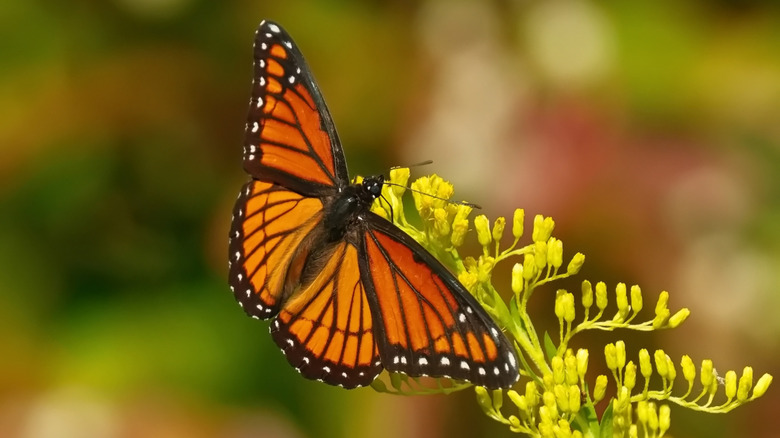 The viceroy butterfly is found throughout the United States and is often mistaken for the monarch butterfly due to their similar appearances. However, viceroys are slightly smaller and possess distinct white spots within the black bands of their wings. During winter, the viceroy butterfly enters diapause in its larval (caterpillar) stage. It achieves this by consuming a significant portion of a leaf and then utilizing the remainder to construct a silk shelter, known as a hibernaculum.
 -
Bronze Copper
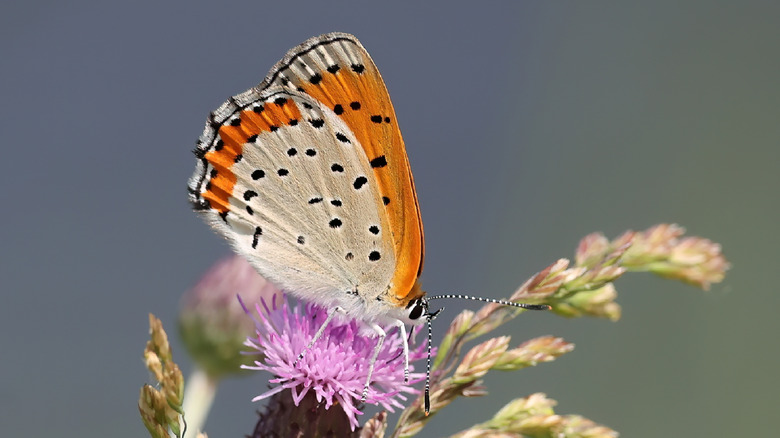 The bronze copper is an endangered butterfly, making any support for its survival particularly crucial. Its wings are a coppery brown, with females exhibiting a more yellowish hue, and are adorned with smudgy dark spots. This non-migratory species spends the winter in a dormant egg stage. The eggs are laid on the leaves, seeds, and petioles of host plants such as water dock, sorrel, and curly dock.
 -
Question Mark
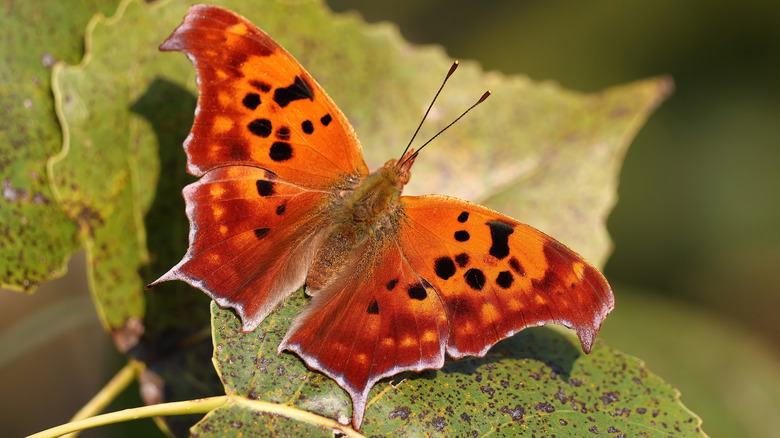 Following the eastern and gray commas, the question mark butterfly, another species named after punctuation, is found throughout much of the eastern U.S., extending west to Arizona, Wyoming, and Colorado. It is active from April through November. This butterfly is highly cryptic, resembling dead leaves often found in damp areas. While some adults, particularly from a winter brood, may migrate, the question mark butterfly generally overwinters as an adult.


No comments:
Post a Comment