
Dog in the car? This forgotten Highway Code rule could cost parents £5,000 and 3 points
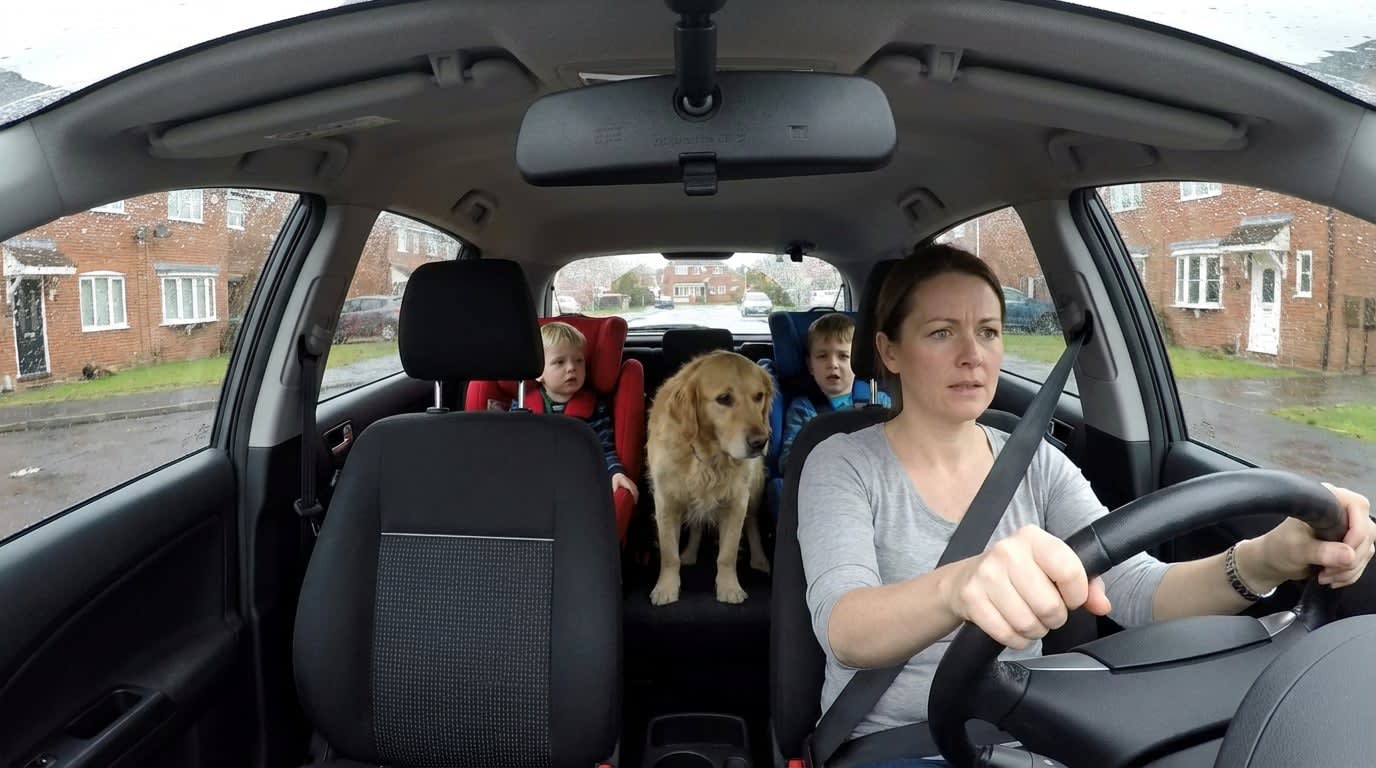 A seemingly innocuous family outing to the park, complete with children and a beloved canine companion, can inadvertently lead to a significant breach of the UK's Highway Code. This common oversight carries the potential for a substantial £5,000 fine, penalty points on your driving licence, and a considerable impact on your insurance premiums.
It’s a picture familiar to many households: children secured in their car seats, a football stowed in the boot, and the family dog eagerly anticipating the adventure, its tail a blur of excitement. For countless parents, the presence of their furry friend on shorter journeys feels entirely harmless, perhaps even a source of comfort.
However, a lesser-known regulation within the UK's Highway Code transforms this everyday scenario into a serious legal and financial hazard if the dog is not adequately restrained. The true implications of this rule often only come to light when an incident occurs.
The Highway Code Rule Drivers Frequently Overlook
Rule 57 of The Highway Code unequivocally states that drivers must ensure any animals travelling in their vehicle are suitably restrained. This is to prevent them from distracting the driver or causing injury to anyone inside the vehicle should the car stop abruptly. The code specifically lists approved methods for restraint, including dog seat-belt harnesses, pet carriers, dog cages, or partition guards for the boot.
A dog roaming freely across the seats, perched on the driver's lap, or with its head out of the window demonstrably fails to meet these safety standards. Surveys indicate that a staggering proportion of UK dog owners – around six in ten – allow their pets to travel unrestrained. This translates to millions of dogs embarking on everyday journeys in contravention of the law.
Crucially, many of these motorists are unaware that Rule 57 is frequently cited by police and insurance companies when assessing the circumstances of an accident. An unrestrained dog can elevate what might otherwise be a minor driving error into a charge of driving without due care and attention.
Imagine a typical school run or a Saturday trip to the park. Children are animatedly conversing in the back, while the dog moves freely between them. Suddenly, a car pulls out unexpectedly, forcing an emergency stop. In that critical moment, the legal ramifications begin to accumulate.
Potential Penalties: From On-the-Spot Fines to Court Judgements
If law enforcement officers determine that your dog was a contributing factor to a distraction, they are empowered to issue a fixed penalty notice for driving without due care and attention. This typically incurs a £100 fine and the addition of three penalty points to your driving licence.
Should the matter proceed to court, magistrates possess a far wider scope for imposing penalties. The same behaviour could result in a fine of up to £5,000, accompanied by three to nine penalty points. In more severe cases, the court may even consider disqualifying the driver from driving altogether.
The impact on your car insurance can also be substantial and often goes unnoticed until a claim is made. A significant number of UK car insurance policies stipulate that drivers must exercise reasonable care and adhere to the Highway Code. Consequently, if an unrestrained dog contributed to an accident, insurers may have grounds to reduce or entirely deny payouts for vehicle repairs and any associated injuries.
A widely publicised case illustrates this point vividly. Sarah was forced to brake sharply at approximately 15 mph near her children's primary school when a vehicle ahead stopped abruptly. Her unrestrained Cockapoo was thrown forward, impacting the windscreen. The dog required emergency veterinary treatment costing £2,400, and Sarah’s insurer refused the claim on the grounds that the dog had not been secured as stipulated by her policy.
The Physics of a Collision and a Simple Three-Step Solution
Crash test data underscores the critical importance of Rule 57. In a collision at just 30 mph, a 20 kg dog is propelled forward with a force equivalent to approximately 600 kg. This immense force is more than sufficient to cause severe damage to car seats and inflict serious injuries on a child in a booster seat positioned in the dog's trajectory.
Reports from road safety organisations suggest that around 14 per cent of UK drivers have experienced an accident or a near-miss directly linked to an animal moving about inside their vehicle. The risks extend beyond your licence and financial well-being; they encompass the safety of your children and your beloved pet.
Pet safety experts advocate for a straightforward three-step routine that can be easily integrated into the often-chaotic process of leaving home.
- Step 1: Invest in a Crash-Tested Harness. Opt for a dog harness specifically designed and tested for car travel, rather than a standard nylon walking harness. These are engineered to withstand impact forces.
- Step 2: Secure the Harness Correctly. Clip the crash-tested harness into proper seat-belt anchor points or ISOFIX-style attachments. It is vital to avoid inexpensive "seat-belt leads" costing around £5, as these are prone to snapping in collisions exceeding approximately 10 mph.
- Step 3: Ensure Boot Security. If your dog travels in the boot, install a robust, solid metal dog guard that is securely bolted into place. Flexible fabric nets are generally insufficient for providing adequate protection.
A brief, 30-second check before departing your driveway can make a significant difference: confirm that all children are buckled in, the dog is securely restrained by a harness, crate, or guard, windows are only partially open, and no heavy objects are loose on the seats or parcel shelf. By making pet restraint a reflexive habit on every journey, from school runs to park excursions, you effectively shield your family, your dog, and your no-claims bonus from potential harm and financial repercussions.
Post a Comment for "Dog in the car? This forgotten Highway Code rule could cost parents £5,000 and 3 points"