
The younger generations attempt to return to physical media
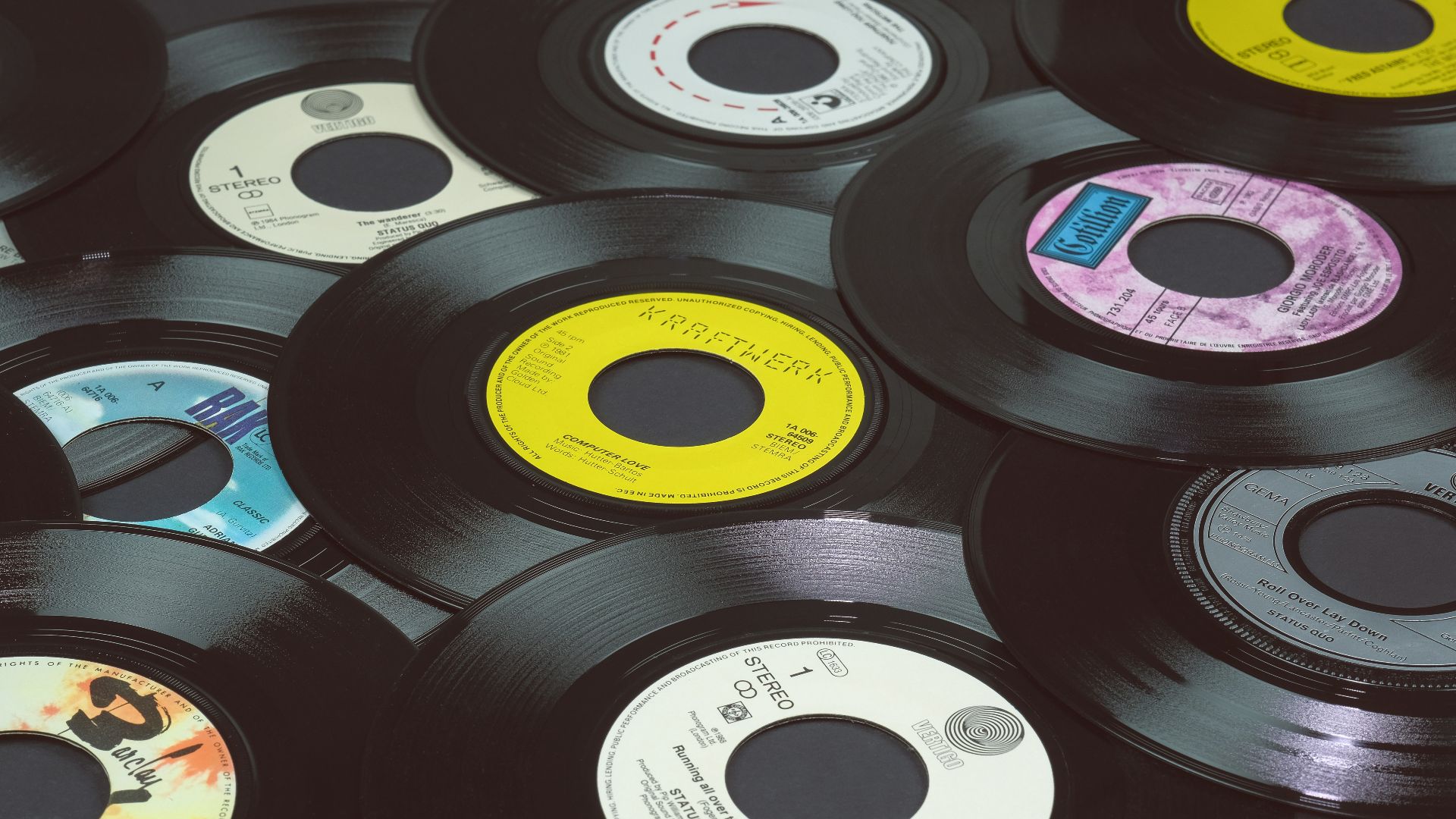 While streaming services are undeniably the dominant force in how we consume entertainment, with their speed, ease, and seamless integration into our daily routines, a quiet but significant trend is emerging: a renewed interest in physical media. Younger consumers, in particular, are showing a growing appreciation for tangible formats like vinyl records, CDs, DVDs, and Blu-rays. This isn't a signal that digital media is in decline, but rather a testament to the enduring appeal of ownership and the unique experience these physical objects offer.
This resurgence is best understood as a niche comeback rather than a wholesale return to the pre-streaming era. Vinyl records are leading the charge, experiencing a remarkable revival. In the realm of visual media, while overall disc sales continue to dip, the rate of decline has slowed, and premium formats like 4K UHD are demonstrating surprising resilience. Reports from publications like the Los Angeles Times highlight how younger movie enthusiasts are actively contributing to the vitality of specialty stores, driving rentals, foot traffic, and overall interest.
The Enduring Allure of Ownership
The most compelling evidence for the resurgence of physical media lies within the music industry. According to the RIAA's 2025 year-end report, U.S. vinyl sales surpassed the $1 billion mark, marking the 19th consecutive year of growth and reaching an impressive 46.8 million units sold. More remarkably, vinyl generated over three times the revenue of CDs. These are not insignificant, purely sentimental figures; they represent a format with substantial commercial momentum, even within a market still overwhelmingly dominated by streaming.
A key factor in this appeal is the inherent permanence of physical media. Unlike digital content, a record or disc cannot simply vanish due to a lapsed licensing agreement, a platform delisting a title, or an unexpected subscription price hike. This sense of secure ownership resonates deeply, aligning with the sentiments expressed by younger collectors in recent media coverage. The Los Angeles Times article featured a 24-year-old collector who articulated a desire for "something I can put on my shelf," underscoring the tangible satisfaction derived from owning physical media.
Beyond security, the physical object itself transforms the consumption experience. The tactile act of selecting a record, examining its cover art, delving into the liner notes, or exploring special features on a disc offers a richer, more intentional engagement than simply scrolling through an endless digital interface. While this doesn't inherently make physical media "better," it certainly imbues it with a distinct quality that appeals to a growing segment of younger buyers.
Where the Trend is Most Pronounced
Examining the data, vinyl clearly stands out as the strongest performer in this physical media revival. The RIAA's financial figures, coupled with survey findings from the Vinyl Alliance, paint a consistent picture. A preview of the Vinyl Alliance's Gen Z report revealed that a significant 76% of Gen Z vinyl enthusiasts purchase records at least once a month, with a dedicated 29% identifying as "die-hard collectors."
The landscape for visual media is somewhat more nuanced, yet still exhibits positive signs. DEG's 2025 year-end report indicated that spending on all physical video formats, encompassing DVDs, Blu-rays, and 4K UHD, experienced a decline of less than 10% for the year. Crucially, spending on 4K UHD formats actually saw a 12% increase compared to 2024. This suggests that premium physical formats are weathering the overall market contraction more effectively than their standard counterparts. While the physical disc market continues to shrink, the pace of its decline has notably moderated.
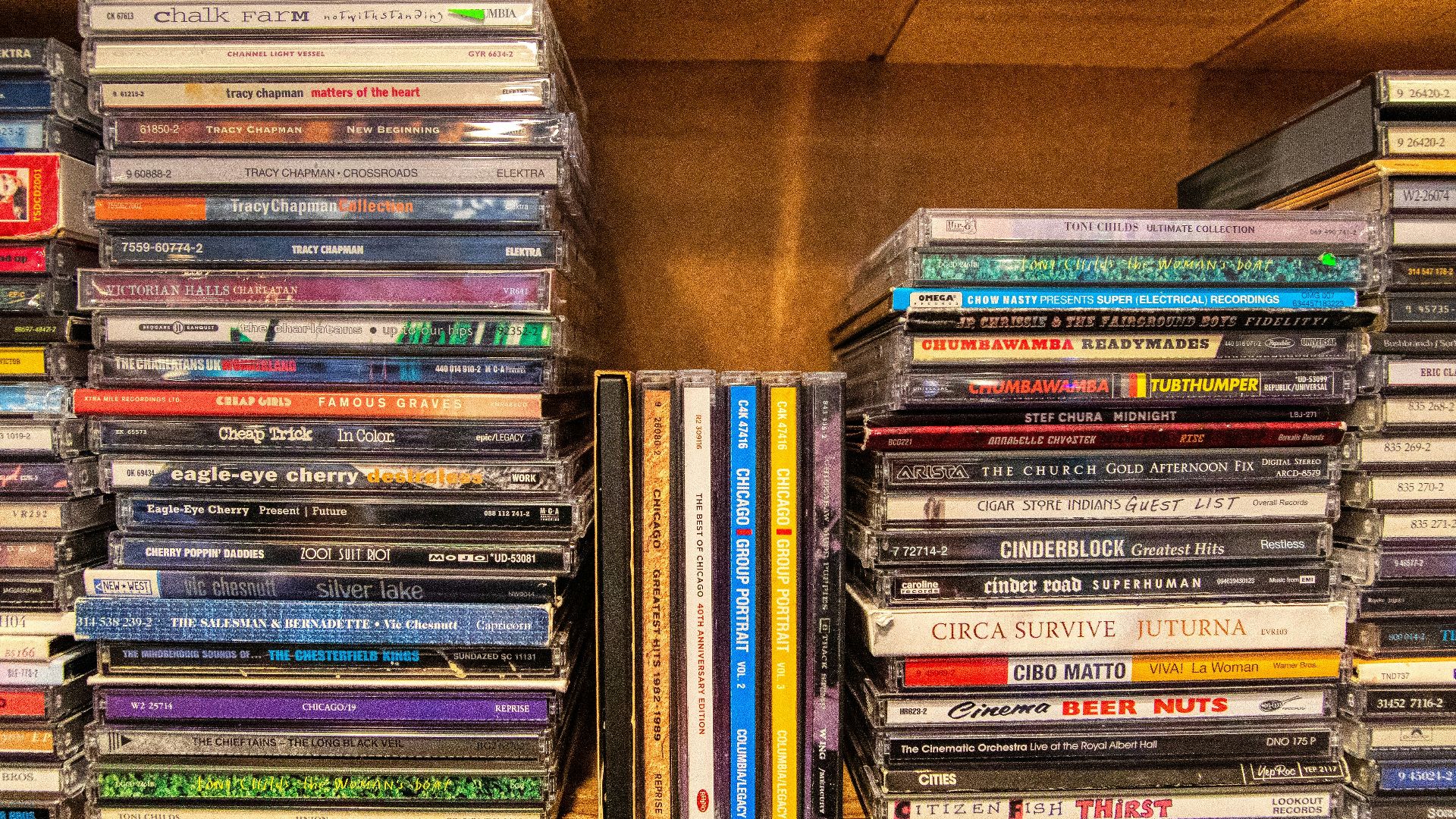 The Los Angeles Times report provides valuable anecdotal evidence that brings these statistics to life. It noted that DVD sales, after experiencing drops exceeding 20% in both 2023 and 2024, slowed to a more manageable decline of approximately 9% in 2025, citing DEG data. Furthermore, specialty stores like Vidiots reported an uptick in both rentals and purchases, alongside increased foot traffic. Criterion, a renowned distributor of classic and contemporary films, also confirmed "significant year-over-year increases" in sales, with its president attributing this growth to the enthusiasm of younger consumers for physical formats. While this doesn't signify a broad-based revival of the disc market, it clearly indicates that younger buyers are playing a vital role in sustaining specific segments of this category.
Understanding the Comeback's Significance
The most straightforward interpretation of this trend is that younger generations are not abandoning digital media. The DEG report highlights that subscription streaming generated an impressive $57.5 billion in 2025, accounting for over 92% of all U.S. consumer spending on home entertainment. Streaming remains the undisputed default.
What is becoming increasingly evident, however, is a burgeoning interest in physical media as a complementary element to our digital lives. Individuals can simultaneously enjoy the convenience of streaming an album while also purchasing their favourite artist's work on vinyl. Similarly, they might watch a film online but still desire the physical disc for its added value, such as director's commentary tracks.
In conclusion, younger consumers are indeed contributing to the renewed relevance of certain physical media formats. Vinyl is experiencing a robust revival, premium video formats are demonstrating unexpected resilience, and specialty stores are witnessing genuine engagement from a younger demographic. This narrative is most compelling when viewed not as a sweeping "analog revolution," but as a simpler, more nuanced truth: a generation that grew up with streaming still values the tangible connection and lasting ownership that physical media provides.
Post a Comment for "The younger generations attempt to return to physical media"