
Kia Telluride Hybrid Lands, EREV Arrives 2029
Kia's Electrifying Push: Extended-Range EVs and More Hybrids Coming to the US by 2030
Kia is gearing up for a significant expansion of its electrified offerings in the United States, with plans to introduce two new extended-range electric vehicles (EREVs) by the end of the decade. This strategic move aims to capture a larger slice of the American auto market, particularly with models designed for families and workhorse needs. Alongside these EREVs, the South Korean automaker will also bolster its hybrid lineup, providing consumers with a broader spectrum of electrified choices.
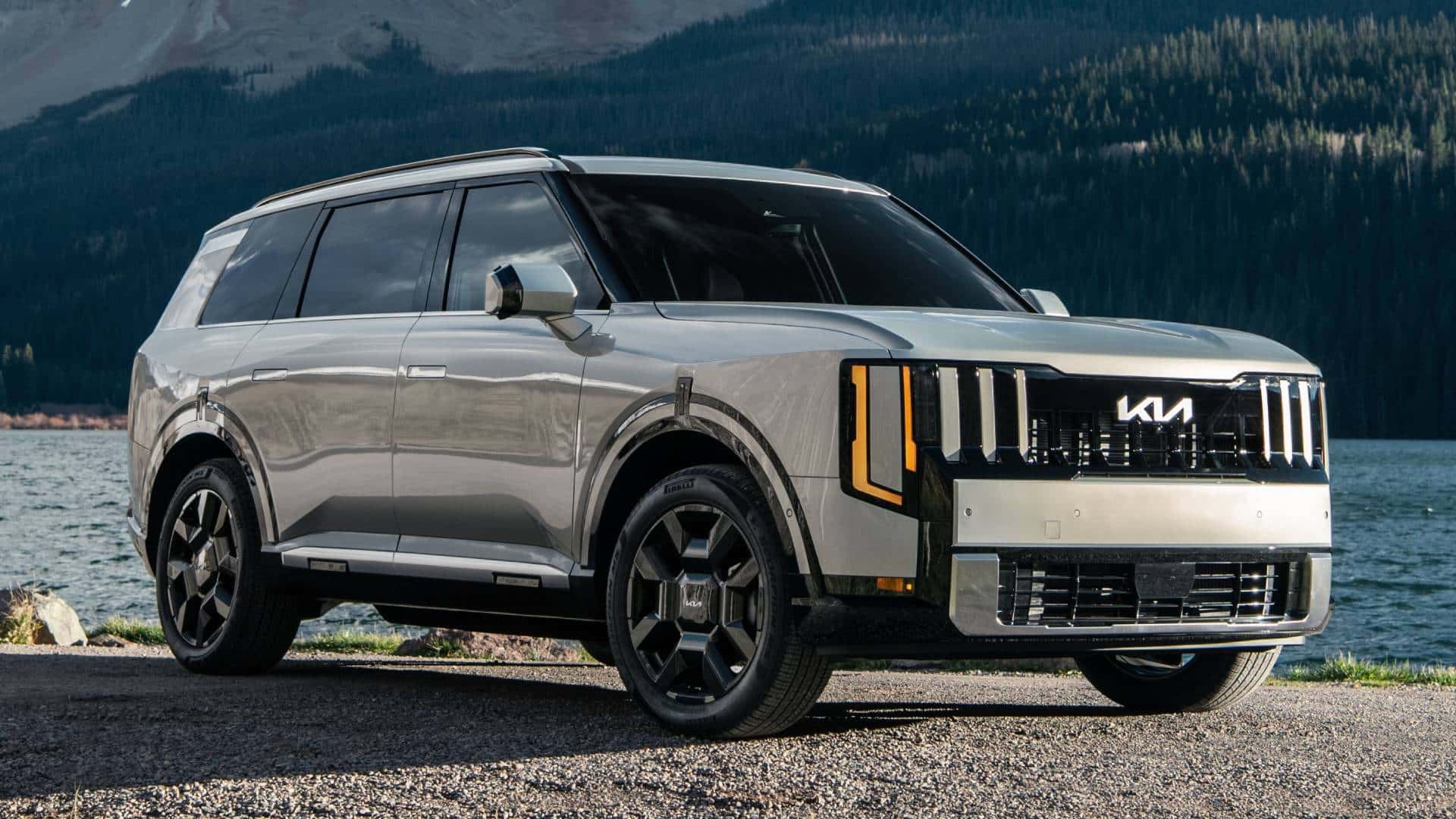
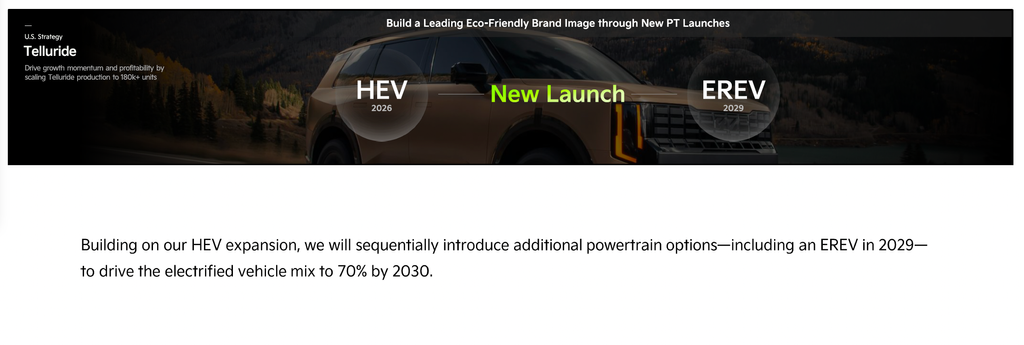
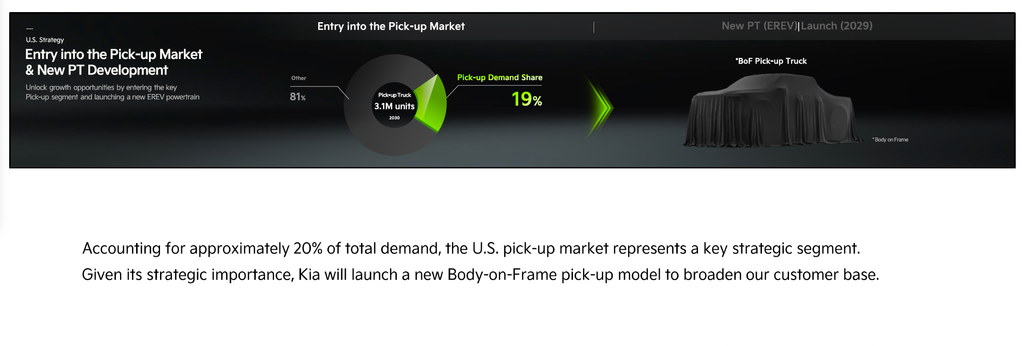
The centerpiece of this electrified push will be an EREV version of the popular Kia Telluride three-row SUV, slated for a 2029 launch. Following closely, a large, body-on-frame EREV pickup truck is expected to hit showrooms by 2030. These vehicles represent Kia's commitment to catering to the diverse demands of the US market, where larger SUVs and trucks remain incredibly popular.
Embracing the EREV Advantage
The decision to focus on EREVs reflects a broader industry trend. As the initial surge in pure electric vehicle (EV) sales shows signs of softening in the US, many manufacturers are pivoting to offer more conventional hybrids and exploring innovative solutions like EREVs. These vehicles offer a compelling blend of electric power and the convenience of traditional refuelling.
EREVs operate by using electric motors to drive the wheels, with an onboard gasoline generator acting as a range extender. This setup allows drivers to experience electric driving for daily commutes while having the flexibility to travel longer distances without range anxiety, as the generator can recharge the battery or directly power the motors. This dual-powertrain approach provides the best of both worlds, making them an attractive option for consumers transitioning to electrified mobility. Kia joins a growing list of automakers, including Ford, Jeep, Ram, and Scout Motors, that have confirmed EREV models for the US market.
A New Pickup and a Familiar SUV Reimagined
Kia's upcoming EREV pickup truck, set to arrive by 2030, will be its first foray into the US pickup segment with this body style. While the company already offers the Tasman pickup in various international markets, this new model is specifically designed with American consumers in mind. This aligns with the recent unveiling of Hyundai's Boulder body-on-frame SUV concept, which shares design cues with iconic vehicles like the Ford Bronco and Land Rover Defender. Given the close collaboration between Kia and Hyundai, it's plausible that the Boulder concept, if it reaches production, could also feature the same EREV powertrain, leveraging shared technology platforms.
The Telluride, a perennial favourite for families, will receive its EREV variant in 2029, a year after its hybrid counterpart was introduced. While specific details regarding the EREV Telluride's range and performance are still under wraps, its introduction signifies Kia's intention to electrify its most successful models. This strategy makes sense, especially for larger, less aerodynamically efficient vehicles. The substantial battery packs required for full electrification can significantly increase manufacturing costs and, consequently, the final price for consumers. EREVs, with potentially smaller battery requirements, offer a more cost-effective path to electrification for these larger vehicle segments.
Expanding the Hybrid Roster
Beyond its EREV ambitions, Kia is also committed to expanding its hybrid vehicle offerings in the US. The automaker plans to grow its current hybrid lineup from five models to eight by the end of the decade. Already, models like the Niro, Sorento, Sportage, Carnival, and Telluride are available as hybrids. These will soon be joined by a Seltos Hybrid this year, along with hybrid versions of the K5 sedan, the K4 compact car, and the as-yet-unnamed pickup truck.
Ambitious Targets for the Future
These strategic product developments are part of Kia's broader vision for future growth. The company has set an ambitious target of selling 4.13 million units annually by the end of the decade. Within this figure, Kia anticipates that hybrids, including EREVs, will account for a significant 1.15 million sales, while pure EVs are projected to reach 1 million units. This balanced approach underscores Kia's understanding of the evolving automotive landscape and its commitment to providing diverse, electrified solutions for a wide range of consumers.
Post a Comment for "Kia Telluride Hybrid Lands, EREV Arrives 2029"