
Nissan's Hybrid Game-Changer: Not Your Average Toyota
Nissan's Rogue Hybrid e-Power: A Game Changer for Kiwi SUV Market?
Nissan is set to shake up the New Zealand SUV landscape with the imminent arrival of its Rogue Hybrid e-Power, a vehicle poised to redefine the hybrid experience for local drivers. This innovative offering, slated for a late 2026 debut in the U.S. market and expected to follow suit in New Zealand, promises an electric-like driving feel without the inherent range anxiety associated with pure electric vehicles, all while delivering the impressive fuel economy benefits of a hybrid.
For years, Nissan has largely steered clear of the hybrid scene in major markets, a decision that has seen rivals like Toyota and Honda capture significant market share with their established hybrid models. The introduction of the Rogue Hybrid e-Power represents a strategic pivot for Nissan, aiming to tap into a booming segment and bolster its overall sales performance.
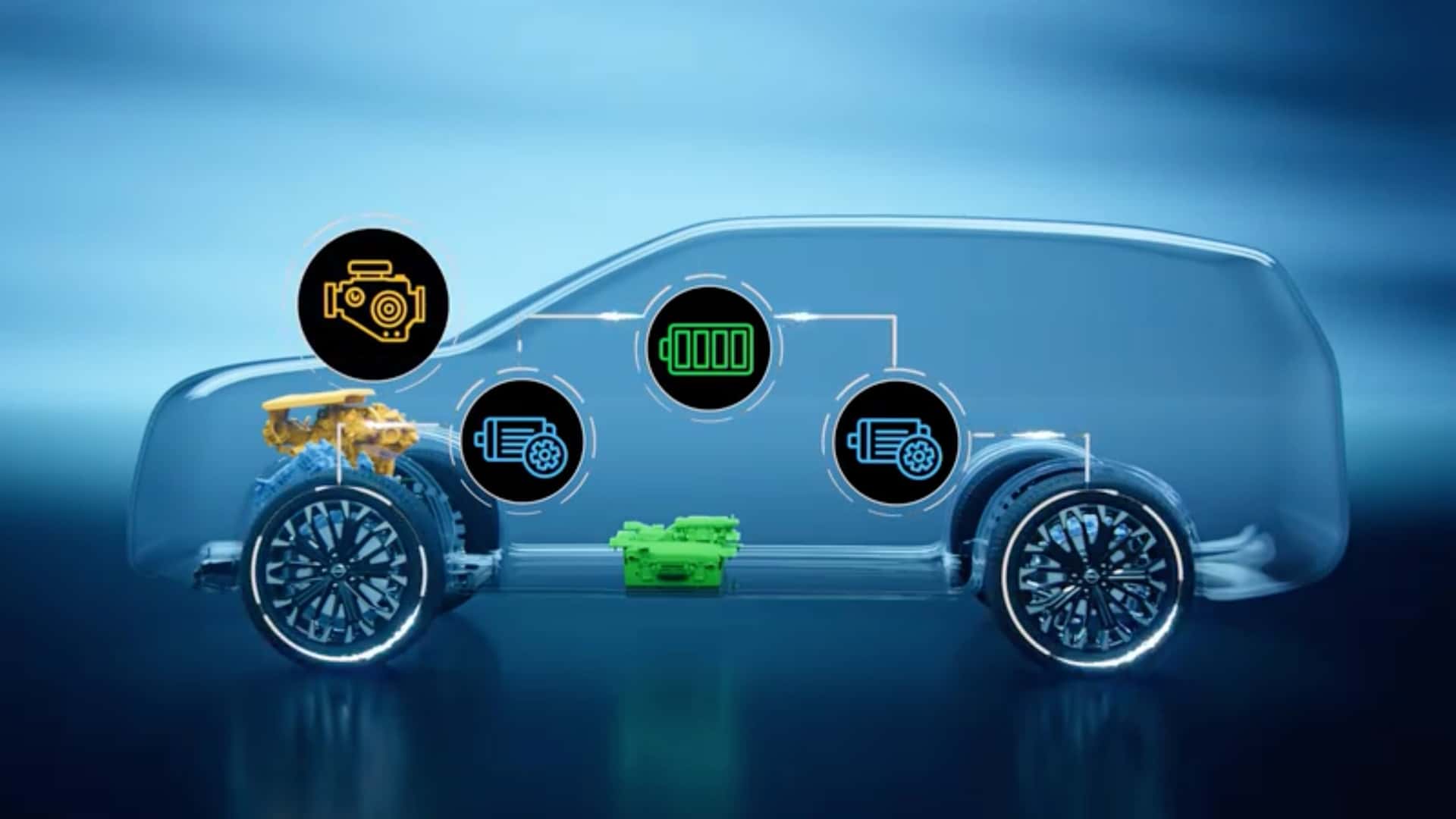 Nissan's upcoming hybrid crossover, the Rogue Hybrid e-Power, is set to be a significant departure from traditional hybrid powertrains.
The e-Power system, while not entirely new to Nissan globally, having been available in various international markets for some time, is a novel concept for Kiwi consumers. It stands apart from the more common parallel or series-parallel hybrid setups employed by manufacturers like Toyota, Hyundai, and Honda. In those conventional systems, both the internal combustion engine and the electric motor are mechanically linked to the wheels, working in tandem or independently to power the vehicle.
The e-Power Difference: Electric Drive, Gas-Powered Generation
Nissan's e-Power system, however, operates on a fundamentally different principle – a pure series hybrid. This means the petrol engine never directly drives the wheels. Instead, its sole purpose is to act as a generator, producing electricity to either charge the battery pack or directly power the electric motors that propel the vehicle. The driving experience, therefore, is designed to mimic that of a fully electric car.
"The biggest reason for pursuing series instead of parallel is we want the powertrain to be primarily electric," explains Ponz Pandikuthira, Chief Product & Planning Officer at Nissan Americas. This approach, often referred to as an Extended-Range Electric Vehicle (EREV), positions the Rogue Hybrid e-Power as a compelling option for those seeking the advantages of electric propulsion without the need for frequent charging stops.
Performance and Efficiency: A Balanced Proposition
Nissan projects that the Rogue Hybrid e-Power will achieve fuel economy figures exceeding 40 miles per gallon (approximately 17 km/litre). This places it in strong contention with established hybrid SUVs in its class, potentially offering a more efficient alternative to many current offerings on the New Zealand market. While official EPA figures are yet to be released, this projection suggests a significant advantage for budget-conscious drivers.
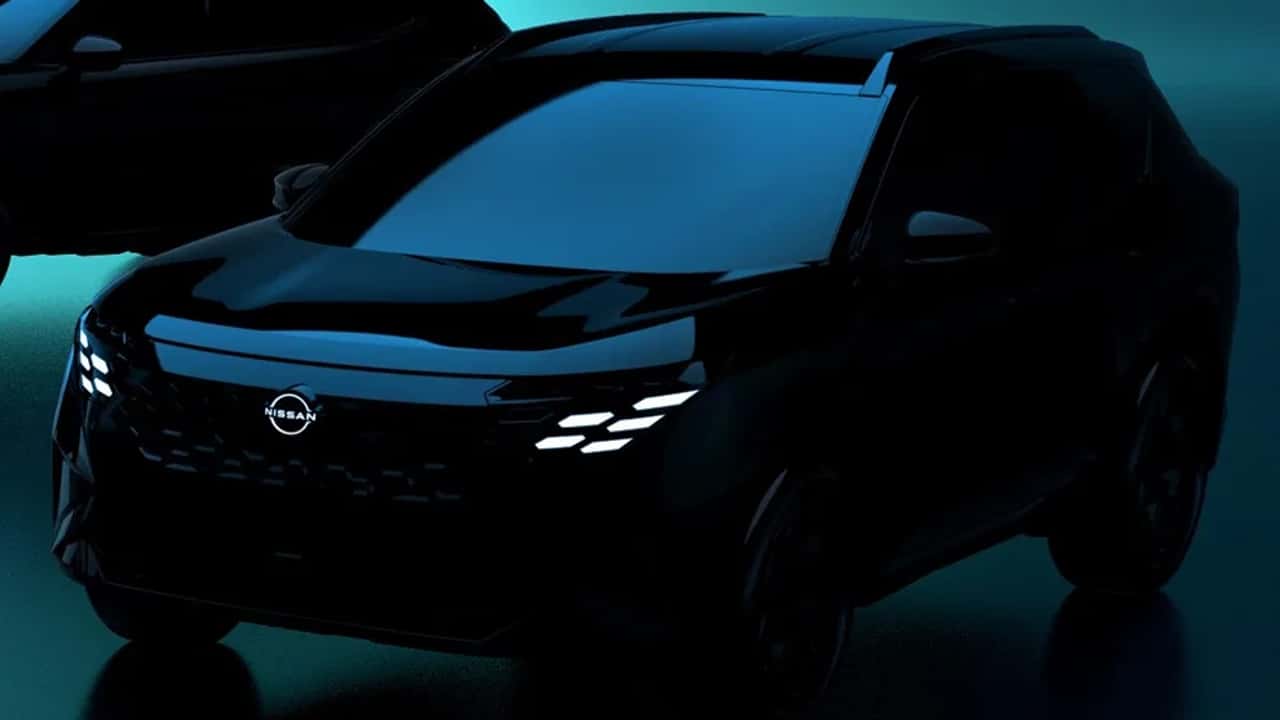 The upcoming Rogue e-Power will be a distinct offering from the recently launched plug-in hybrid version of the Rogue, which is a rebadged Mitsubishi Outlander PHEV.
The mechanical setup is designed for efficient power delivery. An electric motor on each axle provides the Rogue with all-wheel-drive capability, enhancing traction and handling. The heart of the generator system is a 1.5-litre, three-cylinder turbocharged engine, familiar from the gasoline-powered Rogue. This engine, however, is a specialised, stripped-down version, optimised for generating electricity rather than directly powering the wheels. It feeds a 2-kilowatt-hour battery that in turn powers the electric drive motors.
When the battery's charge level dips, the engine can also directly supply power to the electric motors, ensuring uninterrupted performance. This seamless integration means drivers may occasionally notice the engine revving to provide power, but the overall sensation is intended to be smooth and responsive, akin to an EV.
Advanced Technology for Enhanced Efficiency
Nissan claims that its third-generation e-Power system achieves exceptional thermal efficiency from the internal combustion engine, reaching around 42%. This means a significant portion of the energy generated from burning fuel is converted into motive power, a stark contrast to conventional petrol engines that typically operate at around half that efficiency.
The system's calibration has also been refined. A smarter algorithm now ensures that the battery maintains a minimum charge buffer at all times. "What we've done with this generation is optimize that algorithm that fills the battery and make sure the battery always has a buffer," Pandikuthira notes. This buffer is particularly crucial for highway driving, where sustained higher speeds can place different demands on the powertrain compared to urban environments.
A Crucial Moment for Nissan
The arrival of the Rogue Hybrid e-Power comes at a critical juncture for Nissan. With fluctuating fuel prices and a consistently strong demand for hybrid vehicles, this new model could be a significant boost for the brand. The Rogue itself is a strong performer, being Nissan's best-selling model in North America and one of the most popular SUVs in the region. However, sales have seen a slight dip in recent years. A hybrid variant was arguably the missing piece of the puzzle, capable of attracting a new segment of buyers and bolstering overall sales figures in the coming years.
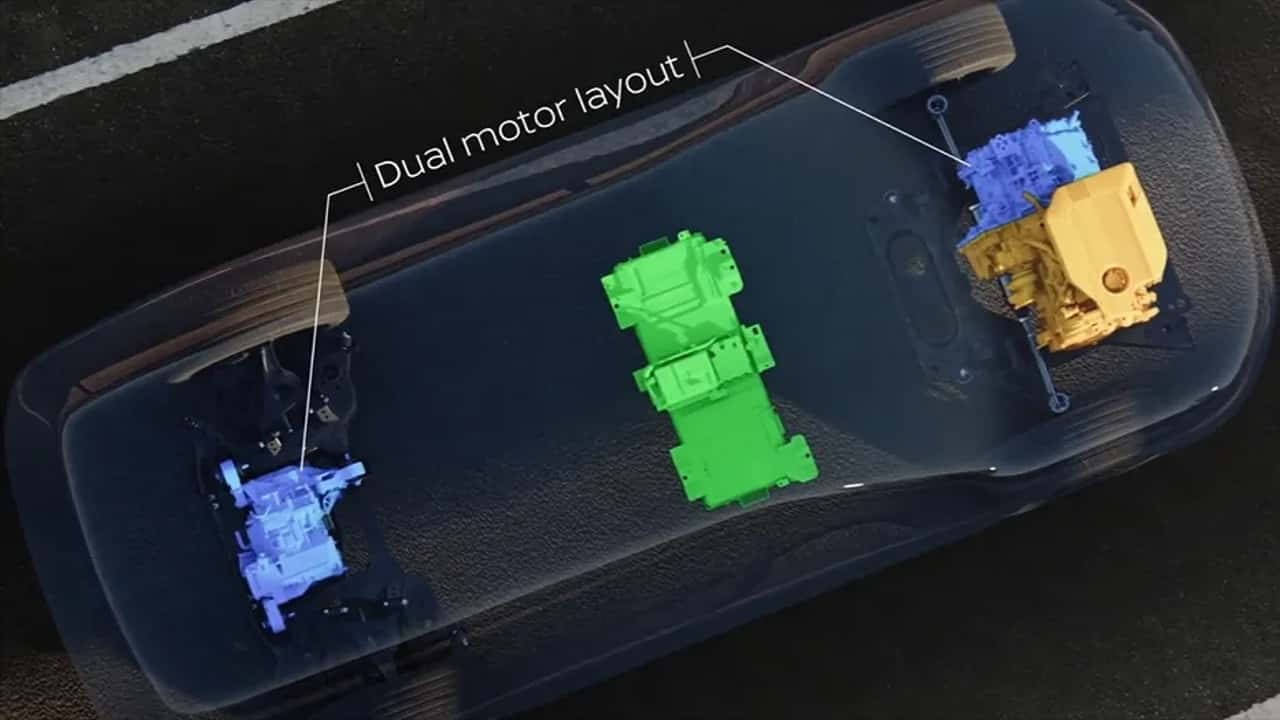 The Rogue Hybrid e-Power's unique series hybrid system aims to deliver an electric-like driving experience with the practicality of a petrol engine.
While the direct impact on the New Zealand market is yet to be confirmed, the prospect of a distinctively different hybrid SUV from a major manufacturer like Nissan is certainly an exciting one. The Rogue Hybrid e-Power promises a blend of electric responsiveness, fuel efficiency, and the convenience of traditional refuelling, making it a compelling proposition for Kiwi motorists looking for their next family vehicle. The true test will be how it performs on our local roads and against the established competition when it eventually lands on our shores.
Post a Comment for "Nissan's Hybrid Game-Changer: Not Your Average Toyota"