
Unorthodox Diplomacy: Was Trump's Aggressive Iran Stance a Calculated Gamble?
Reports have surfaced suggesting that former President Donald Trump employed a highly unconventional strategy in his dealings with Iran, intentionally adopting an unstable and often insulting persona in the hope of compelling the adversary nation to the negotiating table to end a protracted conflict. This audacious approach, according to administration officials speaking with The Wall Street Journal, was the driving force behind a series of provocative statements made by the President regarding the strategically vital Strait of Hormuz.
Among these controversial pronouncements was a post on April 5th, where the President reportedly issued a stark ultimatum to Iran: “open the Fin’ Strait, you crazy b****, or you’ll be living in Hell,” concluding with the perplexing phrase, “Praise be to Allah.” This was followed by another message on April 7th, threatening that a “whole civilization will die tonight” if Iran refused to comply with the demand to open the strait.
Remarkably, a two-week ceasefire was announced on the very night of this latter threat, less than 90 minutes before the President's self-imposed deadline. Despite this seemingly positive development, the President's inflammatory rhetoric sent ripples of concern through political circles, with members of Congress and religious leaders reportedly reaching out to the White House to seek clarification on the striking nature of his comments.
When questioned by an advisor about the unusual nature of these messages, President Trump allegedly revealed his rationale. He reportedly explained that he had personally conceived of the idea to invoke "Praise be to Allah" in an attempt to appear unfiltered and offensive, believing this type of language would resonate with the Iranian leadership. The President later, according to the Journal's reporting, inquired about the perceived impact of this gambit.
Even some within the administration, such as Secretary of State Marco Rubio, were reportedly privately suggesting that the President's aggressive language might, in fact, be an effective catalyst for Iran to engage in negotiations. However, the situation was further complicated by reports from an administration official indicating that some of these pronouncements were made without the full awareness or endorsement of the national security team and were not part of any established national security plan.
The fallout from these statements was significant, igniting widespread outrage across the political spectrum. Even some of the President's staunchest defenders in conservative media, including former Fox News anchor Tucker Carlson, expressed dismay. Senate Minority Leader Chuck Schumer condemned the actions, stating, “This is an extremely sick person. Each Republican who refuses to join us in voting against this wanton war of choice owns every consequence of whatever the hell this is.” Former Republican congresswoman Marjorie Taylor Greene also voiced her opposition on social media, writing, “Not a single bomb has dropped on America. We cannot kill an entire civilization. This is evil and madness.”
The ongoing conflict also drew a response from Pope Leo, who issued an Easter message calling for peace. This appeal was part of a broader series of criticisms of the war, which, in turn, reportedly provoked a strong backlash from the White House. The Pontiff urged, “Let those who have weapons lay them down! Let those who have the power to unleash wars choose peace!”
 White House Press Secretary Karoline Leavitt, in response to the Journal's reporting, defended the President's actions, stating, “President Trump campaigned proudly on his promise to deny the Iranian regime the ability to develop a nuclear weapon, which is what this noble operation accomplishes,” and added that President Trump “remained a steady leader our country needs.”
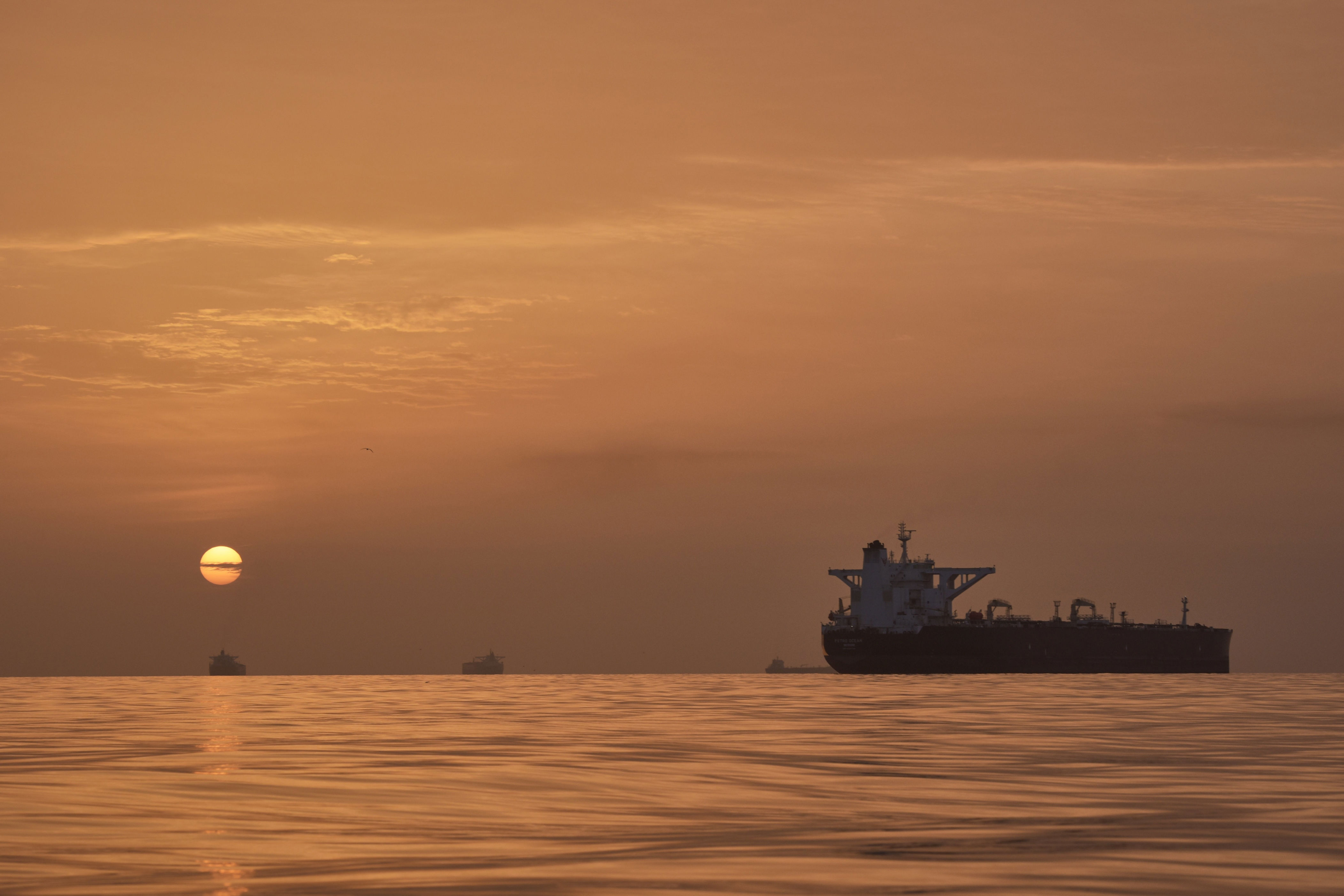
The ultimate resolution of the conflict, however, remained uncertain. Reports emerged on Saturday that Iran had declared the recently reopened Strait of Hormuz to be closed once more, with tankers navigating the vital waterway reportedly facing attacks. Tehran asserted its intention to continue blocking the strait for as long as the United States maintained its blockade of Iranian ports.
While a related ceasefire between Israel and Lebanon, brokered on Friday, appeared to be holding, the U.S.-Iran agreement was set to expire the following week with no clear signs of progress. Mohammad Bagher Ghalibaf, Iran's parliamentary speaker and chief negotiator, stated on state television that both the U.S. and Iran were still a considerable distance from reaching a final accord. Despite these challenges, White House officials expressed optimism that a “breakthrough” in negotiations could be achieved in the coming days.


No comments:
Post a Comment