
US military 'preparing to board Iran-linked ships in just days' marking huge escalation
US Launches 'Economic Fury' Campaign Against Iran, Expanding Maritime Crackdown
The United States military is embarking on a significant escalation of its campaign against Iran, preparing to intercept and board vessels linked to the Islamic Republic. This strategic manoeuvre, codenamed "Economic Fury," signals a broadening of the conflict beyond its current focus on the Strait of Hormuz to a more expansive, global operation aimed at crippling Iran's oil trade and economic capacity.
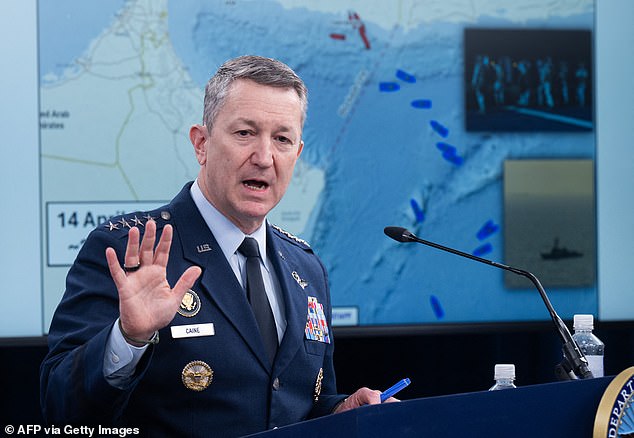
General Dan Caine, the Chairman of the Joint Chiefs of Staff, revealed the initiative, as reported by US officials speaking to The Wall Street Journal. The directive is clear: the US will "actively pursue any Iranian-flagged vessel or any vessel attempting to provide material support to Iran." This includes a specific focus on the so-called "dark fleet" – ships engaged in illicit oil shipments that circumvent international regulations, sanctions, and insurance requirements.
This new mission will be executed in conjunction with the US Indo-Pacific Command and will supplement the existing US Navy blockade of Iranian ports in the Arabian Gulf and the Gulf of Oman. The US Central Command has already reported turning away 23 vessels attempting to depart Iranian ports, highlighting the immediate impact of these heightened measures.
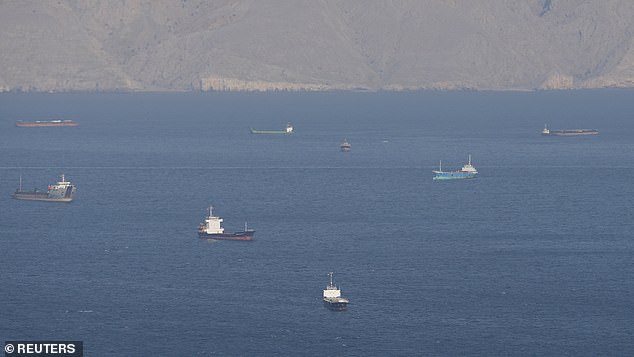
The timing of this escalation is particularly noteworthy, occurring amidst a period of heightened tension in the Strait of Hormuz. The Iranian military recently reasserted what it described as "strict control" over the vital waterway, reportedly attacking several ships attempting passage on Saturday. These strikes, which allegedly involved two Indian-flagged vessels, came just a day after Iran's Foreign Minister had publicly declared the Strait of Hormuz to be "open to commercial traffic."
President Donald Trump had initially embraced the Foreign Minister's statement, tweeting on Friday morning that the strait was "COMPLETELY OPEN AND READY FOR BUSINESS." He followed this with a series of optimistic pronouncements regarding potential negotiations to end the conflict, even suggesting Iran had agreed to surrender its stockpile of highly enriched uranium, a claim that Iran has since denied.
However, Iran's parliamentary speaker, Mohammad Bagher Ghalibaf, issued a stern warning later on Friday, stating that if the US blockade persisted, "the Strait of Hormuz will not remain open." Despite this, the blockade has continued, and the Trump administration has shown no inclination to back down from its aggressive stance.
The overarching strategy behind "Economic Fury" and the expanded blockade appears to be a calculated effort to force Iran to the negotiating table through severe economic pressure. By limiting Iran's ability to import vital goods and export its oil, the US aims to cripple its economy and compel concessions. This approach bears a resemblance to the US strategy employed against Cuba, which involved stringent restrictions on oil flow to the island nation, aiming for a similar outcome of regime change.
The Strategic Importance of the Strait of Hormuz
The Strait of Hormuz has long been a critical chokepoint for global energy markets. Approximately 20 percent of the world's daily oil supply transits through this narrow waterway, making it a powerful lever for any nation controlling its passage. Iran's historical ability to exert influence over the strait has allowed it to significantly impact global oil and gas prices, a tactic the US now aims to neutralize.
Preceding Ceasefire Talks and Military Posturing
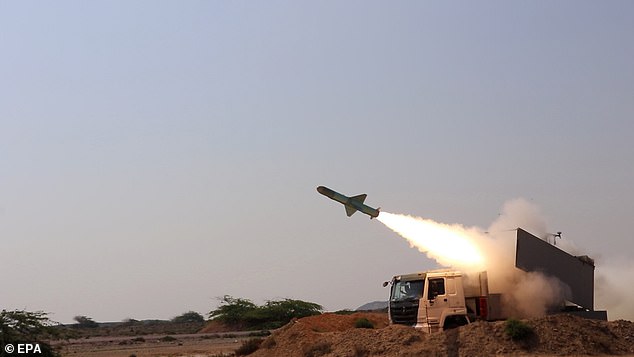
This intensified economic pressure campaign unfolds as a temporary ceasefire between Iran and the US nears its expiration. Recent peace talks held in Pakistan last weekend failed to yield any significant breakthroughs or a lasting cessation of hostilities. With no further negotiations scheduled, both sides are actively preparing for a potential resumption of conflict. Iran has reportedly maintained thousands of medium- and short-range missiles and is retrieving launchers from underground storage, often located in mountainous regions.
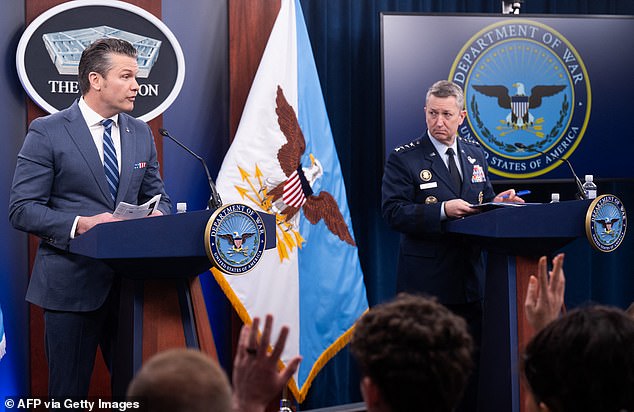
US Defense Secretary Pete Hegseth has indicated that American forces are "maximally postured" to re-engage should diplomatic efforts falter. He has also suggested that striking Iran's power plants remains a viable option, despite concerns from experts regarding its legality under international law and the potential for Iranian retaliation against energy infrastructure in allied Gulf Arab nations.
The Trump administration appears keen to avoid deploying ground troops, a move that would inevitably lead to American casualties and potentially trigger public backlash at home. Consequently, the focus has remained firmly on the economic pressure campaign as the preferred path forward.
Sanctions and Legal Ramifications
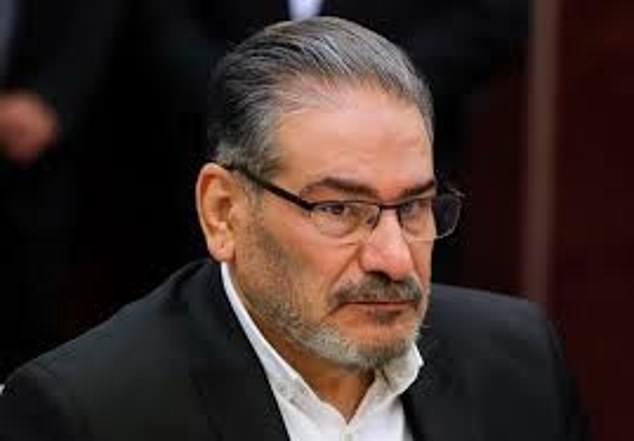
As part of the "Economic Fury" operation, the US Treasury Department has announced further sanctions targeting companies and individuals involved in Iran's illicit oil transportation network. These newly sanctioned entities are reportedly controlled by oil shipping magnate Mohammad Hossein Shamkhani, the son of Ali Shamkhani, a former top security advisor to Ayatollah Ali Khamenei. Ali Shamkhani was reportedly killed in an Israeli airstrike in late February, which is cited as the catalyst for the ongoing conflict.
The US military now has the authority to board or intercept hundreds of Iranian-linked vessels that have been placed under sanctions. This action could mirror previous US naval interdictions of oil vessels connected to Venezuela, particularly in the period surrounding the capture of Nicolas Maduro.
Furthermore, Acting Attorney General Todd Blanche has stated his intention to prosecute any individual or entity involved in the buying or selling of sanctioned Iranian oil, underscoring the broad legal reach of this new offensive.
Post a Comment for "US military 'preparing to board Iran-linked ships in just days' marking huge escalation"