
A 12-Year-Old's Fusion Machine Detects Real Neutrons in His Spare Room
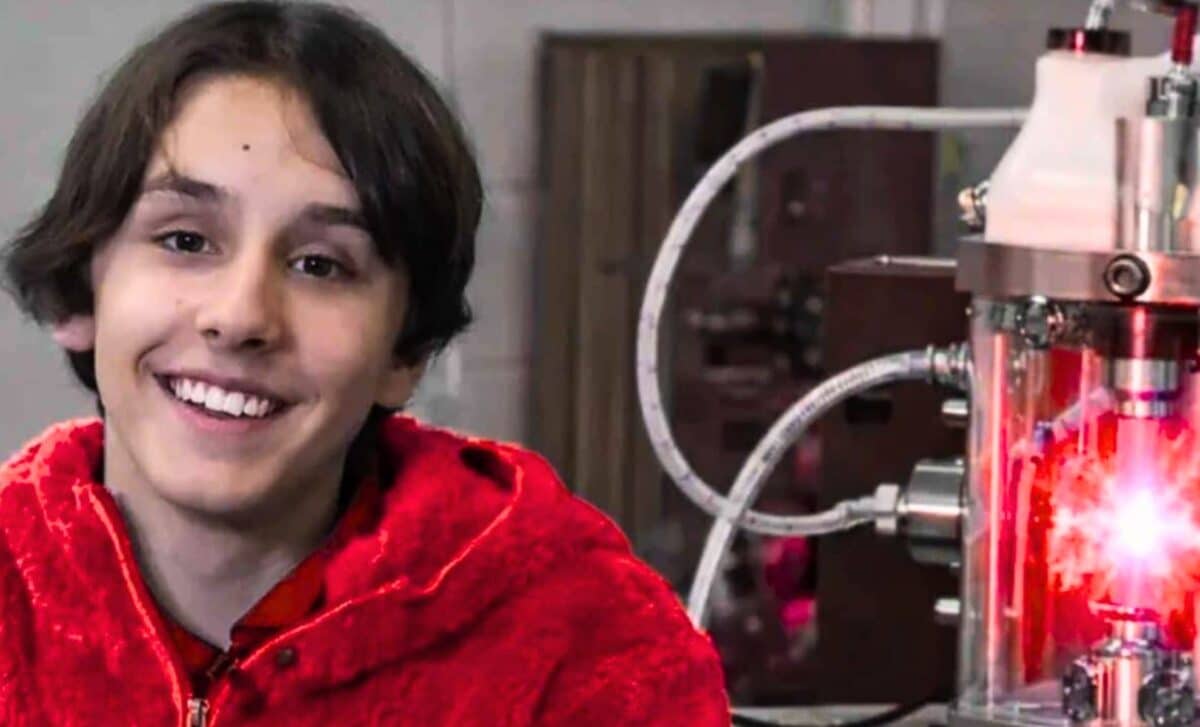
At the age of eight, Aiden McMillan began exploring the world of nuclear physics. This wasn’t for schoolwork; it was purely out of personal curiosity. For the next two years, he didn’t touch any equipment. Instead, he immersed himself in reading, studying concepts, and performing calculations. Only after this deep dive into theory did he begin building.
By the time he was 12, his quiet start had evolved into a project that few adults would even attempt. Working from a spare room at home and a nonprofit workshop in West Dallas, the seventh-grader constructed a machine capable of producing nuclear fusion. This achievement has put him in the running for a Guinness World Record.
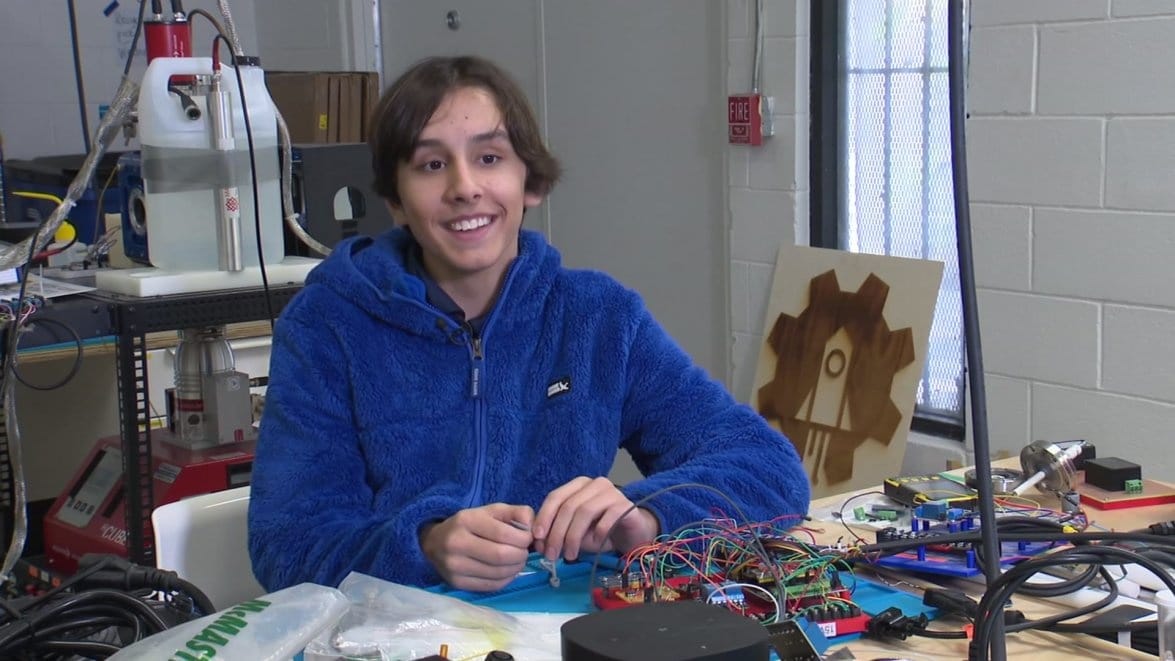
McMillan shared with NBC DFW that he pursued the project because he found it fascinating. “It doesn’t make me jump higher. It doesn’t make me write faster. It doesn’t do anything for me,” he said. “But in the grand scheme of things, fusion as a whole, in my opinion, is the energy of the future.”
Two Years of Reading, Then Two Years of Building
A student in the Dallas Independent School District, McMillan spent the first two years of the project studying nuclear physics before starting any construction. He believed it was essential to understand the underlying science before translating it into hardware.
The next two years were dedicated to building and testing. He developed seven different prototypes before achieving a successful result. Throughout the process, components failed, designs were discarded, and he had to acquire skills well beyond those taught in a standard middle school curriculum. These included handling vacuum pumps and managing high-voltage equipment safely.
“I mean, I loved the project, but I also kinda hated it,” McMillan told NBC DFW.
Much of the physical build took place at Launchpad, a nonprofit makerspace located in a brick building in West Dallas. The space supports ambitious student engineering projects, and McMillan’s work played a role in inspiring its creation.
How the Device Actually Works
Nuclear fusion is the process that powers the sun. It involves forcing two light atomic nuclei together with enough energy that they merge into a single larger nucleus, releasing energy in the process.
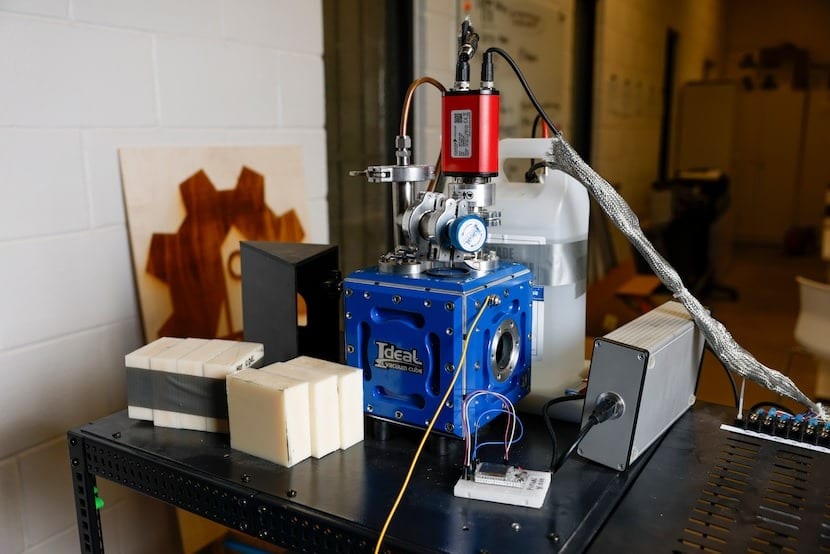
McMillan’s machine is a type of device called a fusor. It uses high voltage to accelerate atoms of deuterium, a form of hydrogen, inside a sealed chamber until some of them collide fast enough to fuse. The device does not generate usable electricity. Its purpose is to demonstrate that fusion is occurring.
The proof comes from neutrons. When deuterium atoms fuse, they release neutrons as a byproduct, and those neutrons can be measured with a detector. Professional laboratories use the same method to verify fusion. According to Newsweek, McMillan’s neutron measurements have since been independently verified.
When the detector confirmed a result, McMillan’s reaction was immediate. “We got neutrons, yeah!” he recalled to NBC DFW. “Kind of tearing up about it cause it was like, hard to describe. It was like the end of a long, long journey.”
Safety and a Mother Who Needed Convincing
Building a fusion device at home raised real concerns, and McMillan’s mother was not prepared to wave them aside. She required a detailed accounting of every risk before allowing the project to move forward.
“There were some alarm bells with my mom, yes,” McMillan told NBC DFW. “She was like, ‘Whoa, whoa, whoa, take a step back, tell me exactly what could go wrong, and how it could go wrong and make sure it doesn’t go wrong.'”
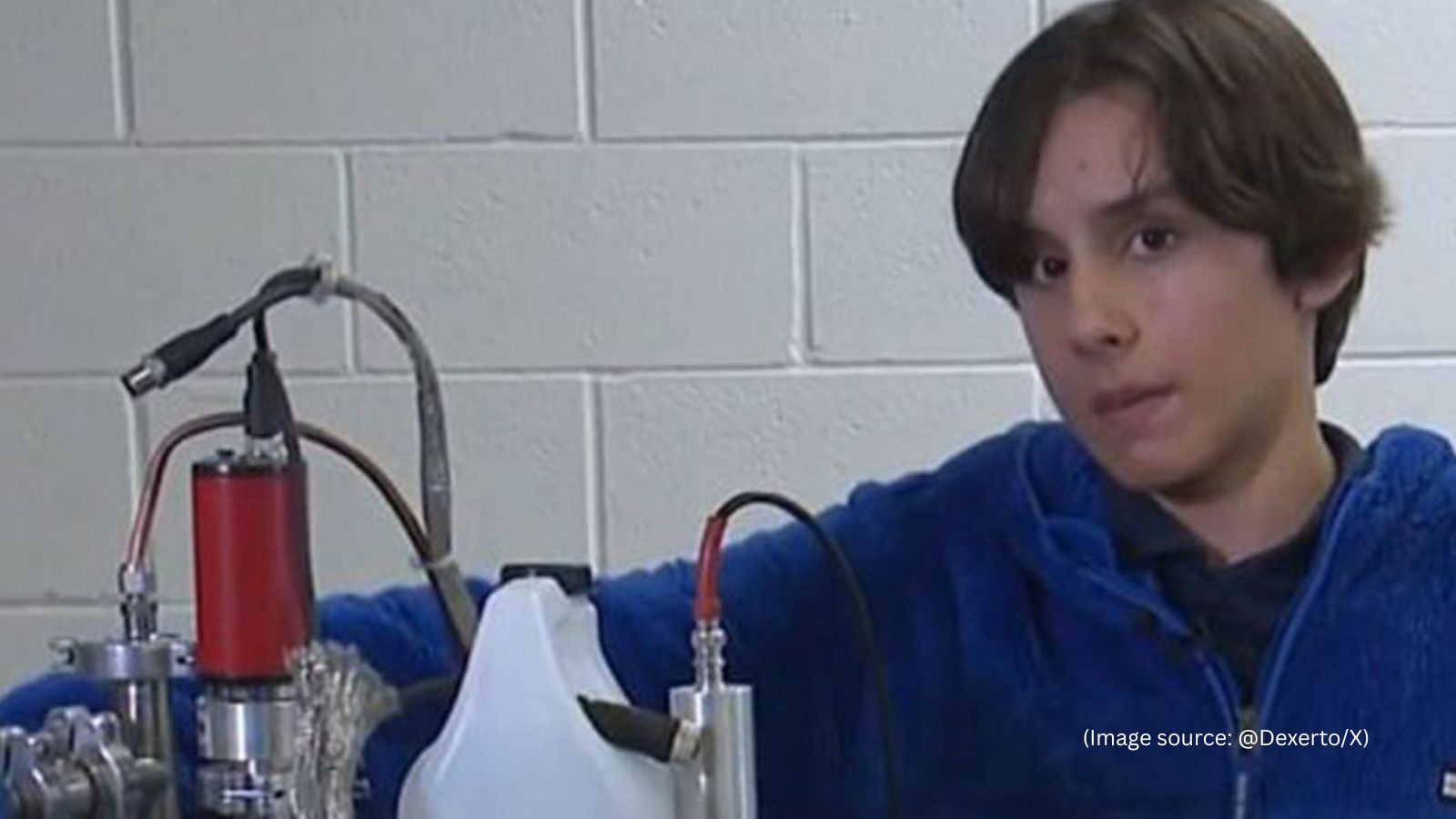
Winning that trust was a condition of the project continuing at all. Without it, the work would have stopped at notebooks and sketches. The family worked through the safety questions rather than around them, and the build proceeded from there.
The Record He Is Chasing
The current Guinness World Record for the youngest person to achieve nuclear fusion belongs to Jackson Oswalt of Memphis, Tennessee, who did it in 2018 just hours before turning 13. Oswalt had started his project at age 11, converting his family’s playroom into a lab and sourcing parts on eBay. He taught himself using the online community Fusor.net, and his results were later verified by the Open Source Fusor Research Consortium. Guinness officially recognized his record in October 2020.
Oswalt himself had broken a previous record set by Taylor Wilson, who achieved fusion at age 14 in 2008.
When Oswalt’s story went public, FBI agents visited his Memphis home and swept it with a Geiger counter to check for radiation. The instrument detected nothing dangerous.
McMillan achieved fusion at 12, which would make him several months younger than Oswalt was at the time of his result. He has submitted a formal application to Guinness World Records and is awaiting their verification decision.
What the Achievement Represents
McMillan’s fusor, like Oswalt’s before it, does not solve the broader challenge of making fusion a practical energy source. The device produces real fusion reactions but generates no net electricity. The gap between demonstrating fusion and making it commercially viable remains the central problem facing the field.
That context does not diminish what McMillan built. He worked through seven prototypes over four years, taught himself vacuum systems and high-voltage handling, and produced neutron measurements that have been independently confirmed. His Guinness application is now under review.
Post a Comment for "A 12-Year-Old's Fusion Machine Detects Real Neutrons in His Spare Room"