
A batik legacy reborn in Malaysia
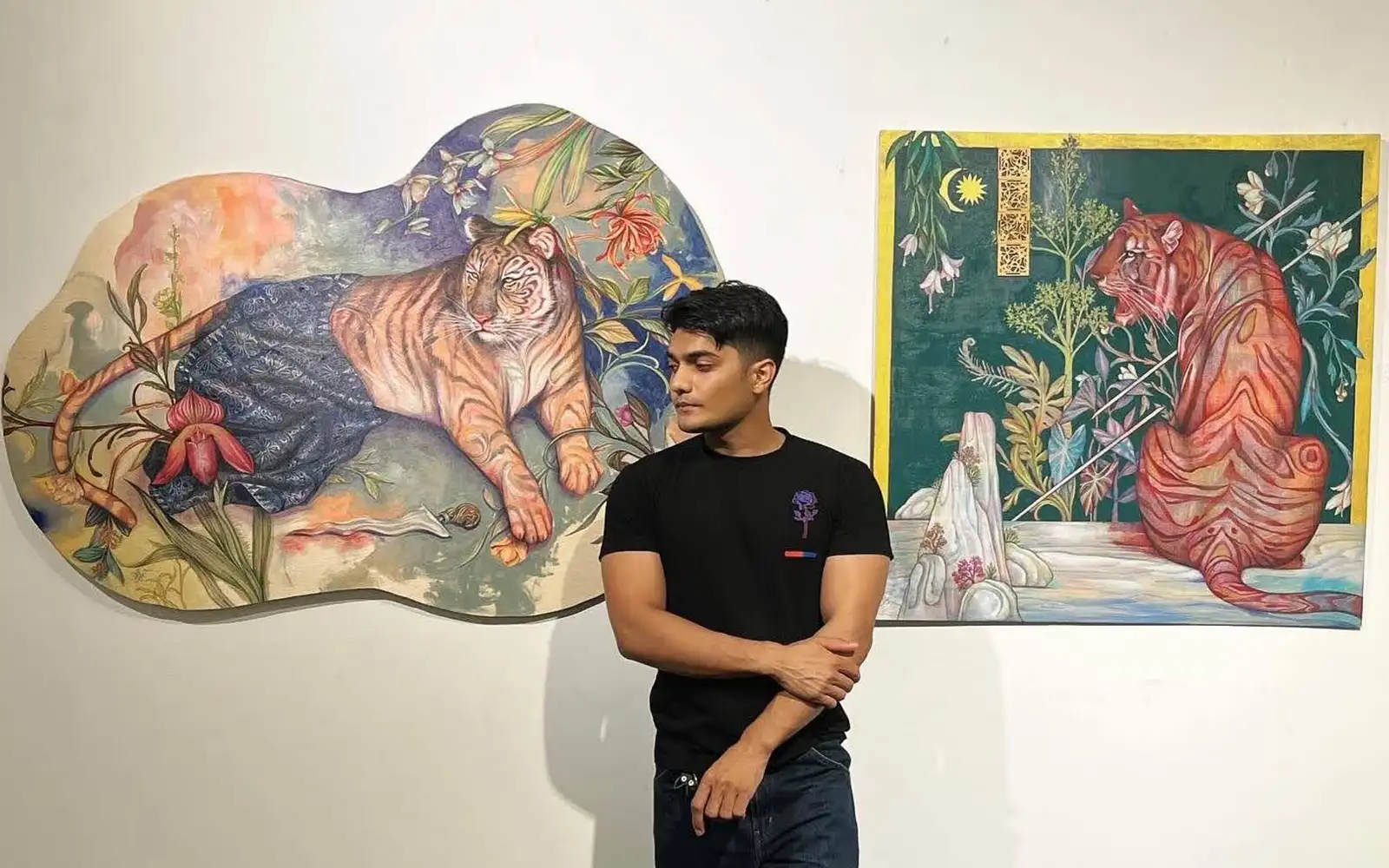
PETALING JAYA: Haris Rashid, a visual artist, did not initially intend to inherit a family tradition when he first started working with batik. However, what began as a creative experiment eventually revealed a legacy that spanned generations.
Haris, who is 34 years old and originally from Kedah, has been living in the Klang Valley since he was five years old. He has over a decade of experience as a fine artist.
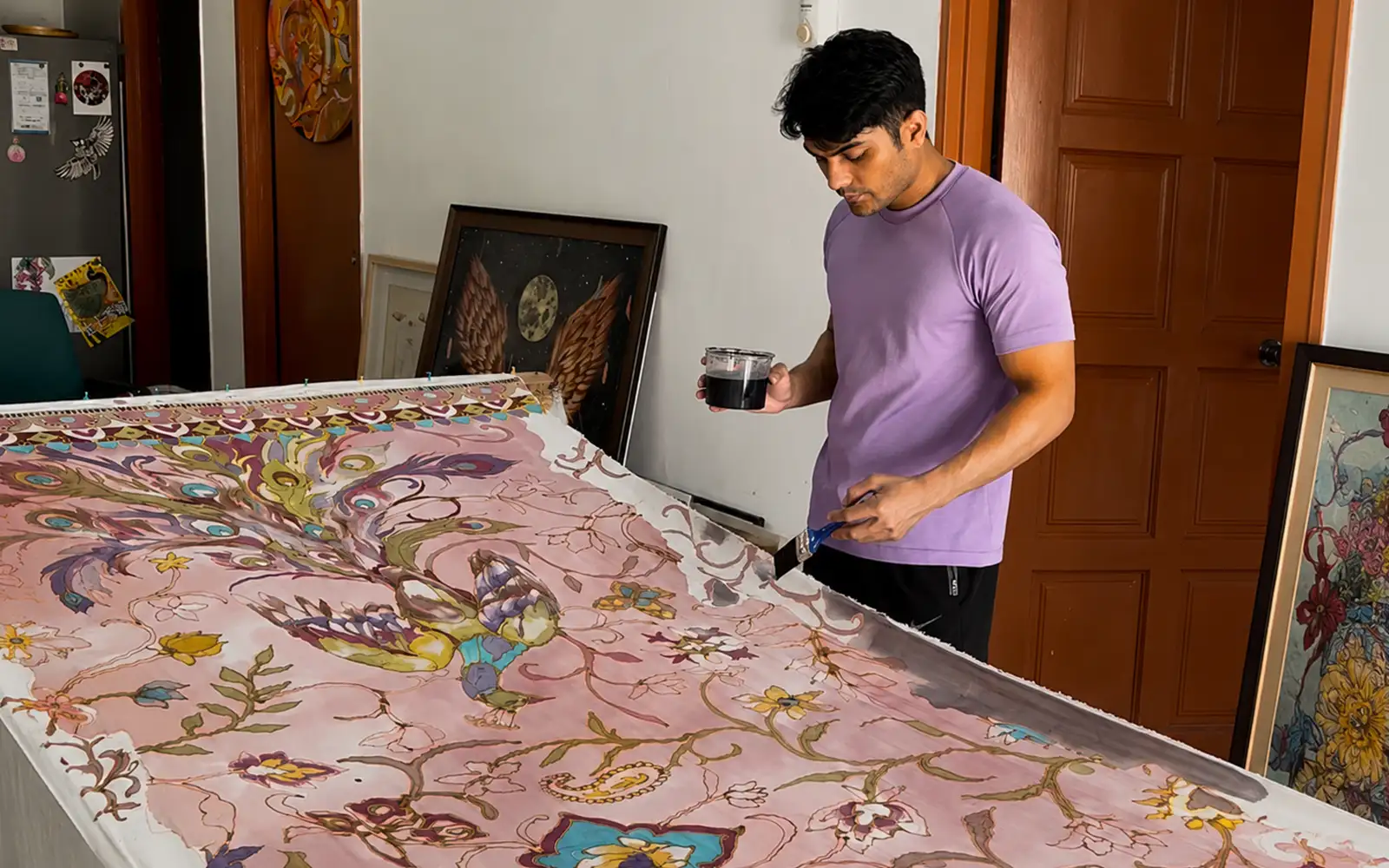
“Batik entered my life during the pandemic. My mum had just retired, and we were in lockdown, so I asked her if she could teach me how to do batik,” he shared with FMT Lifestyle.
He started documenting the process online, and the videos gained unexpected attention. “I kept experimenting with batik because it felt like a nice break from painting,” Haris explained.
Art had always been part of his upbringing. His mother, who used to be an art teacher, studied textile design in university and created batik for her final year project. In the 1980s, she briefly sold batik at Central Market, producing the pieces in their hometown in Kedah.
When the venture didn’t take off, she became a schoolteacher. While Haris knew about his mother’s involvement in batik, he had little knowledge of his deeper maternal heritage. This only became clear when he started exploring the craft and reconnected with his family in Kelantan.
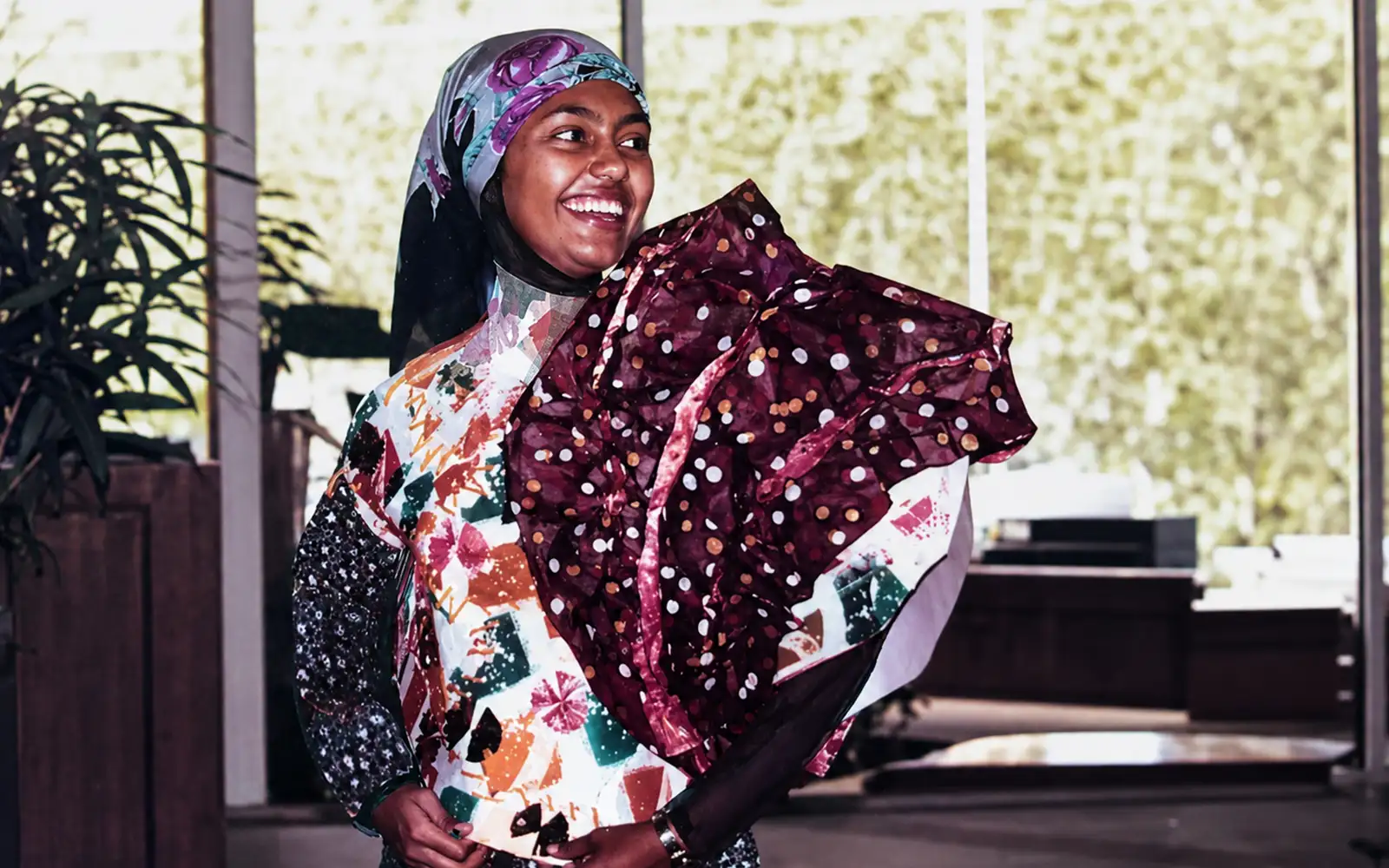
His family's roots trace back to Ahmedabad, India, where they fled British conscription before moving to Kelantan. His great-grandfather, who was of Pakistani origin, opened a fabric store in Kota Bharu.
“He had five children, and only one son, who was the creative one in the family,” Haris said.
That son – Haris’s granduncle – developed a strong interest in batik and even traveled to Indonesia to study the craft. Upon returning, he began recreating Indonesian-style batik in Kelantan.
“At that time, Malaysia was more into block printing than wax batik. Some of the blocks were even commissioned in India. It wasn’t until the 1950s that wax techniques became more common here,” he explained.
He added that Indonesian-style batik was once popular locally before Malaysian batik evolved into more floral and colorful motifs.
“The shop eventually closed in the 1980s because that style was no longer popular,” he said of his great-grandfather’s fabric store.
When Haris visited Kelantan, he met a surviving family member who still kept some of the old materials. “I managed to see some of the surviving blocks and fabrics, although many had deteriorated,” he said.
For Haris, this discovery completely changed his understanding of batik.
“What fascinated me most was imagining this Pakistani family assimilating into local culture and becoming part of something so Southeast Asian like batik,” he said.
Haris said being self-taught in batik also shaped his approach to the art form.
“Everything I learned came from my mum, so I wasn’t restricted by traditional rules. I just experimented and did whatever I liked.”
Before focusing on batik, Haris studied illustration for game development at The One Academy and then transitioned to painting. He later began selling his own work at art bazaars, building early recognition as a visual artist. At 21, he held his first solo exhibition with Artemis Art Gallery.
Over the years, he has worked across multiple mediums, including sculpture and murals. In recent years, however, batik has taken center stage in his practice.
“My mum has been very involved in my work. I think she’s also living through me a little – like I’m getting to do what she never fully got to pursue,” he said with a smile.
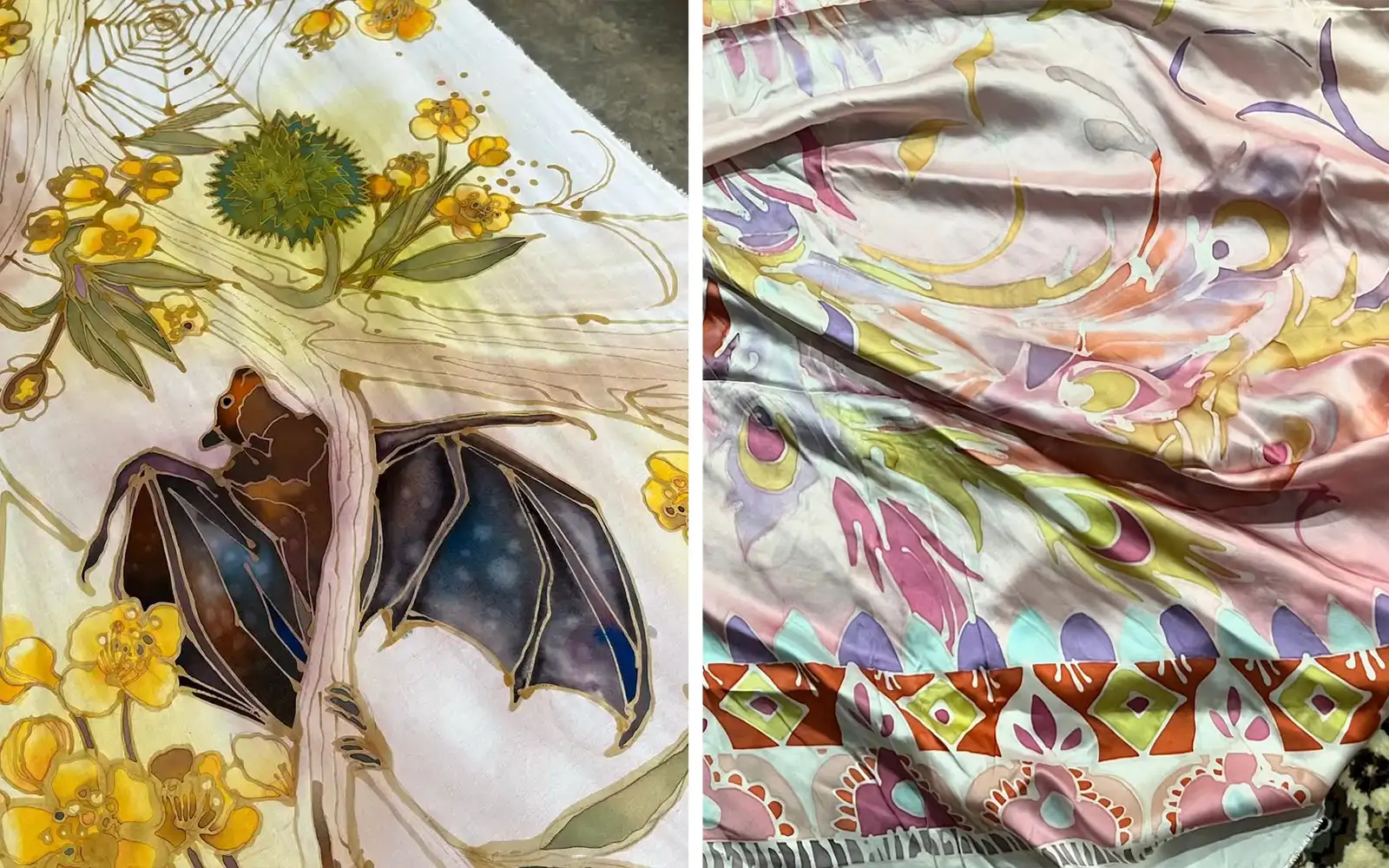
And she remains his toughest critic. Today, his work blends flora and fauna with Southeast Asian cultural references and mythology. He often uses symbolic storytelling to reflect modern life.
“One work I’m especially proud of is a sarong piece I created after returning from Kelantan. It represented my Pakistani side of the family’s journey to Malaysia,” he said.
Most of his batik pieces are commissioned works, as he continues his other projects, including brand collaborations.
For Haris, uncovering his family history has added new meaning to his work.
“Malaysian culture was built by people from many different backgrounds, not just one race. For me, art teaches you a lot about history and belonging. As long as you connect to something sincerely, you can belong to it.”
Post a Comment for "A batik legacy reborn in Malaysia"