
AI Wins a Literary Prize, My Heart Grieves as Love for Books Fades
I struggled to come to terms with this news. As someone who has had a deep passion for stories since childhood and was raised on the writings of Arthur Conan Doyle, Terry Pratchett, J.R.R. Tolkien, and other esteemed authors, witnessing anAIA written story that wins a renowned writing award is difficult to accept.
If you weren't aware, the winners of the Commonwealth Short Story Prize for 2026 have been revealed, and it has come to light that three out of the five winning regional stories were entirely or partially created by AI. Or so it appears to be the general opinion among readers. As a reader and an aspiring fiction writer, this situation has affected me more deeply than any other instance of AI impacting our lives.
Which tales are being examined?
It began when Granta released the five regional winners of the short story competition. X users soon noticed that certain writing styles in the stories closely resembled AI-generated text.
Researcher Nabeel S. Qureshi mentioned it on X, highlighting what he referred to as classic AI structure. The AI detection tool Pangram identified the article as 100% computer-generated, a finding that WIRED independently verified.
A pangram also identified "The Bastion's Shadow" by Maltese author John Edward DeMicoli as entirely AI-generated, and "Mehendi Nights" by Indian author Sharon Aruparayil as partially AI-generated. Only the stories written by Holly Ann Miller and Lisa-Anne Julien were found to be fully human-created.
As for how this occurred, Razmi Farook, the Director-General of the Commonwealth Foundation,released a statementclaiming they don't employ AI checkers to verify the originality of the stories. "Providing unshared original content to an AI checker would create major issues regarding permission and creative ownership," he stated.
On the other hand, Granta states that its editors were not involved in editing or selecting the shortlisted stories. More importantly, Granta mentioned that it utilized an AI tool,Anthropic’s Claude, to check for AI-related plagiarism. The outcomes, it mentions, were unclear. Consequently, the publication has chosen to leave those articles on its site, and not pursue any measures against them.
Of course, no AI detection system is 100% reliable, and the developers of these tools themselves caution against placing "complete trust" in them. It's a pitiful and troubling scenario. You can see the pattern here. We're employing AI tools to demonstrate that content wasn't created with AI. It's ironic, and I would definitely read a critique of this development written by a human, naturally.
A high-profile contest should not depend on the honor code.
I understand the foundation and the judges. It's challenging to accurately identify a piece of writing as AI-generated with complete certainty. However, we can no longer depend on the honor system anymore. EvenPrinceton University was forced to abandon its honor code.and resorted to administering proctored examinations for the first time in 133 years.
I do not object to usingAI writing tools. I even use it to finish routine tasks likereplying to emailsand condensing lengthy texts for quick reading. Although I don't support using AI in storytelling, I don't object to individuals doing so, provided they clearly label their work as AI-generated.
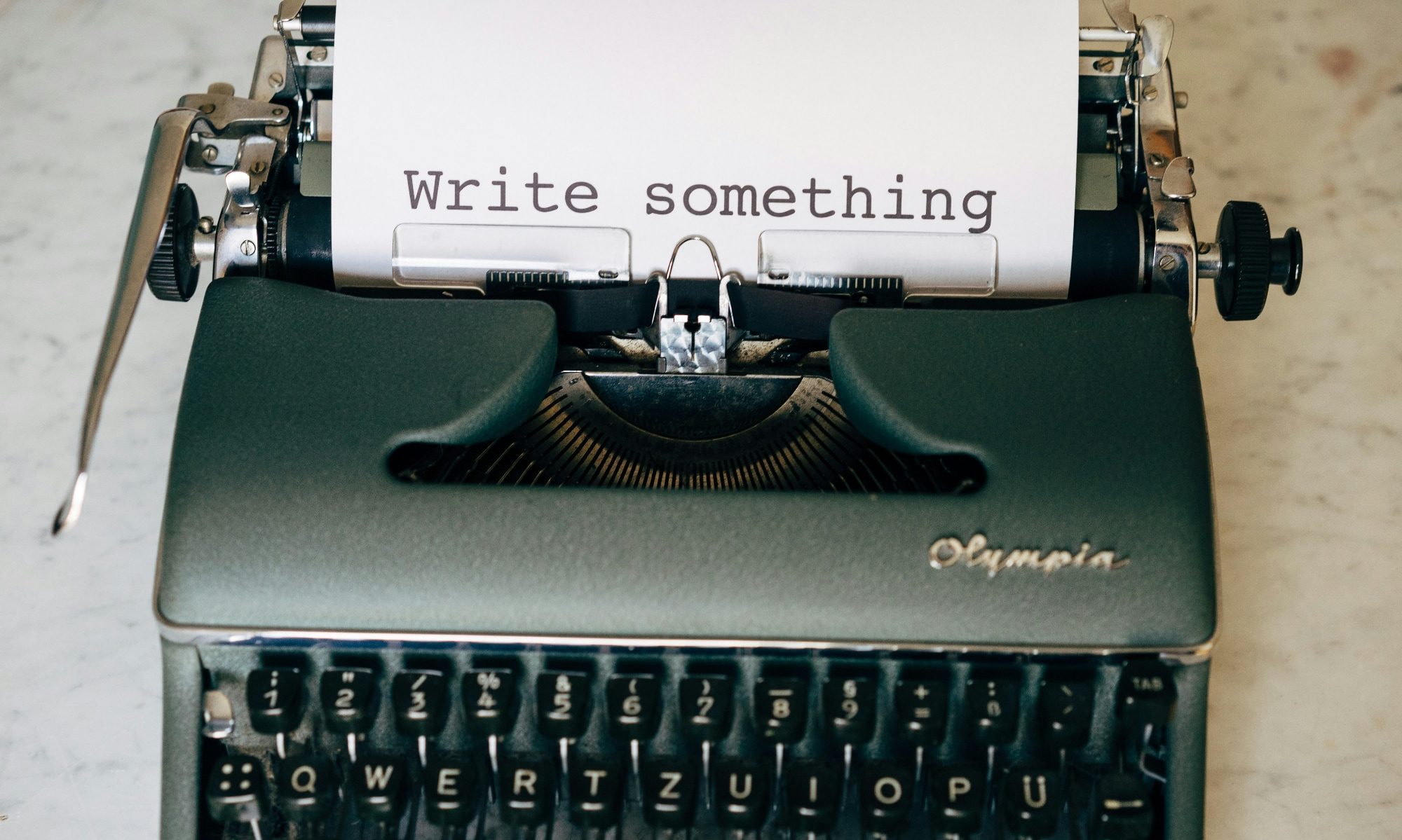
Employing AI-generated narratives to rival authors who have overcome their feelings of inadequacy and infused their work with genuine emotions is not only unethical but also a significant violation of the human vulnerability and experiences that form the foundation of conventional storytelling.
The act of creating brings the most satisfaction when you finish your story or novel with the final period. Utilizing low-quality AI-generated stories to compete is merely a way to make money, and authors who do this should be prohibited from participating in any future contests.
As studies have repeatedly demonstrated,People are struggling more and more to identify content generated by artificial intelligence., and in blind tests, we evenprefer it. Oh, let’s not forget, Artificial intelligence is making us less intelligent, as well.. But not everything is lost, I believe. As Sir Terry Pratchett stated in Hogfather, “Real stupidity beats artificial intelligence every time.” And I have complete faith in our foolishness to tackle any challenges presented by AI.
Latest Technology News, Sent to Your Email
Post a Comment for "AI Wins a Literary Prize, My Heart Grieves as Love for Books Fades"